



Quick Answer
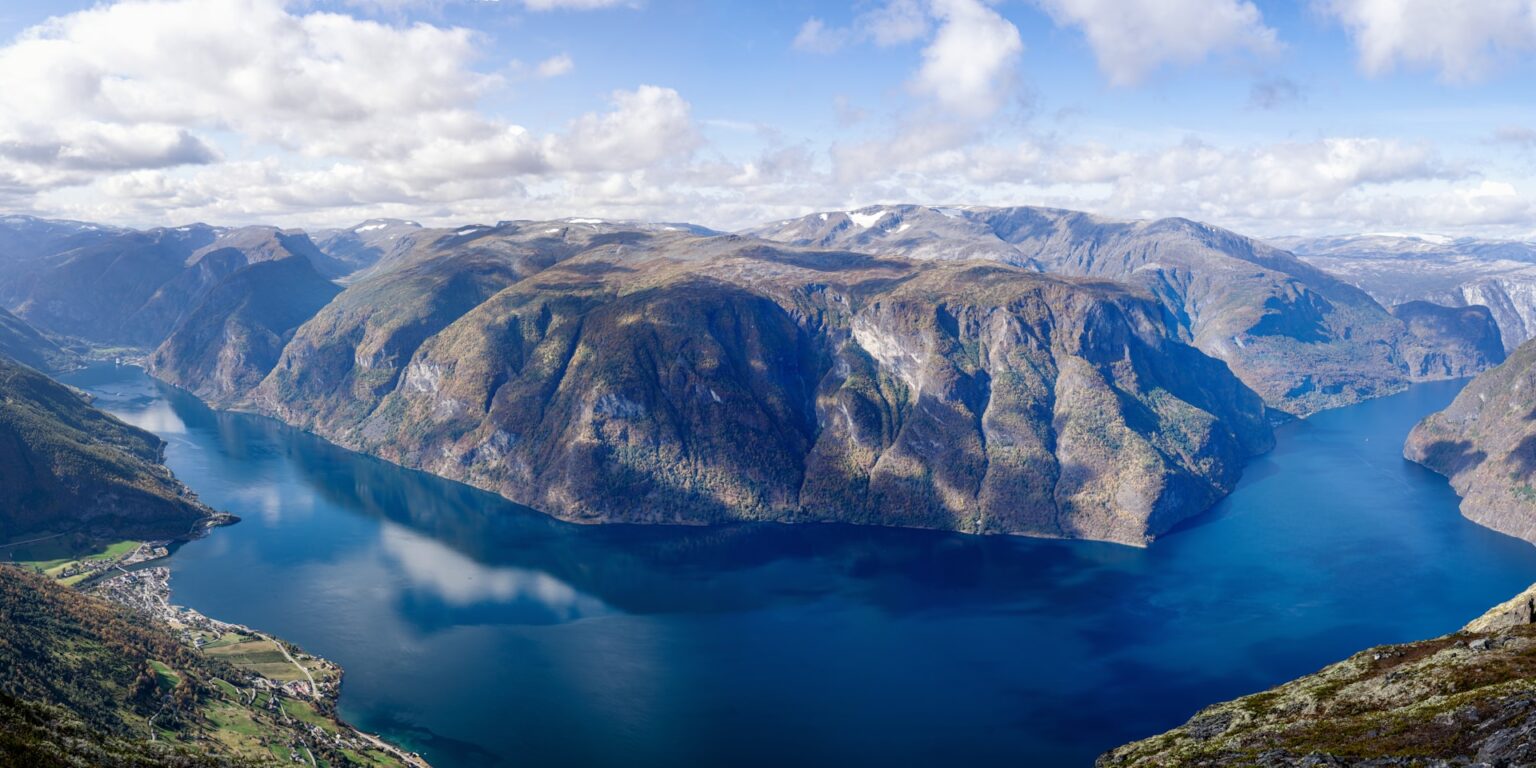
Visiting a fjord in Norway is one of Earth’s most spectacular travel experiences. Norway has 1,190 fjords. Top fjords: Geirangerfjord (UNESCO 2005) — narrow with Seven Sisters waterfall, Norway’s most famous; Sognefjord — longest (205 km) and deepest (1,308 m); Hardangerfjord — Trolltunga viewpoint, fjord-side fruit orchards; Nærøyfjord (UNESCO) — narrowest (250m at points); Lysefjord — Pulpit Rock (Preikestolen), Kjeragbolten boulder. Best access: from Bergen for west fjords, Oslo scenic train. How to visit: 1) fjord cruises (4-12 hours, €100-300), 2) Norway in a Nutshell tour (boat + train + bus, $200), 3) self-drive Atlantic Ocean Road, 4) hiking iconic spots. Best season: May-September. June for midnight sun north. Hardanger blossoms May. Cost: €150-250/day in Norway.
What is a fjord?
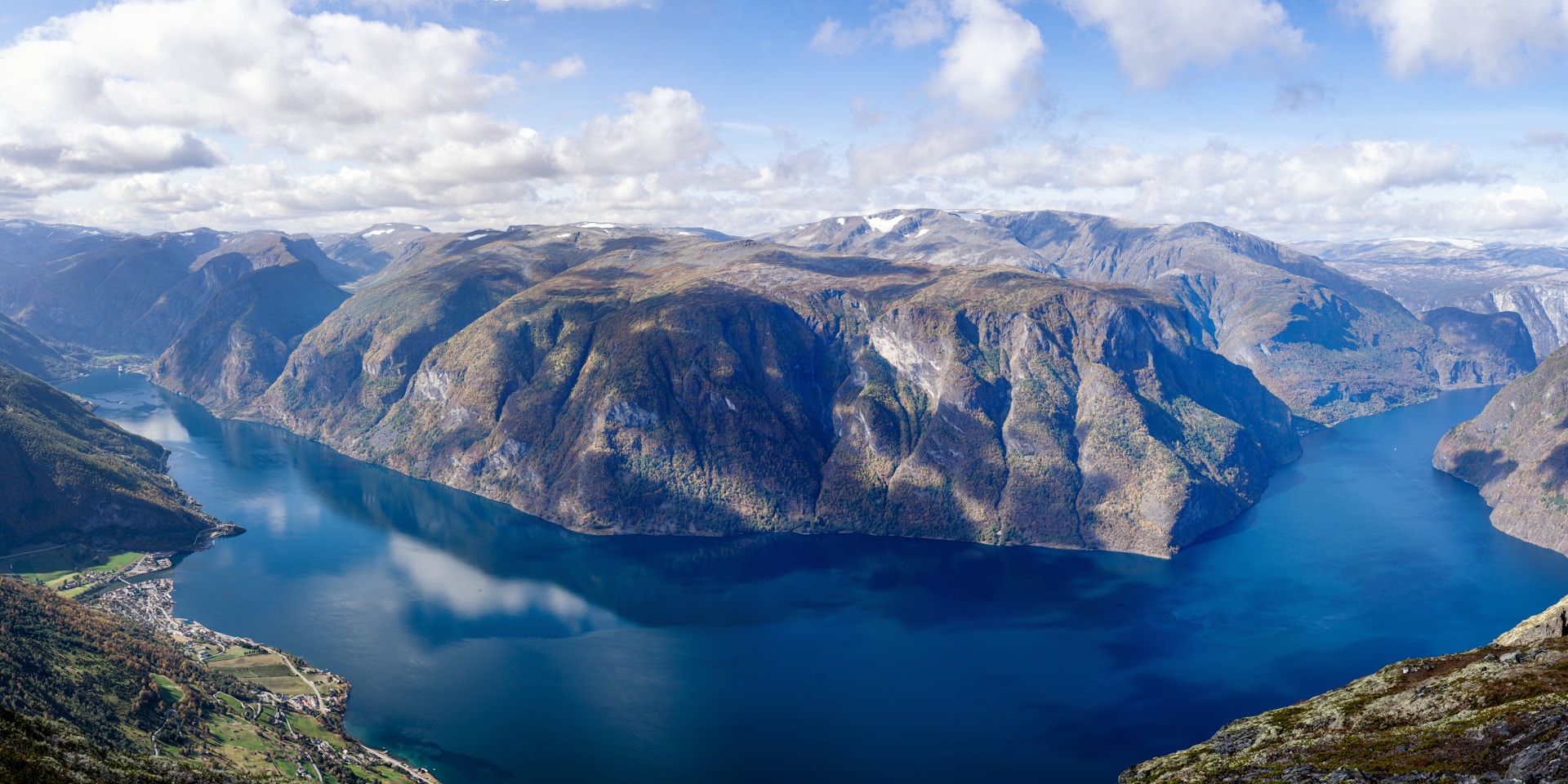
- Definition: long narrow inlet from sea, surrounded by steep cliffs. Created by glacial erosion.
- Norwegian fjords specifically: 1,190 known. Total coastline 100,915 km (longer than Earth’s circumference 2.5x).
- UNESCO sites: Geirangerfjord and Nærøyfjord (West Norwegian Fjords) — UNESCO World Heritage 2005.
- How formed: Ice Age glaciers (10,000-11,000 years ago) carved deep valleys, sea filled them.
- Why dramatic: 1,000m+ cliff walls vs. fjords up to 1,308m deep. Vertical scale rare globally.
Geirangerfjord (most famous)
- UNESCO: West Norwegian Fjords (with Nærøyfjord) since 2005.
- Length: 15 km. Narrow, dramatic.
- Seven Sisters waterfall: 7 streams cascading down 410m cliff face. Most photographed.
- Suitor waterfall: facing Seven Sisters. Local legend says he proposes to them.
- Trollstigen: mountain road approach with 11 hairpins. Open May-October.
- Cruise from Geiranger: 90-min sightseeing cruise €30-40.
- Hellesylt: village at end of fjord, ferry crossing.
- Best from: Ålesund city. 90 min drive.
Sognefjord (king of fjords)
- Length: 205 km — Norway’s longest.
- Depth: 1,308 m — Norway’s deepest.
- Branches: Aurlandsfjord, Nærøyfjord (UNESCO, narrowest in world).
- Flåm: tourist village. Flåm Railway (Flåmsbana) most scenic train ride in world.
- Norway in a Nutshell tour: goes through Sognefjord. Bergen-Voss-Flåm-Myrdal. Full day, €200-250.
- Stegastein viewpoint: 650m above Aurlandsfjord. Glass-bottom platform.
- Wild Norway: from Sognefjord access to glaciers Jostedalsbreen.
Hardangerfjord (orchards and Trolltunga)
- Hardanger: “fruit garden of Norway”. Apple, plum, pear, cherry orchards line shores.
- Best time for blossoms: May. Hardangerblomstring (Hardanger Blossom) festival.
- Trolltunga (“Troll’s Tongue”): 700m above Ringedalsvatnet. Iconic horizontal rock platform photo. 28 km hike (10-12 hours), permit €50 high season.
- Folgefonna: third-largest glacier in Norway. Adjacent to fjord.
- Eidfjord: village, Hardangerjøkulen glacier nearby.
- Vøringsfossen waterfall: 182m. Most famous Norwegian waterfall. Suspension bridge for views.
Lysefjord (Pulpit Rock)
- Preikestolen (Pulpit Rock): 604m vertical cliff platform. Iconic Norway photo. 8 km round-trip hike, 4 hours.
- Kjeragbolten: wedged boulder you can stand on (over 1,000m drop). Brave only.
- Lysefjord cruise: from Stavanger. Sees Pulpit Rock from below.
- Stavanger: nearby city. Old wooden houses Gamle Stavanger.
- Hike difficulty: Pulpit Rock moderate, Kjeragbolten harder. Both well-marked.
Norway in a Nutshell tour
- What it is: classic Norwegian tour. Bergen-Voss train, Voss-Gudvangen bus, Gudvangen-Flåm boat (Sognefjord/Nærøyfjord), Flåmsbana train (Flåm-Myrdal), Bergensbanen (Myrdal-Bergen).
- Duration: 12-14 hours one day, or 2 days with overnight Flåm.
- Cost: €200-250 self-tour. Norway in a Nutshell company sells packaged tickets.
- Why famous: sees most spectacular Norwegian scenery in one day.
- Booking: Norwaynutshell.com or self-book individual segments.
When to visit
- May-June: blossoms (Hardanger), waterfalls full from snow melt, fewer crowds.
- July-August: peak — warmest, longest days (midnight sun north of Arctic Circle), most crowded.
- September-October: fall colors, fewer crowds, possible Northern Lights.
- November-March: winter access limited. Some cruises stop. Many roads close. Northern Lights visible north.
- April: shoulder. Some trails muddy.
Practical tips
- Cost: Norway expensive. €150-250/day basic. Hotels €120-250. Restaurants €30-60. Cheap supermarket meals essential.
- Currency: Norwegian krone (NOK). Cards accepted everywhere.
- Drive: rent car for flexibility. Tunnels can be tolled. Roads good but mountain passes close November-April.
- Public transit: trains comfortable but slow on mountain routes. Buses connect smaller fjords.
- Weather: rain very common (Bergen 240+ rain days/year). Layered clothing essential.
- Hiking: trails well-marked. Mountain conditions can change quickly. Always check conditions.
Frequently Asked Questions
What is Norway’s most famous fjord?
Geirangerfjord (UNESCO 2005). Famous for Seven Sisters waterfall, narrow valley, dramatic cliffs. 15 km long. Visited by cruise ships.
Which Norway fjord is the largest?
Sognefjord — 205 km long, 1,308 m deep (Norway’s deepest). Has Nærøyfjord branch (narrowest in world, UNESCO). Flåm village + Flåmsbana railway scenic stop.
Best time to visit Norway fjords?
May-September. May for blossoms (Hardanger), June for midnight sun, July-August warmest. Avoid October-April for accessibility (some roads close, fjord cruises limited).
Is Norway in a Nutshell worth it?
Yes for one-day spectacular fjord experience. €200-250 covers Bergen-Sognefjord-Flåmsbana train-Bergen. See most beautiful Norwegian landscapes in one day.
How do I see Trolltunga?
28 km round-trip hike (10-12 hours). Permit required May-September (€50 high season). Cliff platform 700m above lake. Iconic photo. Easier alternative: helicopter tours €450.
How expensive is Norway?
Very. €150-250/day basic. Hotels €120-250, restaurants €30-60. Beer €10-12. Buy supermarket meals to save money. Camp + cook to keep costs at €60-100/day.
Recommended on Amazon
As an Amazon Associate, grandgo.com earns from qualifying purchases. Links below are affiliate links — clicking them may earn us a small commission at no extra cost to you. Prices and availability are shown on Amazon.co.uk.
- Lonely Planet Norway — comprehensive guide.
- Norway fjord cruise guide — detailed routes.
- Norwegian phrasebook — travel essentials.