



Quick Answer
Italy is Europe’s cultural treasure house — 60 UNESCO World Heritage Sites (more than any country). Population 59 million. 20 regions each distinct: North (Lombardy, Veneto, Tuscany, Piedmont — wealthy, modern), Central (Lazio with Rome, Umbria, Marche), South (Campania with Naples, Puglia, Calabria), Islands (Sicily, Sardinia). Top cities: Rome (capital, ancient ruins), Florence (Renaissance art), Venice (canals), Milan (fashion, design), Naples (pizza birthplace), Bologna (food capital), Verona (Romeo + Juliet), Cinque Terre (cliffside villages). Best time: April-June, September-October. AVOID August (locals leave, restaurants close). Days needed: 10-14 minimum for north + central. Budget: €80-180/day mid-range.

Italy by region
- Lazio (Rome): capital region. Ancient Rome, Vatican, Pope.
- Tuscany (Florence): Renaissance birthplace, vineyards, Chianti, Siena, Pisa.
- Veneto (Venice): canals, Verona, Padova, Prosecco wine region.
- Lombardy (Milan): business + fashion. Lake Como, Lake Garda, Bergamo.
- Piedmont (Turin): wine (Barolo, Barbaresco), Alps, Slow Food origin.
- Campania (Naples): pizza, Pompeii, Capri, Amalfi Coast, Procida.
- Sicily: Mediterranean island, Etna volcano, Greek temples, Palermo, Taormina.
- Sardinia: island, beaches Costa Smeralda, Nuragic civilization (4,000 BCE).
- Puglia: heel of boot. Trulli houses Alberobello UNESCO, Lecce baroque, beaches.
- Liguria: Cinque Terre, Genoa, Italian Riviera.
- Emilia-Romagna (Bologna): food capital — Parma ham, Parmigiano cheese, balsamic vinegar.
Top cities
- Rome (5+ days): Colosseum, Forum, Vatican, Trevi Fountain, Pantheon. Eternal city.
- Florence (3-4 days): Uffizi, Duomo, Ponte Vecchio, David. Cradle of Renaissance.
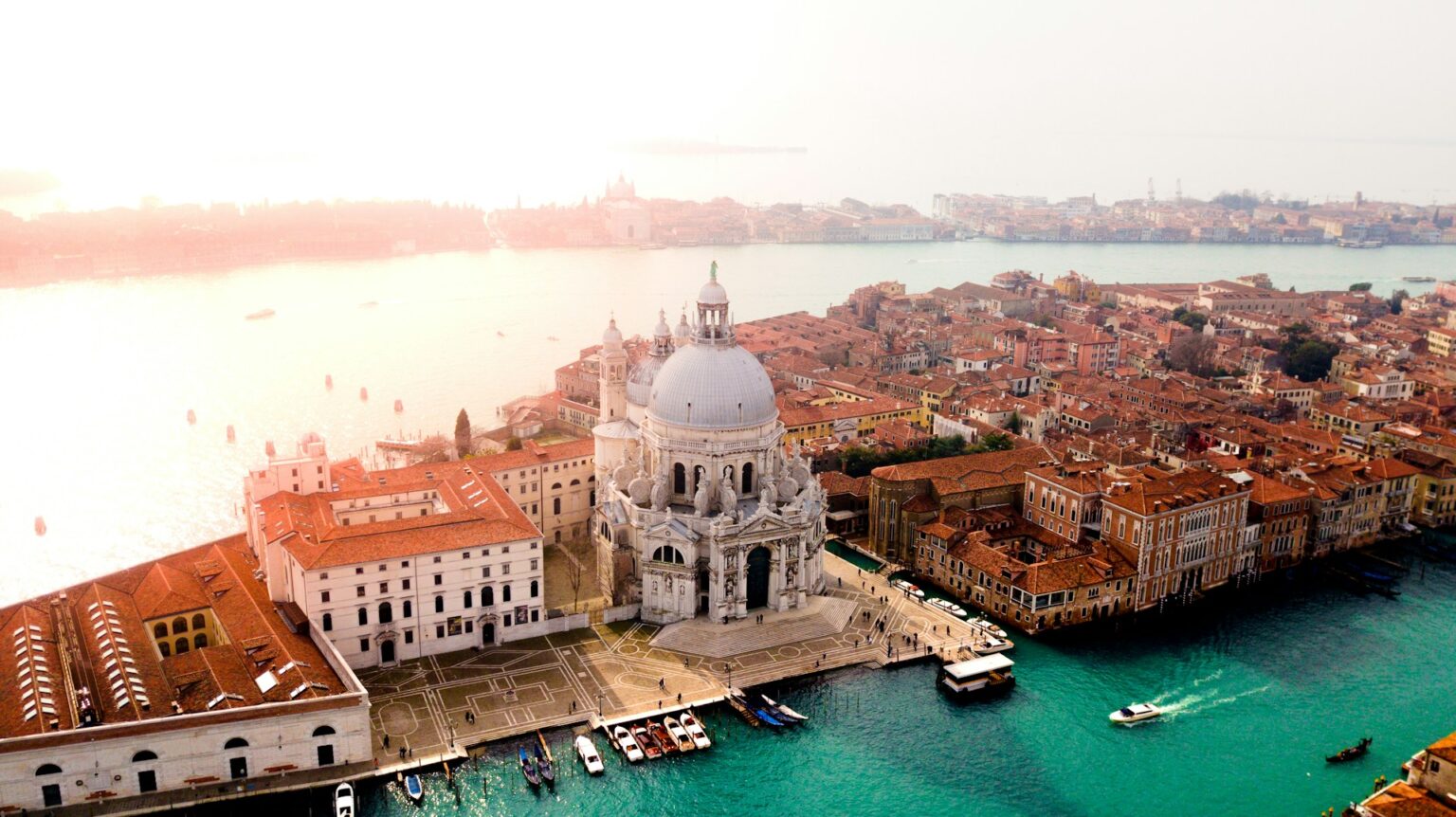
- Venice (2-3 days): St. Mark’s Square, gondolas, islands (Burano, Murano).
- Milan (2 days): Duomo, Last Supper, fashion, design, La Scala.
- Naples (3 days): Spaccanapoli, archaeological museum, Pompeii, pizza.
- Bologna (2 days): oldest university, food capital, porticoed streets.
- Cinque Terre (2 days): 5 cliffside villages along Ligurian coast.
- Verona (1 day): Romeo + Juliet, Roman arena, opera.
- Sicily (5+ days): Palermo, Taormina, Greek temples Agrigento.
Italian cuisine by region
- Pizza: Naples invention. Pizza Margherita 1889. Try Da Michele, Sorbillo.
- Pasta: 350+ shapes. Carbonara (Rome), Bolognese (Bologna), Cacio e Pepe (Rome).
- Risotto: Northern. Risotto alla milanese (saffron), risotto al nero di seppia (Venetian, cuttlefish ink).
- Gelato: Italian ice cream. Premium: Grom, Carapina, Vivoli (Florence).
- Espresso: standing at bar 1€. Sitting 3-4€.
- Wine regions: Tuscany (Chianti, Brunello), Piedmont (Barolo, Barbaresco), Veneto (Prosecco, Amarone), Sicily (Etna wines).
- Cheese: Parmigiano Reggiano (Bologna), Pecorino (Tuscany/Rome), Mozzarella di bufala (Campania).
- Cured meat: Prosciutto di Parma, Speck (Alto Adige), ‘Nduja (Calabria).
Practical info
- Getting there: Rome FCO + Milan MXP main international hubs. Venice VCE, Naples NAP.
- Train: Frecciarossa high-speed connects all major cities. Rome-Milan 3h.
- Best season: April-June + September-October. AVOID August (locals leave, hot 35-40°C).
- Visa: Schengen Area. EU members no visa. US/UK/AU/CA visa-free 90 days.
- Currency: Euro.
- Budget: €80-180/day mid-range. South cheaper than north.
- Tipping: coperto (cover charge €1-3) in restaurants. Tipping not expected but appreciated.
Frequently Asked Questions
How long do I need in Italy?
Minimum 10-14 days for Rome + Florence + Venice. Ideal 21+ days for north + central + south. Italy rewards slow travel.
Best time to visit Italy?
April-June, September-October. AVOID August (Italians leave for vacation, many restaurants/shops close, 35-40°C). May ideal weather.
Italy classic 14-day itinerary?
Rome 4 days → Florence 3 days → Venice 3 days → Milan 2 days → return. Adds: Cinque Terre, Naples + Pompeii, Tuscany countryside, Verona.
Is north or south Italy better?
North (Tuscany, Veneto, Lombardy): Renaissance art + cities + wine. South (Campania, Sicily, Puglia): beaches + ruins + authentic + cheap. First-timers: north. Second visits: south.
How much does Italy cost?
€80-180/day mid-range. Hotels €80-200. Restaurant meal €20-40. Coffee €1-3. South 25-30% cheaper than north.
Should I rent a car in Italy?
City visits: NO (parking hell, ZTL fines). Tuscany/Sicily/Puglia countryside: YES. Combine: train between cities, rent car for countryside.
Recommended on Amazon
grandgo.com is an Amazon Associate and earns from qualifying purchases. Links open your local Amazon store.
- Lonely Planet Italy — comprehensive country guide.
- Italian phrasebook — travel essentials.
- Italy travel adapter Type C/L — European Type C and L plug.