


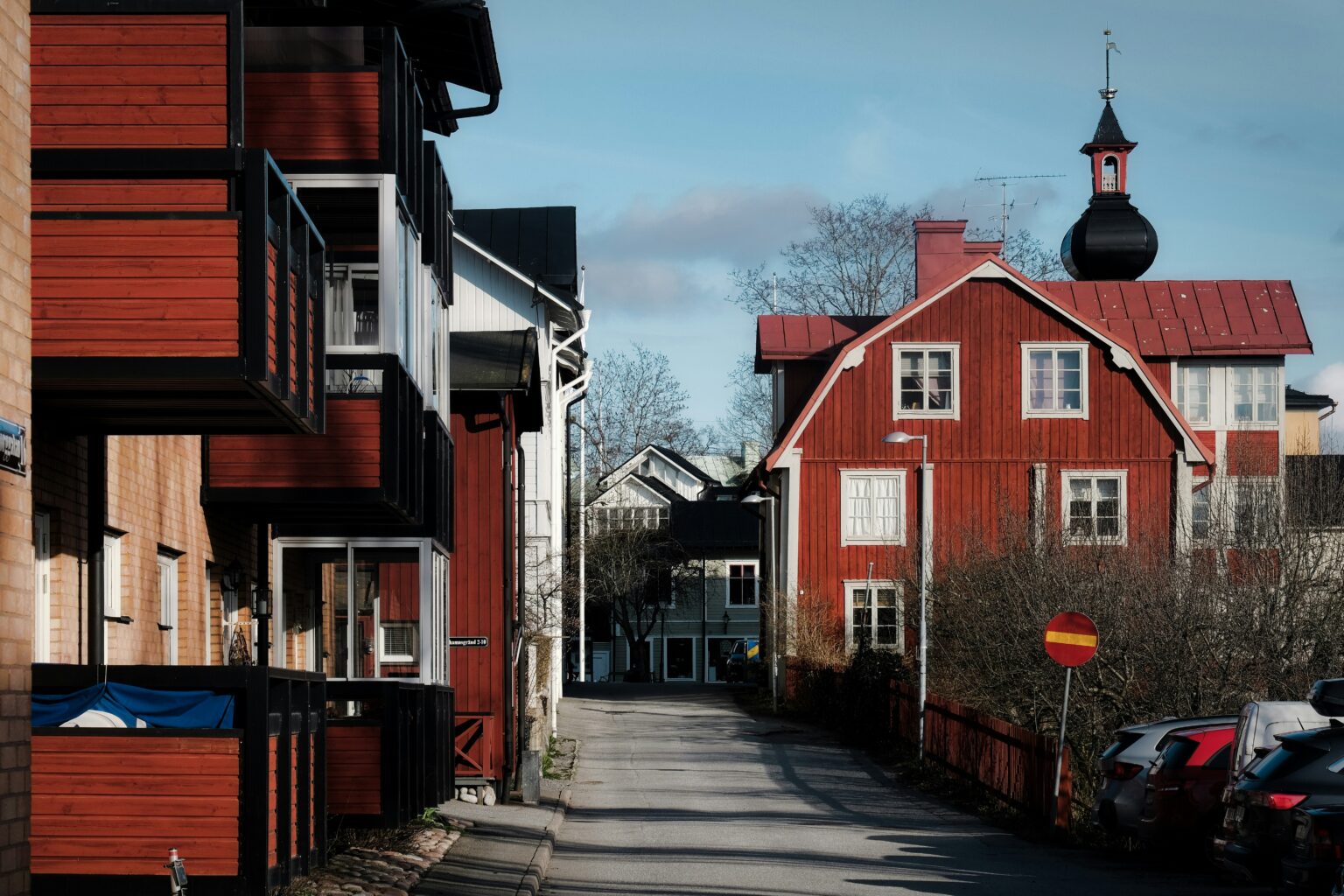

Scandinavia is an expansive peninsula encompassing Denmark, Norway, Sweden and parts of Finland, sharing many cultural and linguistic similarities as well as comprehensive welfare systems.
From Norway’s fjord-dotted west coast to Denmark’s lush forests, these landscapes tell a compelling narrative of regions where nature is revered.
Design
Scandinavian design embodies warmth, functionality, and natural materials to create a warm and cozy ambience in any home while supporting sustainable lifestyle practices. Scandinavians have an extensive tradition of designing their own houses, public buildings, products, as well as training architects and designers through both theory and praxis, which has resulted in them developing an elegant style which is both beautiful and functional.
Scandinavians employ a neutral color palette to create an illusion of space and calm, using soft textiles such as wool blankets and woven rugs to add coziness and texture. Wood furniture also plays a pivotal role in this style of decor; by combining multiple materials you can easily replicate its look within your own home.
Scandinavian design often emphasizes natural lighting. Large windows and open floor plans are employed to maximize natural illumination of rooms, creating an illuminating atmosphere in each space.
Scandinavian design goes beyond using natural light by emphasizing sustainability. This includes choosing natural materials that are biodegradable or renewable as well as reducing waste production and recycling energy usage to minimize its environmental footprint.
No matter your goal – from adding Scandinavian style to your home or gaining insight into Scandinavian culture – there are numerous ways you can integrate it into your daily life. Starting by purchasing locally-made goods or even trying your hand at DIY decor projects; joining local communities; becoming involved with political processes; or simply enjoying one of Stockholm’s many cafes as ways of exploring.
Lifestyle
Nordic countries offer much to their citizens – from breathtaking coastal scenery and Viking history, to progressive values on work-life balance and social equality. Perhaps what distinguishes Sweden, Norway and Denmark as some of the happiest nations worldwide is their holistic approach to living – particularly with regards to lifestyle philosophies like Hygge or Lagom becoming popular worldwide and inspiring more balanced, healthy and fulfilling lives for their inhabitants.
Hygge, or cozy and inviting atmospheres that promote community and well-being, have quickly become popular lifestyle trends in the US over recent years, from snuggling under a blanket with hot chocolate to taking time out with loved ones to connect.
One Scandinavian philosophy known as lagom (which translates to “just the right amount”) encourages moderation in all aspects of life – from eating and drinking, working, exercising and socialising. Studies have proven this approach improves overall happiness while decreasing burnout risk.
Scandinavians are well known for their environmental awareness and bicycle culture. Even during harsh weather, you’re likely to see people cycling around town or out in nature. Additionally, Scandis prioritize their health by eating nutritious food and exercising regularly – as well as prioritizing personal time and leisure activities; Scandis are often known to give generous tips when dining out or sharing public transportation – this generosity stems from their concept of janteloven which emphasizes individual sacrifice for collective good.
Food
Since medieval times, Scandinavia’s climate has played an essential role in its cuisine. Cold winters were unavoidable; to stay alive during these drab months people depended on warming foods like fish, smoked meats and vegetables that provided nourishment during this long cold spell. As a result, “farmers’ food” (husmanskost) emerged – simple dishes prepared quickly that provided easy digestion while providing nutrients-rich nourishment.
Today, many of these traditions still reside strongly within Nordic cuisine. With an emphasis on locally-sourced ingredients such as seafood and Nordic produce renowned for its freshness and taste, you will also find reindeer meat on menus offering its distinctive taste as an option.
Experience the delicious flavors and culinary traditions of Scandinavia by trying it for yourself! Below we have highlighted a few popular Scandinavian foods to get you started.
Bruna bonor med flask, or Bruna bonor with flask, is a traditional Swedish dish composed of brown beans cooked in syrup and vinegar, creating an extremely filling combination of sweet, sour, and salty flavors that may not appeal to everyone’s palate; nonetheless it can be found at most lunch restaurants across Sweden.
Palt is another deliciously unique Scandinavian dish. This potato dumpling stuffed with meat or vegetables and served with lingonberry jam is often one of my favourites, while another must-try snack is Kanelbullar; this cinnamon bun-like treat should definitely not be overlooked! For something truly exceptional in Scandinavia’s north regions try Arctic cloudberry (multe), an unusual hybrid fruit which combines tart and sweet flavors for an exquisite luxury treat.
Music
Scandinavian folk music is an integral component of Nordic cultural identity. One such early musical form can be found in Denmark and Sweden: the bronze-age natural horn called lur, found in bogs across Denmark and Sweden and thought to have originated this musical tradition. Nowadays, you may still hear them being played during events like Vestfold’s Viking Day Celebration where these traditional instruments may still be heard being played!
The kulning, a Swedish flute with eight or nine strings, is also an important instrument. Grieg and his contemporaries incorporated this instrument into their compositions for this composition style called Stev, featuring verses with specific rhythm and rhyme schemes.
Contemporary Nordic musicians of the 21st century have drawn from folk tradition for inspiration when creating music of their own. Artists like Bjork and Icelandic band Boncyan are examples of artists who have combined these elements with modern pop genres such as neo-soul while still maintaining their individual styles.
Other Scandinavian musicians who have had great success with popular music include Europe, Roxette, Madleen Kane, and the Cardigans. Recently popular Swedish acts such as Robyn and Oh Land have attained international renown thanks to their classical pop and synth-pop sounds.
Scandinavian musicians such as iamamiwhoami and Spaelimenninir are widely revered for their innovative sounds and artistic activism. Additionally, iamamiwhoami has used her YouTube channel to voice political sentiments while Spaelimenninir is well known for his shamanistic dance moves – take a listen to some of their music to understand why these performers have such widespread popularity!
Culture
Denmark, Finland, Iceland, Norway and Sweden share a rich cultural history and traditions that distinguishes their Scandinavian culture. These characteristics include strong welfare models, shared languages and histories as well as similar cultural norms and norms that exist between all five nations. Scandinavian nations are also widely acclaimed for their minimalist and mid-century designs aesthetics.
These unique cultures have fostered a sense of community among its citizens, contributing to an unparalleled level of social trust in this region. As a result, citizens feel an overwhelming sense of responsibility toward society as seen through high levels of civic participation, social activism and charity programs.
Scandinavian societies tend to be family-centric, with strong respect for privacy and individual autonomy. Widespread secularization, rapid modernization and welfare provision has freed people from traditional societal constraints more so than other societies – leading them to focus inward while welcoming new ideas and people more readily than other societies do.
Scandinavians may appear self-absorbed, yet they are active global citizens who strive to protect the environment and improve human wellbeing worldwide. Their peacekeeping missions in Third World regions have proved crucial, while they are highly engaged members of the EU.
Scandinavian culture is highly collaborative, while also being values-driven and striving to act with good manners. Peer to peer (and any-to-anyone) recognition can help reinforce these positive workplace traits and build transparency, increasing employee relationships while building trust within this consensus-driven atmosphere.