



Quick Answer
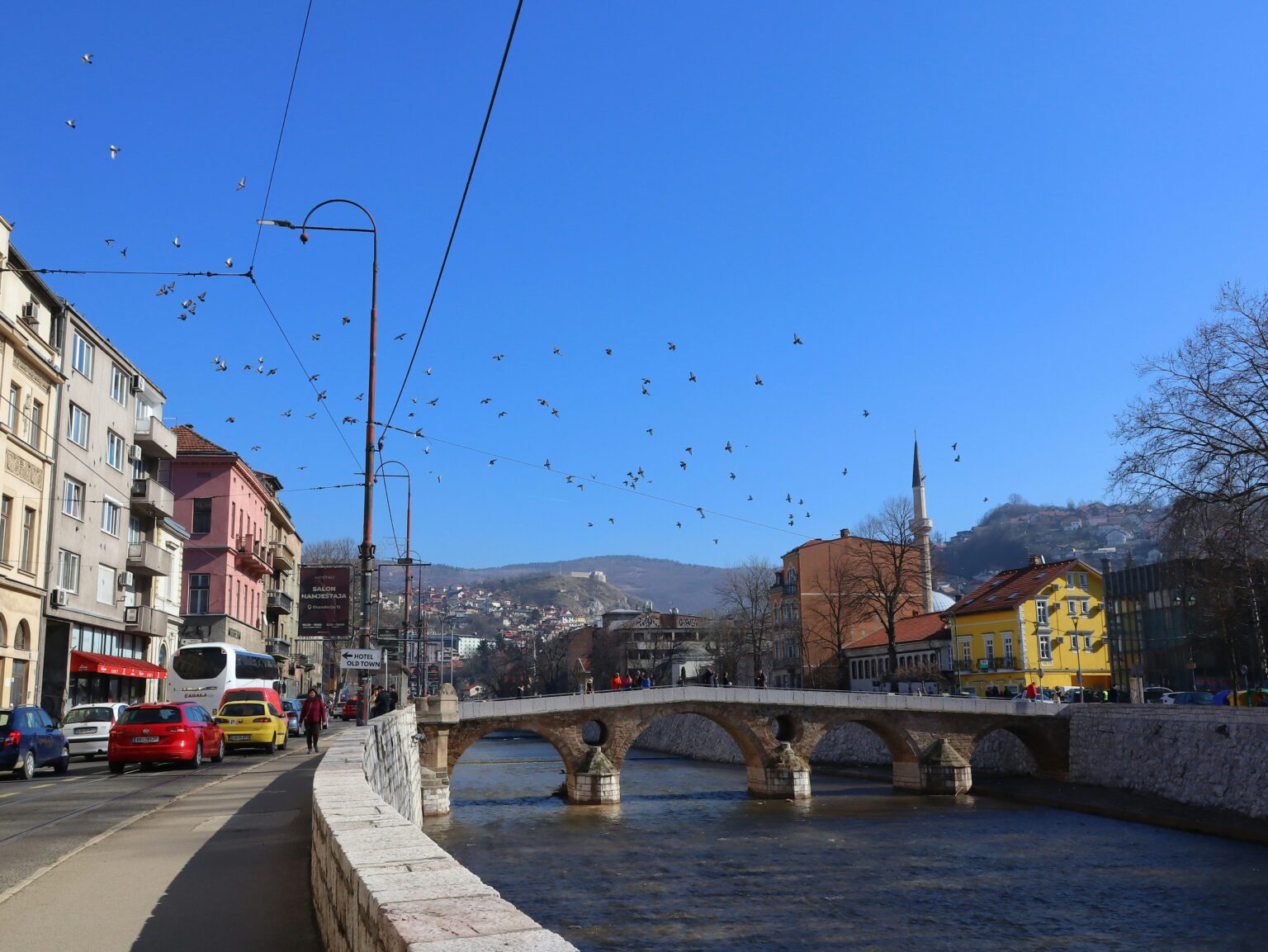
Sarajevo is the capital of Bosnia and Herzegovina — population 343,000, the only European capital where Catholic, Orthodox, Muslim, and Jewish places of worship sit within walking distance. Where East meets West — Ottoman + Habsburg + Yugoslav + post-war architecture coexist. Top things to do: Baščaršija (Ottoman Old Bazaar 15th century, Sebilj fountain, čevapi grills), Latin Bridge (where Archduke Franz Ferdinand was assassinated 1914 — sparked WWI), Sarajevo City Hall (Vijećnica) (1896 Moorish Revival, burned 1992 siege, restored), Tunnel of Hope (Tunel Spasa) (800m war tunnel under airport — 1992-1995 lifeline), Gazi Husrev-bey Mosque (1531 Ottoman gem), Yellow Fortress (Žuta Tabija) (sunset views), Sarajevo Roses (red-painted mortar shells memorials), Galerija 11/07/95 (Srebrenica memorial). Days needed: 2-3. Best time: May-October. Currency: Convertible Mark (BAM, KM) — €1=1.95KM. Budget: €40-80/day budget, €70-120 mid-range. Cheap excellent food.
Why Sarajevo is special
- “Jerusalem of Europe”: only city where mosque, Catholic + Orthodox cathedrals, and synagogue in walking distance.
- Layered history: Roman + Bosnian medieval + Ottoman 1463-1878 + Austro-Hungarian 1878-1918 + Yugoslav + post-war 1992-1995.
- WWI started here: Archduke Franz Ferdinand assassinated by Gavrilo Princip June 28, 1914. Latin Bridge.
- 1984 Winter Olympics: hosted by Yugoslavia. Olympic Stadium, Igman + Bjelašnica mountains.
- Siege of Sarajevo (1992-1995): longest siege of any capital in modern war (1,425 days). 11,000+ civilian deaths. Survived through Tunnel of Hope.
- Cosmopolitan resilience: citizens still proud of multicultural heritage despite war’s destruction.
Baščaršija (Old Bazaar)
- Founded 15th century: Ottoman quarter. Largest in former Yugoslavia.
- Sebilj Fountain: 1753 wooden fountain in Pigeon Square. Iconic centerpiece.
- Cobbled streets: Kazandžiluk (coppersmiths), Sarači (saddle-makers), Kovači (blacksmiths). Trades preserved.
- Bezistan covered markets: Brusa, Gazi Husrev-bey. Ottoman shopping galleries.
- Coffee culture: Bosnian coffee in džezva (small copper pot) with rahat lokum (Turkish delight). Slowly sipped.
- Souvenirs: hand-hammered copper coffee sets, hand-woven kilim rugs, woodwork.
- Restaurants: Buregdžinica Sač (best burek pastry), Cevabdžinica Petica Ferhatović, Dveri.
WWI heritage — Latin Bridge area
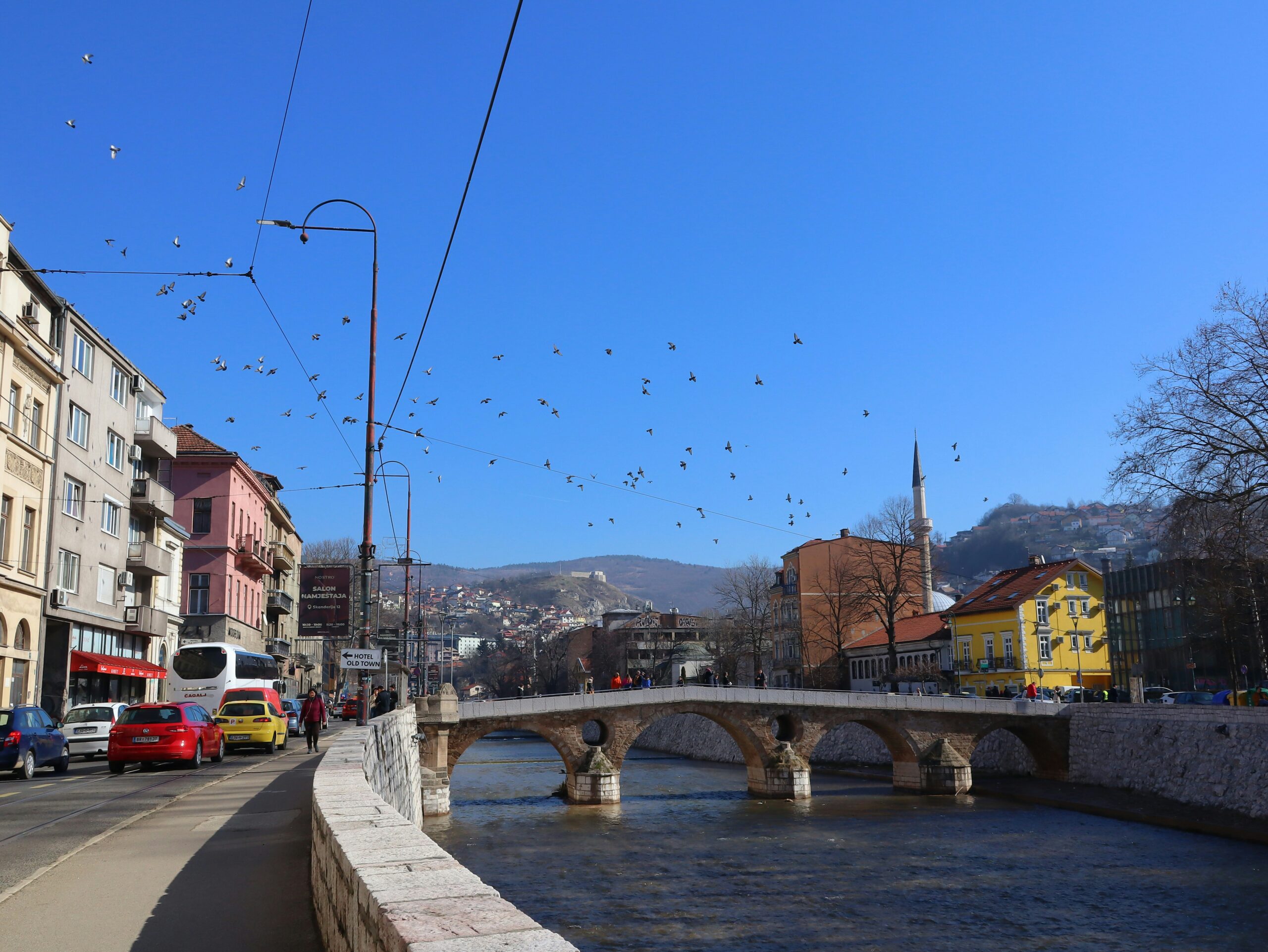
- Latin Bridge (Latinska Ćuprija): Ottoman bridge 1798. Northern corner = exact spot of June 28, 1914 assassination.
- Museum of Sarajevo 1878-1918: at the corner. Photos, automobile replica, exhibition. €4.
- Old plaque: Yugoslav-era praised Princip as freedom fighter. Modern plaque is more neutral — “this place… a great event in world history.”
- Princip’s footsteps: exact concrete prints removed during 1990s Bosnian War.
- Walking tour: “From Murder to War” 2-hour tours follow assassination route.
- Implications: assassination triggered WWI cascading alliances. 17 million dead. Reshaped 20th century.
Habsburg-era Sarajevo
- City Hall (Vijećnica): 1896 Moorish Revival masterpiece. Burned in 1992 — 2 million books destroyed (National Library). Reopened 2014. €5 entry.
- Sacred Heart Cathedral (Catholic): 1889 neo-Gothic. Pope John Paul II celebrated mass here 1997.
- Cathedral of Nativity (Orthodox): 1872. Largest in Western Balkans.
- Old Synagogue (Stari Hram): 1581 — oldest in BiH. Now Jewish museum.
- Markale Market: Habsburg-era market. Site of two 1994-1995 massacres during siege.
- Hotel Europe: 1882 grand hotel. Habsburg-era luxury.
- Government Building (Predsjedništvo): Austro-Hungarian Foreign Ministry building.
Siege heritage (1992-1995)
- Tunnel of Hope (Tunel Spasa): 800m tunnel under Sarajevo Airport — only siege lifeline. Now 25m preserved as museum. €5. Outside city centre — taxi 25min.
- Sniper Alley (Zmaja od Bosne street): main road. Bosnian Serb snipers killed 225 here.
- Holiday Inn: yellow building hosted journalists during siege. Many killed nearby.
- Sarajevo Roses: red resin-filled mortar craters in pavements. Memorials wherever 3+ people died. Still visible.
- Galerija 11/07/95: Srebrenica massacre memorial. 8,372 Bosniak men + boys killed July 1995. Free.
- Historical Museum BiH: Yugoslav + war exhibits. €5.
- Children Killed in Siege Memorial: Veliki Park. 1,601 names.
Views + outdoors
- Yellow Fortress (Žuta Tabija): Ottoman fort. Best sunset views over city. Walk up 25 min from Old Town.
- White Fortress (Bijela Tabija): larger fort above. Hike further.
- Trebević Mountain: 1,627m. Cable car (Trebevićka Žičara) restored 2018. €15 round trip. Bobsled track ruins from 1984 Olympics.
- Avaz Twist Tower: 176m skyscraper. Observatory €5.
- Olympic Mountains: Bjelašnica + Igman + Jahorina (in Republika Srpska entity). Skiing winter, hiking summer.
- Vrelo Bosne springs: source of Bosna River. 30-min tram + walk. Popular Sunday outing.
Bosnian food
- Ćevapi (čevapčići): minced beef-lamb finger sausages. Grilled. Served with somun bread, raw onion, kajmak (cream). 5 ćevapi €4.
- Burek: filled filo pastry. Meat (burek), cheese (sirnica), spinach (zeljanica), potato (krompiruša). €2-3.
- Pita: Bosnian phyllo pies, smaller than burek.
- Sogan dolma: stuffed onions with meat.
- Begova čorba (Bey’s soup): chicken + okra soup.
- Tufahija: walnut-stuffed apple in syrup.
- Baklava: Ottoman pastry.
- Bosanska kafa: Bosnian coffee — finely ground unfiltered, in džezva pot, with sugar cube + Turkish delight + water.
- Rakija: fruit brandy 40-50%. Šljivovica (plum) traditional.
Practical info
- Getting there: Sarajevo Airport (SJJ) small but flights from Vienna, Istanbul, Belgrade, Frankfurt. Trains limited. Buses from Mostar (2h), Belgrade (8h), Dubrovnik (5h).
- Currency: Convertible Mark (BAM/KM) pegged 1:1.95 to Euro. Euros sometimes accepted in tourist areas.
- Visas: visa-free for EU/US/UK/most Western countries up to 90 days.
- Languages: Bosnian, Croatian, Serbian (essentially same with regional names). English in tourism.
- Best time: May-October. Avoid winter except for skiing (Olympic mountains).
- Safety: very safe. Watch landmines in remote countryside (marked).
- Public transport: trams + buses. €1 ticket. City compact, mostly walkable.
- Tip: Free walking tours daily Sarajevo Walking Tours. Excellent context.
Frequently Asked Questions
Top 5 things to do in Sarajevo?
1. Baščaršija Old Bazaar (Ottoman quarter, čevapi). 2. Latin Bridge (WWI assassination spot). 3. Tunnel of Hope (siege lifeline). 4. Yellow Fortress sunset views. 5. City Hall (Vijećnica). Add Galerija 11/07/95 Srebrenica memorial.
How long for Sarajevo?
2-3 days minimum. Day 1: Baščaršija + Latin Bridge + Cathedral + Synagogue + City Hall. Day 2: Tunnel of Hope + Sarajevo Roses + Galerija 11/07/95. Day 3: Yellow Fortress + Trebević cable car + day trip.
Sarajevo safe?
Yes — very safe city now. Watch out for landmines only in remote countryside (well-marked). Tourism well-developed since 2000s. Friendly locals.
Why called ‘Jerusalem of Europe’?
Only European capital where Catholic cathedral, Orthodox cathedral, mosque, and synagogue sit within walking distance — historically. Multi-religious coexistence over centuries.
Sarajevo vs Mostar?
Sarajevo: bigger capital, more layered (Ottoman + Habsburg + war). Mostar: smaller, iconic 1566 bridge, Ottoman feel, easy day trip from Croatia coast. Both 2-3 days each ideal.
Best Bosnian food try?
Ćevapi (grilled minced meat sausages with somun + onion). Burek (filo pastry, meat or cheese). Bosnian coffee in džezva. Rakija plum brandy. Try Cevabdžinica Petica Ferhatović or Sač for ćevapi.
Recommended on Amazon
As an Amazon Associate, grandgo.com earns from qualifying purchases. Links below are affiliate links — clicking them may earn us a small commission at no extra cost to you. Prices and availability are shown on Amazon.co.uk.
- Lonely Planet Western Balkans — comprehensive guide.
- Bosnian phrasebook — travel essentials.
- European travel adapter — multi-country plug.
See also
Related Guides
- Turkish Airlines Baggage, Check-In + Boarding Guide — Airline guide