


Last updated: April 2026. Spain is the world’s second-most-visited country and Europe’s single most popular holiday destination, drawing roughly 94 million international tourists in 2024 (the most recent full year with audited figures) who spent around €126 billion. But Spain isn’t one country; it’s a patchwork of fiercely different regions, and every European nationality goes somewhere slightly different for slightly different reasons. This guide maps who goes where, and why.
Quick answer — where each nationality goes in Spain
British and Irish visitors overwhelmingly pick the Costa del Sol, Costa Blanca, Mallorca and Tenerife — English-speaking resorts and guaranteed sun.
German visitors are culturally fixed on Mallorca, dubbed Germany’s unofficial 17th state, plus the Canaries for winter.
French visitors drive across the border to Catalonia, Barcelona and the Costa Brava.
Italian, Dutch and Nordic visitors split between city breaks (Barcelona, Madrid) and winter sun in the Canary Islands.
Eastern European visitors are the fastest-growing market, heading mainly to the Canary Islands and Costa del Sol.
Key takeaways
- Spain welcomed ~94 million international tourists in 2024 and collected ~€126 billion in tourism spending — records on both counts.
- British visitors are still #1 (18.4M arrivals, €22.6B spent), with French (#2) and Germans (#3) close behind.
- Tourism spending is rising faster than arrivals — the Spanish government is deliberately shifting toward longer-stay, higher-spending travellers.
- Each European market has a clearly preferred region: the Costa del Sol for Brits, Mallorca for Germans, Catalonia for the French, the Canaries for Nordics and the Dutch.
- Eastern Europe (Czechia, Poland) is the fastest-growing source market, with flight capacity up 15–40% year on year.
Spain tourism in 2026: the state of play
Before the destination detail, a short look at the scale. Spain’s tourism economy has not only recovered from the pandemic — it has resettled at a higher, more profitable baseline than ever before. Three numbers matter for planning a trip in 2026.
Spain by the numbers: a tourism superpower
According to Spain’s National Statistics Institute (INE), the country received over 85 million international tourists in 2023 and then close to 94 million in 2024. In the first seven months of 2024 alone, Spain took in 53.4 million international arrivals (+12% year on year) and €71.2 billion in visitor spending (+18.6%). Tourism now contributes more than 12% of Spain’s GDP.

Spending is growing faster than arrivals — a 12% rise in visitors but an 18.6% rise in expenditure. This gap is not inflation; it is the product of a deliberate policy pivot, stated explicitly by Minister of Industry and Tourism Jordi Hereu, to “improve the quality of tourism” by attracting visitors who stay longer and spend more. The most popular length of stay is now 4–7 nights, a category that grew 7.5% year on year in mid-2024.
For 2026 travellers this has one very practical consequence: expect higher prices at the top end (luxury hotel occupancy is strong), moderately higher prices on the flagship coasts, and new promotions pushing less-saturated inland and northern regions.
Table 1 · Spain’s top international tourist markets (full year 2024)
| Rank | Country | Arrivals (M) | YoY arrivals | Spending (€B) | YoY spending |
| 1 | United Kingdom | 18.4 | +6.6% | 22.6 | +13.5% |
| 2 | France | 12.9 | +10.3% | 11.0 | +13.1% |
| 3 | Germany | 11.9 | +8.6% | 15.5 | +17.6% |
| 4 | Italy | 5.4 | +12.2% | — | — |
| 5 | Netherlands | 4.8 | +10.6% | — | — |
| 6 | United States | 4.2 | +11.2% | — | — |
Source: Spain’s National Statistics Institute (INE) and Turespaña. Spending data is most reliably published for the top three markets.
Who goes where: a nationality-by-nationality breakdown
The regional map of Spain effectively splits into four holiday archetypes: the Anglophone resort coast, the German-dominated Balearics, the Franco-Iberian Catalan axis, and the winter-sun Canaries. Here is how each nationality sorts itself.
British holidaymakers: the Costas and the Balearic-Canary axis
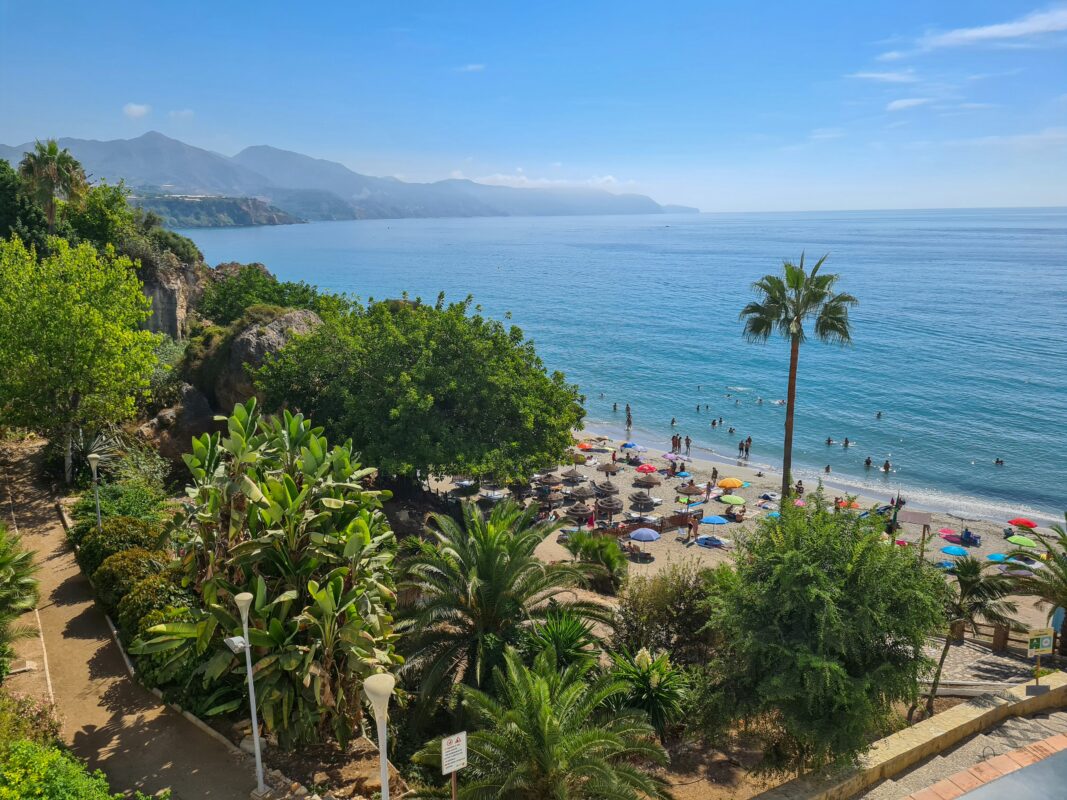
British visitors have been the bedrock of Spanish tourism for five decades — 18.4 million arrivals and €22.6 billion in spending in 2024 alone. Their destinations are concentrated along the southern and eastern coasts: the Costa del Sol (Marbella, Benalmádena, Torremolinos), the Costa Blanca (Benidorm, Alicante), the Balearic Islands (Mallorca, Ibiza) and the Canaries (Tenerife’s Costa Adeje).
The driver is what you might call the frictionless holiday: guaranteed sunshine, English-speaking services, familiar food and drink, and almost no cultural friction. Benidorm is only half-jokingly described as “a British town within Spain.” For time-pressed British workers, Spain on the Costas is a pure recovery destination — low effort, high sun.
German visitors: Mallorca, “the 17th state”
Germans are the third-largest group of visitors (11.9 million in 2024, €15.5 billion spent), but their choice is uniquely concentrated. One destination dominates: Mallorca, half-jokingly called Germany’s “17th state” (Das 17. Bundesland). The Canaries are a secondary winter option, but don’t carry the same cultural weight.
The relationship pre-dates mass tourism. German intellectuals found refuge on the island before World War II, and affordable 1970s package tours cemented it. Today, the resort of L’Arenal is effectively a German town: German-language menus, shops and signage, the “Ballermann” party culture with Schlager pop, German-run clubs like Megapark and Bierkönig, and flown-in German celebrities. Beyond the party zones, Mallorca also appeals to a broader, conservative German traveller type who values predictability.
French visitors: Catalonia, Barcelona and the Costa Brava
As Spain’s next-door neighbour, France is the second-largest source market: 12.9 million visitors and €11 billion spent in 2024. French travellers overwhelmingly pick Catalonia — the city of Barcelona and the ruggedly beautiful Costa Brava. The Balearics and Andalusia matter too, but ease of access gives the northeast a decisive edge.
Proximity is decisive. A large share of French tourists can drive to Spain, especially those living in Occitanie and Nouvelle-Aquitaine. Culturally, the bond is even tighter: Catalan culture and language do not stop at the political border, linking towns like Collioure (FR) and Cadaqués (ES) in a single shared identity.
Nordic and Dutch visitors: winter sun-seekers
For travellers from the Netherlands and the Nordics (Denmark, Finland, Iceland, Norway, Sweden), Spain is first and foremost a cure for the winter: the collective market is close to 10 million annual visitors. Their priority destinations are, in order, the Canary Islands (year-round warmth), the Costa del Sol, the Costa Blanca and the Balearics.
For the Dutch in particular the relationship has gone beyond holidays. Dutch citizens are now Spain’s seventh-largest group of foreign property buyers, and a growing share of arrivals stay in private rentals or owned second homes rather than hotels — a pattern visible in INE’s non-market-accommodation statistics.
Eastern European visitors: the fastest-growing market
The newest major growth source is Eastern Europe. Czechia and Poland are the standout markets, with 2025/2026 flight-capacity forecasts showing increases of 15% to more than 40% year on year. The Canary Islands are the primary draw — reliable winter sun, direct charter flights, a strong package-holiday offer — with a secondary interest in the Costa del Sol, including from Czech property buyers.
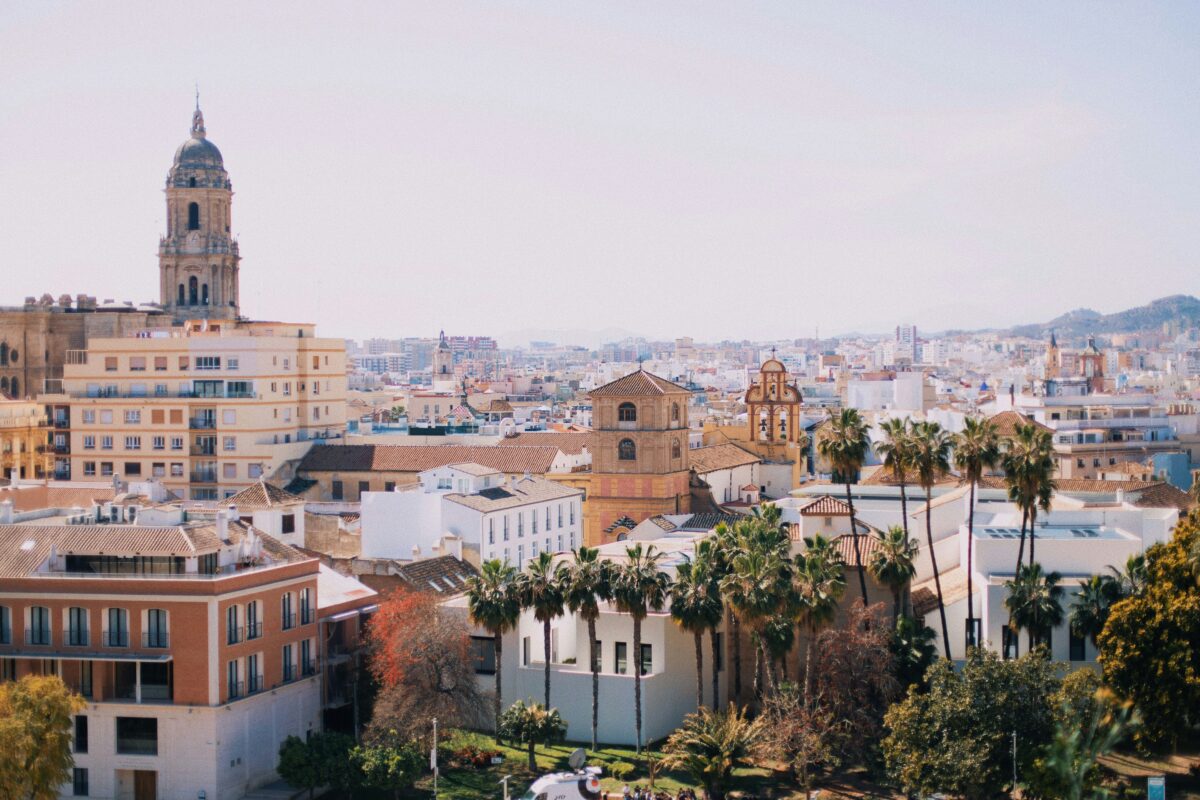
As disposable incomes rise across Central and Eastern Europe, Spain’s combination of reputation, value and aspirational appeal makes it a natural choice — this is the market segment Spain’s tourism board is courting most actively in 2026.
Spain’s regions: what each one is best for
Knowing who goes where is half the picture. The other half is knowing what each region is actually like on the ground. Below is a practical, bias-free profile of the five regions that absorb the overwhelming majority of international visitors.
The Balearic Islands: Mediterranean duality
Europe’s most hedonistic party destinations and its quietest coves sit a few kilometres apart in the Balearics. The archipelago — Mallorca, Menorca, Ibiza, Formentera — is a top-three Spanish destination and a magnet for German, British and French visitors.
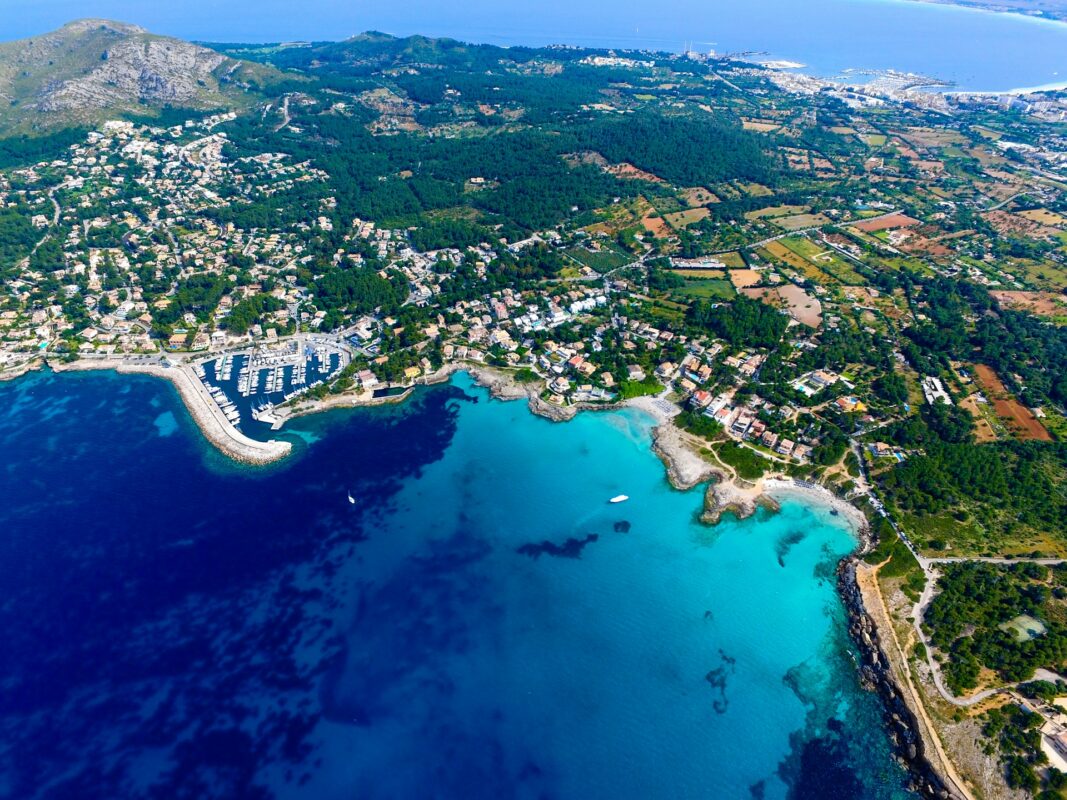
Mallorca: an island of two halves
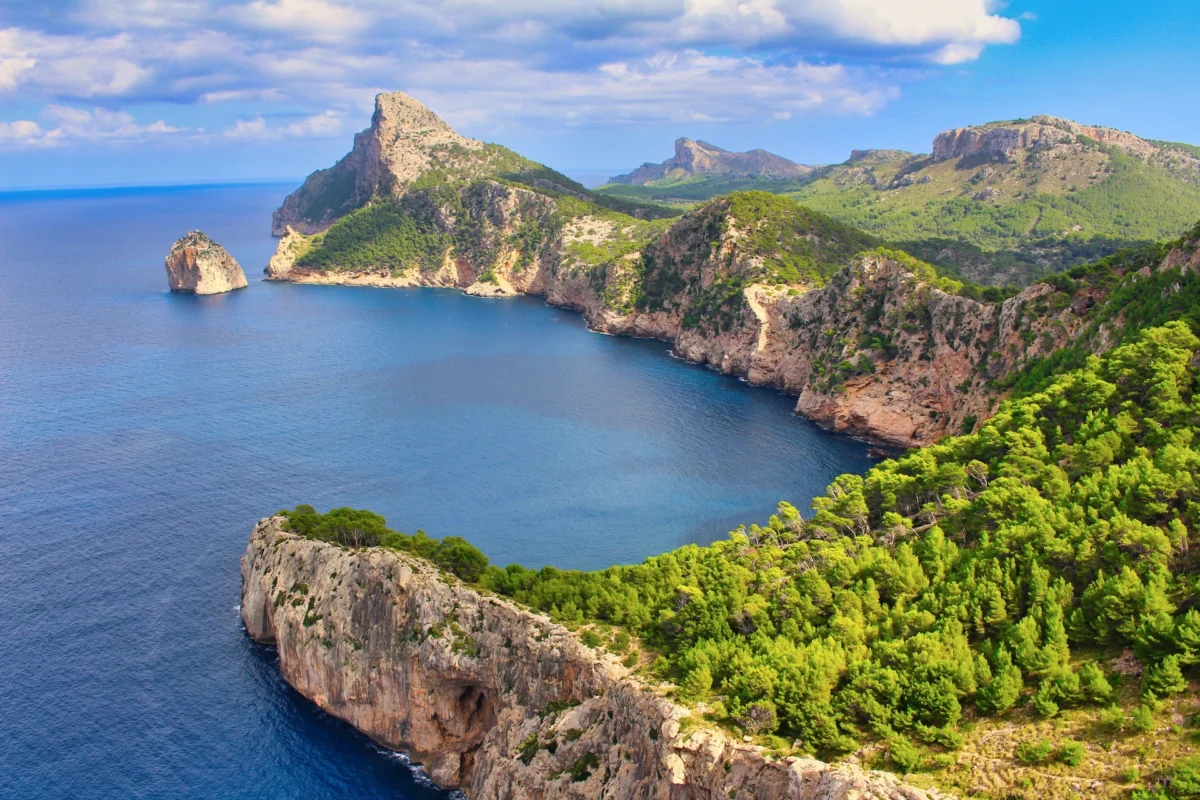
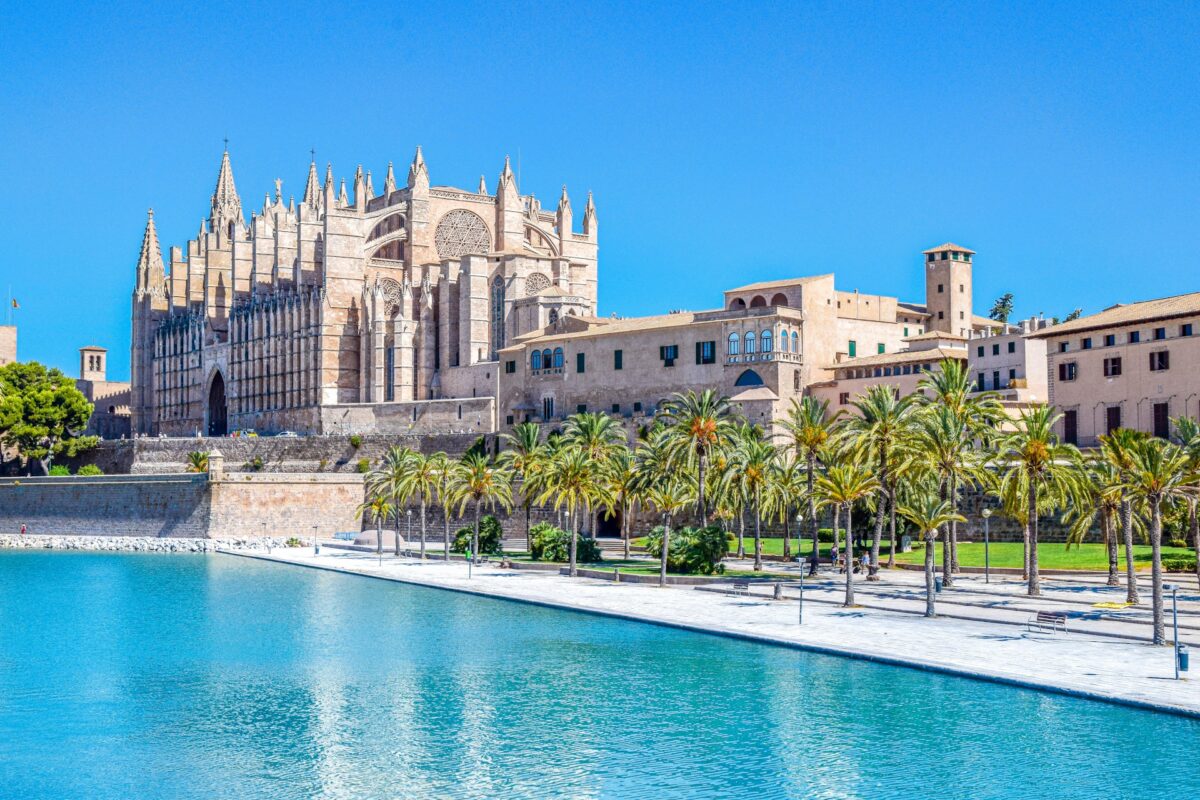
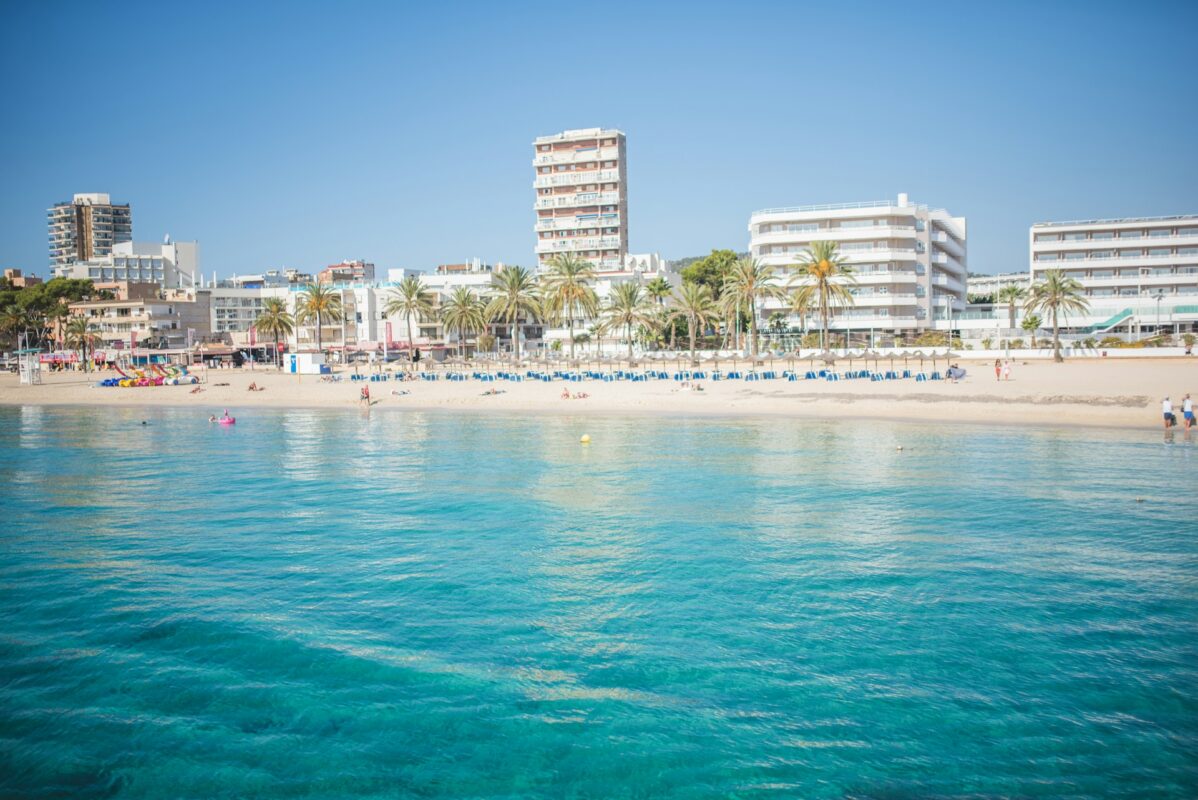
The largest island has a split personality. The southern resorts — L’Arenal, Magaluf — are high-energy party infrastructure built around the German and British mass market. Inland, you’ll find the Serra de Tramuntana (a UNESCO World Heritage mountain range), picture-perfect villages like Valldemossa, Deià and the port of Sóller (reachable on a vintage wooden train), and the sophisticated capital Palma with its Gothic cathedral La Seu.
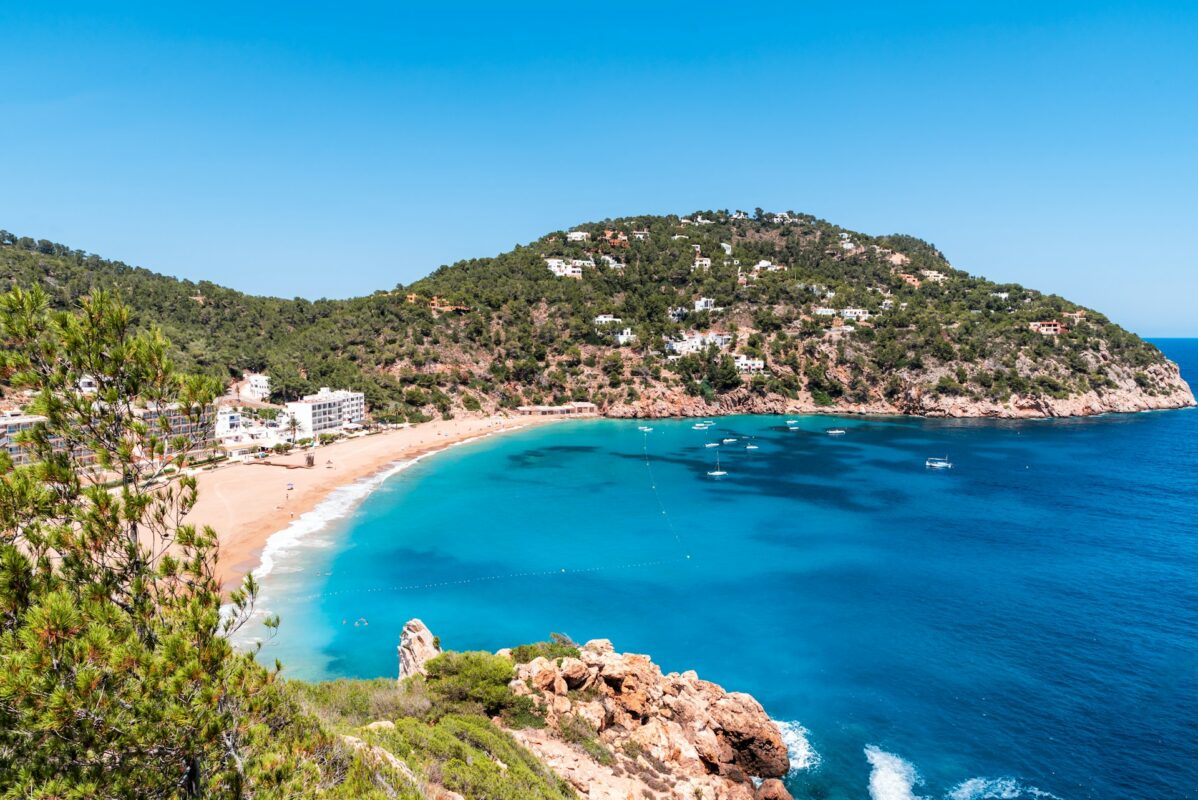
Ibiza: clubs and calm
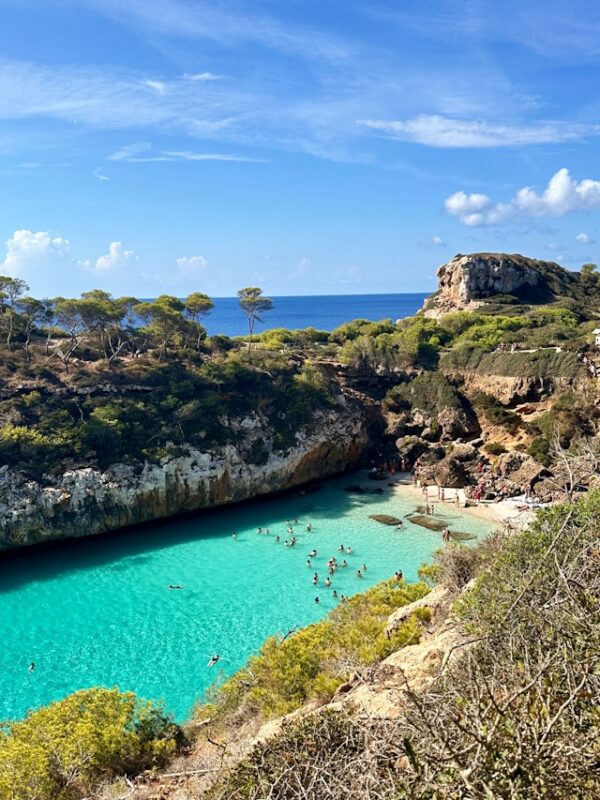
Ibiza is best known for its super-clubs in Playa d’en Bossa and San Antonio, but the “White Isle” has a quieter bohemian half — yoga retreats in the north, over 50 beaches including secluded Cala d’en Serra, and the fortified UNESCO old town Dalt Vila. Hippie markets and agroturismo farm stays co-exist with the club scene; it genuinely is possible to visit Ibiza and never see a nightclub.
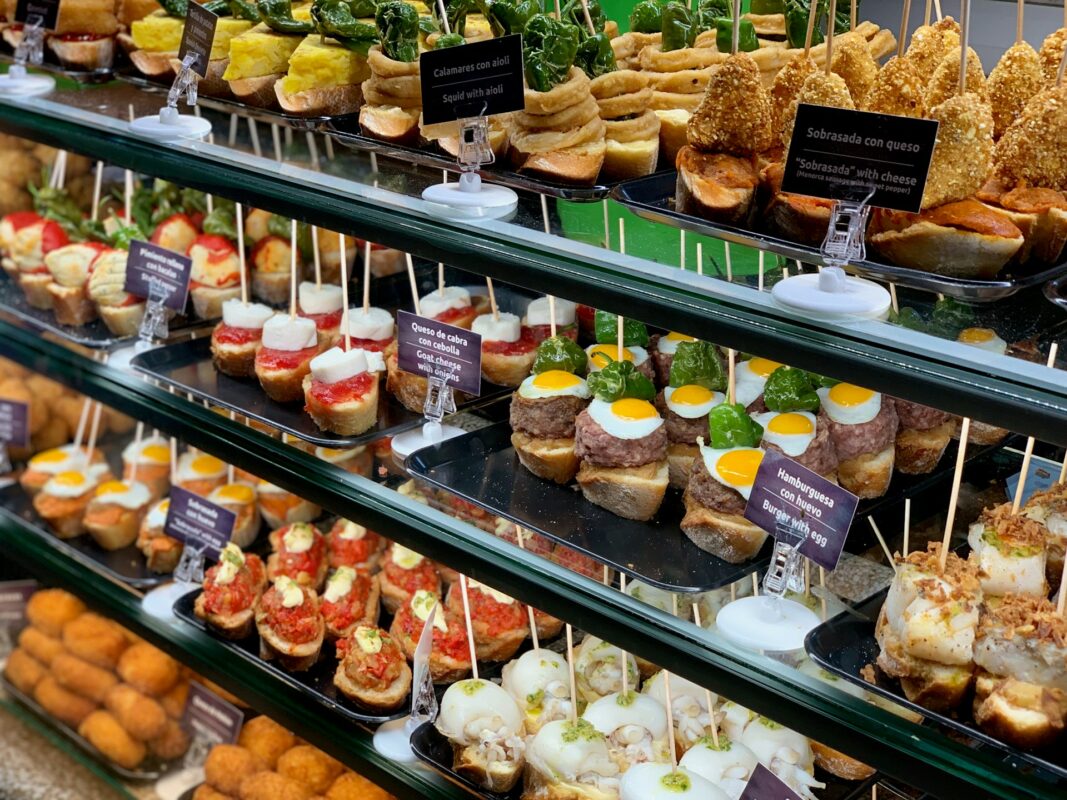
Balearic food highlights
- Ensaïmada — the islands’ signature spiral pastry, lard-based, dusted with sugar, best eaten for breakfast.
- Sobrassada — a soft, spreadable cured pork sausage seasoned with paprika.
- Tombet — layered potatoes, aubergine and red pepper baked in tomato sauce (vegetarian).
- Caldereta de Langosta — Menorca’s luxurious lobster stew.
The Canary Islands: eternal spring off the African coast
Off the north-west coast of Africa, the Canaries are a European destination with a subtropical climate. That makes them the default winter-sun pick for British, German, Nordic, Dutch and Czech visitors. Seven islands, but two dominate arrivals: Tenerife and Gran Canaria.
Tenerife: volcano, microclimates, marine life
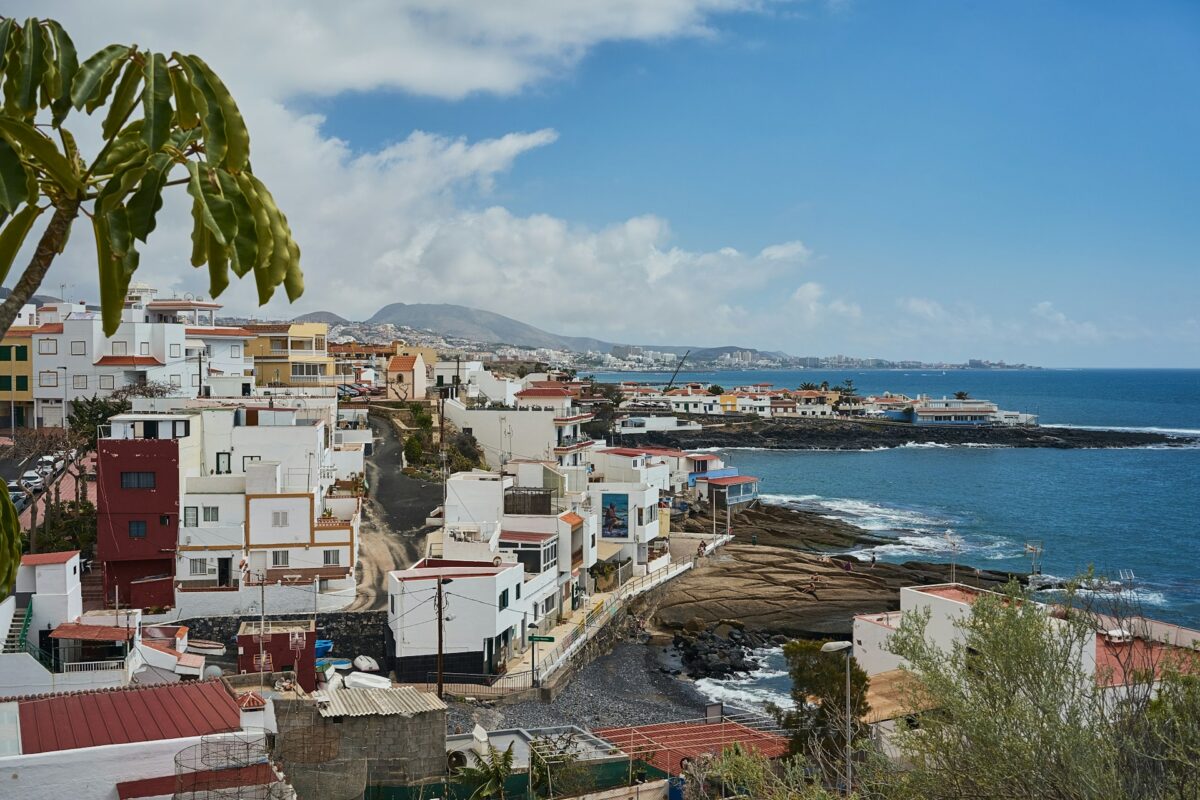
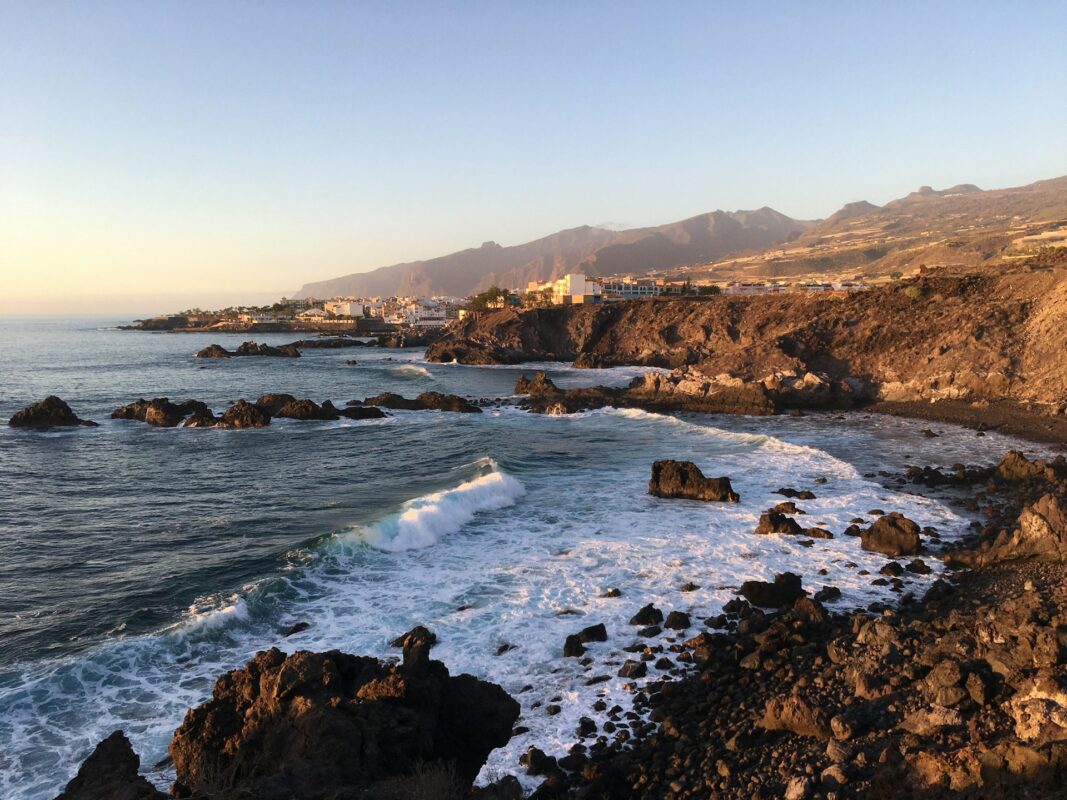
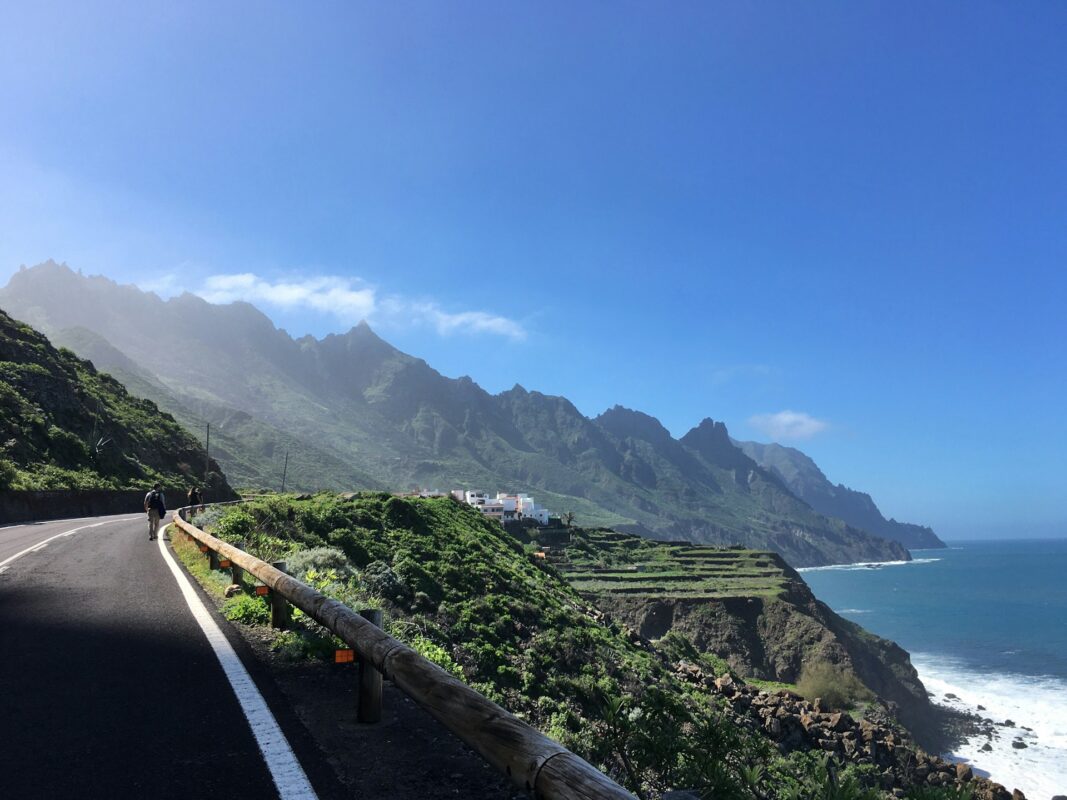
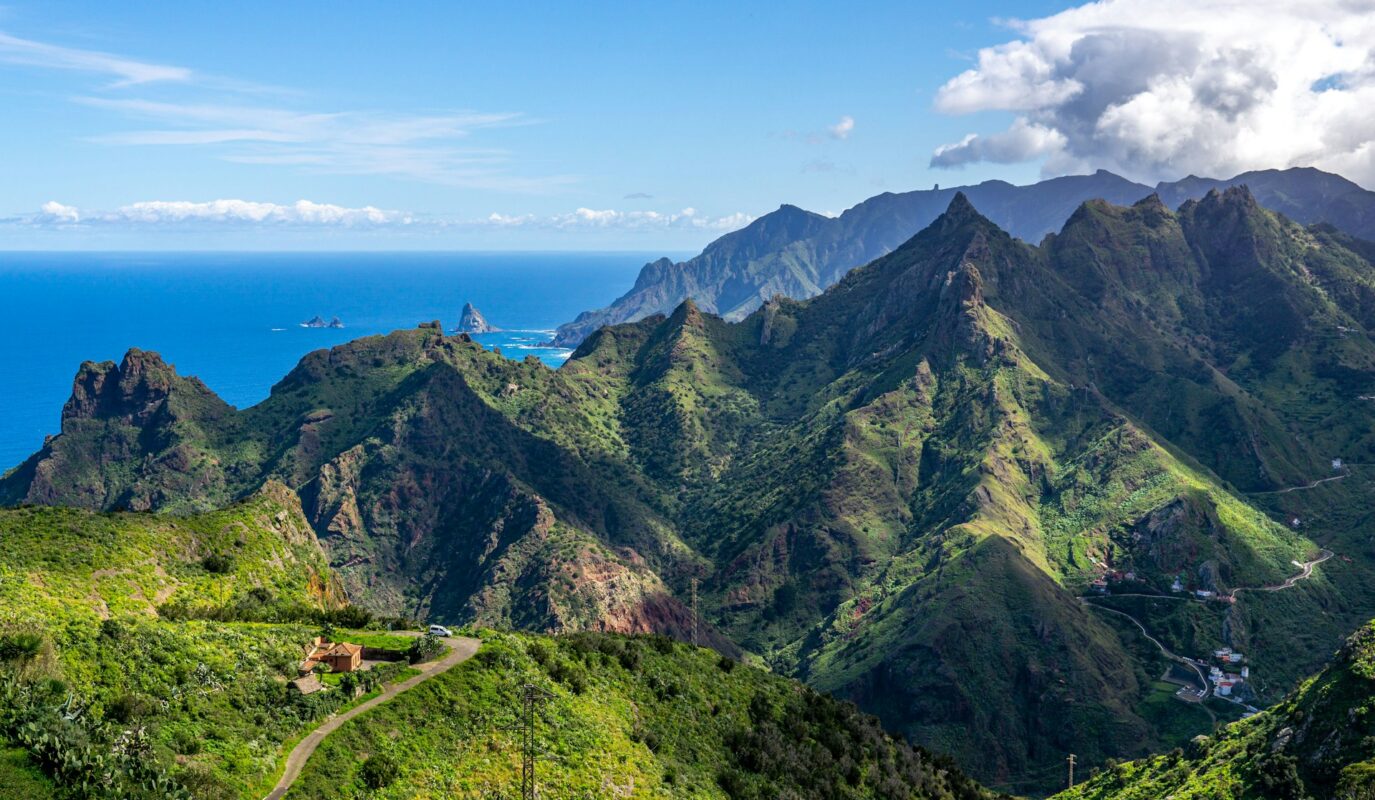
Tenerife is dominated by Mount Teide, Spain’s highest peak and the centre of a UNESCO-listed national park. Tenerife’s north is lush and green (Anaga Rural Park is a hikers’ paradise); the south is arid and hot, home to the resorts of Playa de las Américas and the upmarket Costa Adeje (a favourite with British travellers). The surrounding waters are a protected whale and dolphin sanctuary.
Gran Canaria: “a continent in miniature”
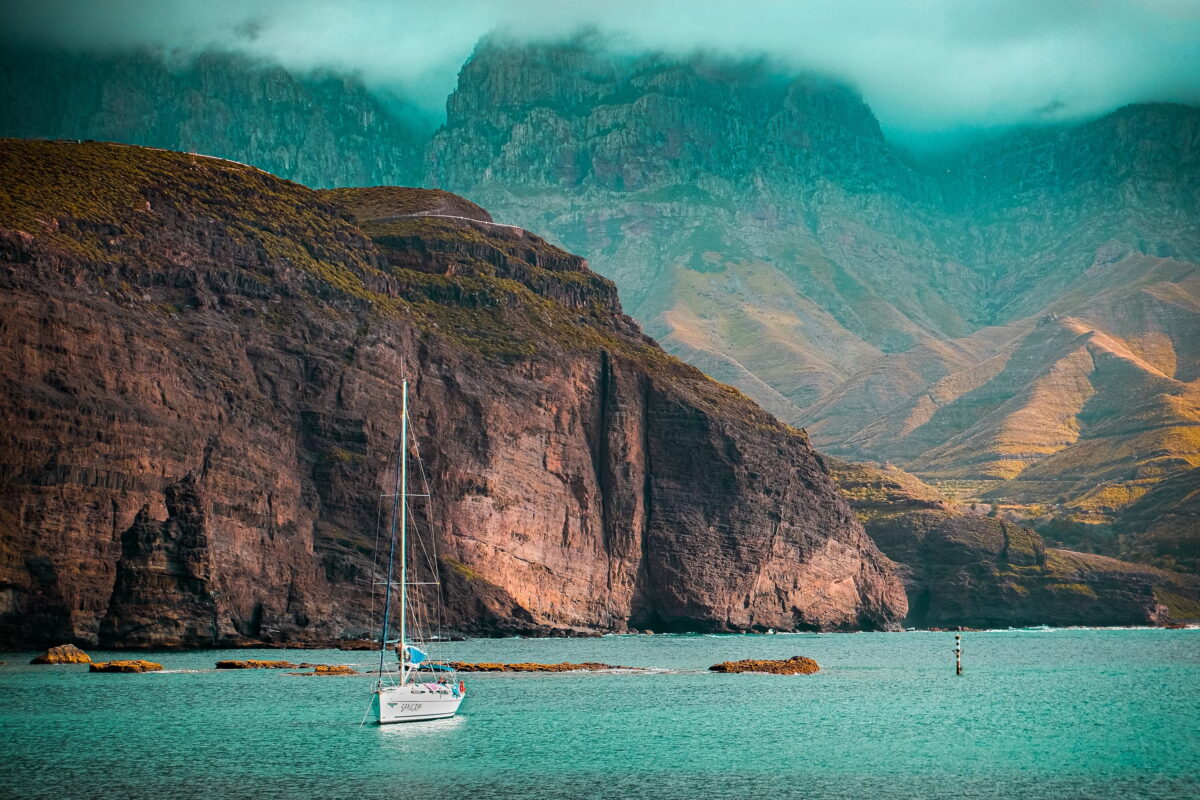
The island’s nickname is deserved. The south has the cinematic Dunes of Maspalomas and the main resorts of Playa del Inglés and Maspalomas. The interior is rugged mountain terrain crowned by Roque Nublo. The north is greener and cooler, with the capital Las Palmas de Gran Canaria and its three-kilometre urban beach Las Canteras — one of Europe’s best city beaches.
Canarian food highlights
- Papas arrugadas con mojo — small salt-boiled potatoes with red mojo picón and green mojo verde sauces.
- Gofio — toasted grain flour dating back to the pre-Hispanic Guanche people, used in stews and desserts.
- Quesos Canarios — the islands’ celebrated goat cheeses, including the protected Queso Majorero (Fuerteventura) and Queso Palmero (La Palma).
Andalusia: the Spain of the imagination
Flamenco, bullfighting, Moorish palaces, sun-bleached pueblos blancos. Andalusia is the culturally richest region in Spain, spanning the year-round-sun Costa del Sol and the inland cultural heavyweight cities of Seville, Granada and Córdoba.
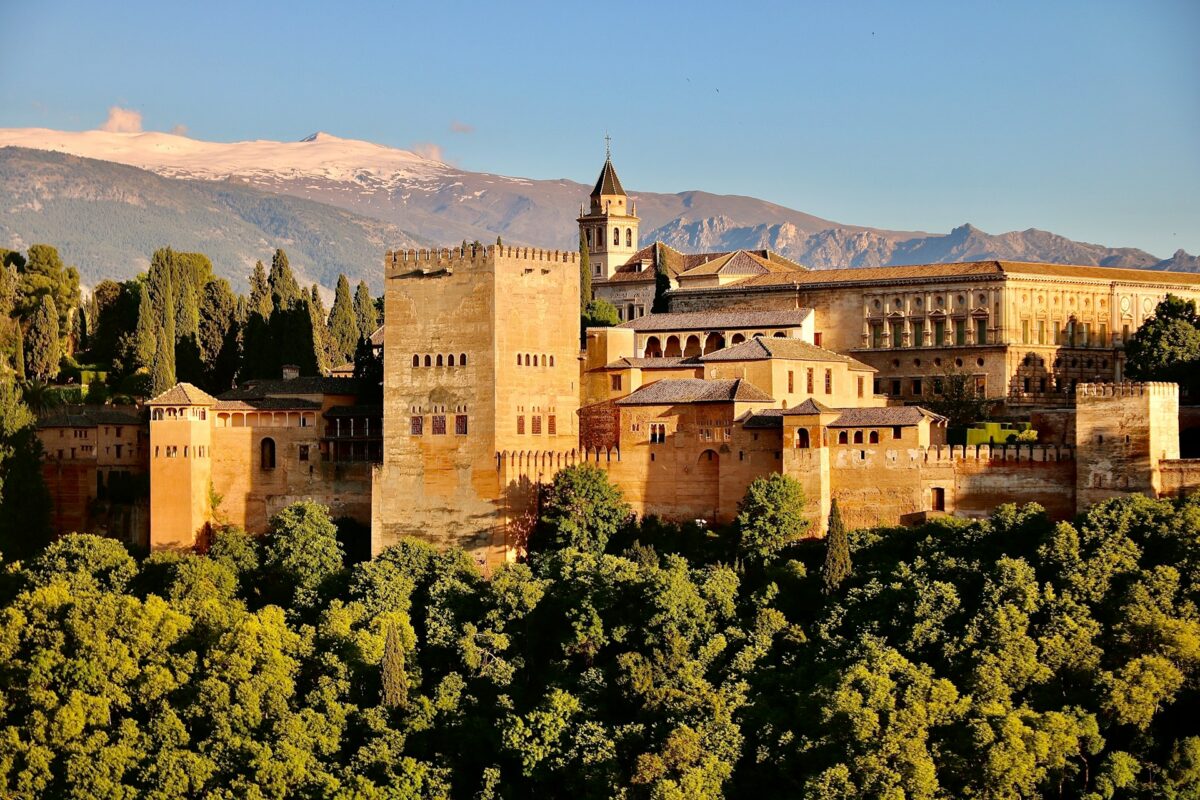
Costa del Sol: Europe’s premier beach resort coast
Fifty years as Europe’s top sun coast has produced a full spectrum: glamour in Marbella and Puerto Banús, family resorts in Fuengirola, Benalmádena and Torremolinos, over 70 golf courses (hence the nickname “Costa del Golf”), and the dramatic Caminito del Rey gorge walk for the adventurous. The white villages inland — Mijas Pueblo, Frigiliana, Casares — are an antidote to the high-rise coast.
Seville and Granada: the Moorish cultural core
Seville holds three UNESCO sites in one compact centre: the immense Cathedral with its bell tower La Giralda, the General Archive of the Indies, and the Real Alcázar royal palace (still used by Spain’s royal family). The Plaza de España and the Triana flamenco district complete the picture.
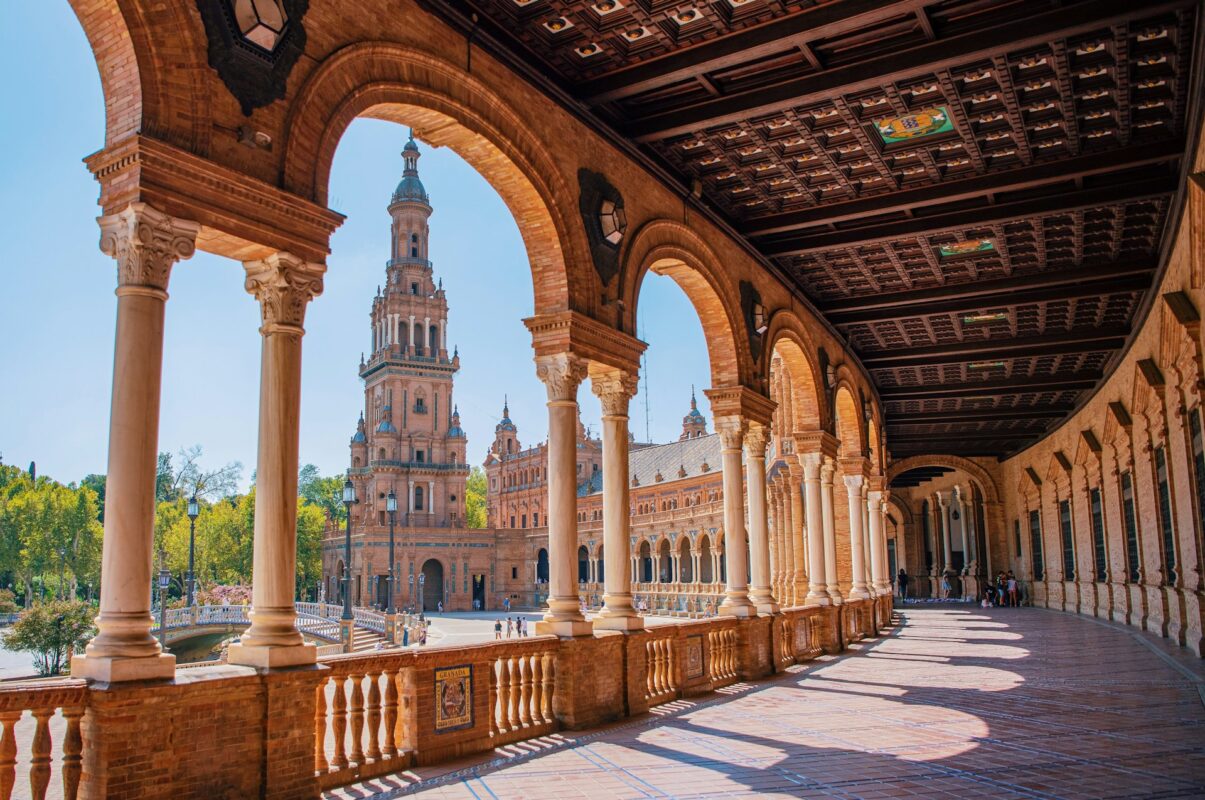
Granada, at the foot of the Sierra Nevada, holds the Alhambra — arguably Europe’s greatest Moorish monument. Book timed tickets well in advance; daily capacity is strict. Below the palace, the Albaicín old Arab quarter and the cave-dwelling Sacromonte flamenco neighbourhood are essential.
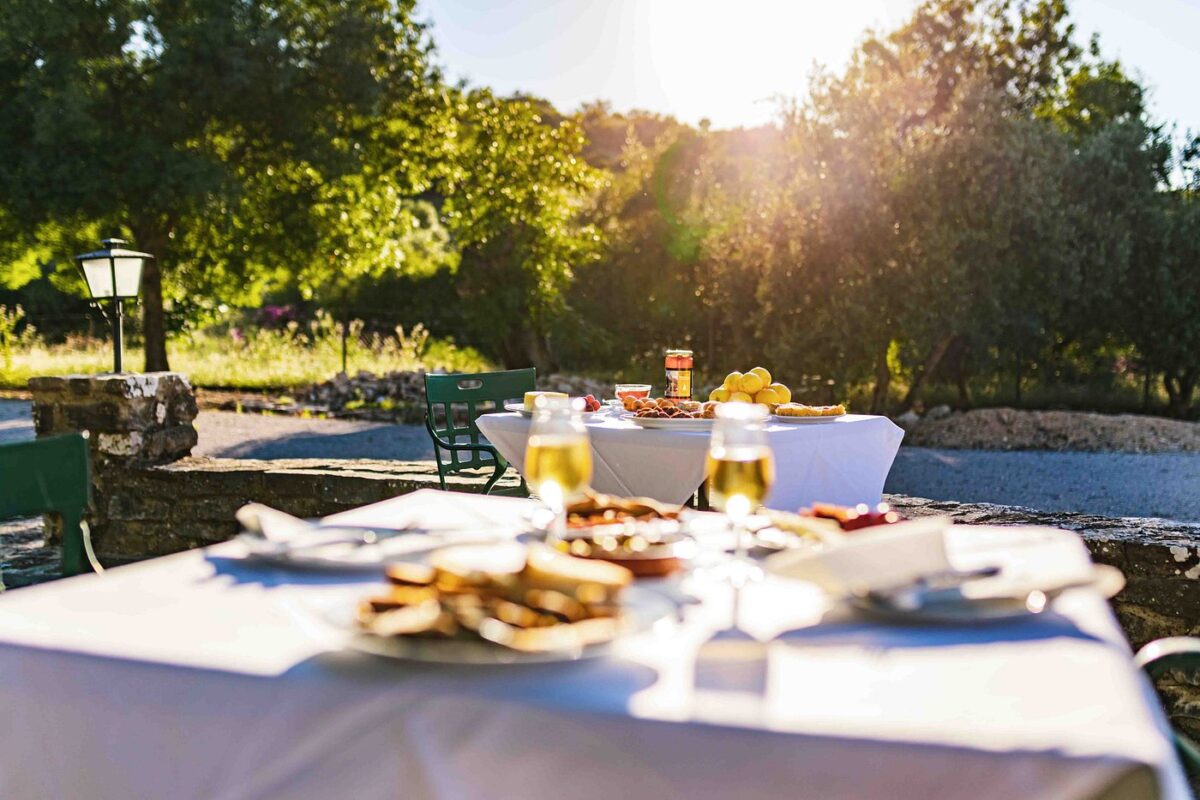
Andalusian food highlights
- Gazpacho and salmorejo — cold tomato soups; salmorejo (a Córdoba specialty) is thicker and garnished with cured ham and egg.
- Pescaíto frito — small, fresh fish lightly floured and flash-fried in olive oil.
- Jamón ibérico de bellota — acorn-fed Iberian cured ham, the finest grade.
- Sherry — from dry fino and manzanilla to sweet Pedro Ximénez, produced exclusively around Jerez de la Frontera.
Catalonia and Madrid: the urban Spain
Mainland Spain’s two standout destinations sit at opposite ends of the cultural spectrum: Barcelona the modernist seaside city, Madrid the royal inland capital.

Catalonia: Barcelona and the Costa Brava
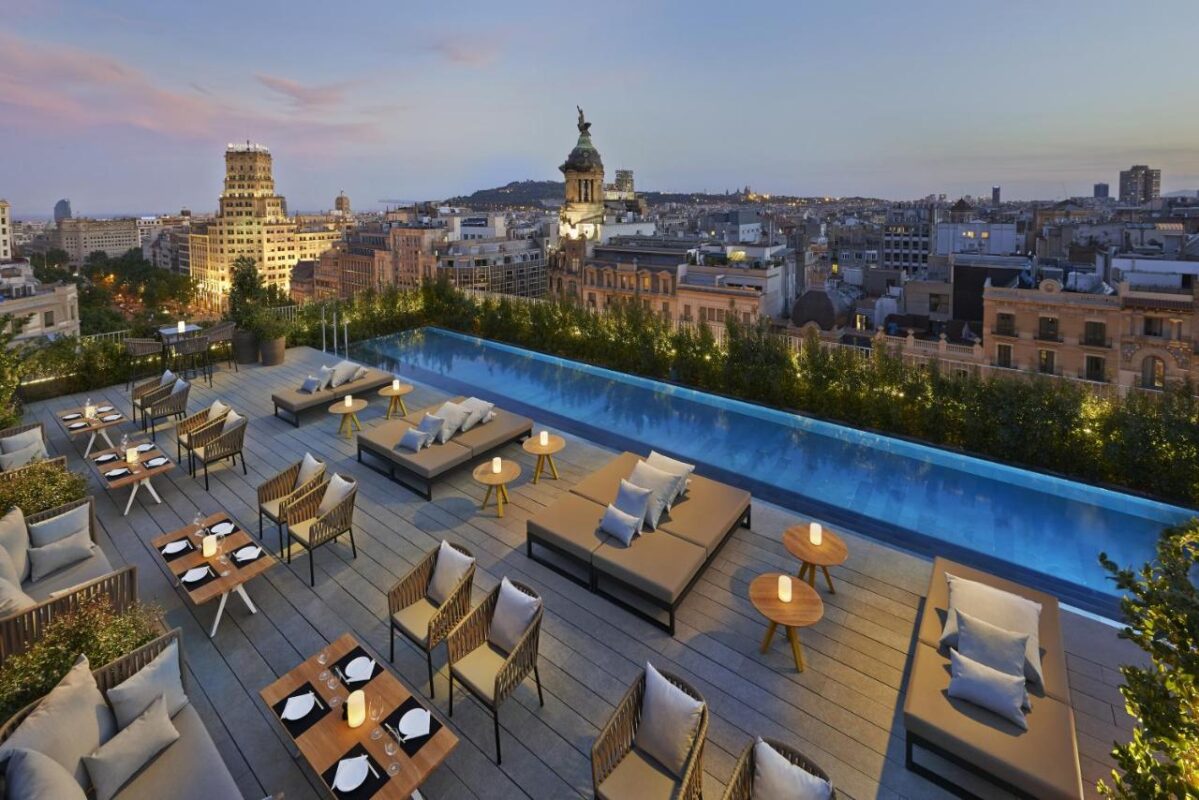
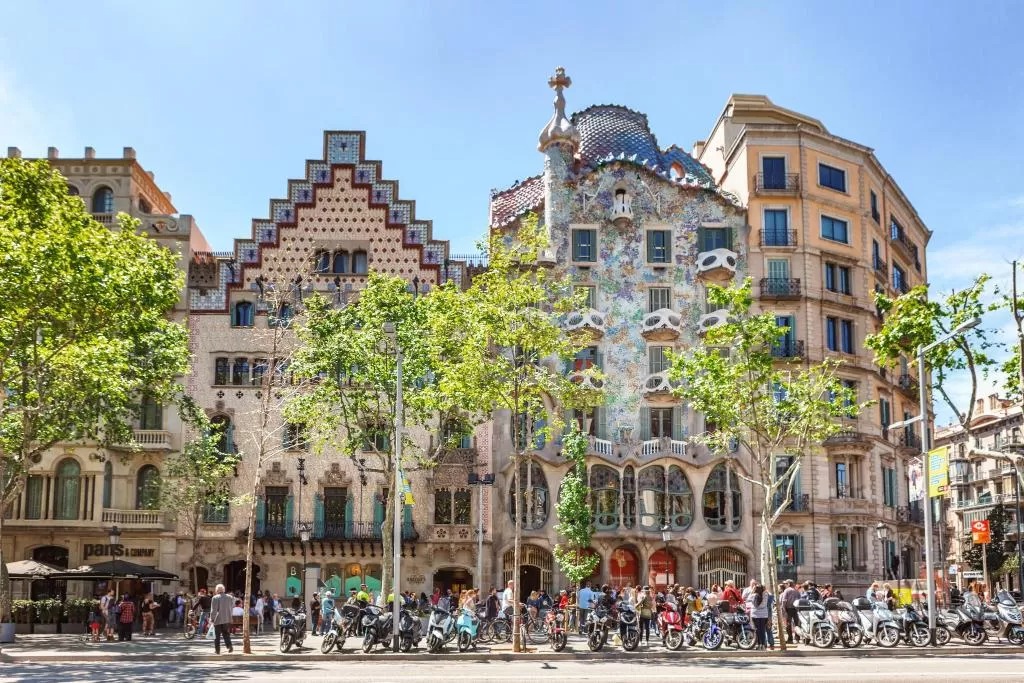
Barcelona is a living Gaudí museum: the still-unfinished Sagrada Família, Park Güell, the facades of Casa Batlló and Casa Milà. Beyond Gaudí, the Gothic Quarter, the Picasso Museum and the street theatre of La Rambla round out the city. North of Barcelona, the Costa Brava offers rocky coves and fishing villages like Cadaqués — the top French pick for a drivable Spanish holiday.
Madrid: royal capital and art superlative
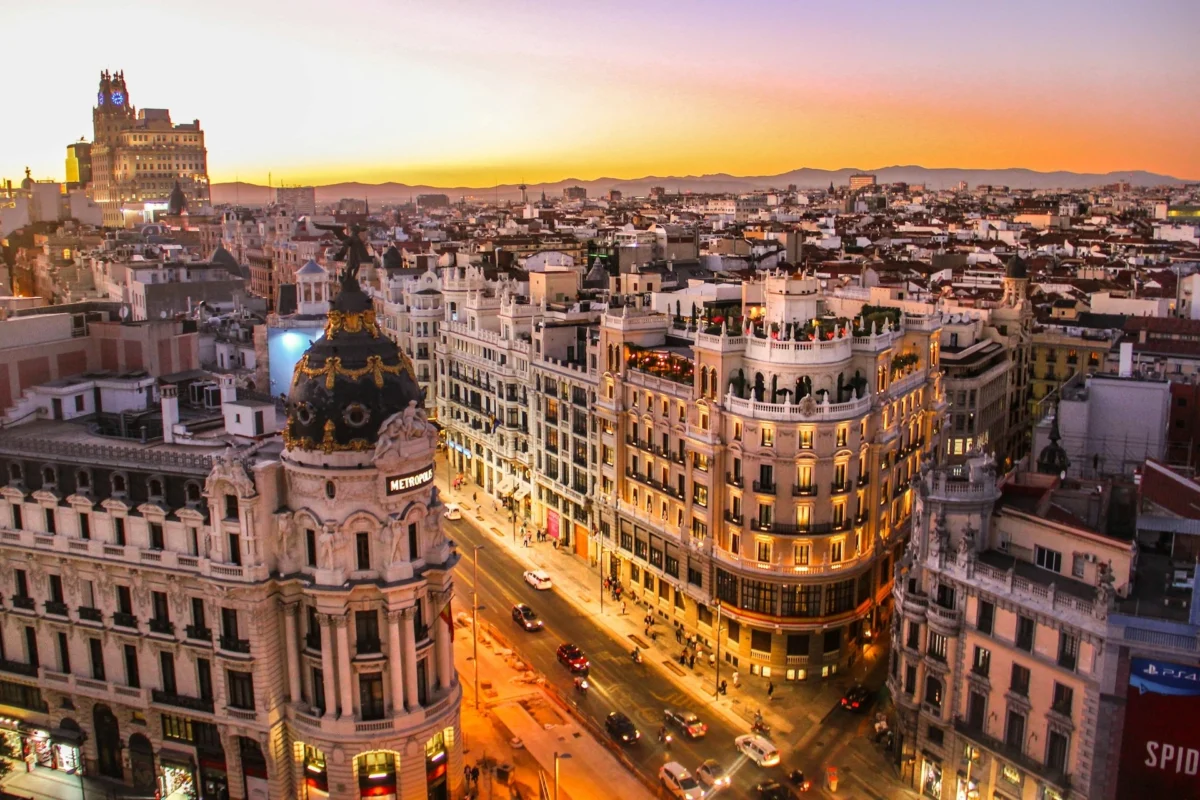
Madrid’s Golden Triangle of Art — the Prado (Goya, Velázquez, El Greco), the Reina Sofía (Picasso’s Guernica), and the Thyssen-Bornemisza — is one of Europe’s great cultural concentrations, all within walking distance on the Paseo del Prado. Add the Royal Palace, Retiro Park, and the tapas crawl through La Latina, and Madrid earns its place on any city-break shortlist.
Table 2 · At-a-glance Spanish regions for European travellers
| Region | Best for | Vibe | Most popular with |
| Balearic Islands | Beaches, nightlife, scenery | Resort + bohemian split | Germans, British, French |
| Canary Islands | Year-round sun, hiking | Outdoor + relaxation | British, Germans, Nordics, Dutch, Czechs |
| Andalusia | Culture, history, sunshine | Traditional, passionate | British, Scandinavians, French |
| Catalonia | Art, architecture, food | Cosmopolitan + culturally distinct | French, British, Italians |
| Madrid | World-class museums, nightlife | Royal capital energy | All nationalities (city-break) |
Planning a trip to Spain in 2026: essentials
Two things matter most for a smooth trip: picking the right season for the right region, and understanding that Spain’s rail network is a serious asset you should actively use.
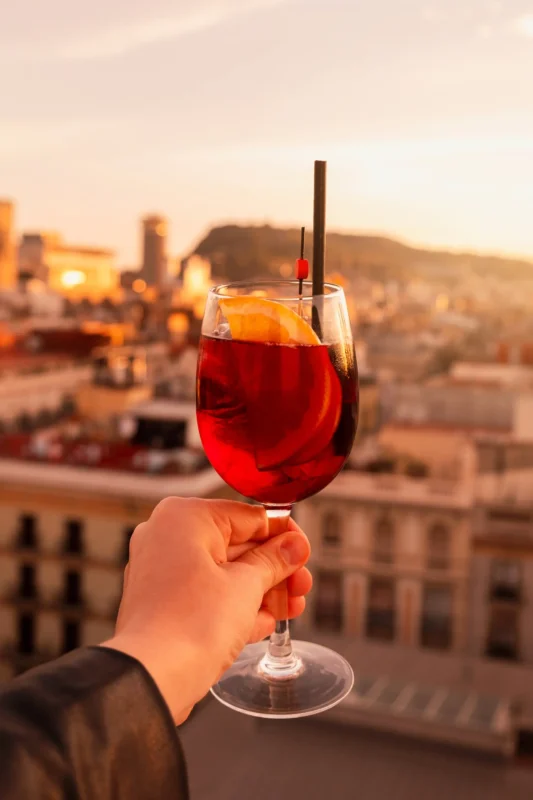
When to go, by region
- Spring (April–May) and autumn (September–October) — the sweet spot for cities like Madrid, Seville and Barcelona, and for hiking. Prices are lower, crowds thinner, and the Mediterranean is still swim-ready in early autumn.
- Summer (June–August) — peak season for coastal and island destinations. Hot, busy, expensive. Seville and Córdoba can hit 40°C+; Madrid is actually quieter in August as locals flee to the coast.
- Winter (November–February) — low season on the mainland and Balearics (some resorts close). High season for the Canary Islands. Málaga and Cádiz are a good budget pick for mild-weather culture.
Getting around Spain: trains first, buses second
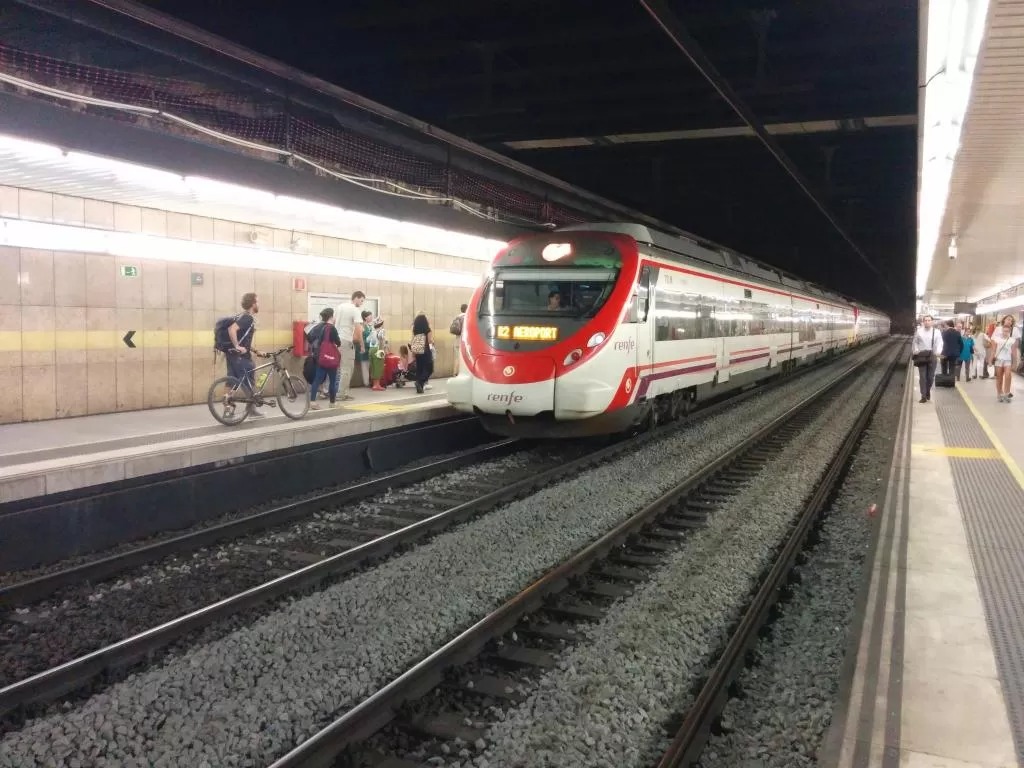
- Trains (AVE high-speed) — Spain has the world’s second-largest high-speed rail network, radiating from Madrid. RENFE, OUIGO and IRYO run trains between Madrid, Barcelona, Seville and Valencia at up to 310 km/h. Book weeks in advance for the cheapest fares.
- Buses — Alsa and Avanza run modern, cheap, comfortable coaches for smaller towns not on the rail network. Longer journey times, but significant savings.
- City transit — the Madrid and Barcelona metros are excellent and cheap; avoid driving in either city centre.
Budget tips that actually save money

- Travel off-season — shoulder seasons (spring/autumn) routinely cut flight and hotel costs by 30–50%.
- Book rail tickets early — AVE advance-purchase fares are dramatically cheaper than walk-up; OUIGO in particular runs heavy early-bird discounts.
- Eat the menú del día — the fixed-price weekday lunch is usually three courses with bread and a drink for €12–€18. Lunch is the main meal in Spain anyway.
- Carry-on only on budget airlines — Ryanair, Vueling and Iberia Express charge punitive checked-bag fees. A carry-on-only trip saves €30–€60 per flight.
Spanish culture and etiquette for tourists
The Spanish schedule is later than you think
- Lunch (la comida) — the main meal. 2:00–4:00 pm.
- Dinner (la cena) — lighter. Rarely before 9:00 pm; often 10:00–11:00 pm on weekends.
- Siesta — less common in big cities, but many shops, banks and local businesses still close from roughly 2:00–5:00 pm before reopening into the evening. Plan your errands around it.
Etiquette that will keep you out of trouble
- Greetings — handshakes between men on first meeting; between women, or between a man and a woman, the standard is dos besos (a light kiss on each cheek, starting with the left).
- Tipping — not obligatory. Round up in cafes and bars (€0.20–€0.50). In restaurants, 5–10% for good service is generous. Check for “servicio incluido” on the bill. In taxis, round up to the nearest euro.
- Dress code — swimwear stays at the beach or pool. Cover shoulders and knees to enter churches and cathedrals.
Table 3 · Essential Spanish phrases
| English | Spanish | Pronunciation |
| Hello | Hola | OH-lah |
| Good morning | Buenos días | BWAY-nos DEE-as |
| Good afternoon | Buenas tardes | BWAY-nas TAR-des |
| Good night | Buenas noches | BWAY-nas NOH-ches |
| Please | Por favor | por fa-VOR |
| Thank you | Gracias | GRA-thee-as (Spain) / GRA-see-as (LatAm) |
| You’re welcome | De nada | de NA-da |
| Excuse me / Sorry | Perdón / Disculpe | per-DON / dis-CUL-pay |
| Do you speak English? | ¿Habla inglés? | AB-la in-GLAYS? |
| I don’t understand | No entiendo | no en-tee-EN-do |
| Where is…? | ¿Dónde está…? | DON-day es-TAH |
| How much does it cost? | ¿Cuánto cuesta? | KWAN-to KWES-ta |
| The bill, please | La cuenta, por favor | la KWEN-ta, por fa-VOR |
| Water / Wine / Beer | Agua / Vino / Cerveza | AG-wa / VEE-no / ser-VAY-za |
| Goodbye | Adiós / Hasta luego | a-dee-OS / AS-ta loo-AY-go |
Frequently asked questions about travelling in Spain
What is the best time of year to visit Spain?
The best overall time to visit Spain is May or September. Both months give you warm (but not scorching) weather in the cities and on the coast, lower prices than July–August, and thinner crowds at major sights like the Alhambra and the Sagrada Família. For winter sun, go to the Canary Islands any time between November and March.
Which part of Spain is best for first-time visitors?
First-time visitors get the most out of a Madrid–Seville–Barcelona triangle. Madrid and Seville are connected by a 2.5-hour AVE high-speed train, and Barcelona is another 2.5 hours from Madrid. That covers the royal capital, Moorish Andalusia, and Catalonia’s architectural heart in a single trip of 8–10 days. Add the Alhambra in Granada if you have 12 days.
Is Spain expensive to travel in?
Compared with the UK, France, Italy or Scandinavia, Spain is noticeably cheaper — typically 20–35% less for restaurants, hotels and intercity travel. A comfortable mid-range budget in 2026 is around €100–€150 per person per day outside peak coastal summer. Costs rise sharply on Ibiza in July–August and in Marbella.
How many days do you need for Spain?
For a single region, 5 to 7 days is ideal (for example: Barcelona + Costa Brava, or Seville + Granada + Córdoba). For a multi-region trip covering Madrid, Andalusia and Barcelona, budget 10 to 14 days. Fewer than 4 days should be focused on a single city.
Where do most British tourists go in Spain?
British tourists concentrate on four coastal areas: the Costa del Sol (Marbella, Benalmádena, Torremolinos), the Costa Blanca (Benidorm, Alicante), the Balearic Islands (particularly Mallorca and Ibiza) and the Canary Islands (Tenerife’s Costa Adeje leads). The UK sent 18.4 million tourists to Spain in 2024 — the single largest source market.
Why is Mallorca so popular with Germans?
Mallorca absorbs the largest share of German holiday travel because of a seven-decade feedback loop. German intellectuals settled there before World War II; 1970s package tours scaled the connection; resorts like L’Arenal became effectively German towns with German menus, shops and music. Today Germans call Mallorca Das 17. Bundesland — “the 17th state.”
What is the easiest part of Spain to reach from France?
Catalonia — specifically Barcelona, Girona and the Costa Brava — is the easiest region to reach from France. Large parts of southern France can drive to Spain in 3–6 hours; Paris–Barcelona is a direct 6.5-hour high-speed train (SNCF/RENFE). Catalan culture and language flow across the French border, which adds to the ease.
Which Spanish islands have the best weather in winter?
The Canary Islands have the best winter weather in Spain and in Europe overall, averaging 20–22°C in December–February with very little rain. Tenerife, Gran Canaria and Fuerteventura are the main winter-sun islands. The Balearic Islands are milder than the mainland but drop to 10–15°C in winter and many resorts close.
Do I need to speak Spanish to travel in Spain?
No, but a few phrases help. In tourist areas on the coasts, islands, Barcelona and Madrid, English is widely spoken in hotels, restaurants and attractions. Outside tourist zones — inland Andalusia, rural Galicia, much of Castile — English drops off fast, and basic Spanish goes a long way. Catalan is co-official in Catalonia; Basque in the Basque Country.
What’s the best city break in Spain for art and culture?
Madrid is the top art city break. The Prado, Reina Sofía and Thyssen-Bornemisza museums — Madrid’s “Golden Triangle of Art” — sit within a 10-minute walk of each other on the Paseo del Prado and hold Goya, Velázquez, El Greco, Picasso’s Guernica, and masterpieces from the 13th to 20th centuries. For architecture specifically, Barcelona wins.
Your perfect Spain awaits

Spain’s dominance as a travel destination is no accident. From the sun coasts of the Balearics and Canaries that serve as Northern Europe’s winter escape, to the cultural heartlands of Andalusia and Madrid, and the modernist energy of Barcelona, Spain is not one country but many — and each European nationality has found its own version of it.
The most interesting trips usually break the national habit. A British traveller who skips the Costa del Sol for the Picos de Europa in Asturias; a German who swaps Mallorca for a week of flamenco in Seville; a French visitor who heads south beyond Catalonia to the white villages of Málaga province — these are the trips people remember. The data in this guide is a starting point. The Spain that surprises you is always one region further than you expected.
Related Guides
- How to Get from Tenerife South Airport (TFS) to City Centre — Airport guide
- ANA (All Nippon Airways) Baggage, Check-In + Boarding Guide — Airline guide
Related Train Station Guides
- Rome Termini Station Guide — Train station guide
More Train Station Guides
- Barcelona Sants Station Guide — Train station guide
Trip-ready gear from Amazon
As an Amazon Associate, grandgo.com earns from qualifying purchases. Links below are affiliate links — clicking them may earn us a small commission at no extra cost to you. Prices and availability are shown on Amazon.co.uk.
- Lonely Planet Spain guidebook — Best overall Spain guide.
- Sun hat wide-brim women men — Andalusian summer necessity.
- Spanish phrasebook Berlitz — Essential Spanish for travel.