


Local cuisine is a highlight of many tourist destinations, reflecting their culture, history and traditions as well as being an engaging way to experience local flavors.
Finding these hidden gems is simple – whether through recommendations, foodie blogs and websites, social media use, culinary classes or exploring ethnic enclaves.

Authenticity
One of the key characteristics to keep an eye out for when searching out local cuisine is authenticity. While this concept may seem indefinable, there are certain traits which set authentic dishes apart from those that fail. These traits include using traditional recipes instead of trendy ingredients and including indigenous flavors in dishes.
Finding authentic restaurants while traveling can be challenging, but one effective strategy is to consult locals for recommendations. From your hotel receptionist or taxi driver to people sitting next to you in cafes or other public places, locals will know where the best dining spots are in their city. Strike up a conversation with them and not only gain their valuable advice but also gain insight into local culture and way of life.
Eating locally owned restaurants is another fantastic way to experience and support your local food scene while simultaneously benefitting the economy. Many family-owned eateries provide more personalized dining experiences than chain establishments, as well as authentic dishes passed down over generations – for instance Parkway Bakery & Tavern’s po’ boy has been served in New Orleans for more than 100 years! Tony’s Pizza Napoletana in San Francisco should also not be missed when trying the real taste of San Francisco.
Exploring ethnic enclaves is another excellent way to find authentic local cuisine. Many cities have unique neighborhoods where different cultures gather to celebrate their heritage through cuisine; Chinatown in New York offers an extensive variety of Chinese dishes while Little Italy serves Italian classics. Exploring these enclaves is a fun way to uncover hidden gems and indulge in delectable dishes you wouldn’t find elsewhere!
Authenticity has become a buzzword in modern culture, yet it is important to keep in mind that its definition changes over time. While its definition has altered over time, its core idea has not: living and acting according to your values and beliefs. Finding a balance between authenticity and personal freedom allows travelers to enjoy their travels while remaining true to themselves.

A deeper understanding of the culture
Food is an integral component of travel experiences and reflecting local traditions is no exception. Culinary exploration should be part of every travel itinerary; from meals recommended by friends or in restaurants with hidden corners to street markets; exploring food is an integral component of experiencing new destinations and provides insights into local environments and cultures.
Travelers love trying local dishes as one of their top activities when visiting new countries and cultures, not just because it can be exciting but because it provides support to the local economy and helps deepen one’s appreciation of a culture more fully. Local restaurants usually provide unique dining experiences that showcase these local dishes which usually use ingredients found locally as well as specific spices, herbs, or vegetables found locally and may feature unique sauces and garnishes specific to a region.
Discovering local eateries and culinary hotspots can be daunting task, as the options available to you are numerous. Relying on recommendations from locals, exploring foodie blogs/websites/social media accounts/food tours etc all help provide unique perspectives and uncover hidden gems – however the key thing is being open minded enough to try new experiences.
Many travelers prefer local cuisine of a destination over touristy options for its more authentic flavor and cultural reflection. Plus, connecting with locals and making new friends through food can often prove more cost effective than other touristy activities!
Experience local cuisine is both enriching and memorable; it helps visitors get acquainted with a new culture while creating lasting memories.
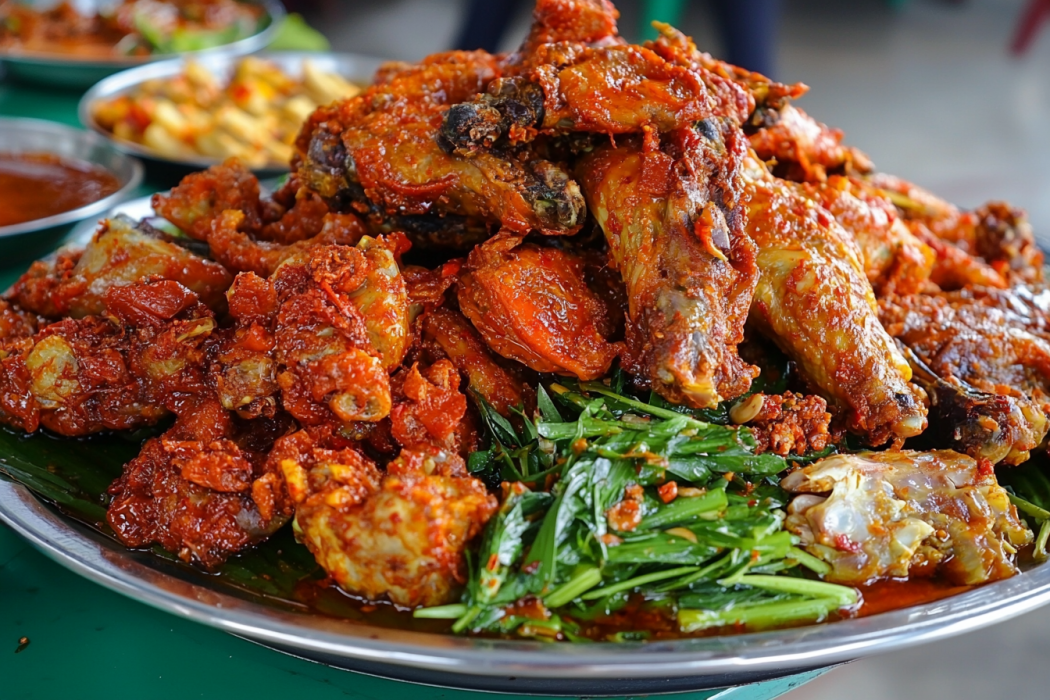
Supporting the local economy
Though culinary hotspots like Paris, Rome and Tokyo often draw the most media attention, smaller cities also boast impressive food scenes. These destinations are changing what it means to dine locally by providing high-quality cuisines that highlight local ingredients while serving delicious meals for customers and supporting local economies by creating jobs and increasing tourism.
Restaurants provide jobs to local communities through various job roles ranging from wait staff and bartenders to cooks and chefs. Furthermore, restaurants purchase supplies from nearby farmers and suppliers for optimal freshness in their cuisine – supporting both agriculture and helping local economies flourish in doing so.
Restaurants provide a space for local communities to gather together, socialize, and celebrate special events and milestones with one another. Restaurants also play an essential role in fostering culture and history by giving visitors an opportunity to experience local traditions and cuisines first-hand. Finally, they serve as venues where loved ones can gather to commemorate special moments together.
When selecting a dining location, the best strategy is to rely on locals. Since they have experienced all of the food offerings in town, locals will provide more accurate recommendations than anyone else. Try striking up conversations with taxi drivers, cafe workers or fellow diners, asking them about their top recommendations.
Uncovering hidden gem eateries can be an exciting and satisfying journey. To do this, ask locals for recommendations, explore different neighborhoods, try street food, and be open to trying something new. In addition, do your research beforehand by researching a city’s food scene using reliable online sources like Eater, Bon Appetite Saveur & Roads & Kingdoms as starting points.
Foodie culture in Australia is evolving at an astonishing rate, as global cuisines collide and regional specialities flourish. From sushi and sake in Sydney to authentic Japanese yakiniku in Busan – emerging culinary hotspots are well worth exploring!

Insight into the local environment
Cuisine of any place can serve as a window into its history and culture, giving us insight into its people and way of life. Furthermore, local dishes often use ingredients grown locally – not only does this enhance gastronomy; it helps preserve environmental resources.
Culinary experiences are an easy and fun way to deepen your understanding of a city, with locals often proud to showcase their cuisine. Strike up conversations with taxi drivers, cafe patrons or those behind counters at local markets to ask their recommendations, you may just discover hidden gems not well known among tourists!
As well as seeking recommendations, another great way to understand a city’s culinary scene is through reading food blogs and websites that feature mouthwatering photos and detailed reviews of restaurants and eateries. Or join one of the local foodie groups or communities on social media and receive recommendations from fellow food lovers!
Participate in a cooking class is another excellent way to explore local cuisine. These classes allow participants to gain knowledge about various cooking techniques used within specific cuisines as well as regional traditions – for instance, attending one in Hokitika, New Zealand gives you the chance to sample traditional Maori fare such as huhu grubs and mountain oysters!
For an immersive travel experience, try taking a guided food tour. These tours provide access to restaurants that might otherwise be difficult to discover on your own, enabling you to meet locals while experiencing truly authentic meals.
Moving can be daunting, and connecting with your new environment can be challenging. Exploring local cuisine can help strengthen this connection and build a sense of belonging in your new neighborhood. From Italian pizza to sharing coffee with neighbors, enjoying culinary travel can be an engaging and comforting way to get acquainted with a new community.
Trip-ready gear from Amazon
As an Amazon Associate, grandgo.com earns from qualifying purchases. Links below are affiliate links — clicking them may earn us a small commission at no extra cost to you. Prices and availability are shown on Amazon.co.uk.
- Insulated coffee travel mug — Enjoy local coffee properly.
- Portable spice travel kit — For picnics.
- Country cookbook cultural cuisine — Culinary travel companion.