



Quick Answer
Switzerland’s weather varies dramatically by altitude and region. Lowlands (Zürich, Bern, Geneva): summer 18-26°C, winter -2°C to 5°C. Mountain regions (Zermatt, St. Moritz): summer 5-18°C, winter -15°C to -5°C. Tessin (Lugano, Italian-speaking south): summer 22-28°C, winter 3-10°C, Mediterranean climate. Best seasons: May-September for hiking, lakes, cities; December-March for skiing in Alps; September-October for autumn foliage and lower prices. Föhn wind: warm dry wind from south, can spike temperatures 10°C in hours. Rain: relatively high (1000-2000mm/year), worst June-August thunderstorms. Snow: 1500m+ guaranteed Dec-April, lowlands occasional only. Best month overall: September — warm days (20-22°C), few crowds, alpine huts open, autumn colors starting.
Switzerland’s three climate zones
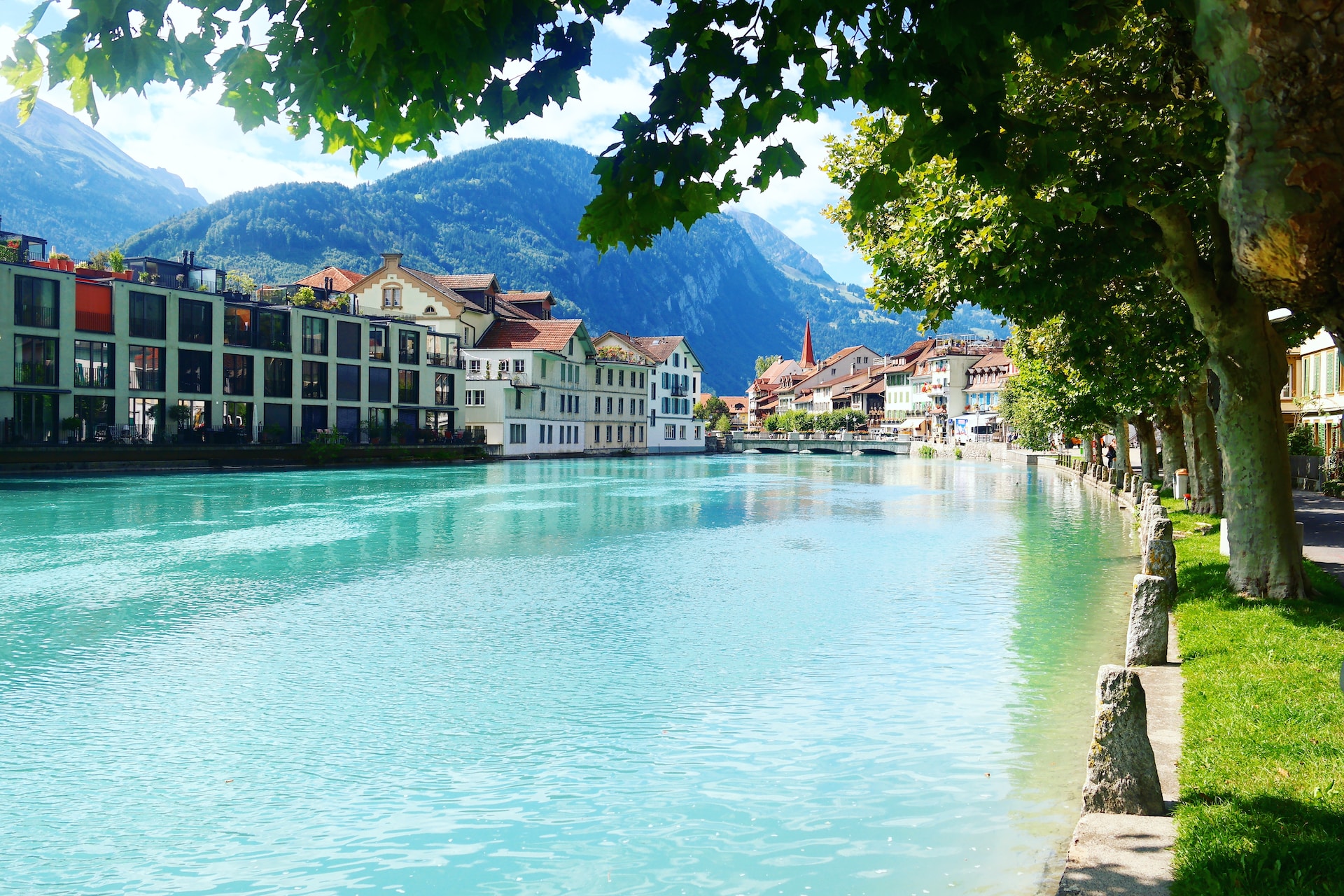
- Mittelland (lowlands): Zürich, Bern, Geneva, Lucerne, Basel. 400-700m altitude. Continental climate with mild summers (20-25°C) and cool winters (-2 to 5°C). Most populated region.
- Alpen (Alps): Zermatt, St. Moritz, Davos, Grindelwald, Verbier. 1000-3000m altitude. Cold winters (-15°C+), cool summers (5-18°C). Heavy snowfall Dec-April.
- Tessin (Italian south): Lugano, Locarno, Bellinzona. Insubric climate (Mediterranean influence). Mild winters (3-10°C), warm summers (25-30°C). Palm trees grow.
Monthly weather guide
- January: coldest (-3 to 3°C lowlands, -15 to -5°C mountains). Heavy snow in Alps, occasional in lowlands. Skiing peak season.
- February: similar to January. Best skiing conditions. Lowest river/lake levels.
- March: early spring (3-9°C). Skiing still excellent. Lowlands begin thaw.
- April: warming (7-13°C). Variable weather, can snow in mountains. Spring flowers.
- May: spring (12-18°C). Alpine pastures bloom. Some snow at elevations.
- June: early summer (16-22°C). Long days. Some thunderstorms. Hiking opens at 1500m+.
- July: peak summer (18-26°C, hot waves to 30°C+). Hiking everywhere. Crowds at lakes.
- August: similar to July. National holidays (1 Aug Swiss National Day).
- September: ideal month (15-22°C). Few crowds. Autumn foliage starts.
- October: autumn colors peak (10-17°C). Alpine pastures cattle returns.
- November: cooling (3-9°C). Foggy in lowlands. First ski snow.
- December: winter (1-5°C). Christmas markets. Skiing opens.
Seasonal activities
- Winter (Dec-March): skiing/snowboarding everywhere above 1500m. Sledding, ice climbing, fondue/raclette season.
- Spring (April-May): blossoms, fewer crowds, lower prices, some Alpine passes still closed.
- Summer (June-Aug): hiking, lake swimming, cycling, paragliding. All Alpine passes open.
- Autumn (Sept-Nov): foliage hikes, wine harvest in Wallis/Vaud, Alpabzug (cattle parade from mountains).
Special weather phenomena
- Föhn (Föhnwind): warm dry wind from south Alps. Can raise temperature 10°C in hours. Spectacular clear views but can cause headaches.
- Bise: cold dry wind from north-east, common in winter Lake Geneva area.
- Inversion: winter phenomenon where cold fog sits in lowlands, warm sunshine above 1000m. Reason to head to mountains in November-December.
- Avalanches: serious risk Jan-April in mountains. Always check Swiss Avalanche Bulletin (slf.ch).
- Thunderstorms: June-August afternoons in mountains. Start early hikes (6am), descend by 1pm.
Packing by season
- Winter: heavy coat, thermal layers, waterproof boots, gloves, hat. Ski gear if skiing. Sunglasses (Alpine sun strong).
- Spring: light jacket, layers, waterproof shell, sturdy shoes, umbrella.
- Summer: t-shirts, light jacket for evenings (mountains cold even in summer), hiking boots, sunscreen, swimwear for lakes.
- Autumn: warm jacket, layers, waterproof gear, sturdy boots. Days warm, evenings cold.
- Year-round: waterproof shell jacket essential. Switzerland gets rain frequently.
Frequently Asked Questions
What’s the best month to visit Switzerland?
September is the ideal month: warm days (15-22°C), fewer crowds, autumn foliage starting, alpine huts still open, lower prices than peak summer. May and June are also excellent.
How cold is Switzerland in winter?
Lowlands (Zürich, Bern): -3 to 5°C, with occasional snow. Mountains (Zermatt, St. Moritz): -15 to -5°C with heavy snow. Tessin (south): mild 3-10°C. Inversion can mean -5°C fog in valleys but +10°C sun in mountains.
Does it rain a lot in Switzerland?
Yes, 1000-2000mm annually depending on region. Wettest June-August (afternoon thunderstorms in Alps). Rainy days about 1/3 of year overall. Always pack waterproof shell.
When can I ski in Switzerland?
Lower resorts (1500m): mid-December to early April. Higher resorts (Zermatt 3000m+): year-round on glacier. Best snow conditions: late January to mid-March. Christmas/New Year crowded and expensive.
What is the Föhn wind?
Warm, dry wind blowing down from southern Alps into northern Switzerland. Can spike temperatures 10°C in hours. Causes clear views but linked to headaches and sleep issues. More common in autumn and spring.
Can I see autumn foliage in Switzerland?
Yes, late September to mid-October. Best regions: Wallis (vineyards yellow), Bernese Oberland larch trees, Tessin Mediterranean colors. Use cable cars to elevation 1500-2000m for best views.
Recommended on Amazon
As an Amazon Associate, grandgo.com earns from qualifying purchases. Links below are affiliate links — clicking them may earn us a small commission at no extra cost to you. Prices and availability are shown on Amazon.co.uk.
- Switzerland weather forecast app — check before traveling.
- Waterproof shell jacket Switzerland — essential year-round.
- Lonely Planet Switzerland — with weather chapter.