


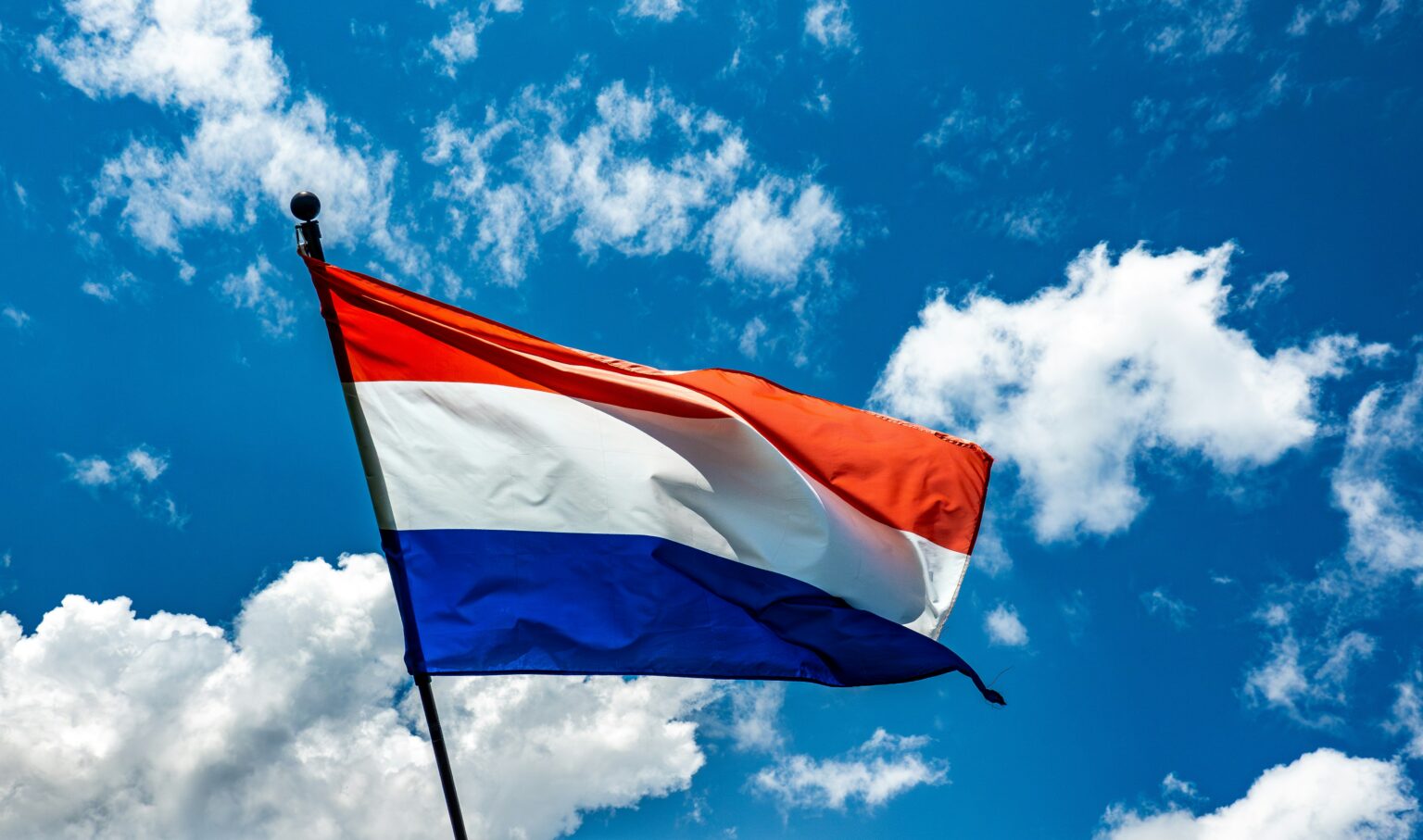

Netherlands are well known for the heavy clouds that inspired many famous painters. On an average day three-fifths of the sky is covered by clouds. Glaciers once scraped across what is now the Netherlands leaving behind several lakes which were gradually drained over time.
Today the country is governed as a constitutional monarchy under King Willem-Alexander and its national legislature, known as the States General, comprises two houses.
The climate
The Netherlands is a small, flat country with a mild marine climate influenced by the North Sea, making winter temperatures not too severe while summer heat stays comfortable enough. Overall weather patterns remain fairly uniform across the nation; however there may be slightly more continentality in inland regions (Friesland and Drenthe) compared to coastal ones.
The summer season spans from June to September and brings with it high temperatures in the south, while November through March brings mild to cool temperatures, snowfall, fog and an average annual temperature between 18-22 degrees Celsius.
Netherlands can often be very windy due to its location at the confluence of rivers Rhine, Lek, Maas or Meuse. Wind usually blows from southwest and northeast directions; however it also often comes from west and north directions with average hourly wind speed being 5 meters per second (11mph).
Precipitation occurs throughout the year in roughly equal amounts; with spring being the driest period and autumn being wetter than expected. On average, 17 hours of sunlight are seen each day during summer months.
Since 1901, average temperatures in the Netherlands have seen an average temperature increase of approximately 2.3 degC. Dutch people are acutely aware of how climate change is impacting their daily lives and are taking measures to adapt. Climate change is predicted to have significant ramifications on the economy over the coming decades due to factors like heat stress, increased flood risks due to extreme river discharge or sea level rise, decreased food and water quality and more extreme flooding events than anticipated.
The dikes
The Dutch are famed for their prudent financial management and foresight, investing billions to safeguard their nation in light of climate change’s effects. Not only have they moved mountains of sand around, they’re building massive doors which will block water channels if sea levels rise too rapidly.
After a devastating flood in 1916, engineers set to work reclaiming land by building massive dikes to keep the North Sea away from Zuider Zee and create an enormous freshwater lake called IJsselmeer for agriculture and development. Though this took over 30 years to accomplish successfully, eventually success was reached!
However, the new dike left behind an opening which would need to be filled in quickly with sand and clay to fill its gap – creating a race against time as currents could rush through at up to 20 feet per second; even one wave was capable of carrying away brushwood mattresses or stone-throwing stones without warning.
Kobus Kalis, known to hydrology historians as the Paul Bunyan of Dutch dike builders, devised an ingenious solution: He constructed a large cement caisson outside the gap, from which he launched hundreds of steel anti-torpedo nets into the gullies to break up current force gradually. Gradually, these anti-torpedo nets formed a barrier against it all and gradually broke the force of current flowing through them.
By the 1940s, dikes and storm surge barriers had begun being constructed across the Netherlands, helping reclaim more fertile soil from what had once been sea and sand – thus giving birth to Flevoland province. According to Unie van Waterschappen estimates, today there are 17,691 kilometers of dikes across this nation.
The bicycle
As global automobile usage soared after World War II, cities around the globe quickly filled up with cars (there’s an iconic photo showing Museumplein in Amsterdam before and after this change). But not the Dutch. Instead they created an extensive network of safe bike lanes; today more people ride bikes than cars in this country by approximately 23 million-to-1 ratio; for most Dutch citizens cycling remains their primary mode of transportation.
Dutch bikes are practical, sturdy bikes designed to withstand everyday use. They typically feature low frame heights for easy mounting and dismounting as well as long, swept-back handlebars that enable riders to keep both hands on grips when riding; this provides for a relaxed yet comfortable position and helps avoid the discomfort that often results from more traditional biking styles. Furthermore, Dutch bikes often come equipped with rear racks for carrying luggage as well as front/rear lights, bells, kickstands, etc.
Dutch people take great pride in cycling as their main form of transportation, and cycling has become the norm throughout their country. Biking instead of driving or taking public transit makes sense in a country such as The Netherlands with flat terrain and compact urban areas providing short commute times between home and work.
Children riding their bicycles on the streets with parents is a very common scene in the Netherlands, as is seeing entire families out together on bikes. Women often wear skirts when cycling but are uncommonly seen wearing one unless participating in specific racing competitions. Bike theft can also be an issue so most Dutch riders purchase bicycle insurance coverage to protect against this possibility.
The nature reserves
The Netherlands packs in plenty of natural beauty into its compact country, boasting national parks across its landscape. You’ll find beautiful scenery in these protected areas from Limburg’s forested hills to North Brabant’s moorlands and Drenthe’s sand dunes; but their true value lies beyond natural landscape; all national parks in The Netherlands belong to Natura 2000 areas (link external), which hold special ecological status.
These landscapes showcase the Dutch’s commitment to nature conservation. At Weerribben-Rieben in Overijssel province, you can travel through Western Europe’s largest swamp area created from centuries of peat harvesting; its maze of reed fields and marsh forests makes an awe-inspiring journey through history. Additionally, Drentsche Aa National Park features unique cultural remains as well as its distinctive landscape of dunes and fens.
On the Dutch landscape can be found over twenty national landscapes that blend natural elements with ancient cultural remnants, such as De Groote Peel in Limburg and North Brabant provinces with vast peat bog areas, lakes and marshes; or Sallandse Heuvelrug in Groningen with shifting sand dunes combined with pine forests and medieval castle ruins.
Protected areas play an integral role in connecting international flight paths of migrating birds and animals, providing habitats for species in danger of extinction (like root vole subspecies living only in the Netherlands) with species protection plans being developed in order to ensure their existence.
Carnival
Carnival in the Netherlands is an annual tradition that’s celebrated all across the country. Though originally associated with religious celebrations, carnival is now mostly observed as a secular festival and celebrated throughout. Limburg and Brabant in particular hold big celebrations to usher in what Catholics refer to as Carnaval (a period before Lent), so carnival is all about being silly for two days!
Some cities and towns organize special parades; Eindhoven holds Europe’s longest bar crawl on Stratumseind street; bands perform everywhere and many pubs open their doors for public access.
Tilburg Carnaval festivities require costumes to celebrate, with many fancy dress shops popping up to sell them; it may be wiser to buy your own costume though as you will probably wear it more than once during Carnaval week. Costumes could range from jesters, occupations or objects, animals, opposite sexes/genders/archetypes/fairytale characters/well-known people/foreign cultures to masks worn alongside costume options – often combined.
Tilburg offers visitors a fun pub crawl tie which they stamp each time they visit a bar, providing an ideal opportunity to meet fellow travellers while partying hard. There are even music and comedy shows taking place each afternoon which make this eventful city even more of a party town! One of Tilburg’s highlights, but please note if travelling with others, booking accommodation well ahead can become very busy during this week!
Trip-ready gear from Amazon
As an Amazon Associate, grandgo.com earns from qualifying purchases. Links below are affiliate links — clicking them may earn us a small commission at no extra cost to you. Prices and availability are shown on Amazon.co.uk.
- Compact daypack travel — For city sightseeing.
- Reef-safe sunscreen SPF 50 — Beach + outdoor.
- Lonely Planet destination travel guide — Trip planning essential.