


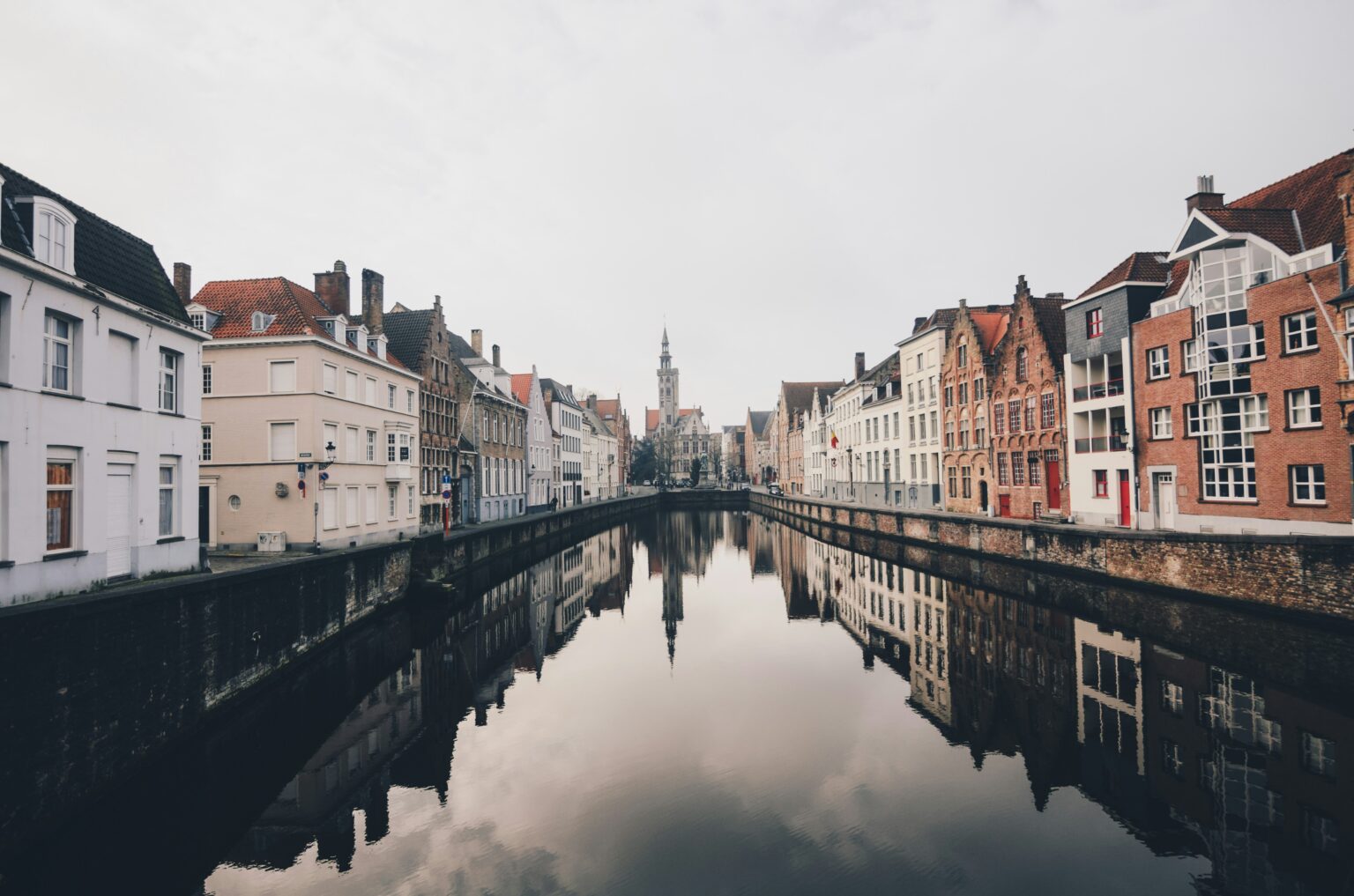

Belgium is a small nation with a long and distinguished history as a center for industry, art and trade. Belgium’s economy primarily relies upon processing imported raw materials into finished goods that can then be exported abroad.
Belgiumns regard owning a solid, freestanding house as the pinnacle of status symbolism. Many take great pride in decorating their dwelling with modern black furniture and artwork to show their sense of pride in the home they have purchased.
Culture
Belgium is home to many cultures, evident by the variety of foods, languages, and fashion styles found here. Belgians take great pride in promoting their heritage to visitors; urban dwellers tend to dress fashionably while remaining punctual – especially important when conducting business dealings.
Belgium is often described as having a Romanesque or southern mentality, where family and property hold great value while the state remains somewhat mistrusted. Additionally, Catholicism plays an integral part.
Belgians have historically kept their work and personal lives separate. While not known for excessive socializing after hours or during weekends, recent times have seen an upsurge in contact between relatives – especially rural areas where families live closer together and grandparents help care for young children.
Belgium follows two types of etiquette: informal and formal. Informal etiquette is often employed when meeting friends for socializing purposes while formal etiquette should be utilized when visiting family homes or business addresses, both being utilized with precision to ensure proper relations are made between hosts and visitors. When visiting, be punctual and courteous!
When visiting a Belgian’s home, when invited you should bring flowers or chocolates. White chrysanthemums symbolize death. Additionally, custom dictates giving older generation bottles of brandy or wine; an iris is Belgium’s national flower and its bloom is celebrated during regional holidays; many well-known artists hail from Belgium such as James Ensor and Constant Permeke who pioneered Expressionism painting movements while surrealism art is also common here.
Food
Belgium boasts an abundance of food to offer visitors. Its cuisine draws heavily upon that of neighboring France, Germany and the Netherlands for inspiration; Belgian specialties like waffles, moules frites (mussels served with french fries) and chocolate are popular choices here. Furthermore, Belgium also produces its own specialty beers such as jenever that can only be found there!
Belgian beer is an integral part of local culture. Consumed year-round and available in an array of varieties – some dark and rich while others light and refreshing – Belgian beer pairs well with the varied cuisine found across Belgium.
Carbonnade, a classic Flemish dish consisting of meat stewed in beer and seasonings, remains one of the country’s most beloved cuisines, often served with potatoes or stoemp – mashed potatos with Brussels sprouts, leeks cabbage carrots and onions served alongside other vegetables – for accompaniment. A glass of beer makes an excellent pairing to this filling meal!
Other favorite Belgian dishes include eel stew and vol-au-vent puff pastry, featuring mushrooms, chicken, and butter in an irresistibly flaky puff pastry shell. A comforting treat perfect for anytime of year! Crevette grise is another favorite, featuring small crustaceans fried or even eaten peeled and consumed as part of a dish of beer based cocktails.
Belgium boasts some of the world’s finest cheeses, such as Roquefort and Ardennes bleue, along with delicious pates such as viande de boeuf (beef meat) and viande de choux pastry. Furthermore, Belgium produces some of the world’s finest chocolate and delicious cookies like Speculoos (thin gingerbread cookies that are popular during Christmas season but available year round).
Language
Belgium has long been known for its rich linguistic and cultural diversity. Straddling the border between Germanic and Romance-speaking Europe, Belgium boasts three primary languages – Dutch (Flanders), French (Wallonia and Brussels), and German (Belgium proper). Although one of only few nations capable of forging an integrated national identity out of multiple language communities simultaneously, Belgium still faces unique challenges when creating national identities across these language boundaries.
Flemish-speaking communities, however, have maintained more of an identifiable identity and strong influence in national cultural life compared to their predecessors in other regions. This can be seen through literature writers such as De Smet, Cornelis Claeys, and Maassacht who all wrote in Flemish; along with regional dialects whose pronunciation and vocabulary reflect historical ties with other language regions.
Regional dialects remain prevalent across parts of the Netherlands despite standard Dutch and French being widely utilized for education, media consumption, formal settings and daily life – especially Wallonia where local inhabitants have developed variations on French due to proximity with France and Germany; it may be difficult for speakers of standard Dutch to comprehend these dialects and vice versa.
Belgians are typically very polite people who respect personal space. When greeting elders or good friends with a kiss on the cheek, greeting strangers is customary to shake hands and say something like: ‘nice to meet you” (French: bonne rencontre; Dutch: aangenaam). In restaurants most will typically opt for continental style dining with fork and knife in both hands –
Education
Belgium’s educational system differs depending on regional policies. Higher education generally adheres to the Bologna process of offering three year Bachelor degrees and one to two year Master degrees; some universities and colleges even award PhD’s; most graduate-level students study humanities, intensive English courses, healthcare professions or fine arts as their main area of interest.
Education is mandatory from age six until 18. Public, subsidized and free schools exist – the former receiving funding from communities while private individuals or groups run free schools; most affiliated with Catholicism while there are Protestant, Jewish and Orthodox schools too. Furthermore, numerous private schools exist outside of public ones.
Most schools follow religious teachings; however, non-religious schools that follow specific methods like Freinet or Rudolf Steiner learning may also exist as an option for families looking for nonreligious education for their child(ren). There are also private language-teaching schools such as English or German that cater for this freedom of education – parents have the power to choose whatever school best fits the requirements for their location and choose where their child(ren) go to school.
Community colleges in Dutch speaking regions are known as “hogescholen”, while in French-speaking areas they are called “colles de enseignement”, offering practical education rather than university study. Courses tend to be shorter and costs lower compared to universities. Furthermore, art schools throughout the country also provide short or long-term training in different disciplines.
Economy
Belgium is a developed market economy and classified as an upper middle income nation by the World Bank. A member of both OECD and EU, Belgium welcomes foreign investment while being an export champion, accounting for 193% of GDP with trade representing approximately 193% of GDP accounted for through exports mainly consisting of chemicals, petrochemicals and plastics; vehicles/transport equipment; mineral products as well as pharmaceuticals being its major products of trade.
Recent years have been difficult for Ireland’s economy, due to a combination of low domestic demand and the global financial crisis. Domestic policy attempts to stimulate growth through fiscal stimulus, monetary reform to keep inflation in check, and liberalization of domestic economy; while labor legislation remains moderate and industrial relations generally unobstructed by trade union conflicts.
With its highly skilled, productive workforce and proximity to Germany and France, Luxembourg attracts significant levels of business investment. Furthermore, its large, well-developed road network and port system make Luxembourg an essential transportation hub.
Belgian land is predominantly utilized for agricultural purposes, with sugar beets and cotton crops being the most valuable crops produced there. Other major products include dairy, meat, cereals and vegetables. Although only a small percentage of people work directly in agriculture today, its growth continues albeit more slowly in recent years. Belgium exports most of its agriculture raw materials abroad with the United States being its fourth-largest export destination by 2022.
Trip-ready gear from Amazon
As an Amazon Associate, grandgo.com earns from qualifying purchases. Links below are affiliate links — clicking them may earn us a small commission at no extra cost to you. Prices and availability are shown on Amazon.co.uk.
- Compact daypack travel — For city sightseeing.
- Lonely Planet destination travel guide — Trip planning essential.
- Anker portable charger 20000mAh — All-day phone battery.