


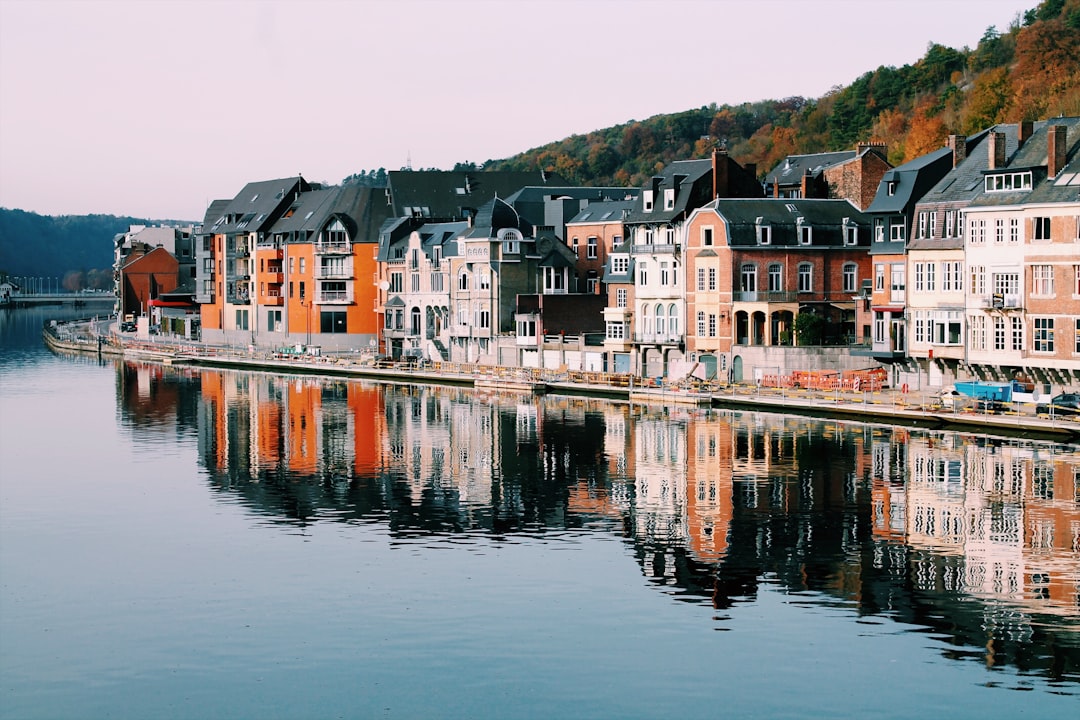

Belgium is one of Europe’s most advanced industrial nations and serves as a center for world politics and trade with its capital city of Brussels housing the European Union and North Atlantic Treaty Organization headquarters.
Regional and community governments possess authority in terms of transportation, public works, housing, zoning and cultural matters, while the King plays a ceremonial role.
History
Belgium has long been divided between Dutch, Spanish and French rule; these regions were eventually brought under one nationalist administration during the nineteenth century when a series of events led to its unification as a parliamentary democracy with a Prime Minister and Cabinet responsible for executive branch operations; additionally there are three regional communities and one linguistic community which are responsible for transport, public works, water policy issues, education cultural matters etc. They utilize revenue sharing models for funding operations while having exclusive treaty-making authority in their areas of jurisdiction.
Political disputes have dogged Belgium since it first emerged as an independent nation. Two key issues have shaped its development: disagreement over King Leopold III’s conduct during World War II and insistence by Flemish-speaking majority on restructuring into autonomous regions.
Belgium experienced significant economic and population growth throughout the twentieth century. Belgium became a founding member of both European Economic Community in 1957 and European Union in 1992, as well as one of the first nations to grant independence to Congo-Brazzaville and Ruanda-Urundi in 1960 and establish itself as NATO headquarters.
In 2010, 2011 and beyond, King Albert II took on an advisory role to advise political leaders on how to form a new government. His successor, King Philippe I is seen as unifying figure who promotes respect for monarchy as well as sense of national identity among his subjects.
Belgians elect their representatives through a unicameral legislature consisting of a House of Representatives and Senate. While the former has 150 direct elected members, while 71 Senate members are selected via proportional representation from lists drawn up months beforehand by political parties containing candidates for each seat on their lists; where candidates appear will determine their chances for election – typically elections can be fiercely competitive affairs.
Chocolate
Belgium is world renowned for its chocolate industry. Home to an abundance of chocolatiers who specialize in producing chocolate pralines, truffles and ice cream treats made in Belgium, these companies often provide tours and tasting experiences. Some even have restaurants or cafes where their products can be sampled.
Chocolate first gained popularity in Belgium around the 17th century when Spanish explorers brought cocoa beans from South America, where it had previously only been available. At first, chocolate was considered a luxury item enjoyed mainly by nobility and merchants. Soon thereafter, local confectioners started experimenting with various recipes and the Belgian market saw tremendous growth in chocolate sales.
Today, Belgium stands as a global leader in the chocolate trade, producing over 600,000 tons annually from production sites such as Brussels, Antwerp and Ghent. Puratos, Barry Callebaut and Cargill together account for more than 90% of Belgian’s chocolate market.
Belgium produces a significant proportion of Fairtrade and organic chocolate, as well as the fast-growing bean-to-bar chocolate market. Bean-to-bar chocolate typically uses single origin beans with full traceability that allow consumers to connect with the product while telling its story.
Belgium consumed an estimated annual average consumption of chocolate of 5.6 kg per person in 2022. Production wise, Belgium produces both sweet and savory forms of chocolate; much of it being exported abroad.
Belgian cocoa producers rank as some of the largest in the world, giving the country an advantageous standing on the global chocolate market. However, most major chocolate brands produce outside Belgium with one notable exception being Ferrero who makes Kinder chocolate production here in Belgium.
As a producer of cocoa beans, you should know that many buyers in Belgium have their own supplier codes of conduct which address various topics including human rights and the environment. Compliance is vital if you wish to enter the Belgian chocolate market.
Beer
Belgium is widely considered one of the world’s leading beer producing nations and its industry is an integral component of its economy. Belgian breweries produce around one third of all Belgian beers each year and export approximately 15 million hectoliters overseas annually – which makes beer one of Belgium’s national beverages and widely consumed across bars, restaurants, cafes and at home.
In 2023, Belgium’s brewing industry experienced an unexpectedly severe decline in domestic consumption and exports. This decline can be partially attributed to rising costs as well as Belgians’ general caution when spending.
Belgium’s water was historically unsafe to drink and beer quickly became the beverage of choice due to both its safeness and affordability. Low-alcohol beer was even recommended as healthy (at least until recently). Nowadays, beer generally contains higher alcohol levels than before and is made using barley brewed into beer then flavoured with an array of herbs or spices called “gruit”, giving each beer its distinct taste.
For this process, a combination of dried and fresh herbs and spices are combined with malt in a large copper kettle and then simmered together before being cooled before fermenting in wooden barrels to develop its characteristic flavors. Some beers may then be aged further by being aged further in oak barrels for even greater complexity and flavor.
Belgian beers are well known worldwide, while Belgium also produces various wines and spirits of exceptional quality. Furthermore, beer plays an integral part in Belgian society; thousands of beer cafes provide an opportunity to socialise over a good pint while discussing everything from politics to global events to sport – or just enjoy sipping one on its own with friends and colleagues!
Belgium and football go hand-in-hand, and one of its largest breweries sponsors both national team and league competition. Belgian beer also sponsors several music festivals like Rock Werchter and Pukkelpop.
Nightlife
Brussels, the Belgian capital, is an exciting nightlife destination that draws in visitors from around the globe to experience its buzzing nightlife scene. Visitors can indulge in everything from jazz performances and dance classes to multiplex cinemas showing Hollywood blockbusters.
Brussels nightlife revolves around its many bars. Many are known for their music offerings and frequently host concerts or DJ sets. Bonnefooi boasts an excellent variety of retro, jazz and hard rock tunes; plus they frequently host free shows and gigs which makes this venue an excellent option for broke students!
Brussels nightlife scene includes not only bars but also clubs perfect for dancing until dawn. Fuse is one of the more well-known clubs, offering peppy techno music with an energetic crowd; Madame Moustache hosts cabaret shows and themed party nights regularly; Mirano Continental and Spirito cater more luxurious clientele;
Brussels is an inclusive environment for LGBTQ individuals, and Rue du Marche au Charbon is home to some of the best gay bars. Also nearby you can catch drag shows at Chez Maman et Mademoiselle.
Brussels offers several parks and gardens open at night for those in search of an idyllic evening stroll, including Sonian Forest which provides great stargazing opportunities or simply sitting back and taking in some fresh air. There are also zoos which give visitors a chance to see animals during night-time tours.
Trip-ready gear from Amazon
As an Amazon Associate, grandgo.com earns from qualifying purchases. Links below are affiliate links — clicking them may earn us a small commission at no extra cost to you. Prices and availability are shown on Amazon.co.uk.
- Universal travel adapter — 150+ countries covered.
- Anker portable charger 20000mAh — All-day phone battery.
- Lonely Planet destination travel guide — Trip planning essential.