


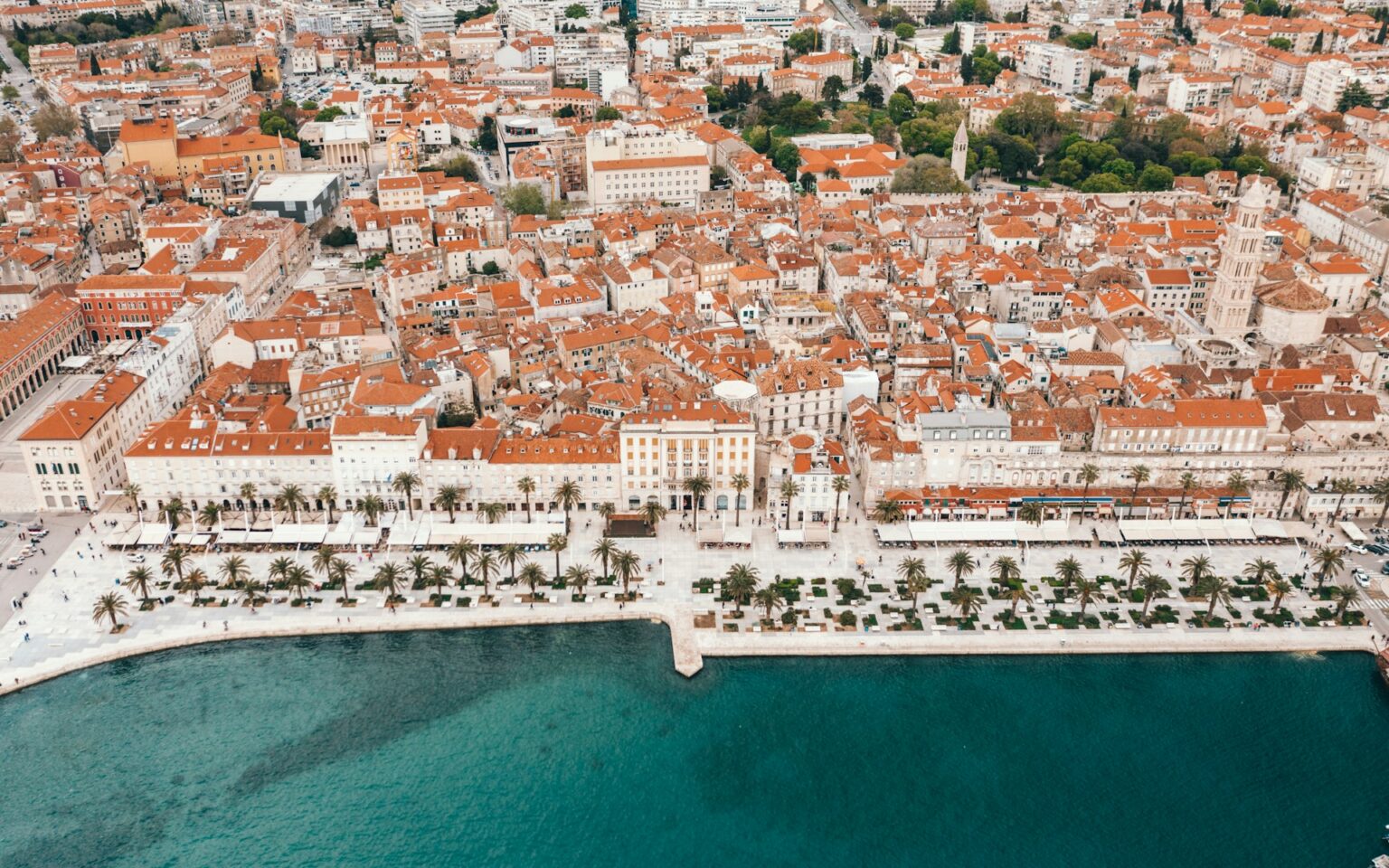

Split is the ideal starting point for your Croatia travel experience, offering free walking tours as an inexpensive means of seeing its most beloved sights.
Wander the remains of Emperor Diocletian’s Palace (UNESCO World Heritage Site), spanning seven acres in Old Town. Rubbing its large toe is said to bring luck.
1. Diocletian’s Palace
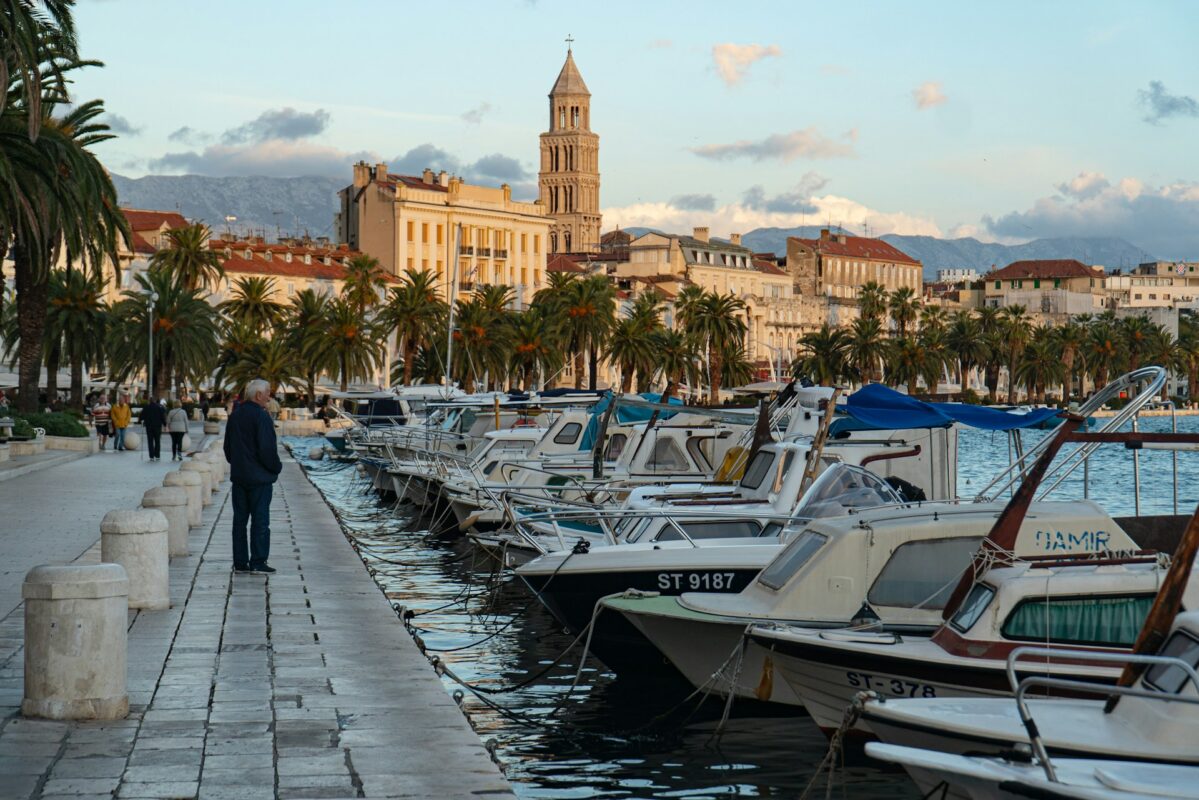
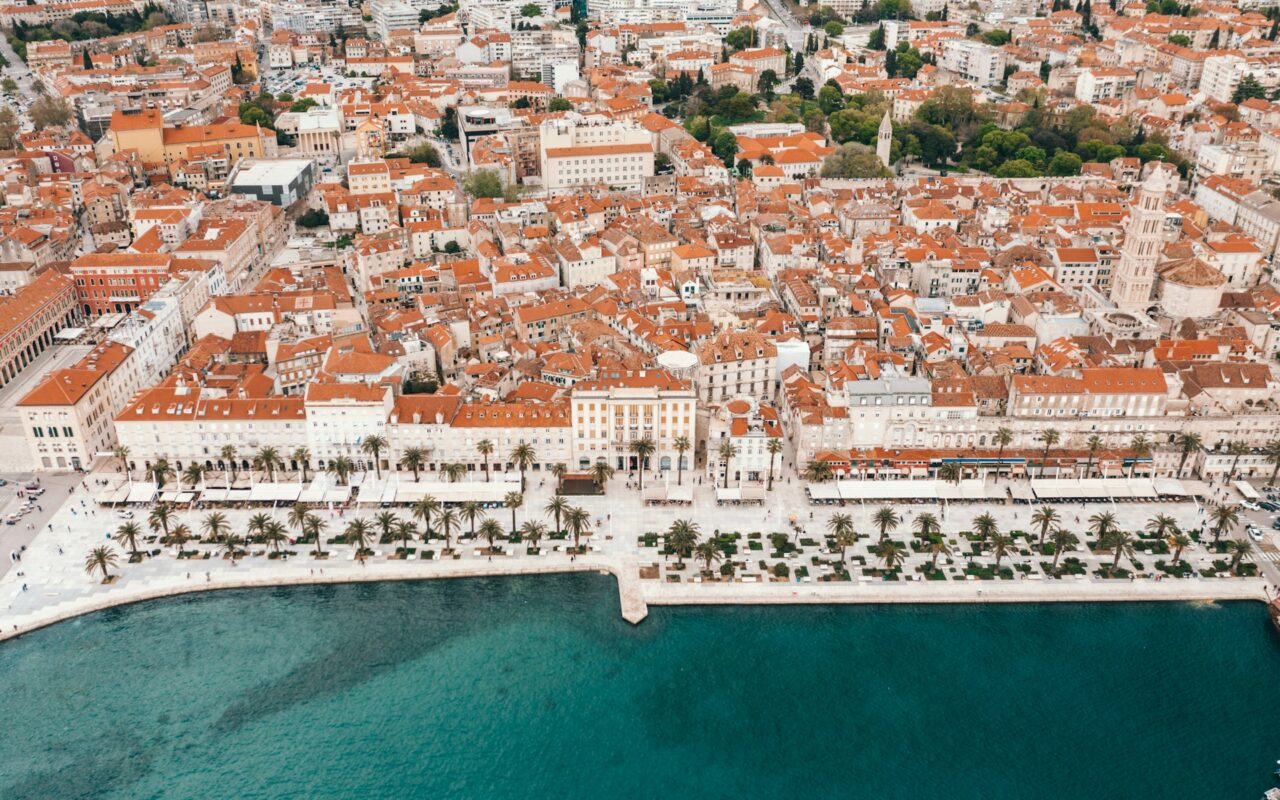
Diocletian’s Palace (Croatian: iocletianski pala), designated a UNESCO World Heritage Site in 1979, stands as an impressive centerpiece in Split’s old town. Boasting towering walls enclosing temple ruins, restaurants and cafes, hotels, apartments markets cellars as well as St Domnius cathedral as well as medieval castle with an 187-foot bell tower offering incredible panoramic views of Split below, it provides visitors with unforgettable memories of their trip.
Diocletian’s Palace was constructed as a retirement retreat by Roman Emperor Diocletian; however, he died soon after its completion in 311. Diocletian selected an ideal site: a sunny bay lapped by warm Adriatic waters with two levels: lower for personal use while upper housed a military garrison. Over time, however, local inhabitants transformed Diocletian’s Palace into a bustling town.
Visitors to the palace may enter through one of four Split Gates that lead directly to the Peristyle square at its center. Most tours begin from the Bronze Gate on Riva; its modest appearance makes it especially inviting.
As you roam the bustling streets of this palace/fortress, take time to glance upward and locate Diocletian’s original arches and columns of Diocletian’s Palace despite most of its walls now being covered with restaurants or businesses. If possible, try walking at dawn or dusk when the streets are quieter; when the Peristyle square’s stones have still been polished by millions of feet it becomes magical; as well as providing an opportunity to appreciate the scale of this incredible structure which appears much smaller from below.
2. The Golden Gate
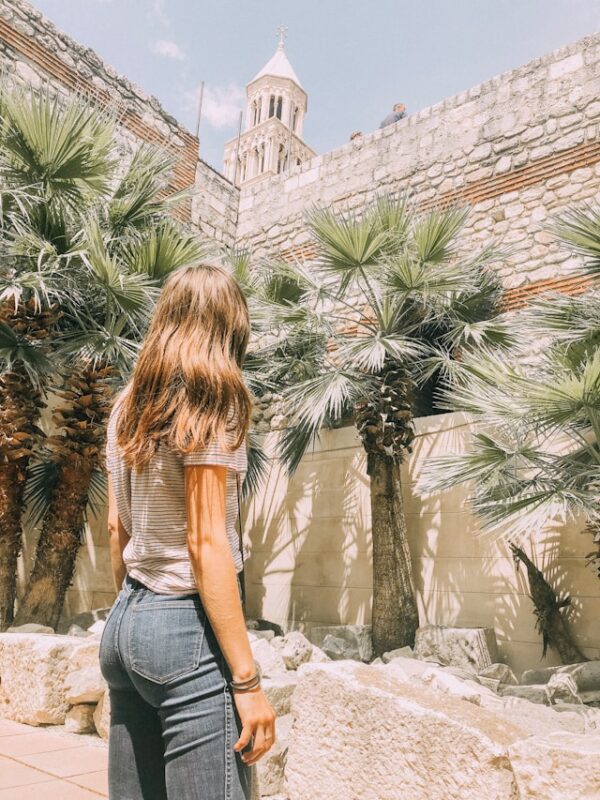
The Golden Gate is one of four main entry gates into Diocletian’s Palace’s stari grad (old town), symbolizing Split’s rich Roman history and rich rulers who once resided here. An iconic landmark, its entrance symbolizes their splendour and wealth.
The Golden Gate, also known as Porta Aurea, is the largest of four palace gates. Although called by its current name “Golden Gate,” its construction did not involve gold. Instead, the name was bestowed later to indicate its significance and importance; like other doors it provided shelter in times of attack while acting as an exit into harbors.
At present, the Golden Gate serves as an entryway into Split’s UNESCO world heritage site and is used by residents living in its old city. It provides an ideal way to appreciate both its beauty and unique culture still found within its walls.
Split is known for its rich history, which draws tourists in droves. Its historic ruins stand as reminders of Roman empire’s glory while locals are welcoming and eager to show visitors around.
Split is home to Croatia’s second-biggest airport and sees heavy domestic and European traffic, located 20km away and offering year-round services to a few European destinations. There are also regular bus and ferry connections from Split to other locations within Croatia or further afield; day trips from here often include exploring islands, national parks and even rafting adventures!
3. Grgur Ninski
Grgur Ninski (locally referred to as Gregory of Nin) stands out among Split’s tourist attractions as both an icon of independence and source of local pride. Ivan Mestrovic crafted it and his statue depicts a medieval Croatian bishop who played an essential part in safeguarding local language during Middle Ages; other similar monuments created by him can be found worldwide such as Bucharest in Romania or Chicago in US.
Split was caught in the power struggle between local city-states and Venetian Empire during its High and Late Middle Ages periods, ultimately being governed by Venice for about 416 years, 1420-1797; Austria from 1848 till 1918 when Yugoslavia adopted it and later Croatia joined it.
Today, Split is a vibrant center of Croatian culture, boasting a long literary tradition dating back to medieval times. Notable authors who have emerged from Split include Marko Marulic and Tijana Lazar. Additionally, Oskar Herman wrote extensively in 1979 before it was added to UNESCO’s list of World Heritage Sites.
Split is also known for its music scene, boasting some of Croatia’s most acclaimed musicians like Oliver Dragojevic, Gibonni, Magazin, Dino Dvornik, Zdenko Runjic and Tonci Huljic as top bands and artists from this area. RK Nada rugby union club in Split is an especially major presence and considered its most successful sports team; walking tours, museum visits or taking in its vibrant nightlife can all add an unforgettable experience here!
4. The Cathedral
The Cathedral of Saint Domnius stands as an iconic structure in Split’s old town. Once part of Diocletian’s Mausoleum, this majestic structure was converted to a cathedral in the 7th century and remains one of its most recognizable structures today. Built as both Romanesque and Gothic styles combine, its 14 wooden doors display scenes from Jesus Christ’s life – making this cathedral truly unforgettable!
The Cathedral, situated within Diocletian’s Palace and on Peristyle, is an absolute must-see when visiting Split. Tourists and locals alike flock to it as its incredible views of Old Town, Harbour, Adriatic Sea and Bell Tower offer panoramic vistas over this seaport city. Additionally, climbing its steps reveals stunning panoramas.
If you are fortunate enough to spend two days in Split, I recommend visiting Marjan’s Hill and Klis Fortress – two very accessible day trips that will give you an insight into some of its lesser-known cultures.
Split is an architectural landmark of immense historical importance and displays many influences from various eras, particularly between the two World Wars when it was part of Austro-Hungarian Empire and later Croatia. Later it became part of Yugoslav republics then Serbia-Montenegro state before returning back into Croatian hands once more – this political arrangement having profound effects on its development which is still ongoing today.
5. The Pazar
Split is renowned for its labyrinthine streets, historic buildings, and lively atmosphere that make for an irresistibly captivating destination. From its 1,700-year-old Diocletian Palace to Riva promenade – and even permanent structures with corrugated iron fronts selling meats and homemade cheeses – Split has something special to offer visitors of any age or interest. Of particular note is its daily Pazar Market featuring everything from fresh seafood to Croatian cheeses and produce. But one of its greatest draws is definitely its daily Pazar Market featuring all sorts of food available year-round from fresh seafood and produce all across Croatian cheeses and produce along Hrvojeva Street between Diocletian’s Palace eastern wall and Silver Gate which features permanent structures selling meats and homemade cheeses as well as their counterparts selling home made versions!
The Pazar is a culinary delight that offers an authentic taste of Dalmatian cuisine. Here you can sample olive oils infused with citrus or herbs as well as delicious seafood such as grilled sardines and octopus salad, along with other local specialities such as cheeses like Paski Sir from Pag Island and Skripavac that is drizzled over bread for serving, while Croatian desserts like fritule (doughnut-like pastries) and dried figs will satisfy even your sweet tooth.
The Pazar is an essential destination for foodies exploring Split’s culinary traditions. Be it purchasing high-grade olive oil, indulging in an extravagant seafood lunch, or sampling authentic Croatian cuisine, The Pazar will leave a lasting impression in your travel memories.