


The Historical Significance of the Ionian Sea in Ancient Greece
The Ionian Sea in ancient Greece held immense historical significance, serving as a dynamic hub of trade, culture, and exploration. Its strategic location between Greece, Italy, and the eastern Mediterranean made it a crucial maritime route connecting different civilizations.
It was within these waters that the Greeks embarked on epic voyages, expanding their influence and imprinting their legacy on the world. The Ionian Sea became a focal point for the rise of Greek colonies, naval warfare, and the exchange of ideas, leaving an indelible mark on the history and development of ancient Greece.
The Ionian Sea not only provided a route for trade, but it also fostered cultural exchanges and interactions between the Greeks and other civilizations. The sea was dotted with numerous islands and ports, such as Corfu, Zakynthos, and Ephesus, which became bustling centers of commerce and cultural exchange. These cities flourished as hubs of trade, attracting merchants, philosophers, and artists from different parts of the ancient world.
The Ionian Sea acted as a catalyst for the spread of Greek culture, literature, and philosophy, influencing both the eastern and western Mediterranean civilizations. It can be said that the historical significance of the Ionian Sea extends far beyond its geographical boundaries, permeating the very essence of ancient Greek civilization.
Highlights:
- Dynamic hub of trade, culture, and exploration
- Crucial maritime route connecting different civilizations
- Focal point for the rise of Greek colonies and naval warfare
- Fostered cultural exchanges and interactions between Greeks and other civilizations
- Dotted with numerous islands and ports such as Corfu, Zakynthos, and Ephesus
- Catalyst for the spread of Greek culture, literature, and philosophy
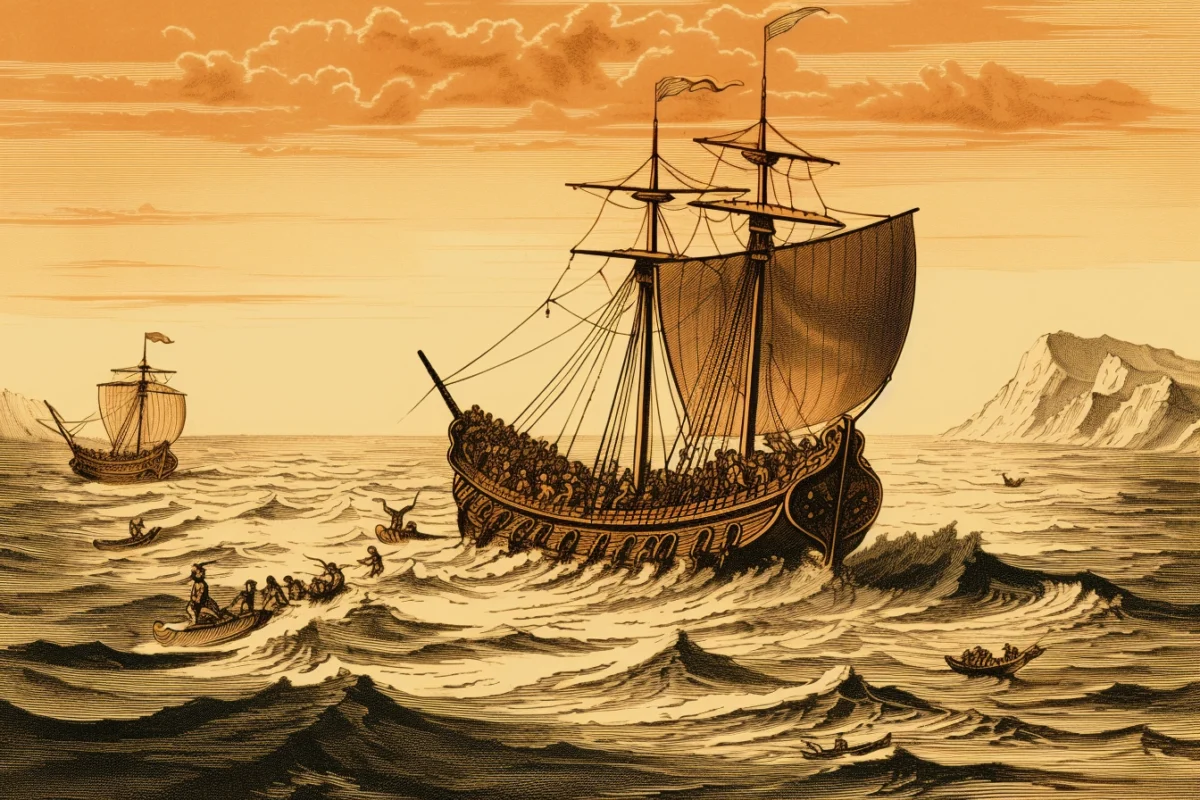
The Geographical Features of the Ionian Sea and its Influence on Ancient Greek Civilization
The Ionian Sea, located between the western coast of Greece and the eastern coasts of Italy and Albania, boasts a unique set of geographical features that have greatly influenced ancient Greek civilization.
With its expansive size and deep waters, the Ionian Sea provided the ancient Greeks with abundant opportunities for maritime trade and exploration. Its gentle tides and calm waters made it an ideal route for ships to navigate, facilitating connections between various Greek city-states and fostering economic growth.
One key geographical feature of the Ionian Sea is its numerous islands, such as Corfu, Zakynthos, and Kefalonia. These islands served as important stopping points for ships traveling through the Ionian Sea, offering sheltered ports for trade, rest, and resupply. They were also strategically positioned along trade routes, allowing the Greeks to establish colonies and expand their influence across the region.
Additionally, the surrounding mountain ranges, including the Peloponnese and Epirus, provided a picturesque backdrop and contributed to the natural beauty and allure of the Ionian Sea, inspiring poets and writers throughout ancient Greek history.
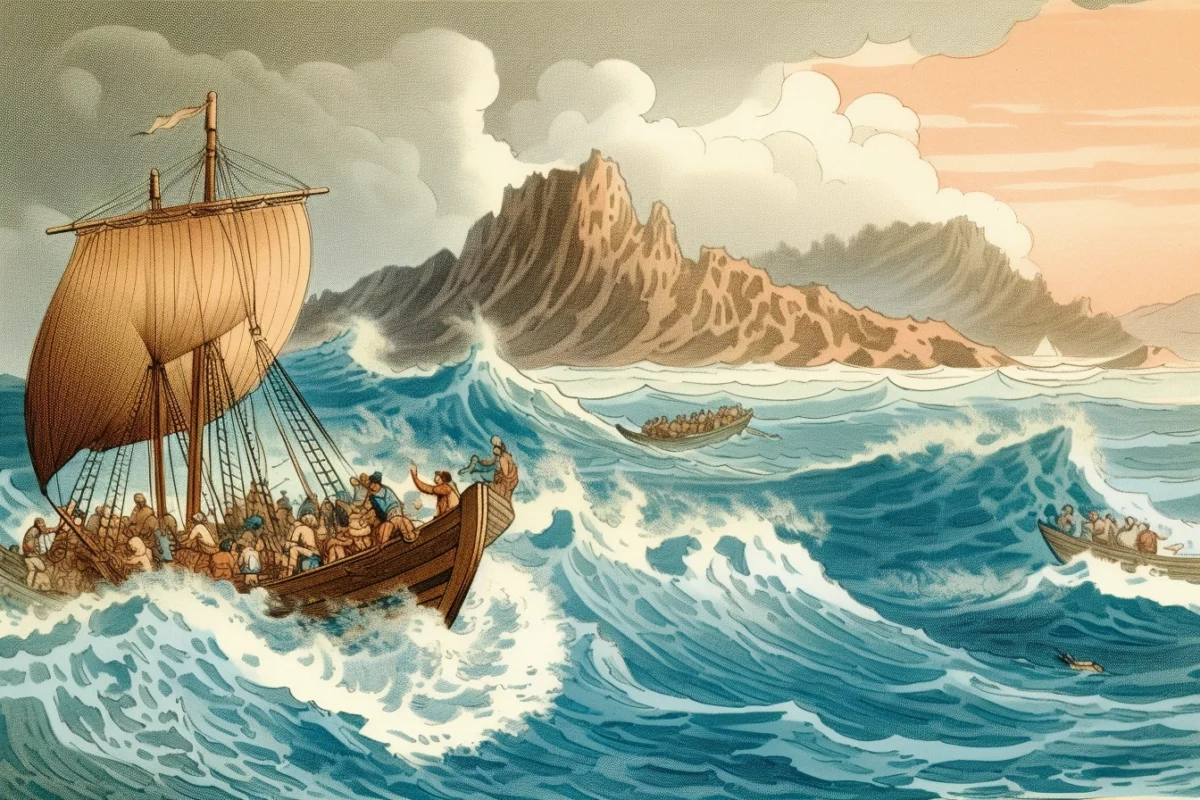
Exploring the Trade Routes and Maritime Activities of Ancient Greece in the Ionian Sea
The Ionian Sea played a crucial role in facilitating trade and maritime activities in ancient Greece. Situated between the western coast of Greece and the eastern coast of Italy, this sea served as a significant waterway connecting diverse regions and fostering cultural and commercial exchanges.
One of the primary trade routes in the Ionian Sea was the Corinthian Gulf-Ionian Sea route. This route allowed for the transportation of goods between the city-states of Corinth, Athens, and other major ports along the way. Traders took advantage of the sea’s calm waters and favorable winds to transport a wide range of commodities, including grain, olive oil, wine, pottery, and textiles. These goods not only satisfied local demand but were also exported to other regions, contributing to the economic prosperity of ancient Greece.
The Ionian Sea’s strategic location thus made it an essential hub for both domestic and international trade.

The Role of the Ionian Sea in Greek Mythology and Literature
Located along the western coast of Greece, the Ionian Sea has played a significant role in Greek mythology and literature. In ancient Greek mythology, the Ionian Sea was often linked to the adventures of various gods and heroes. One of the most famous stories associated with this sea is the myth of Odysseus, whose ten-year journey home from the Trojan War was filled with perilous encounters and trials on the Ionian Sea. It is in these tales that the Ionian Sea becomes a mystical and unpredictable force, symbolizing both the allure and dangers of the unknown.
In Greek literature, the Ionian Sea is frequently mentioned as a backdrop for epic poems and tragic plays. The sea’s vast expanse and its unpredictable nature serve as a metaphor for the vastness of the human experience and the turbulent nature of life. It is within these literary works that the Ionian Sea becomes a symbol of both escape and confinement, freedom and captivity. The sea represents a constant theme of longing and adventure, as characters frequently set sail from its shores in search of new lands, wealth, or personal fulfillment.
The Ionian Sea, with its captivating beauty and untamed power, becomes an integral part of the narrative tapestry of Greek literature, adding depth and richness to the stories told.
Key Points:
- Ionian Sea played a significant role in Greek mythology and literature
- Odysseus myth is one of the most famous stories associated with the sea
- The sea symbolizes allure, dangers, escape, and confinement
- It represents a constant theme of longing and adventure in Greek literature
- The Ionian Sea adds depth and richness to the stories told.
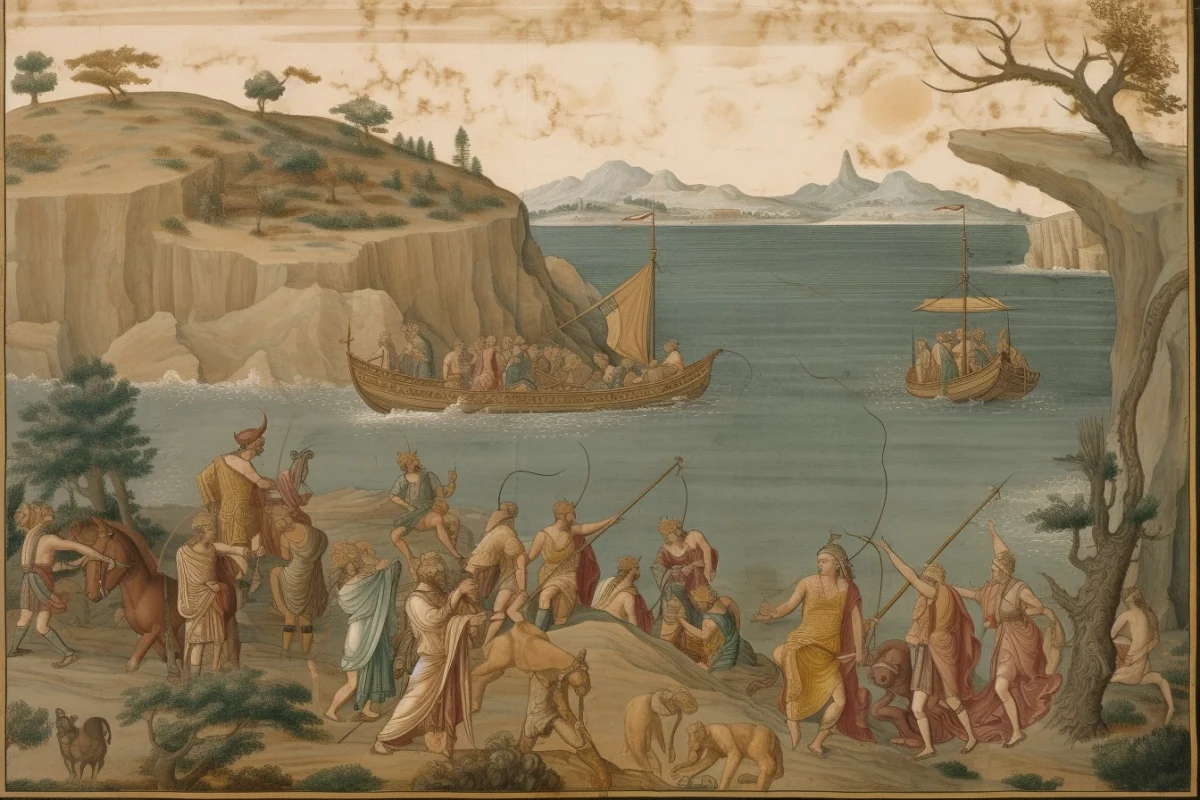
The Ionian Sea as a Cultural Crossroad: Interactions and Exchanges in Ancient Greece
The Ionian Sea played a crucial role in the interactions and exchanges of ancient Greek civilization. Situated between the eastern coast of Italy and the western coast of Greece, it served as a natural crossroad between different cultures and civilizations. The geographical position of the Ionian Sea made it a significant hub for trade, as well as a source of inspiration for literature, art, and mythology.
The sea’s proximity to various ancient Greek city-states fostered the exchange of goods, ideas, and cultural practices. The Ionian Sea became a bustling center for maritime trade, with merchants and sailors traversing its waters to connect with distant lands. This constant flow of goods and people led to the establishment of thriving markets and flourishing economic activities along its shores.
Moreover, this cultural crossroad facilitated the spread of knowledge and intellectual achievements, as scholars, philosophers, and artists from different regions gathered to exchange ideas and learn from one another. Over time, the Ionian Sea became a melting pot of cultures, contributing to the diversity and richness of ancient Greek society.
Key characteristics of the Ionian Sea:
- Strategic geographical location between Italy and Greece
- Hub for trade and commerce, connecting different regions
- Cultural exchange and cross-pollination among city-states
- Melting pot of knowledge and intellectual achievements
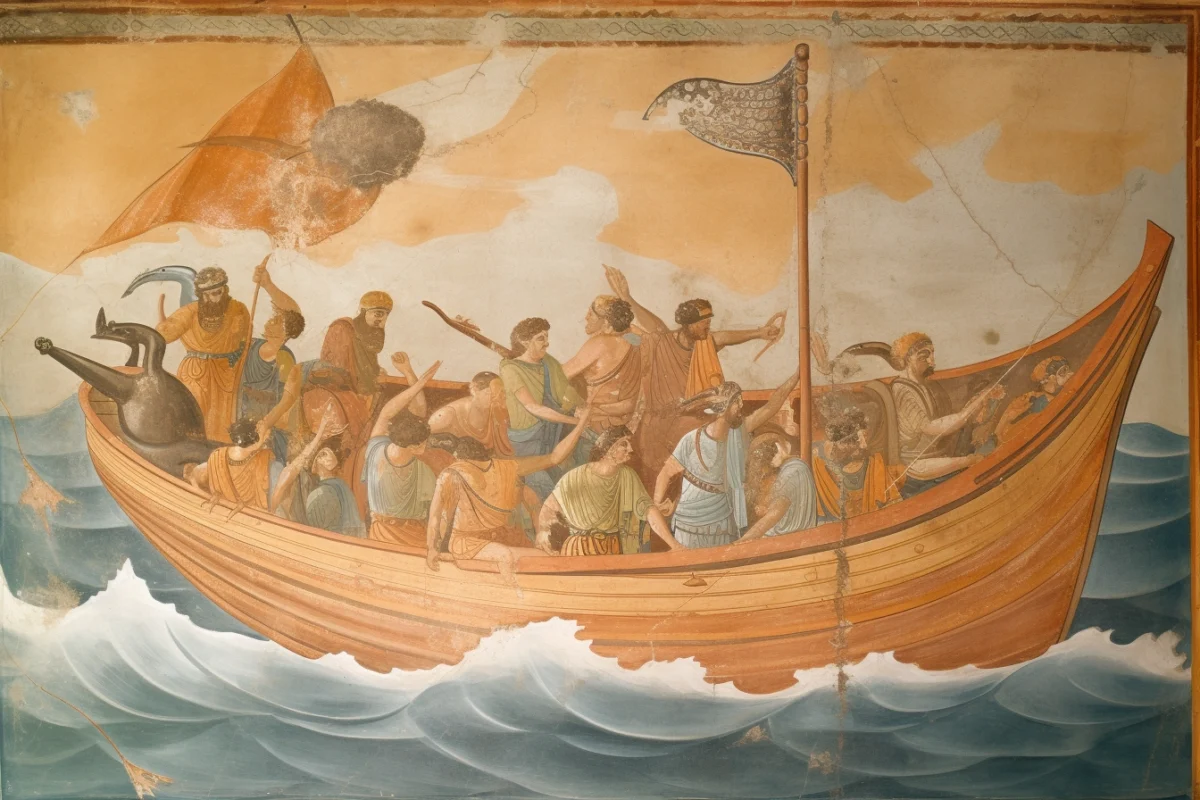
The Impact of the Ionian Sea on the Development of Greek Colonization
The Ionian Sea played a pivotal role in the development of Greek colonization during ancient times. Its strategic location and unique geographical features presented opportunities for Greek city-states to expand their influence and establish new colonies across its shores. The sea served as a pathway to new lands and resources, enabling the Greeks to establish thriving settlements in neighboring regions.
The Ionian Sea’s proximity to the Greek mainland made it an ideal location for maritime trade and exploration. Its extensive network of trade routes facilitated the movement of goods, ideas, and people, fostering cultural exchange and economic growth. As Greek city-states sought to expand their territories and secure access to valuable resources, they looked to the Ionian Sea as a means to achieve their goals. The sea’s natural harbors and favorable sailing conditions allowed for efficient transportation and communication, facilitating the establishment of colonies along its coastlines. These colonies not only served as commercial hubs but also as strategic outposts, enhancing the power and influence of their parent city-states.
Through the exploration and colonization of the Ionian Sea, the Greeks expanded their reach and left an indelible imprint on the surrounding regions.
Key Points:
- The Ionian Sea played a pivotal role in Greek colonization during ancient times.
- Its strategic location and unique geographical features allowed Greek city-states to expand their influence.
- The sea served as a pathway to new lands and resources, enabling the establishment of thriving settlements.
- The extensive network of trade routes fostered cultural exchange and economic growth.
- The sea’s natural harbors and favorable sailing conditions facilitated efficient transportation and communication.
- Colonies along the coastlines served as commercial hubs and strategic outposts, enhancing the power of city-states.
- Greek exploration and colonization of the Ionian Sea left a lasting impact on the surrounding regions.
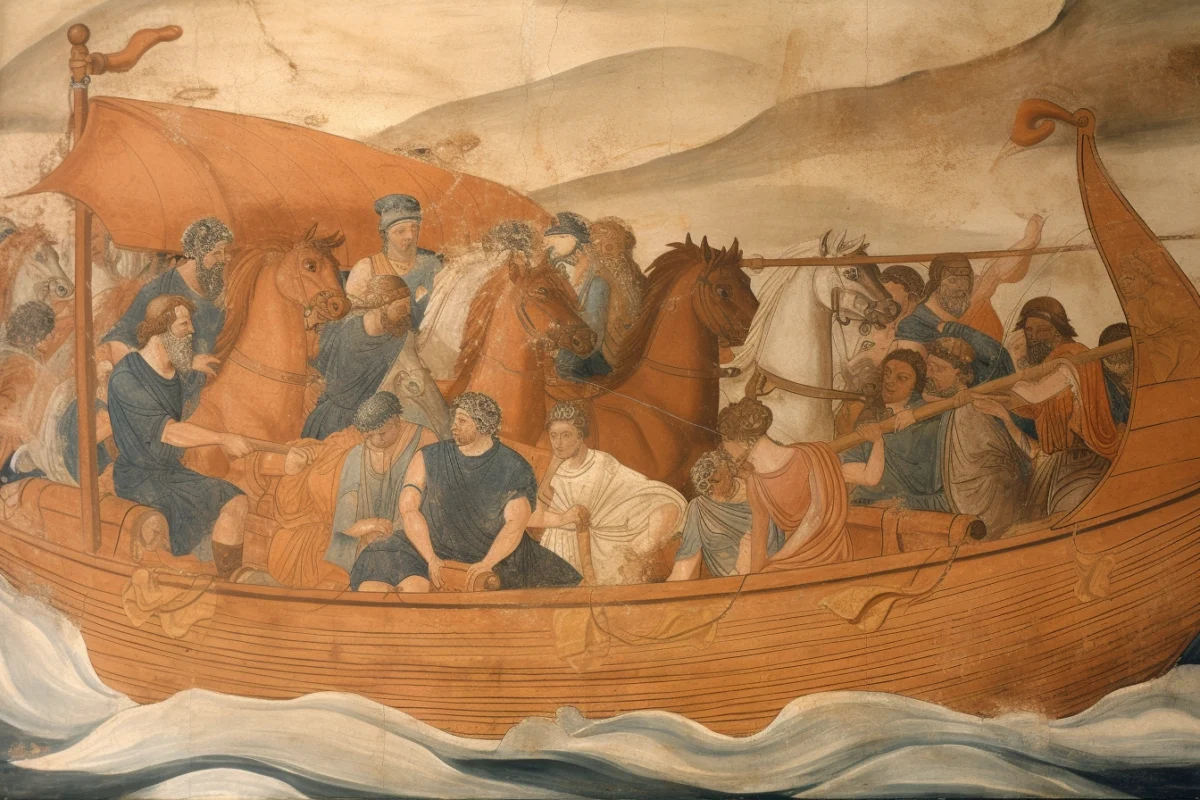
Notable Cities and Islands in the Ionian Sea during Ancient Greece
Located off the western coast of mainland Greece, the Ionian Sea was home to several notable cities and islands during ancient times.
One of the most prominent cities was Corcyra, known today as Corfu. Corcyra was strategically positioned along the maritime trade routes, which allowed it to flourish as a major trading center. With its prosperous economy and strong navy, Corcyra played a significant role in both regional politics and trade networks.
Another important city in the Ionian Sea was Syracuse, situated on the eastern coast of Sicily. Founded by Greek colonists from Corinth in the 8th century BCE, Syracuse quickly grew into a powerful city-state. It became renowned for its cultural and intellectual achievements, being the birthplace of famous thinkers and mathematicians such as Archimedes. Syracuse’s position in the Ionian Sea made it a crucial hub for maritime activities and a coveted prize for neighboring powers seeking to control its resources and strategic advantages.
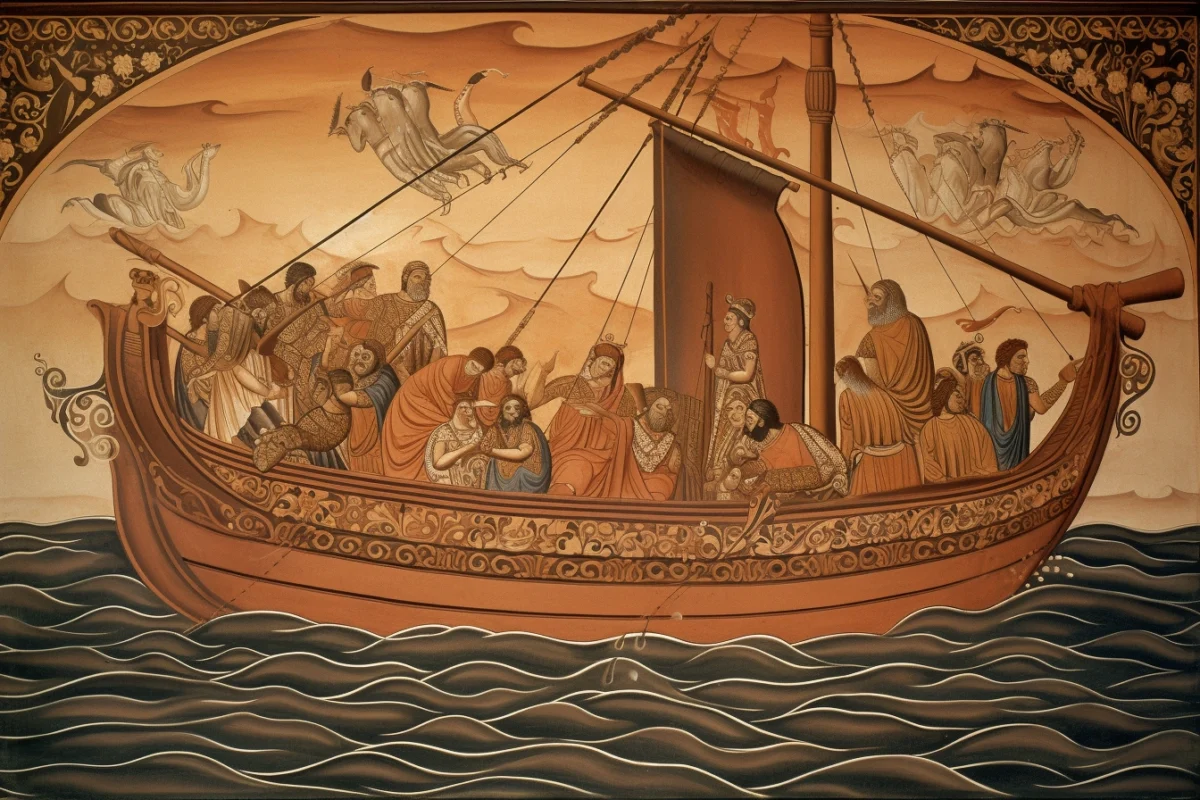
The Ionian Sea in Warfare: Naval Strategies and Battles of Ancient Greece
The Ionian Sea played a vital role in the military strategies and battles of ancient Greece. With its strategic location between Greece and the western coast of Asia Minor, the Ionian Sea served as a battleground for various city-states and empires vying for control.
Naval warfare was a crucial aspect of ancient Greek warfare, and the Ionian Sea provided an ideal environment for the development of advanced naval strategies.
The sea’s geographical features, such as its narrow channels and numerous islands, posed both advantages and challenges for naval engagements. The narrow straits, such as the Strait of Messina and the Corinthian Gulf, provided opportunities for ambushes and surprise attacks. In addition, the presence of numerous islands allowed for the establishment of naval bases and provided shelter for fleets during storms or when pursued by enemies. However, the islands also created navigational challenges and restricted fleet movements, leading to the development of tactics that relied on disciplined formations and coordinated maneuvers.
These tactics, including the famous “diekplous” or “periplous,” involved the rapid movement of ships through narrow passages or around islands to outmaneuver and disable enemy vessels.
Key Points:
- Ionian Sea served as a battleground for city-states and empires in ancient Greece.
- Naval warfare was crucial in ancient Greek warfare.
- Narrow channels and islands posed advantages and challenges.
- Islands provided naval bases and shelter, but also created navigational challenges.
- Tactics like “diekplous” involved rapid ship movements to outmaneuver enemies.
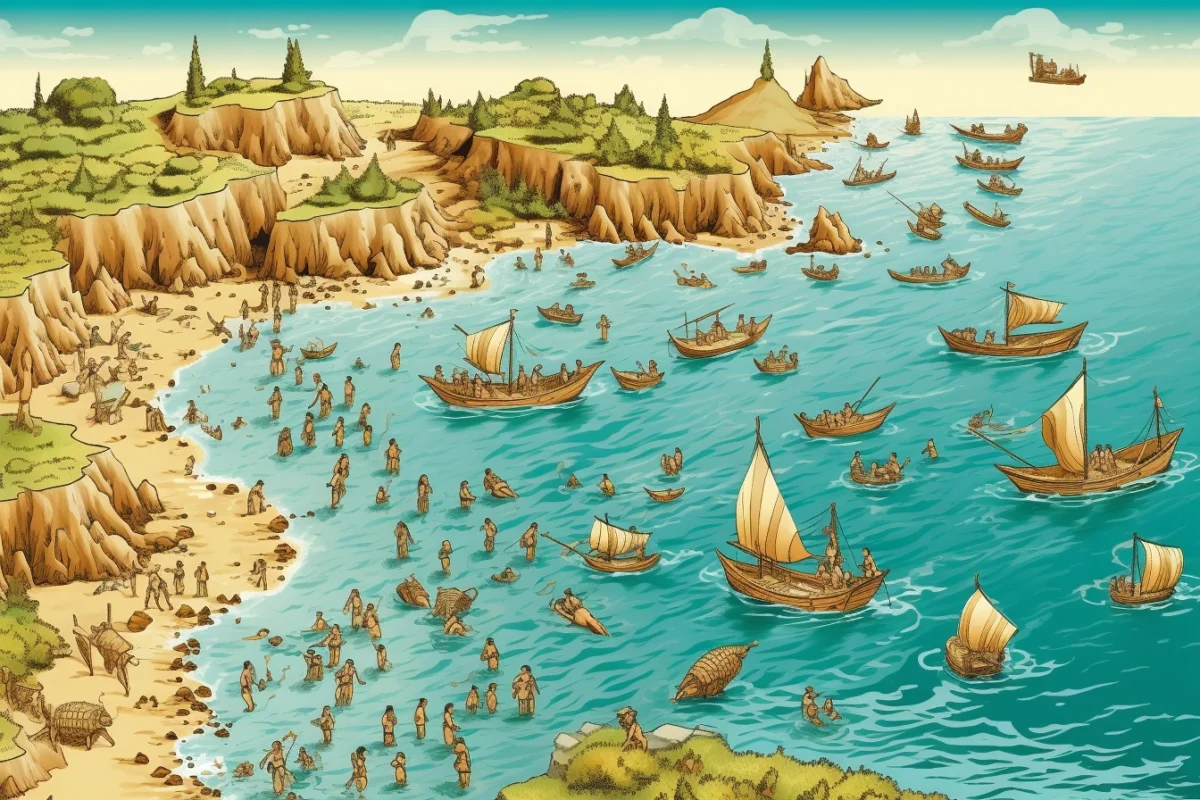
Environmental Challenges and Resources of the Ionian Sea for Ancient Greek Society
The Ionian Sea, located between the western coasts of Greece and the eastern coast of Italy, was a vital resource for Ancient Greek society. However, it was not without its environmental challenges.
One of the main challenges faced by the Greeks was the unpredictable nature of the sea itself. The Ionian Sea was known for its turbulent waters and unpredictable weather, making navigation treacherous for ancient mariners. Storms and strong currents posed significant risks to ships, leading to shipwrecks and loss of valuable cargo.
Despite the challenges, the Greeks utilized the resources provided by the Ionian Sea to fuel their economy and support their civilization.
The waters of the Ionian Sea were rich in marine life, serving as a valuable resource for the Greeks. The sea was teeming with a variety of fish, including tuna, sardines, and mackerel, which were an important part of the Greek diet. Additionally, the Greeks found opportunities for trade and commerce through fishing. They established thriving fishing communities along the shores of the Ionian Sea, where they would catch, process, and trade fish with neighboring regions.
The abundance of marine resources provided the Greeks with not only sustenance but also economic opportunities, making the Ionian Sea a crucial part of their society.
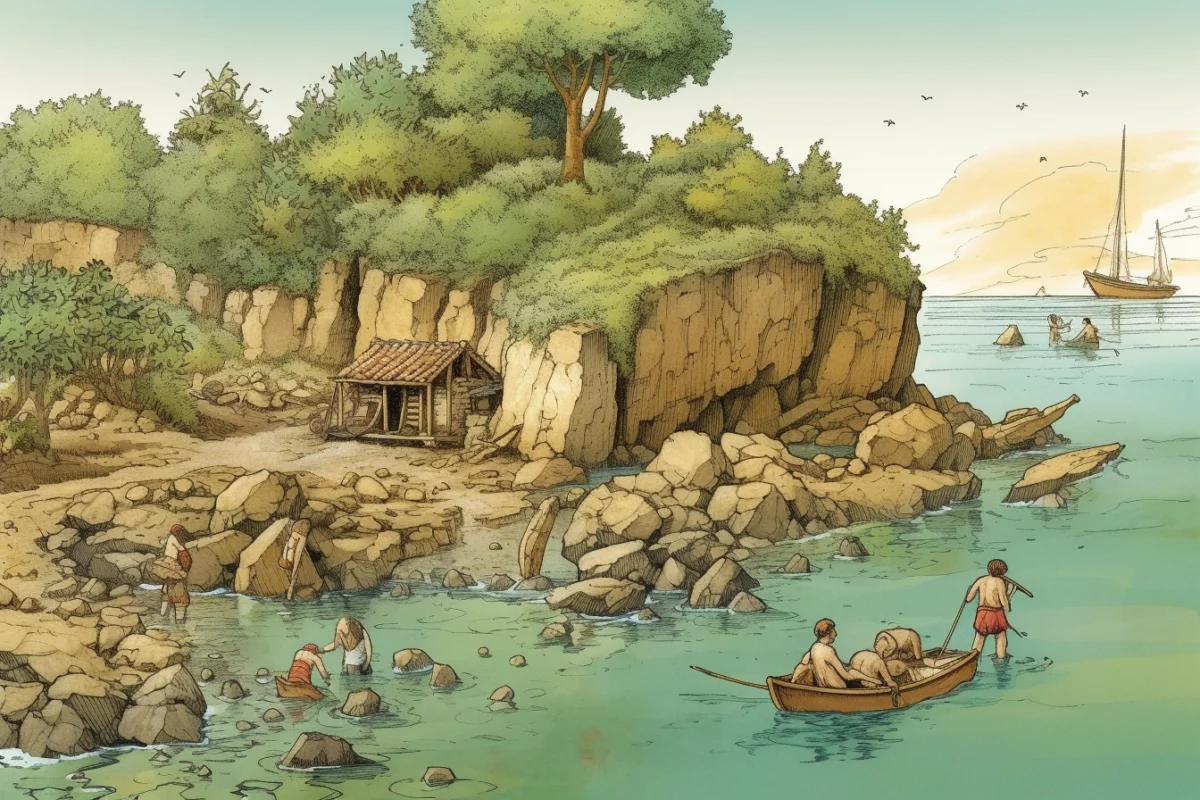
The Legacy of Ancient Greece in the Ionian Sea Region: Historical, Cultural, and Archaeological Perspectives
The legacy of ancient Greece in the Ionian Sea region is vast, encompassing a rich historical, cultural, and archaeological tapestry. This region, which includes the coastlines of modern-day Greece and Albania, was home to some of the most influential ancient Greek city-states, such as Athens, Corinth, and Sparta. These cities were hubs of artistic, intellectual, and political innovation, leaving an indelible mark on the development of Western civilization.
From the birthplace of democracy in Athens to the military prowess of the Spartans, the Ionian Sea region was a crucible of ideas that continues to shape our understanding of ancient history.
One of the most significant cultural contributions of ancient Greece in the Ionian Sea region was its impact on the arts. From epic poetry to theater, the ancient Greeks cultivated a love for creative expression that laid the foundation for Western literary traditions. Writers such as Homer, Aeschylus, and Euripides drew inspiration from the vibrant coastal landscapes, drawing upon the mythology, history, and ideas of their time. These works continue to be studied and appreciated today, underscoring the enduring legacy of ancient Greece in the Ionian Sea region.
Additionally, the region is also dotted with numerous archaeological sites, offering glimpses into the lives and achievements of ancient Greeks. From the iconic ruins of the Parthenon in Athens to the ancient theaters of Epidaurus, these remnants of the past serve as testaments to the ingenuity and mastery of ancient Greek architects and craftsmen.
Trip-ready gear from Amazon
As an Amazon Associate, grandgo.com earns from qualifying purchases. Links below are affiliate links — clicking them may earn us a small commission at no extra cost to you. Prices and availability are shown on Amazon.co.uk.
- Snorkel mask travel pack — Crystal Greek waters.
- Lonely Planet Greek Islands guide — Island-hopping planning.
- Reef-safe sunscreen SPF 50 — Ionian + Aegean essential.