


Ingredients needed for Thai Yellow Curry
To bring the vibrant flavors of Thai Yellow Curry to life, you will need a carefully curated selection of ingredients. The star of the show is undoubtedly the curry paste, which can be made from scratch or purchased pre-made. The paste typically includes ingredients such as turmeric, coriander, cumin, lemongrass, galangal, and garlic, resulting in its characteristic yellow hue and fragrant aroma.

To build upon the flavors of the curry paste, essential components include coconut milk, which lends a creamy and indulgent texture, as well as depth and richness to the dish. Other key ingredients include vegetables such as bell peppers, onions, and potatoes, which provide a beautiful medley of colors and textures. Protein options can range from chicken or beef to tofu or shrimp, allowing for a variety of delicious interpretations. Adding a squeeze of lime juice and a handful of fresh herbs like Thai basil or cilantro will elevate the flavors and add a bright, refreshing note.
• Curry paste (turmeric, coriander, cumin, lemongrass, galangal, garlic)
• Coconut milk
• Bell peppers
• Onions
• Potatoes
• Protein options (chicken, beef, tofu, shrimp)
• Lime juice
• Fresh herbs (Thai basil or cilantro)
The history and origins of Thai Yellow Curry
Thai Yellow Curry, known in Thai as “Gaeng Karee,” is a flavorful and aromatic dish that has a rich history and interesting origins. It is believed that yellow curry originated in the southern region of Thailand, where it is still widely popular today. The dish draws its inspiration from Indian and Malay cuisines, which have had a strong influence on Thai culinary traditions.
The origins of yellow curry can be traced back to the 17th century when the Thai kingdom of Ayutthaya was flourishing. During this time, traders from India and Middle Eastern countries brought with them various spices and cooking techniques, introducing new flavors and ingredients to the Thai cuisine. Yellow curry is a prime example of this culinary exchange and reflects the fusion of flavors that emerged from this cross-cultural interaction. It quickly became a cherished dish in Thai cuisine, celebrated for its vibrant color and delightful combination of spices. Today, Thai Yellow Curry is not only enjoyed in Thailand but has also gained popularity around the world, becoming a staple in many international Thai restaurants.
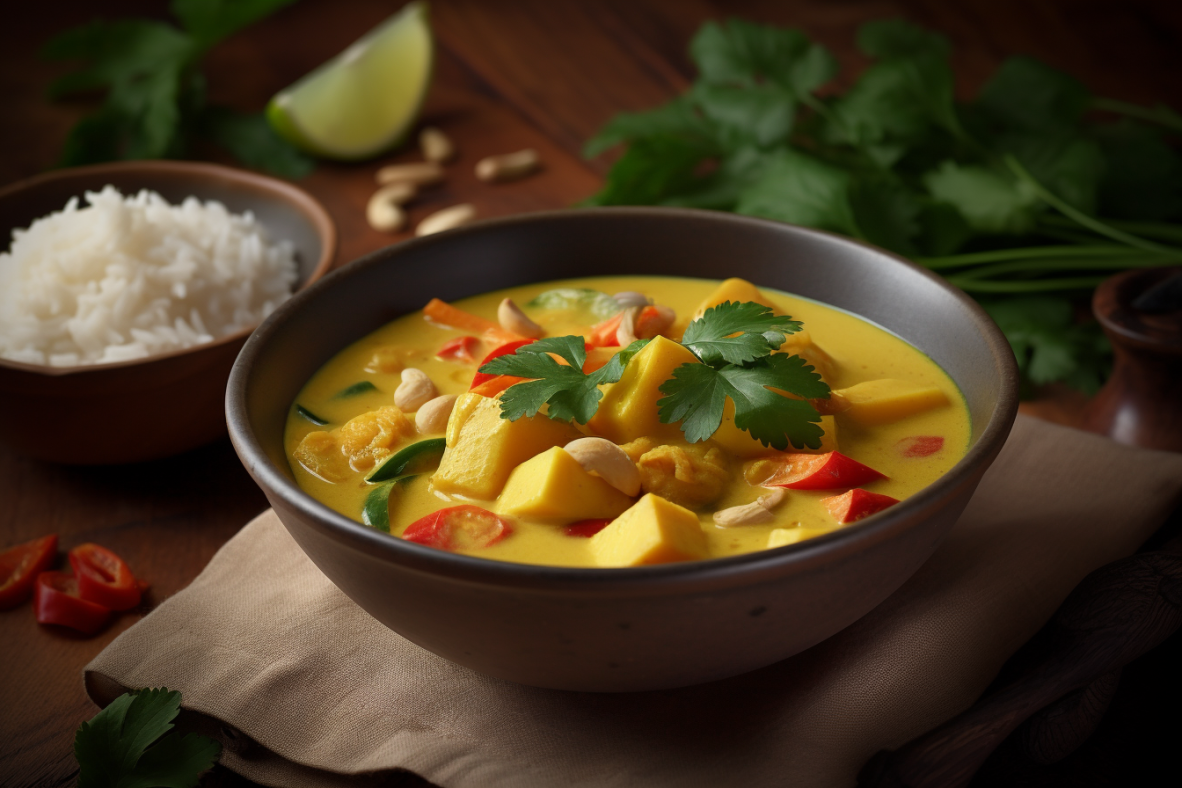
The significance of yellow curry in Thai cuisine
Yellow curry holds immense significance in Thai cuisine, playing an integral role in the diverse culinary landscape of Thailand. Its vibrant color and complex flavors add a unique dimension to Thai dishes, making it a standout in the culinary world. The bold and aromatic nature of yellow curry reflects the Thai culture, known for its vibrant and dynamic traditions. It symbolizes the harmonious blending of various spices and ingredients, a demonstration of the Thai people’s talent for creating balanced and flavorful dishes.
In Thai cuisine, yellow curry represents a rich cultural heritage and exemplifies the art of creating harmonious flavor profiles. Passed down through generations, the recipe for yellow curry encapsulates the essence of Thai cooking. This signature dish showcases the Thai philosophy of achieving a delicate balance between sweet, spicy, tangy, and herbal flavors. The use of traditional spices and herbs, mindful cooking techniques, and the meticulous selection of ingredients contribute to the unique and authentic taste of Thai yellow curry. It is this attention to detail and commitment to craftsmanship that sets Thai cuisine apart and has made yellow curry a beloved and iconic dish worldwide.
Traditional spices and flavors used in yellow curry
Yellow curry is known for its rich and complex flavors, achieved by combining a wide array of traditional spices and ingredients. The key spices used in yellow curry include turmeric, cumin, coriander, and cardamom. These spices not only contribute to the vibrant yellow color of the curry but also lend a warm and earthy aroma to the dish.
In addition to the spices, yellow curry is often infused with the flavors of lemongrass, kaffir lime leaves, and galangal. Lemongrass provides a citrusy and refreshing taste, while kaffir lime leaves add a unique tanginess. Galangal, on the other hand, adds a subtle hint of spiciness to the curry. Combined together, these ingredients create a harmonious blend of flavors that is distinctively Thai.
The combination and proportions of these traditional spices and flavors vary from one recipe to another, allowing for a diverse range of yellow curry dishes. The careful balance of spices and the precise use of ingredients are crucial in achieving the perfect harmony of flavors in yellow curry.
Step-by-step instructions for making Thai Yellow Curry
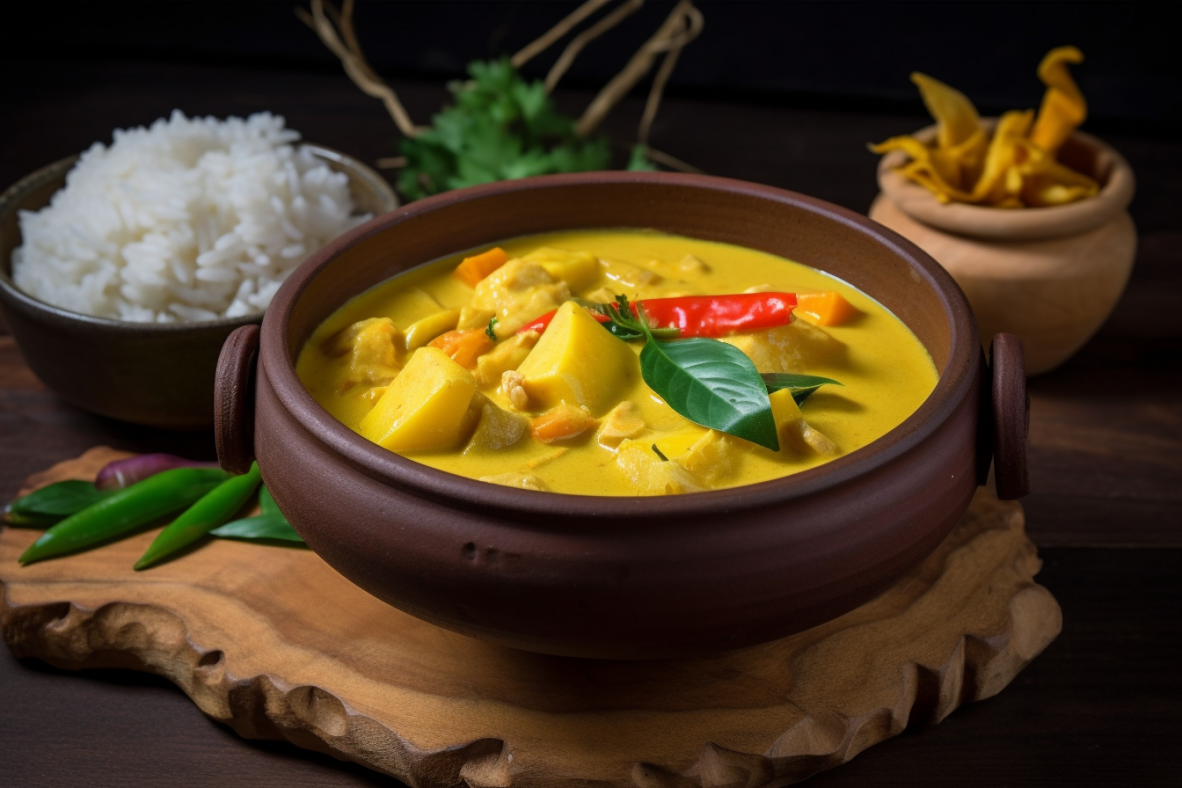
To make delicious Thai Yellow Curry, you will need a variety of ingredients. Begin by gathering 2 tablespoons of yellow curry paste, 1 can of coconut milk, 1 pound of chicken or vegetables of your choice, 1 onion, 2 cloves of garlic, 1 tablespoon of fish sauce, and 1 tablespoon of brown sugar. Additionally, have 1 red bell pepper, 1 carrot, and a handful of basil leaves ready for added flavor and garnish.
Start by heating some oil in a large pan or wok over medium heat. Add the chopped onion and minced garlic, sautéing until they become fragrant and slightly caramelized. Then, add in the yellow curry paste and stir it into the onion and garlic mixture, allowing the flavors to meld together. Gradually pour in the coconut milk, stirring continuously to create a smooth sauce. Next, add the chicken or vegetables and let them cook until they are tender. To enhance the taste, add the fish sauce and brown sugar, adjusting the amounts to your desired level of sweetness and saltiness. Finally, toss in the sliced bell pepper and carrot, letting them simmer until they are just cooked. Garnish with fresh basil leaves before serving with steamed rice.
Tips for achieving the perfect balance of flavors in yellow curry
When it comes to making the perfect yellow curry, achieving a harmonious balance of flavors is key. The distinct combination of sweet, savory, and spicy notes is what sets this Thai dish apart. To ensure that your yellow curry hits all the right taste buds, here are a few tips to keep in mind.
Firstly, take the time to properly toast your spices. This simple step helps to unlock their flavors and aromas, intensifying the overall taste of your curry. Place the spices in a dry pan over medium heat and stir them constantly until they become fragrant. Be careful not to burn them, as this can result in a bitter and unpleasant taste.
Next, pay attention to the amount of salt you add. Salt acts as a flavor enhancer and can help bring out the best in the other ingredients. However, it’s crucial to avoid over-salting, as this can overpower the delicate balance of flavors in the curry. Start with a small amount and gradually add more if needed, tasting along the way to ensure you achieve the perfect level of saltiness.
Lastly, don’t forget about the importance of acidity. A touch of acid, such as lime juice or tamarind paste, can brighten up the flavors and add a refreshing element to your yellow curry. Experiment with different acids to find the one that complements the other ingredients best, and add it towards the end of cooking for maximum impact.
By following these tips, you’ll be well on your way to creating a yellow curry that bursts with delicious flavors in every bite. Experiment, taste, and adjust as needed to achieve your own perfect balance.
Common variations and additions to yellow curry
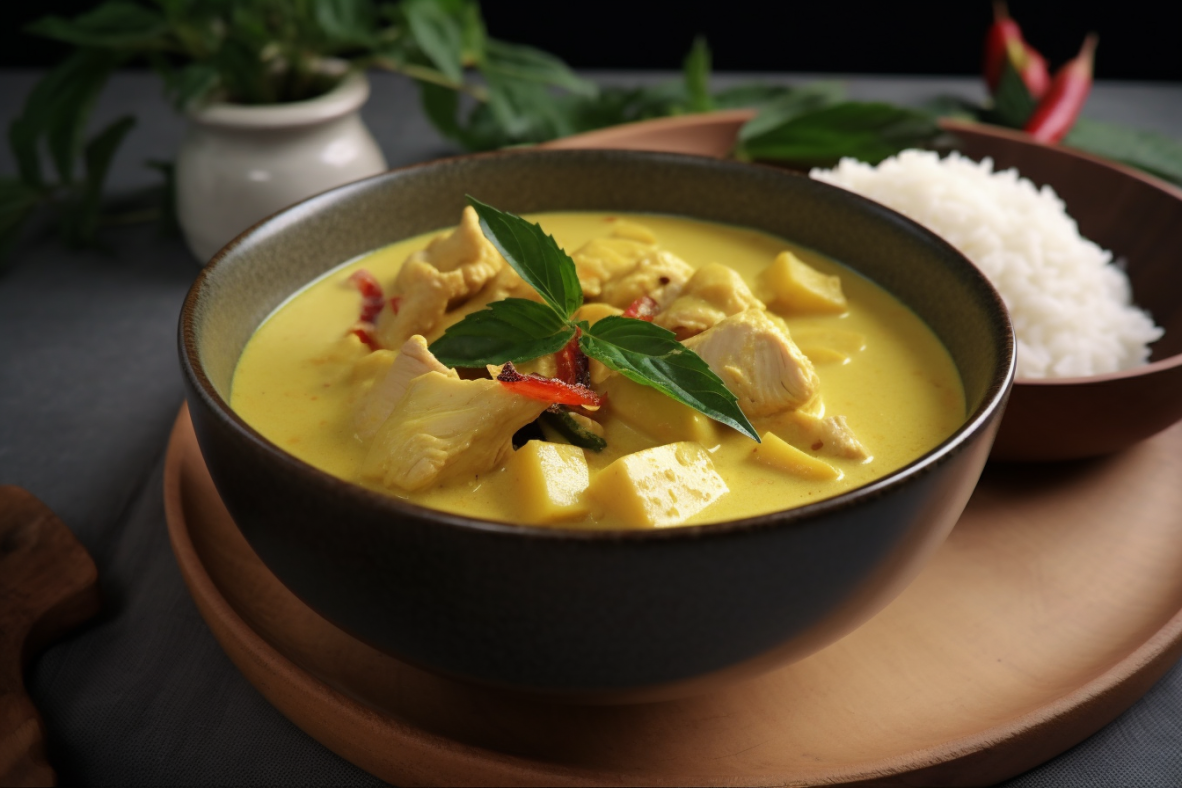
Yellow curry is a versatile dish that allows for various variations and additions, enhancing its flavors and textures. One popular variation is adding different types of protein, such as chicken, beef, shrimp, or tofu. The choice of protein can greatly impact the overall taste of the curry, providing different levels of richness and heartiness. Additionally, vegetables like bell peppers, carrots, and peas can be incorporated to add a vibrant and nutritious element to the dish.
To further elevate the flavors of yellow curry, some may choose to include additional spices and herbs. Common additions include lemongrass, kaffir lime leaves, and Thai basil, which contribute a fresh and aromatic profile. These ingredients not only enhance the taste but also lend a distinctive Thai essence to the dish. Furthermore, for those who prefer a spicier curry, adding chili paste or fresh chili peppers can bring an extra kick of heat. With so many variations and additions to choose from, yellow curry allows for endless possibilities to suit different preferences and palates.
Pairing suggestions for serving Thai Yellow Curry
In addition to being a tantalizing dish on its own, Thai Yellow Curry pairs beautifully with a variety of accompaniments. The creamy and aromatic flavors of the curry are enhanced when served with steamed jasmine rice, which provides a neutral base to balance the spices and absorb the fragrant sauce. The tender grains of rice perfectly complement the rich and flavorful curry, creating a satisfying and complete meal.
For those looking to add some texture and depth to their meal, Thai Yellow Curry can also be served with crispy fried noodles. The crunch of the noodles adds a delightful contrast to the creamy curry, creating a delightful mix of textures. Additionally, the noodles can help soak up the flavors of the curry, ensuring that no drop of the delectable sauce goes to waste. Whichever pairing option you choose, whether it be steamed rice or crispy noodles, serving Thai Yellow Curry with these accompaniments is sure to transport your taste buds to the vibrant streets of Thailand.
The cultural significance of yellow curry in Thailand
Yellow curry holds a deep cultural significance in Thailand, permeating everyday life and cherished traditions. It is a dish that has become synonymous with Thai cuisine and is often seen as a symbol of national identity. From family gatherings to religious ceremonies, yellow curry is an essential part of the Thai culinary landscape.
The vibrancy of yellow curry reflects the rich cultural diversity of Thailand. It encompasses a fusion of influences from neighboring countries such as India, Malaysia, and China, blending together to create a harmonious symphony of flavors. The complex combination of traditional spices and herbs used in yellow curry highlights the meticulous attention to detail and craftsmanship that Thai culture values. It is not just a dish; it is a testament to the creativity and craftsmanship of Thai chefs who have spent years mastering the art of preparing this delectable curry.
Health benefits of consuming Thai Yellow Curry
Loaded with a wide array of aromatic spices and flavors, Thai Yellow Curry not only delights the taste buds but also offers a plethora of health benefits. One of the key ingredients in the curry paste, turmeric, is packed with curcumin—a powerful antioxidant with potent anti-inflammatory properties. Consuming Thai Yellow Curry can help reduce inflammation in the body, potentially alleviating symptoms of conditions such as arthritis and improving overall joint health.
Additionally, the generous use of coconut milk in Thai Yellow Curry provides a rich source of medium-chain triglycerides (MCTs), a type of fatty acid that can contribute to increased feelings of fullness and enhance weight management efforts. MCTs have also been shown to improve cognitive function and provide a quick source of energy for the body. Moreover, with the inclusion of fresh vegetables like bell peppers, carrots, and broccoli, Thai Yellow Curry becomes a nourishing dish, contributing to a well-balanced diet rich in vitamins, minerals, and fiber. By incorporating Thai Yellow Curry into your culinary repertoire, you not only savor the flavors of Thailand but also boost your well-being in a delicious way.
Trip-ready gear from Amazon
As an Amazon Associate, grandgo.com earns from qualifying purchases. Links below are affiliate links — clicking them may earn us a small commission at no extra cost to you. Prices and availability are shown on Amazon.co.uk.
- Lonely Planet destination travel guide — Trip planning essential.
- Compact daypack travel — For city sightseeing.
- Reef-safe sunscreen SPF 50 — Beach + outdoor.