



Quick Answer
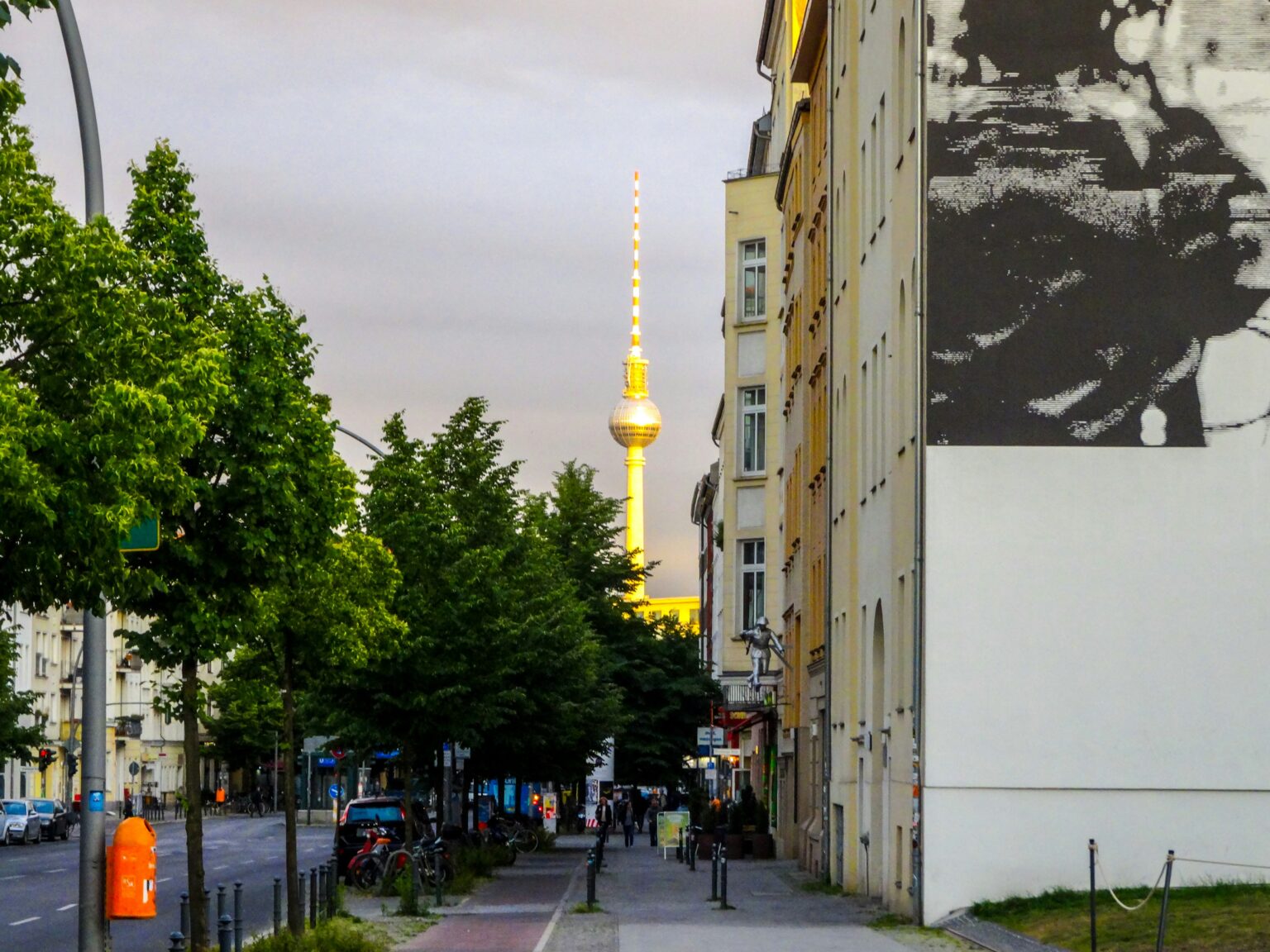
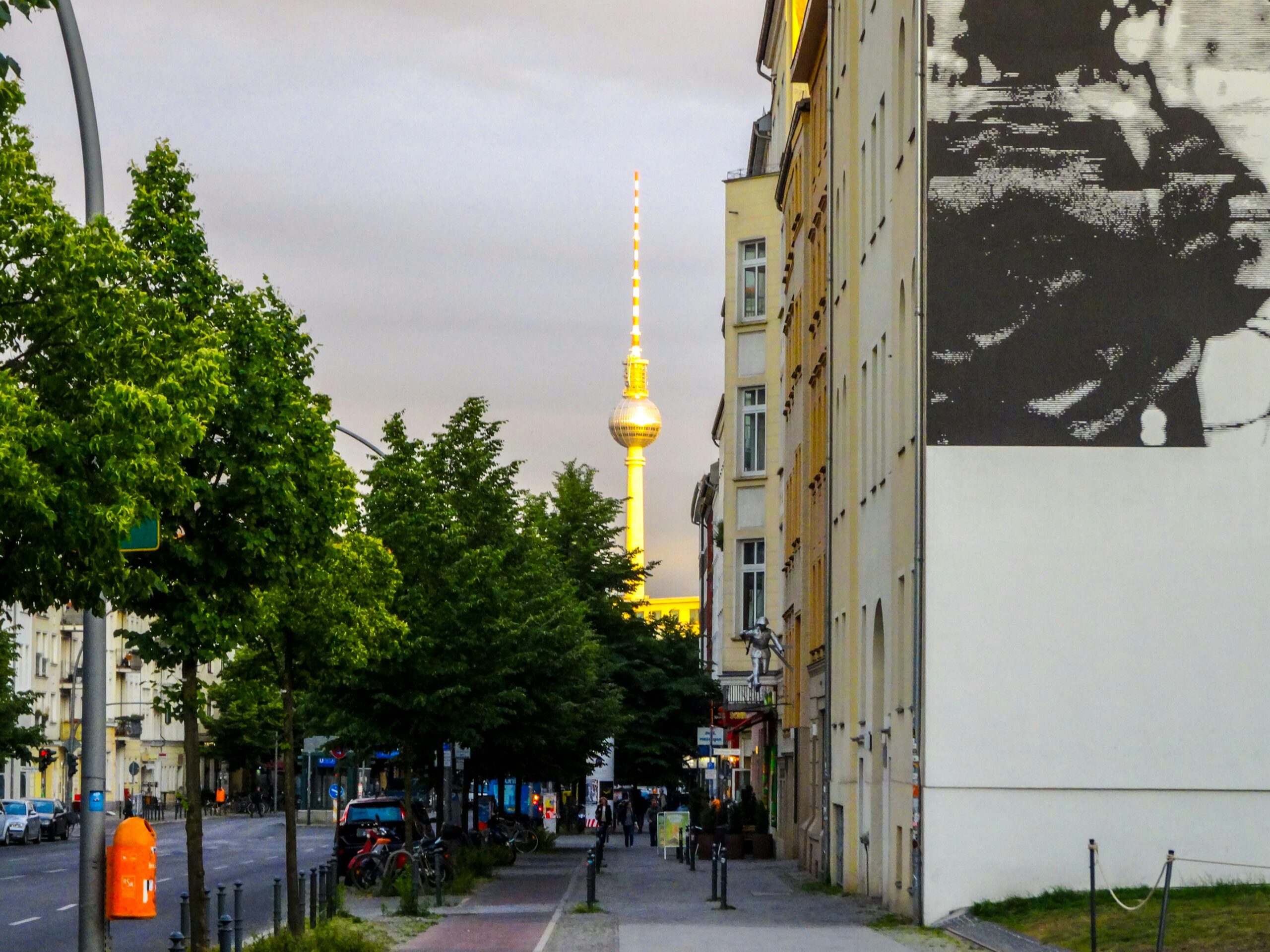
Berlin is Germany’s capital — population 3.7 million, biggest city in EU. Defined by perpetual reinvention: Prussian (1701-1871), Imperial (1871-1918), Weimar (1919-1933), Nazi (1933-1945), divided East/West (1945-1989), reunified (1989-today). 80% of city destroyed in WWII. Wall stood 1961-1989. Today: 35-year-old rebuilding still ongoing. Top sights: Brandenburg Gate (1791 — symbol of unity), Reichstag (Norman Foster’s glass dome — book free), Berlin Wall Memorial (Bernauer Strasse), East Side Gallery (1.3 km painted Wall), Holocaust Memorial (2,711 concrete stelae), Museum Island (UNESCO 1999 — 5 museums Pergamon, Neues, Altes, Bode, Alte Nationalgalerie), Checkpoint Charlie, Tiergarten (Berlin’s Central Park), Topography of Terror. Best neighbourhoods: Mitte (centre), Kreuzberg (alt-cool), Friedrichshain (clubs), Prenzlauer Berg (gentrified), Neukölln (multicultural). Days needed: 4-5 minimum. Currency: Euro.
Berlin’s perpetual reinvention
- Prussian capital (1701): Frederick the Great built Berlin into European power. Sanssouci Palace Potsdam (UNESCO).
- Imperial capital (1871): after German unification. Built Reichstag (1894), Brandenburg Gate already symbol.
- Weimar Republic (1919-1933): cultural explosion. Bauhaus, cabaret (Marlene Dietrich), expressionism. Inflation crisis.
- Nazi era (1933-1945): Hitler made Berlin “Germania”. Olympic Games 1936. Final solution planned.
- WWII destruction: 80% destroyed by Allied bombing + Battle of Berlin 1945. 600,000 buildings damaged.
- Divided 1945-1989: East Berlin (Soviet) + West Berlin (Allies — surrounded by GDR). Wall built August 13, 1961.
- Wall fall November 9, 1989: end of Cold War. Reunification October 3, 1990.
- Capital again 1999: moved from Bonn. Massive rebuilding continues.
- Today: creative + cheap (relatively) + multicultural + edgy. Mayor’s slogan: “poor but sexy.”
Top historic sights
- Brandenburg Gate (Brandenburger Tor): 1791 neoclassical. Symbol of city unity. Free to visit + photo.
- Reichstag: 1894 Parliament. Norman Foster’s glass dome (1999). Free entry — book ahead online.
- Berlin Wall Memorial (Bernauer Strasse): 1.4 km preserved Wall section + watchtower + museum. Most authentic. Free.
- East Side Gallery: 1.3 km longest preserved Wall section. 105 international artists painted 1990. Brezhnev-Honecker kiss iconic. Free outdoor.
- Checkpoint Charlie: 1961 border crossing. Reconstructed kiosk + free outdoor exhibits. Touristy but symbolic.
- Holocaust Memorial: 2,711 concrete stelae of varying heights. By Peter Eisenman 2005. Underground info centre free.
- Topography of Terror: outdoor exhibit on Gestapo HQ site. Free. Powerful.
- Hohenschönhausen Memorial: Stasi prison + interrogation centre. Tours by former prisoners. Sobering.
Museum Island (UNESCO)
- UNESCO 1999: 5 museums on Spree island.
- Pergamon Museum: Pergamon Altar, Ishtar Gate, Market Gate of Miletus. Ancient world treasures. Closed for renovation until late 2027.
- Neues Museum: Nefertiti Bust (1345 BC, Akhenaten’s queen). Egyptian + papyrus collection. €12.
- Altes Museum: classical antiquities — Greek + Roman. €10.
- Bode Museum: Byzantine art + sculpture + numismatic. €12.
- Alte Nationalgalerie: 19th-century art — Caspar David Friedrich. €10.
- Combined ticket: €19 all 5. Worth 2 days minimum.
Best neighborhoods
- Mitte: centre. Brandenburg Gate, Museum Island, Hackescher Markt, Alexanderplatz. Most touristic.
- Kreuzberg: alternative + Turkish + Görlitzer Park (controversial drug area). Markets (Maybachufer), street art, world food.
- Friedrichshain: party central. Clubs Berghain (most exclusive), East Side Gallery, Volkspark, RAW area.
- Prenzlauer Berg: gentrified former East. Hipster cafés, brunches, Mauerpark Sunday flea market + karaoke.
- Neukölln: multicultural. Turkish, Arab, Vietnamese. Tempelhofer Feld (former airport, now park).
- Charlottenburg (West): upscale + traditional. Charlottenburg Palace, KaDeWe department store, Kurfürstendamm shopping.
- Schöneberg: former JFK + Bowie + Christopher Isherwood. LGBT+ centre.
- Wedding: emerging gentrification. Multicultural.
Berlin nightlife + culture
- Berghain: world’s most famous techno club. Strict door — no guarantees. Open Friday-Monday.
- Tresor + Watergate + Sisyphos: other top techno clubs.
- Mauerpark Sunday flea market: 9am-6pm. Bearpit Karaoke 3pm-6pm — amateur singers, 1,000+ audience.
- Berliner Philharmoniker: world’s top orchestra. Tickets €15-200.
- Berlin Opera (Staatsoper Unter den Linden): reopened 2017. Tickets from €12.
- Cabaret tradition: Wintergarten, Friedrichstadt-Palast, Tipi am Kanzleramt.
- Tempelhof airport (closed 2008): now public park. Bike on runway. Free.
- Berlin International Film Festival (Berlinale): February. World’s biggest public film festival.
Berlin food + drink
- Currywurst: sausage with curry-ketchup. Berlin invention 1949 by Herta Heuwer. €3-5.
- Döner kebab: Turkish-Berlin invention 1972. Mustafa’s Gemüse Kebap (queue!), Ruyam, Imren.
- Berliner Weisse: sour wheat beer with raspberry/woodruff syrup. Berlin specialty.
- Eisbein: pickled pork knuckle with sauerkraut.
- Berliner Pfannkuchen: jelly doughnut. Just called “Pfannkuchen” in Berlin.
- Markthalle Neun (Kreuzberg): “Street Food Thursday” weekly. Diverse cuisines.
- Vegan capital: 80+ vegan restaurants — Europe’s most.
- Coffee culture: Five Elephant, Bonanza, The Barn — third-wave roasters.
Practical info
- Getting there: Berlin Brandenburg Airport (BER, opened 2020 after 9-year delays). Train to Hauptbahnhof 30 min, €4.40.
- Public transport: S-Bahn + U-Bahn + trams + buses. Day pass €9.50. 24h ticket €10.40.
- Bike-friendly: 1,500 km bike lanes. Call-A-Bike rental.
- Best time: May-September warm. Christmas markets December. Berlin Marathon September.
- Berlin Welcome Card: includes transport + attraction discounts. €27 48h.
- Cash culture: Berlin more cash-based than Western Europe. Bring some.
- Languages: German + English universal in tourism. Less English in eastern districts older generation.
- Late nights: Berlin doesn’t sleep. Many clubs open Friday night through Monday morning.
Frequently Asked Questions
Why is Berlin city of perpetual change?
Reinvented 6+ times in 300 years: Prussian capital, Imperial, Weimar, Nazi, divided East/West, reunified. 80% destroyed WWII. Wall 1961-1989. Still rebuilding 35 years post-reunification. Slogan ‘poor but sexy.’
Top 5 Berlin sights?
1. Brandenburg Gate. 2. Reichstag (book free dome visit). 3. Berlin Wall Memorial Bernauer Strasse + East Side Gallery. 4. Museum Island UNESCO (5 museums). 5. Holocaust Memorial. Add Topography of Terror + Tiergarten.
Best Berlin neighborhood?
Depends on style. Mitte (centre, history). Kreuzberg (alt-cool, Turkish). Friedrichshain (clubs). Prenzlauer Berg (cafés, gentrified). Neukölln (multicultural). Charlottenburg (upscale traditional).
Berlin in 4 days?
Day 1: Brandenburg Gate + Reichstag + Holocaust Memorial + Tiergarten + Topography of Terror. Day 2: Museum Island + Alexanderplatz + Hackescher Markt. Day 3: Wall heritage — Bernauer Strasse + East Side Gallery + Checkpoint Charlie. Day 4: Charlottenburg + Tempelhof + Kreuzberg dinner.
How to get into Berghain?
No formula. Door bouncer Sven Marquardt is famously selective. Tips: come Saturday 6am-noon (less crowded), wear black, look local, go solo or pair, don’t talk in queue, don’t be drunk, don’t smile at bouncer. Many rejected including celebrities.
Berlin vs Munich?
Berlin: edgy, history-saturated, multicultural, cheap, late nights. Munich: traditional Bavarian, beer culture, Alpine, conservative + wealthy. Different Germanys. Both worth visiting — 4-5 days each.
Recommended on Amazon
As an Amazon Associate, grandgo.com earns from qualifying purchases. Links below are affiliate links — clicking them may earn us a small commission at no extra cost to you. Prices and availability are shown on Amazon.co.uk.
- Lonely Planet Berlin — comprehensive city guide.
- German phrasebook — travel essentials.
- European travel adapter — multi-country plug.