


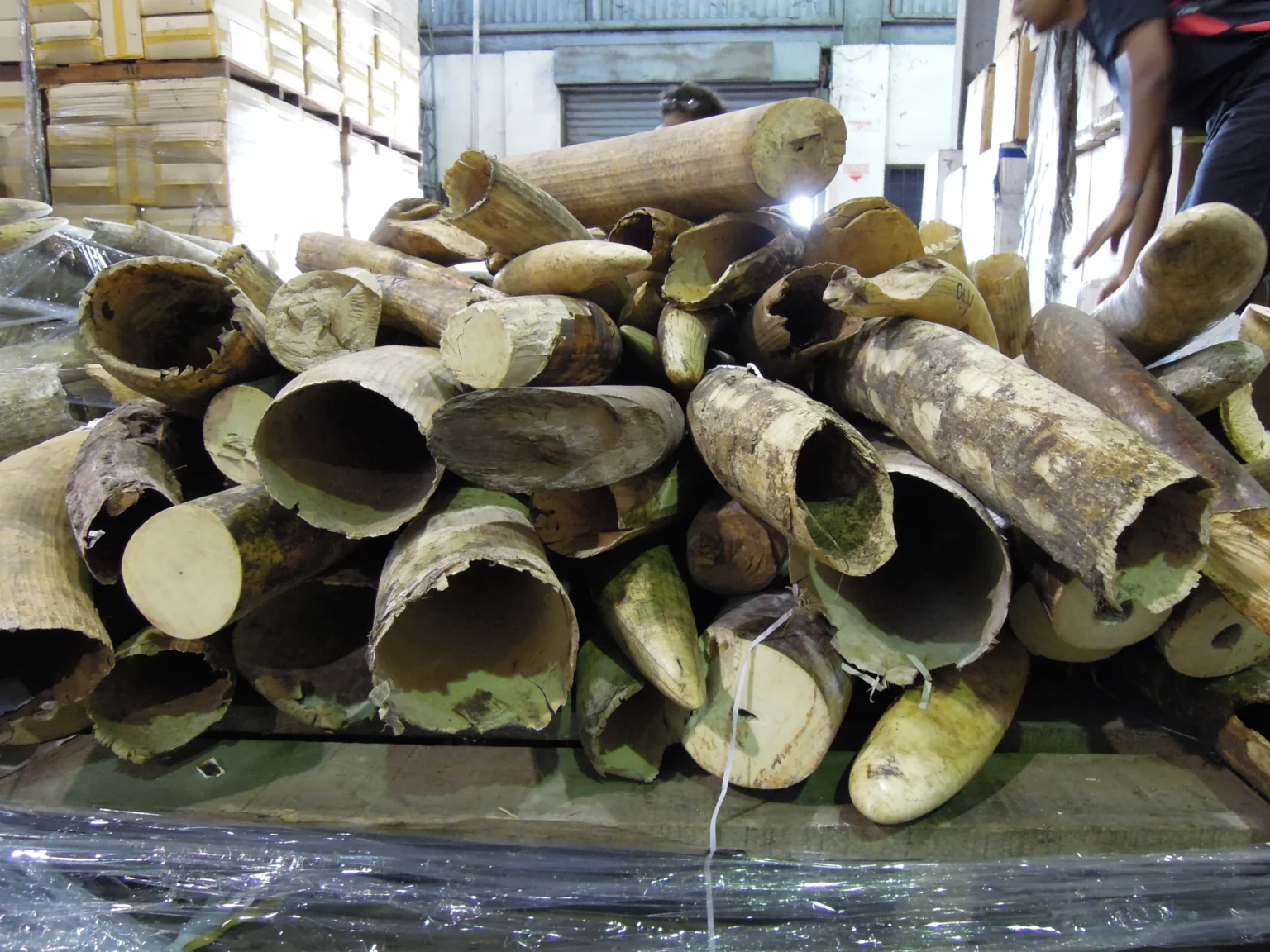

In Cameroon, a country with a rich tapestry of habitats ranging from tropical lowland rainforests to expansive mountainous regions, the fate of approximately 10,000 elephants hangs in the balance. The African Savannah Elephant and the African Forest Elephant, both listed on the IUCN Red List of Threatened Species™ and recognized as Class A protected species by Cameroon’s Ministry of Forestry and Wildlife (MINFOF), are under severe threat. Despite their protected status, which equates to a prohibition of trade under the Convention on International Trade in Endangered Species of Wild Fauna and Flora (CITES) Annex I, these majestic creatures face a relentless battle against poaching for their ivory.
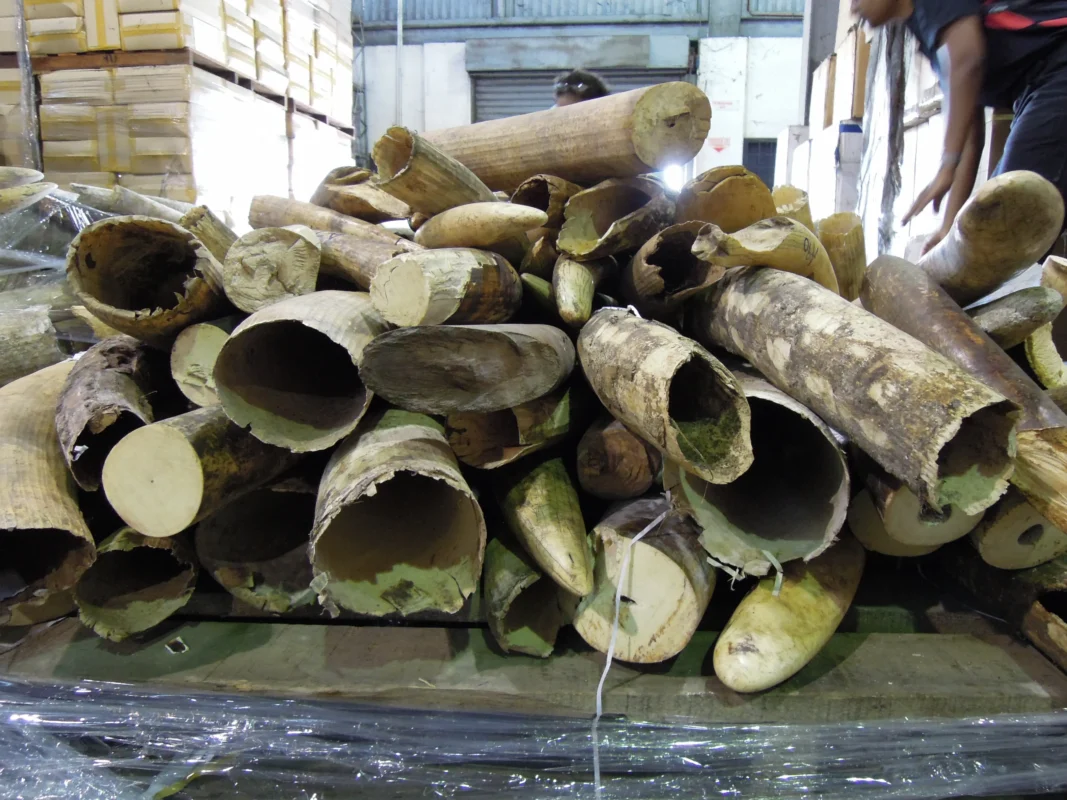
Elephant tusks, which are essentially the upper incisors located at the back of their mouths, are not just a part of their anatomy; they are tools for survival. Elephants use these tusks to dig for water, strip bark from trees to access the pulp, and mark their territory. Interestingly, like humans being right- or left-handed, elephants show a preference for one tusk over the other. The dominant tusk, known as the master tusk, is typically shorter and more rounded due to wear. Despite their critical role in an elephant’s life, tusks continue to be a coveted item in the illegal ivory trade.
A recent report by TRAFFIC Central Africa, titled “Establishing a Robust National Ivory Stockpile Management System (NISMS) in Cameroon,” sheds light on the alarming weaknesses in the current system of managing seized ivory products. The report highlights the urgent need for Cameroon to implement effective measures to prevent these supposedly safeguarded items from entering the black market.
The report uncovers several disturbing issues, including leaks from government-held stockpiles, inadequate methods to track existing stocks, and recurring instances of corruption. These flaws in the system not only undermine the efforts to protect endangered species but also fuel the illegal ivory trade by allowing seized products to slip back into the black market.
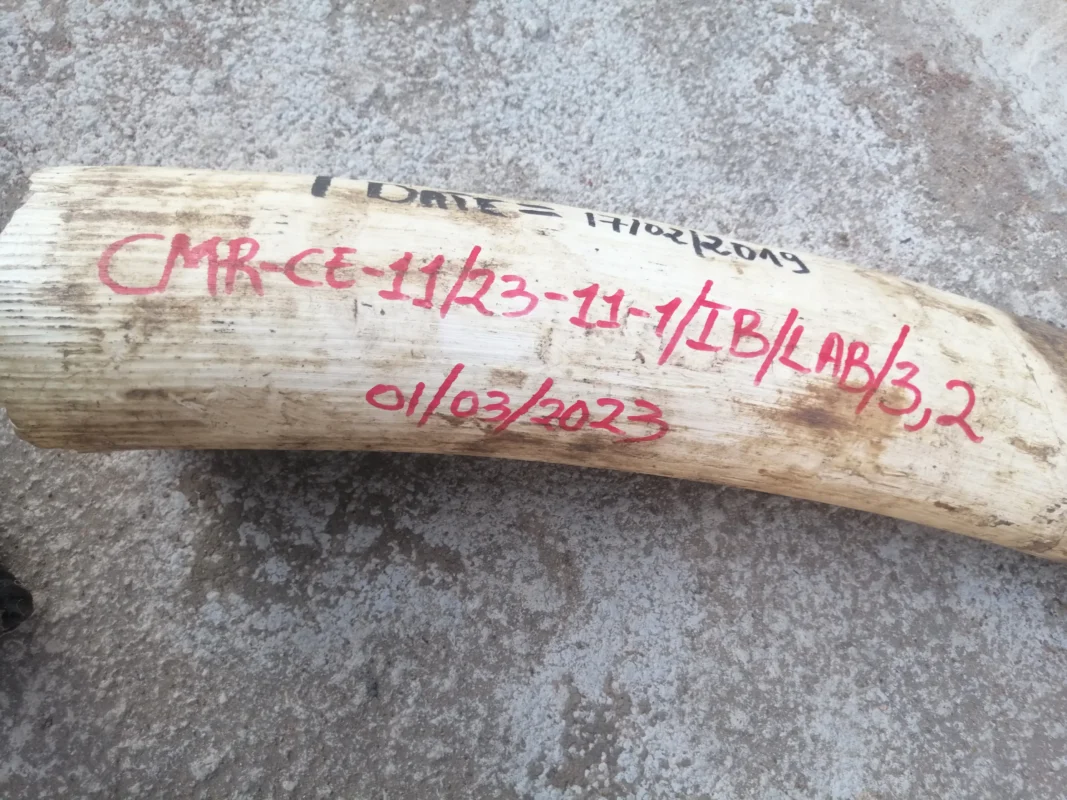
One of the most concerning findings of the report is the potential involvement of corrupt administrative, law enforcement, or judicial officials in the sale of confiscated or otherwise acquired ivory for profit. This not only highlights the weaknesses in Cameroon’s monitoring processes but also perpetuates the international demand for ivory in consumer countries.
Cameroon’s role in the global illegal ivory trade has been a cause for concern for years, as evidenced by successive Elephant Trade Information System (ETIS) reports presented at CITES meetings. Since 2014, Cameroon has been required by the CITES Standing Committee to implement a National Ivory Action Plan to combat the illegal ivory trade, including reporting seizures to ETIS. However, interviews with MINFOF officials revealed that 53% were unaware of this requirement, and only 8% had ever reported an ivory seizure using the ETIS data collection forms.
The TRAFFIC report calls for a holistic approach to address the full range of human, logistical, and financial considerations of a national ivory stock management system. This includes the development of Standard Operating Procedures (SOPs) and a centralized system to monitor and maintain the security of ivory after it is confiscated. The report also emphasizes the need for systematic reviews of all ivory stock storage facilities in Cameroon to assess and upgrade security.
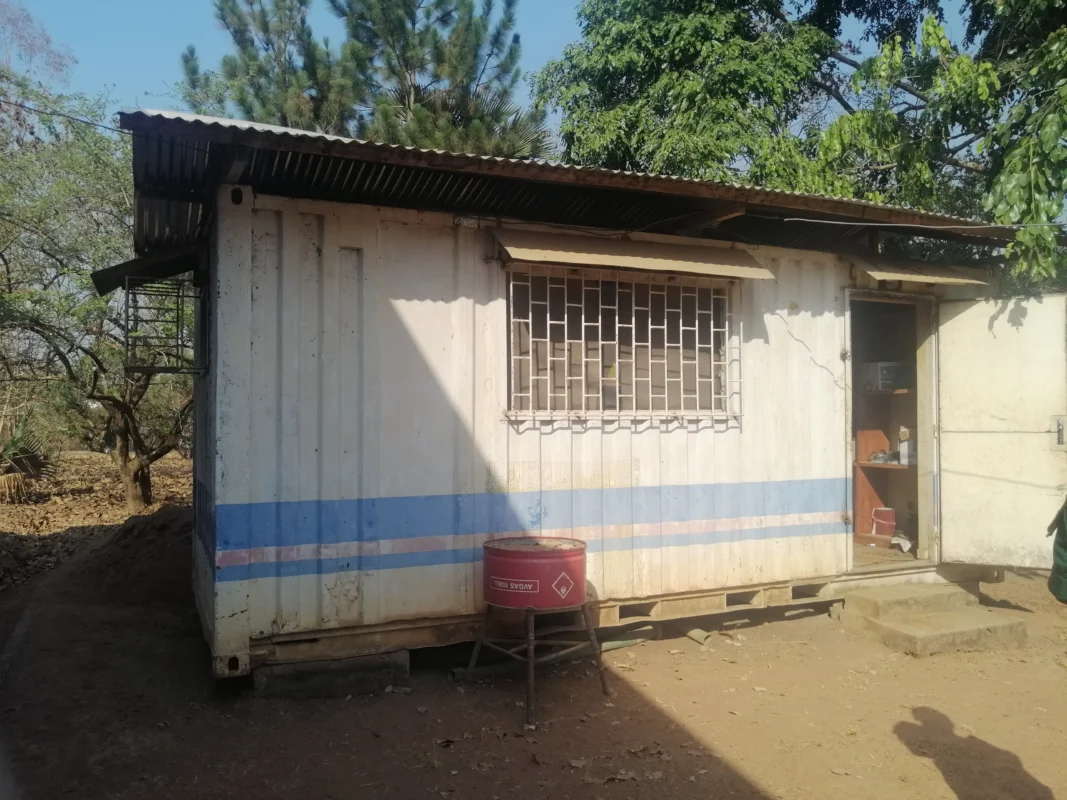
Furthermore, the report recommends increasing awareness and capacity of Law Enforcement Officers to comply with national and international regulations, alongside anti-corruption training. It also suggests that processes should be periodically conducted, especially when ivory stocks are moved, destroyed, or otherwise disposed of, as a mandated security feature in stockpile management.
The situation in Cameroon serves as a stark reminder of the challenges faced in protecting endangered species and combating the illegal wildlife trade. The TRAFFIC report is a call to action for Cameroon to strengthen its ivory stockpile management system, enhance coordination among government agencies, and implement robust measures to combat the illegal ivory trade. The fate of thousands of elephants and the integrity of global conservation efforts depend on the effective management of these critical resources.
Sprzęt podróżny — polecane na Amazon
Jako uczestnik programu Amazon Associates, grandgo.com uzyskuje dochody z kwalifikujących się zakupów. Poniższe linki to linki afiliacyjne — kliknięcie w nie może dać nam małą prowizję bez dodatkowych kosztów dla Ciebie. Ceny i dostępność są widoczne na Amazon.co.uk.