


Introduction to Emilia-Romagna: An Overview of Italy’s Diverse Region
Emilia-Romagna, a remarkable region nestled in northern Italy, captivates visitors with its unparalleled charm and diversity. With a rich tapestry of history, gastronomy, art, and natural beauty, this region offers a unique and captivating experience for every traveler. From the ancient Roman city of Bologna to the picturesque countryside of Parma and Modena, Emilia-Romagna is a haven for those seeking a true Italian adventure.
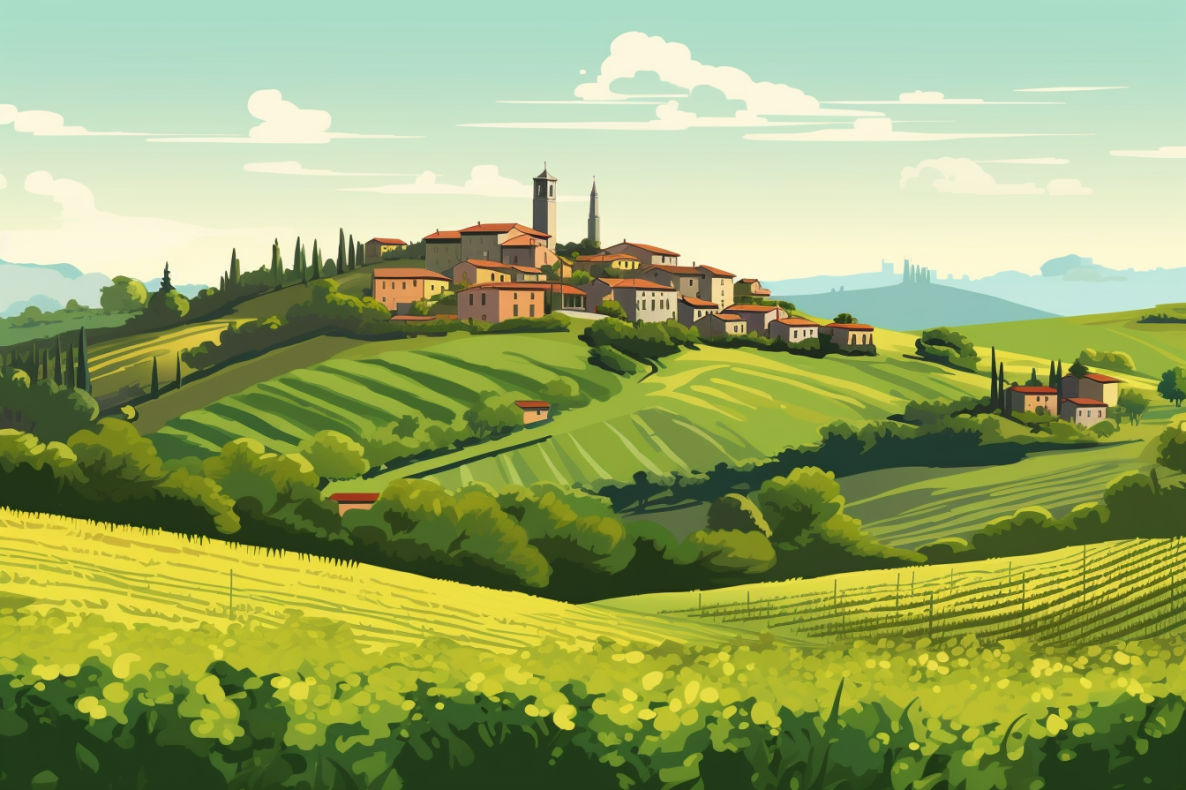
Renowned for its delectable cuisine, Emilia-Romagna is a food lover’s paradise. This region is the birthplace of iconic Italian foods such as Parmigiano Reggiano, balsamic vinegar, and Prosciutto di Parma. Indulging in a culinary journey through the region means savoring these mouthwatering delicacies in their authentic and traditional form. Beyond its gastronomic wonders, Emilia-Romagna is also home to a thriving cultural scene, with historic cities showcasing impressive architectural wonders, medieval castles, and Renaissance splendor. Whether it’s exploring ancient ruins, admiring frescoes in historic churches, or attending world-class opera performances, Emilia-Romagna guarantees a captivating blend of history, culture, and natural beauty.
Historical Tapestry: Exploring the Rich History of Emilia-Romagna
The rich history of Emilia-Romagna is a captivating tapestry woven with threads of ancient civilizations and notable events. This region, located in northern Italy, has been inhabited since prehistoric times and has witnessed the rise and fall of various civilizations, leaving behind a treasure trove of archaeological sites and cultural landmarks. From the Etruscans and Celts to the Romans and Byzantines, each era has left its mark on Emilia-Romagna, adding layers of history to its narrative.
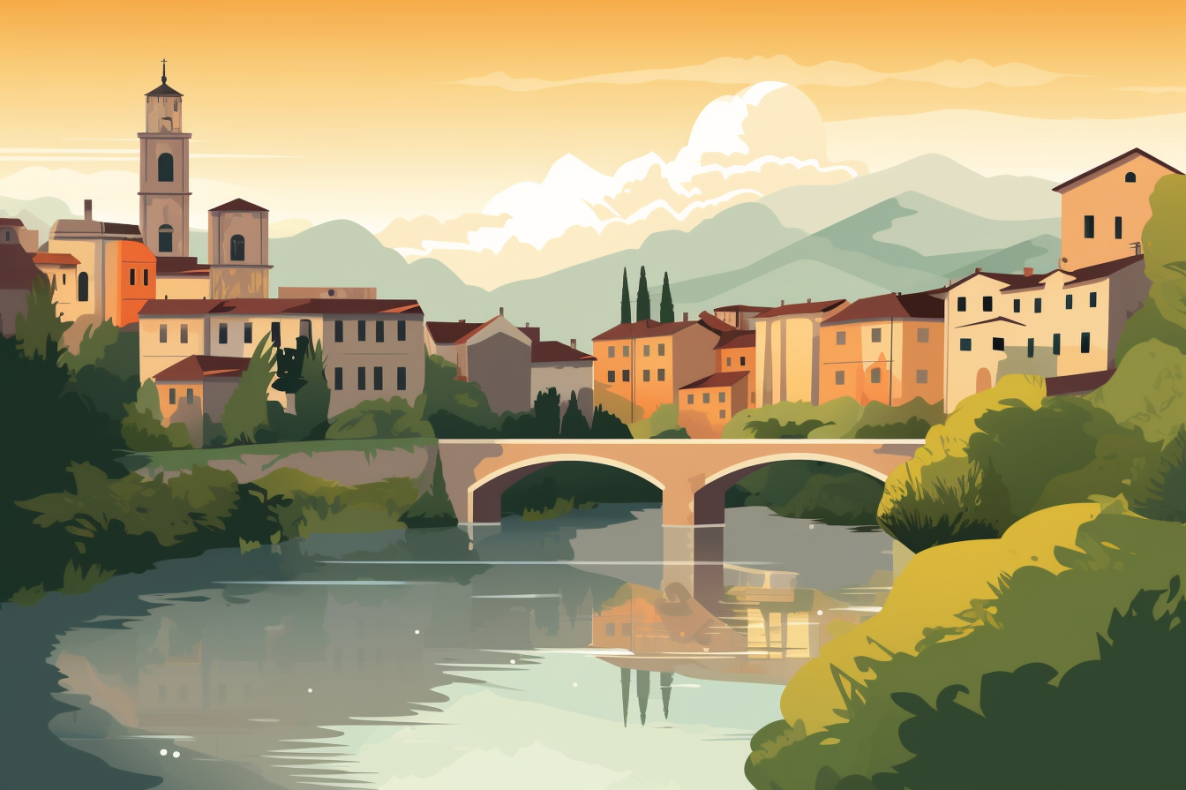
One of the most prominent historical influences in Emilia-Romagna is the Roman Empire. Throughout the region, there are remnants of this mighty civilization, such as the well-preserved Roman city of Ravenna and the ancient Roman road, Via Aemilia, after which the region is named. These ancient ruins stand as a testament to the Roman’s unparalleled architectural prowess and organizational skills. Furthermore, the region’s strategic location has made it a crucial hub for commerce and trade, contributing to its prosperity throughout the centuries. Emilia-Romagna’s history is a fascinating journey that intertwines with that of Italy as a whole, showcasing how different civilizations have shaped its identity over time.
Culinary Delights: A Journey Through the Region’s Gastronomic Heritage
Emilia-Romagna is undoubtedly a paradise for food enthusiasts. With its rich culinary heritage and dedication to the finest quality ingredients, it offers a gastronomic journey like no other. The region takes immense pride in its traditional dishes, such as the famous Parmigiano-Reggiano cheese, which is lovingly crafted using age-old recipes and techniques. Each step of the cheese-making process, from the selection of the local cow’s milk to the careful aging in special warehouses, is painstakingly carried out to ensure its exceptional taste and texture.
Another culinary gem of Emilia-Romagna is the revered Prosciutto di Parma. This exquisite dry-cured ham is made only from the hind legs of specially bred pigs and undergoes a meticulous curing process. The result is a delicate and flavorsome meat that is enjoyed around the world. Whether enjoyed alone or as part of a mouthwatering antipasto platter, Prosciutto di Parma is a true testament to the region’s dedication to culinary perfection.
Bologna: The Heart of the Region: A Cultural and Academic Hub
Bologna, the heart of Emilia-Romagna, exudes a captivating blend of history, culture, and learning. The city’s rich heritage can be traced back to its founding in the 6th century BCE, making it one of Italy’s oldest settlements. With its distinct architectural beauty, Bologna presents a harmonious amalgamation of medieval towers, Renaissance palaces, and intricate porticoes that line its streets. These architectural wonders not only serve as a testament to Bologna’s past, but also as a backdrop for the vibrant cultural scene that thrives within the city.
Beyond its architectural prowess, Bologna is renowned for its bustling university, which dates back to 1088 and is the oldest university in the Western world. This academic hub is a magnet for students, scholars, and intellectuals, fostering a lively and intellectually stimulating atmosphere. With over 100,000 students enrolled in its various faculties, the university infuses the city with youthful energy, creativity, and a vibrant exchange of ideas. As visitors explore the city, they will find a myriad of cultural and artistic institutions, including museums, galleries, and theaters, showcasing Bologna’s commitment to nurturing the arts and intellectual pursuits.
The Motor Valley: Emilia-Romagna’s Renowned Automotive Industry
Emilia-Romagna is widely recognized for its renowned automotive industry, proudly coined as the “Motor Valley.” With a rich history and a reputation for excellence, this region has become a hub for automotive enthusiasts and industry professionals alike. The cities of Modena and Bologna house some of the world’s most iconic automobile manufacturers, including Ferrari, Maserati, and Lamborghini.
The Motor Valley is not only home to automobile production, but also to world-class museums that celebrate the history and innovation of the industry. The Ferrari Museum in Maranello showcases an impressive collection of vintage and modern Ferrari cars, providing visitors with a glimpse into the brand’s legacy. Similarly, the Museo Enzo Ferrari in Modena is dedicated to Enzo Ferrari, the founder of the famous Italian car manufacturer. Here, visitors can admire a variety of iconic vehicles and delve into the fascinating life of Enzo Ferrari himself.
Parma and Modena: Cities of Art, Opera, and Culinary Mastery
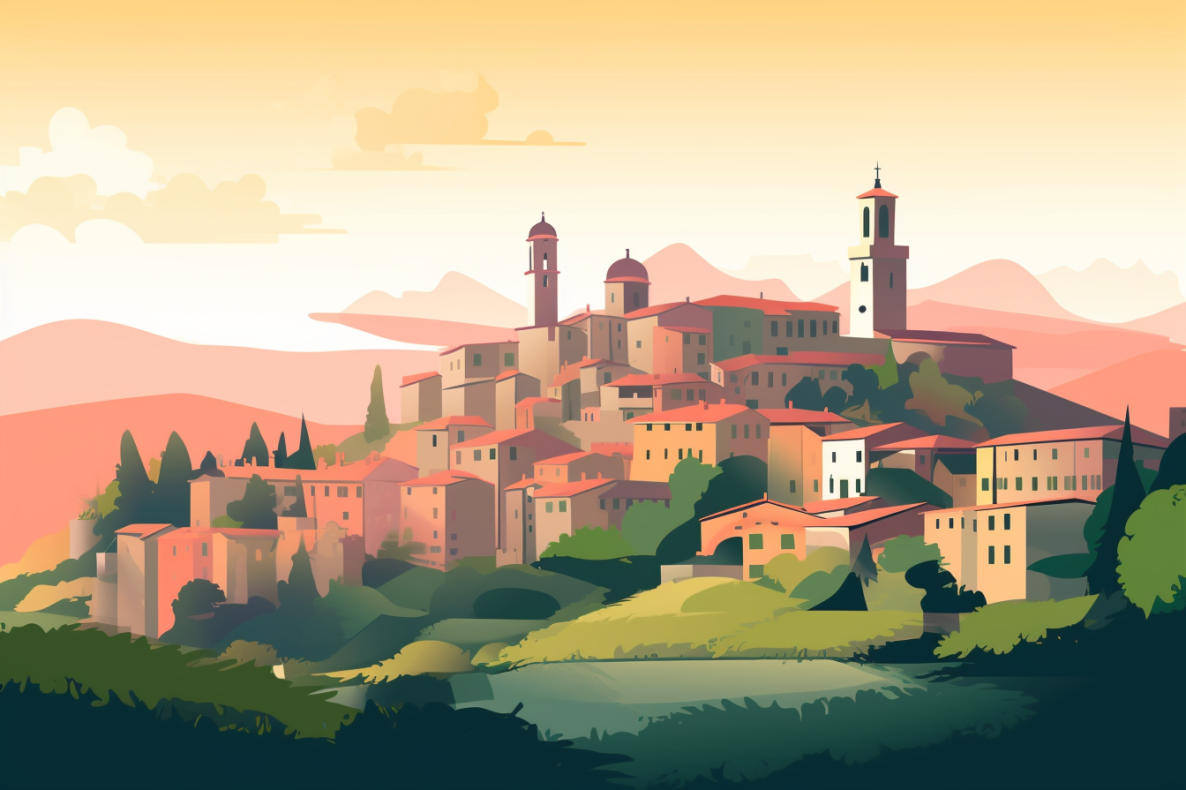
Parma and Modena, situated in the Emilia-Romagna region of Italy, are renowned for their rich artistic, cultural, and culinary heritage. Parma, often referred to as the “City of Gastronomy,” offers a delightful blend of flavors, aromas, and culinary traditions. The city is famous for its Parmigiano Reggiano cheese, Prosciutto di Parma, and traditional balsamic vinegar. As you wander through the streets of Parma, you can’t help but be captivated by the enticing smells emanating from the local trattorias, which invite you to taste the region’s culinary wonders.
Modena, on the other hand, is a city that seamlessly combines art, opera, and exquisite cuisine. It is renowned as the birthplace of famed composer Luciano Pavarotti and the famous tenor Enrico Caruso. Modena’s historic theaters, such as Teatro Comunale and Teatro Storchi, host a wide range of opera performances, attracting music enthusiasts from near and far. Additionally, Modena boasts exquisite Renaissance architecture, including its stunning Cathedral and the Ghirlandina Tower, which offer breathtaking panoramic views. To complete your journey through Modena, indulge in traditional Modenese dishes, such as Tortellini with ragù sauce or the luscious Lambrusco wine, for an unforgettable culinary experience.
Natural Beauty and Outdoor Activities: Exploring the Region’s Diverse Landscapes
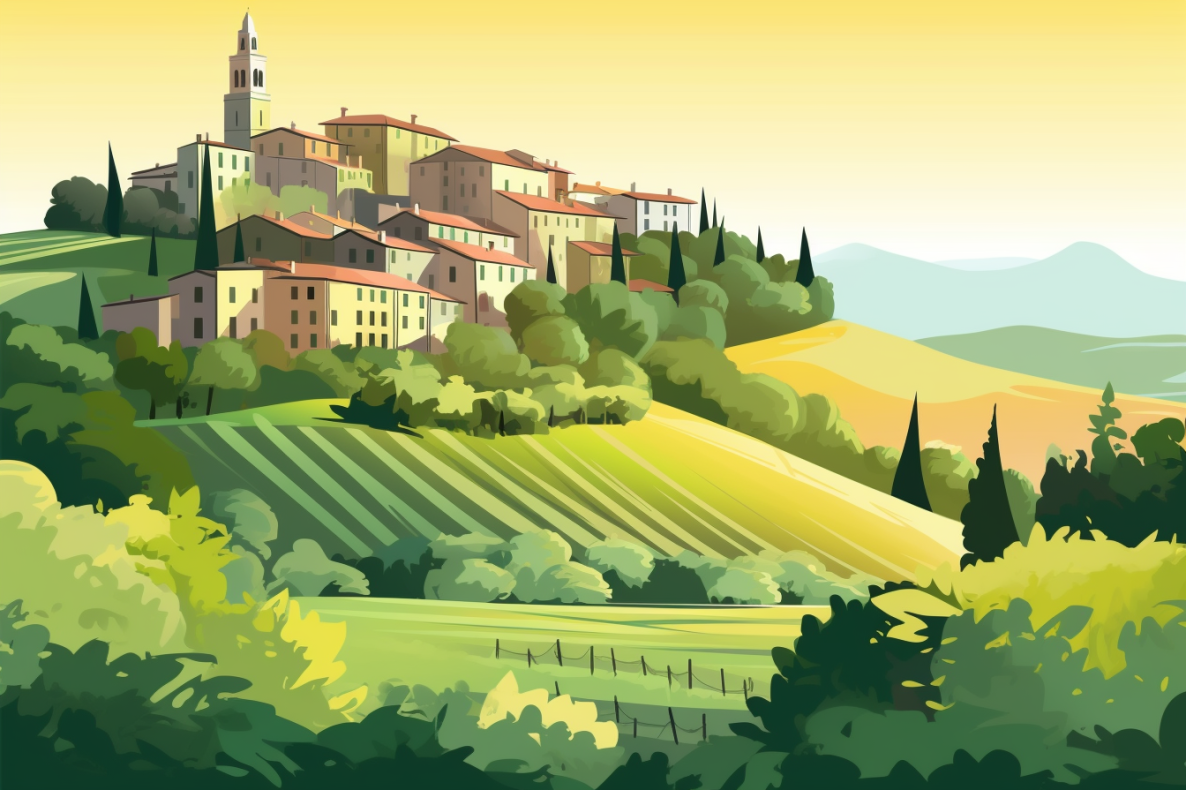
The region of Emilia-Romagna in Italy offers a diverse range of landscapes for nature lovers and outdoor enthusiasts to explore. From the stunning Apennine Mountains to the picturesque Adriatic coastline, there are endless opportunities to immerse oneself in the natural beauty of this region. Hiking enthusiasts will be delighted by the numerous trails that crisscross the mountains, offering breathtaking views and a chance to connect with nature. The Parco Regionale dei Laghi di Suviana e Brasimone, with its crystal-clear lakes and dense forests, is a haven for wildlife enthusiasts and bird watchers. Whether it’s a leisurely stroll, a challenging hike, or a refreshing swim in the lakes, Emilia-Romagna’s natural landscapes have something to offer for everyone.
In addition to its mountains and lakes, Emilia-Romagna is also home to some of Italy’s most beautiful plains and rolling hills. The Po River Valley, with its fertile soil, is dotted with picturesque vineyards and olive groves. This region is famous for its wine production, and a visit to one of the many wineries is a must for wine enthusiasts. The countryside is also perfect for cycling and horseback riding, with numerous trails and paths that take you through charming villages, ancient castles, and vast expanses of farmland. Whether you want to relax and take in the beauty of the countryside or engage in more active outdoor pursuits, Emilia-Romagna’s diverse landscapes offer a wealth of opportunities for nature lovers and outdoor adventurers.
Festivals and Events: Celebrating Local Traditions and Culture
The region of Emilia-Romagna is renowned for its vibrant festivals and events, which provide a unique opportunity to immerse oneself in the local traditions and culture. One such event is the Palio di Ferrara, held annually in the city of Ferrara. This medieval horse race, dating back to the 13th century, showcases the spirit and competitiveness of the city’s various neighborhoods. With thrilling races and colorful parades, the Palio di Ferrara offers visitors a chance to witness a longstanding tradition while experiencing the lively atmosphere that fills the historic streets.
For music enthusiasts, the Bologna Jazz Festival is a must-attend event. Held in the capital city of Bologna, this festival attracts top national and international jazz artists, captivating audiences with soulful melodies and mesmerizing improvisation. The festival features a diverse range of concerts, workshops, and jam sessions, providing a platform for both established and emerging talents in the world of jazz. With its eclectic lineup and electrifying performances, the Bologna Jazz Festival is a celebration of the genre’s rich heritage, making it a highlight for music lovers visiting Emilia-Romagna.
Architectural Wonders: From Medieval Castles to Renaissance Splendor
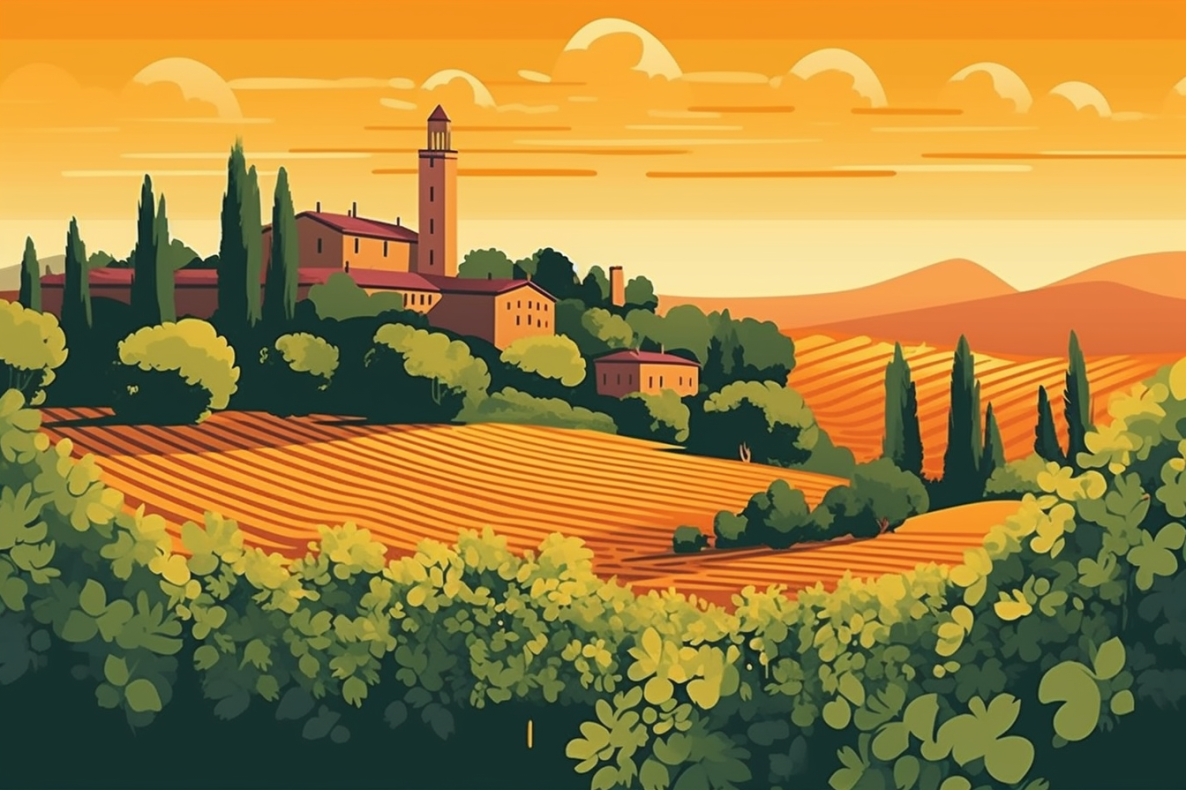
The region of Emilia-Romagna in Italy is revered for its architectural wonders, which serve as a testament to its rich and diverse history. From the imposing medieval castles to the awe-inspiring splendor of Renaissance architecture, there is no shortage of architectural marvels to explore.
One such example is the Castello Estense in Ferrara, a medieval fortress that stands tall at the heart of the city. Built in the 14th century, this majestic castle showcases the strength and power of the ruling Este family, who once reigned over the area. With its moats, drawbridges, and imposing towers, the Castello Estense offers a glimpse into the medieval era and the architectural prowess of that time.
Moving into the Renaissance period, the city of Urbino boasts one of the most remarkable architectural gems – the Palazzo Ducale. This grand palace, designed by renowned architect Luciano Laurana, showcases the harmonious blend of Gothic and Renaissance styles. The intricate detailing of the façade, the elegant courtyards, and the opulent interiors all contribute to the exquisite beauty of this architectural masterpiece. It is no wonder that the Palazzo Ducale has been designated as a UNESCO World Heritage Site, as it encapsulates the spirit and grandeur of the Renaissance era.
Travel Tips and Itineraries: Planning Your Visit to Emilia-Romagna
Planning a visit to Emilia-Romagna? Here are some travel tips and itineraries to help you make the most of your trip. First, consider the best time to visit. The region experiences a temperate climate, with mild winters and warm summers. Spring and autumn are particularly pleasant, with mild temperatures and fewer crowds. If you’re a food lover, don’t miss the annual food festivals that take place throughout the region, such as the Festa del Prosciutto di Parma in Langhirano, where you can indulge in the finest local delicacies. When it comes to transportation, renting a car is an excellent option for exploring the region at your own pace. The road network is well-maintained, and it allows you the flexibility to visit both major attractions and hidden gems. Additionally, public transportation options, such as trains and buses, are widely available and reliable, making it easy to navigate between cities and towns.
Now let’s dive into some sample itineraries. If you’re seeking a cultural experience, start your trip in Bologna, known for its historic architecture and vibrant atmosphere. Spend a day exploring the city’s medieval towers, art galleries, and charming streets. From Bologna, head to Parma and Modena, two cities renowned for their culinary mastery and opera heritage. Sample the famous Parmesan cheese and traditional balsamic vinegar, and catch a performance at one of the prestigious opera houses. For those interested in the region’s natural beauty, plan a visit to the stunning landscapes of the Apennine Mountains or the picturesque coastal towns of Rimini and Ravenna. Nature enthusiasts will find plenty of outdoor activities, such as hiking, cycling, and water sports. No matter your preferences, Emilia-Romagna has something to offer every traveler.
FAQs
Where is Emilia-Romagna located in Italy?
Emilia-Romagna is located in the northern part of Italy, bordered by the regions of Lombardy, Veneto, Tuscany, and Marche.
What is the history of Emilia-Romagna?
Emilia-Romagna has a rich history dating back to ancient times. It has been influenced by various civilizations, including the Etruscans, Romans, and Byzantines.
What are some famous dishes from Emilia-Romagna?
Emilia-Romagna is known for its culinary delights such as Parmigiano Reggiano cheese, Prosciutto di Parma, Tortellini, Lasagne, and Balsamic Vinegar.
Why is Bologna considered the heart of Emilia-Romagna?
Bologna is often referred to as the heart of Emilia-Romagna because it is the region’s largest city and a cultural and academic hub with renowned universities and historical landmarks.
What is the Motor Valley in Emilia-Romagna?
The Motor Valley refers to the area in Emilia-Romagna that is home to famous automotive brands such as Ferrari, Lamborghini, and Maserati. It is a paradise for car enthusiasts.
What can I see in the cities of Parma and Modena?
Parma and Modena are cities known for their art, opera, and culinary mastery. You can visit attractions like Parma Cathedral, Teatro Regio in Parma, and Modena Cathedral.
What are the natural attractions in Emilia-Romagna?
Emilia-Romagna offers a diverse range of landscapes, including the Apennine Mountains, the Po River Delta, and coastal areas like Rimini. Visitors can enjoy outdoor activities like hiking, biking, and beach relaxation.
Are there any local festivals or events in Emilia-Romagna?
Emilia-Romagna hosts numerous festivals and events throughout the year to celebrate its local traditions and culture. Some popular events include the Historic Carnival of Cento and the Mille Miglia vintage car race.
What are some architectural wonders in Emilia-Romagna?
Emilia-Romagna is home to impressive architectural wonders, including medieval castles like Castello Estense in Ferrara and Renaissance splendors like Piazza Maggiore in Bologna.
How can I plan my visit to Emilia-Romagna?
To plan your visit to Emilia-Romagna, consider creating a detailed itinerary that includes the cities and attractions you want to visit. Research transportation options, book accommodations in advance, and try to experience the region’s diverse culture and cuisine.
Trip-ready gear from Amazon
As an Amazon Associate, grandgo.com earns from qualifying purchases. Links below are affiliate links — clicking them may earn us a small commission at no extra cost to you. Prices and availability are shown on Amazon.co.uk.
- Italian phrasebook Berlitz — Basic Italian for travel.
- Lonely Planet Italy guidebook — Comprehensive Italy planning.
- Universal EU travel adapter — Italy uses Type C/F/L.