


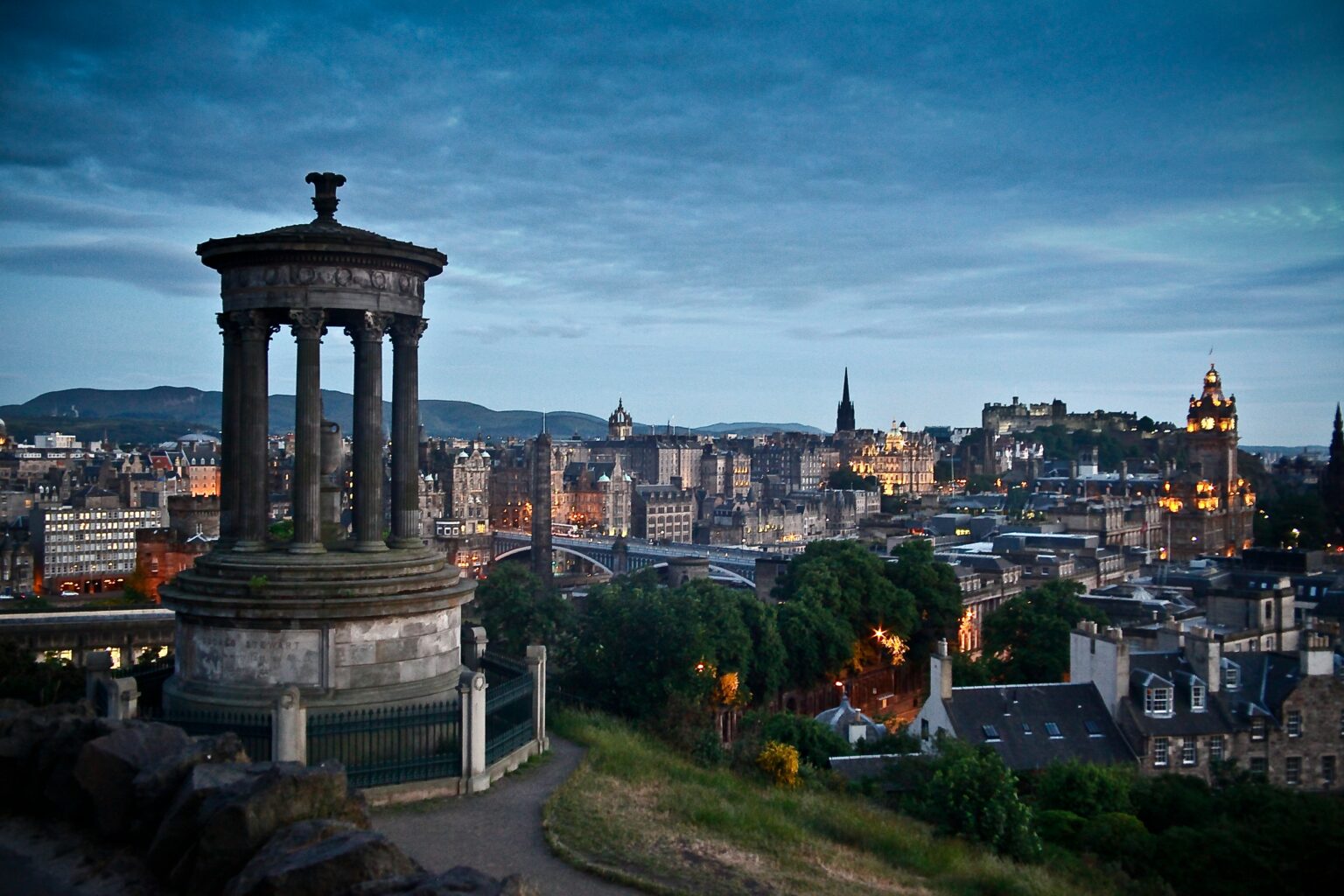


Edinburgh is known as a UNESCO City of Literature and home to legendary figures like philosopher David Hume and chemist Joseph Black – yet has also maintained an intriguing underworld of ribaldry.
Due to Flodden walls erected to keep English invaders at bay, residents had no option but to build upwards – creating the unique network of narrow closes and tall tenements that characterize old town Flodden.
The Royal Mile
The Royal Mile is one of Edinburgh’s Old Town highlights and an essential stop for visitors. Stretching from Edinburgh Castle all the way down to Holyrood Palace, its streets stretch for nearly one mile (though that term refers to an old Scots mile rather than American standards). Along its length are shops, museums and courtyards containing shops; further along it are cafes, restaurants and buskers/street performers to complete its allure.
St Giles Cathedral can be found at the top of Royal Mile and is well known for its stained glass windows and impressive architecture, while also boasting breathtaking roof top views. Worth noting is also Thistle Chapel – used by Knights of the Thistle and an incredible example of seventeenth-century craftsmanship.
Continue down the road until you arrive at the Scottish Parliament, featuring a fantastic visitor exhibition detailing how their country is run for them and even possibly witnessing one of its debating chambers in session!
Nearby lies Edinburgh’s former main gateway, Netherbow Port. Now this street is filled with 16th and 17th century houses belonging to Gladstone’s Land, owned by the National Trust for Scotland and filled with Renaissance paintings and gilded statues depicting game birds.
A stunning landmark in Midlothian is the “Heart of Midlothian”, an unassuming granite mosaic heart-shaped heart hidden near St Giles Cathedral and the Scottish House of Parliament, that takes inspiration from Sir Walter Scott’s novel of the same name, where people traditionally spit onto its surface to bring good fortune.
There are also a number of interesting closes off the Royal Mile that provide visitors with direct access to museums and attractions, like Camera Obscura & World of Illusions or Dynamic Earth, where children can learn while having fun touching rocks from outer space and experiencing simulated earthquakes!
The Old Town
The Old Town is an intriguing maze of medieval streets and alleyways. Discover closes and secret courtyards as you discover towering stone structures such as St Giles Cathedral, Canongate Tolbooth and Edinburgh Castle – not forgetting its numerous laneways and stairs that wind their way along its “tail”. Meanwhile, its fishbone street pattern creates a sense of spaciousness due to narrow width of streets combined with tall buildings lining them.
After several centuries had passed, the New Town developed beyond city walls in response to space needs. A tribute to international tastes of Enlightenment thinkers and surveyors’ “set square” style, but also including curves, crescents, and proportions which softened its geometric rigidity, this New Town is an elegant tribute.
Both Old and New Towns have been recognized as UNESCO World Heritage sites, offering unrivaled urban structure in Europe through a juxtaposition of medieval organicity and Georgian planning.
Edinburgh boasts a small yet vastly varied historic core. Beyond museums, galleries, shops and cafes are theatres, musical venues and an impressive range of restaurants; furthermore it serves as an important cultural center, hosting events with national significance.
Edinburgh was known for its inflexible respectability (West Princes Street Gardens opened to the public in 1876 with smoking being forbidden), yet Edinburgh also enjoyed an interesting underworld of drunkenness that inspired works such as Stevenson’s The Strange Case of Dr Jekyll and Mr Hyde (1886).
Take advantage of Edinburgh’s Open Streets program, which closes most historic streets to motor vehicles on the first Sunday of each month for pedestrians, cyclists and horse-drawn carriages to experience its history and charm. Or join in a Royal Mile Tour walking or bus tour that explores this historical area – starting at Edinburgh Waverley station which is within walking distance from most vacation rentals.
The New Town
As soon as you cross Waverley Bridge and leave Edinburgh’s Old Town behind, the stark difference between Edinburgh’s 18th Century New Town (a UNESCO World Heritage Site) and medieval history becomes obvious. Built during that era to alleviate overcrowding and dilapidity in Old Reekie (known as it back then) streets was immediately apparent.
Prosperity during the 1700’s led to an unprecedented building boom in Edinburgh. Coupled with shifting political power dynamics that saw Scottish representatives gain influence within London, James Craig’s New Town plan emerged: an intricate network of streets topped with grand squares that still remains standing today as stunning examples of Georgian architecture.
Shoppers can spend hours strolling the wide streets of the New Town, which feature both independent boutiques and chain stores. Princes Street provides another opportunity for high-end retail shopping with Topshop, H&M and Jenners department store (an Edinburgh institution since 1838) among many others. For something a bit more luxurious try Multrees Walk; its luxury shopping mall houses exclusive brands like Burberry and Louis Vuitton for added elegance.
If you need to stretch your legs, take a stroll up Calton Hill. The view is truly magnificent and there are numerous iconic buildings here including the National Monument.
When you need a break from shopping, New Town offers plenty of trendy cocktail bars and restaurants for a relaxing break from retail therapy. Don’t forget about checking out its vibrant nightlife scene; from high-end clubs to friendly pubs.
Start off your visit right by strolling Princes Street Gardens, once home to a lake and now popular among picnickers, hosting events and performances throughout the year. Or give Roxy Lanes a try where you can bowl strikes, showcase your ping pong skills or putt your way towards mini-golf glory!
The Forth Roads
Queensferry Crossing and Forth Road Bridge combine to become two of Scotland’s most recognizable architectural marvels. A UNESCO World Heritage Site, these bridges stand as iconic symbols of Scotland that represent history, beauty, and community spirit in abundance. Towering side by side over Firth of Forth they have become symbols of Scotland as well as engineering marvels dating back three centuries – as an iconic triumph!
Although not open to general traffic, Edinburgh’s Forth Road Bridge provides an amazing vantage point from which to take in an aerial view of this vibrant city. A free walking tour will teach you all about its construction and influence on shaping Edinburgh’s skyline; tours run year-round but spring and fall offer optimal conditions. To avoid crowds altogether, choose a private tour tailored specifically to your interests instead.
The Forth Road Bridge once held the longest suspension bridge outside of America outside the US and connects Edinburgh and Fife via South and North Queensferry. Opening in 1964, this suspension bridge replaced centuries-old ferry services between Edinburgh and Fife.
The Forth Road Bridge Joint Board, established by an act of parliament in 1947, operates the bridge under contract from the Scottish government and manages a variety of approaches leading to it; these include A90 highway at Cramond passing beneath it while 4+1/2-mile (7.2 km) southern approach road had two-level interchanges at Burnshot, Dolphington, and Echline.
South Queensferry is easily reached via car or public parking lot or bus; take the X58A, X55 or X59A westbound route to Slip Road for access. A pedestrian walkway stretches from the bus stop all the way down to its base; another is situated on its east side but may close during inclement weather – if traveling with children be sure to bring along stroller/infant carrier protection!
Trip-ready gear from Amazon
As an Amazon Associate, grandgo.com earns from qualifying purchases. Links below are affiliate links — clicking them may earn us a small commission at no extra cost to you. Prices and availability are shown on Amazon.co.uk.
- Lonely Planet UK Ireland guide — Best regional guide.
- Walking shoes waterproof Gore-Tex — Countryside walking.
- Oyster card travel pouch — London Underground essential.