


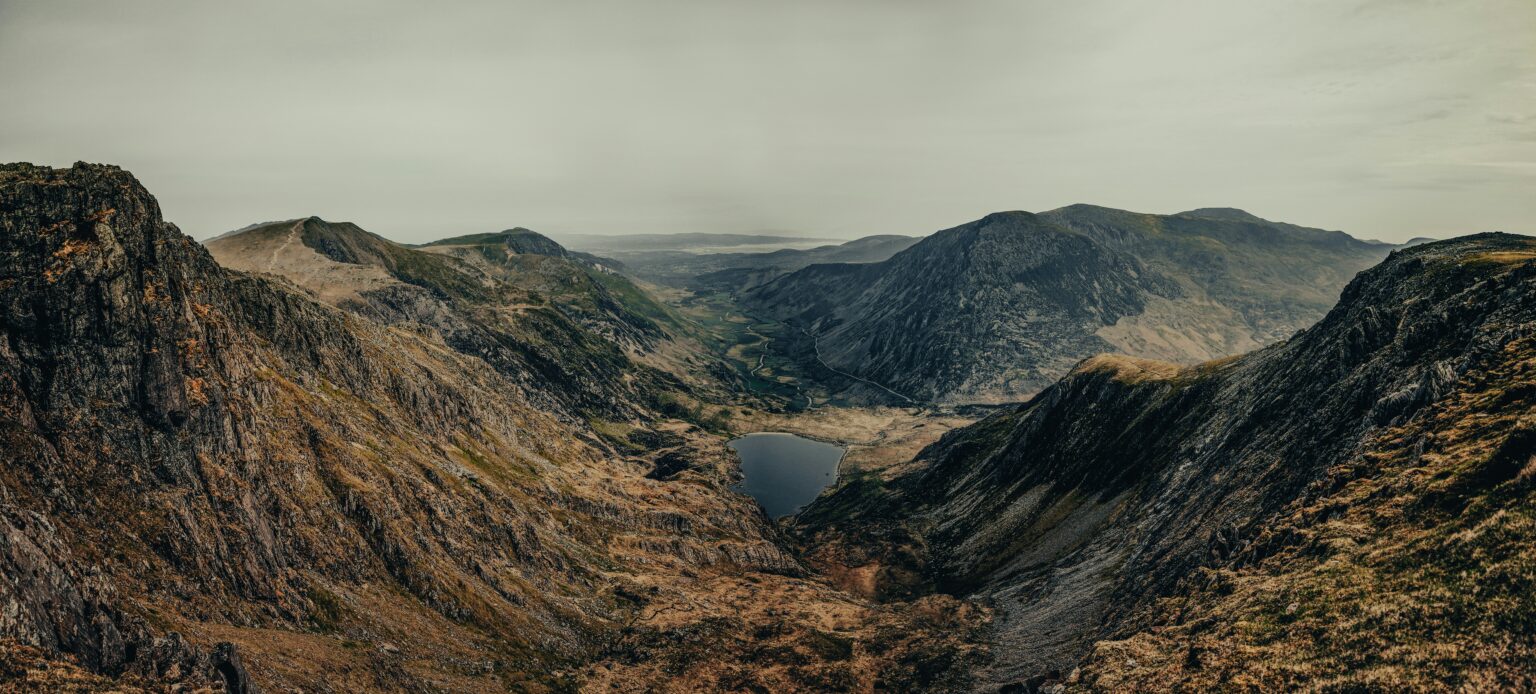
 hiking, Pembrokeshire Coast Path, Brecon Beacons, Cambrian Mountains, dramatic castles, Welsh language. Guide.)
Quick Answer
Wales (Cymru) is the rugged heart of the UK — population 3.1 million, 20,000 km², 1,200 km of coastline, 600+ castles (most per square mile worldwide), 3 national parks. Top rugged destinations: 1. Snowdonia (Eryri) National Park (Yr Wyddfa/Snowdon 1,085m UK’s most-climbed mountain — 6 routes from easy 4h to challenging 8h, Crib Goch knife-edge ridge for experts), 2. Pembrokeshire Coast National Park (UK’s only coastal national park — 300 km Pembrokeshire Coast Path long-distance trail, dramatic cliffs, hidden coves), 3. Brecon Beacons (Bannau Brycheiniog) (rolling green mountains, dark sky reserve, Pen y Fan 886m), 4. Cambrian Mountains (mid Wales — empty moorland), 5. Anglesey + Llŷn Peninsula (Druid heritage + remote coast), 6. Castles (Caernarfon UNESCO 1986, Conwy, Beaumaris, Harlech — 4-castle UNESCO group). Welsh language: 30% speak Welsh (Cymraeg) — most-used minority Celtic language. Bilingual signs everywhere. Days needed: 7-10 minimum. Best time: May-September. Weather warning: Welsh weather notoriously variable — bring layers + waterproof. Currency: GBP. Budget: £100-180/day mid-range.
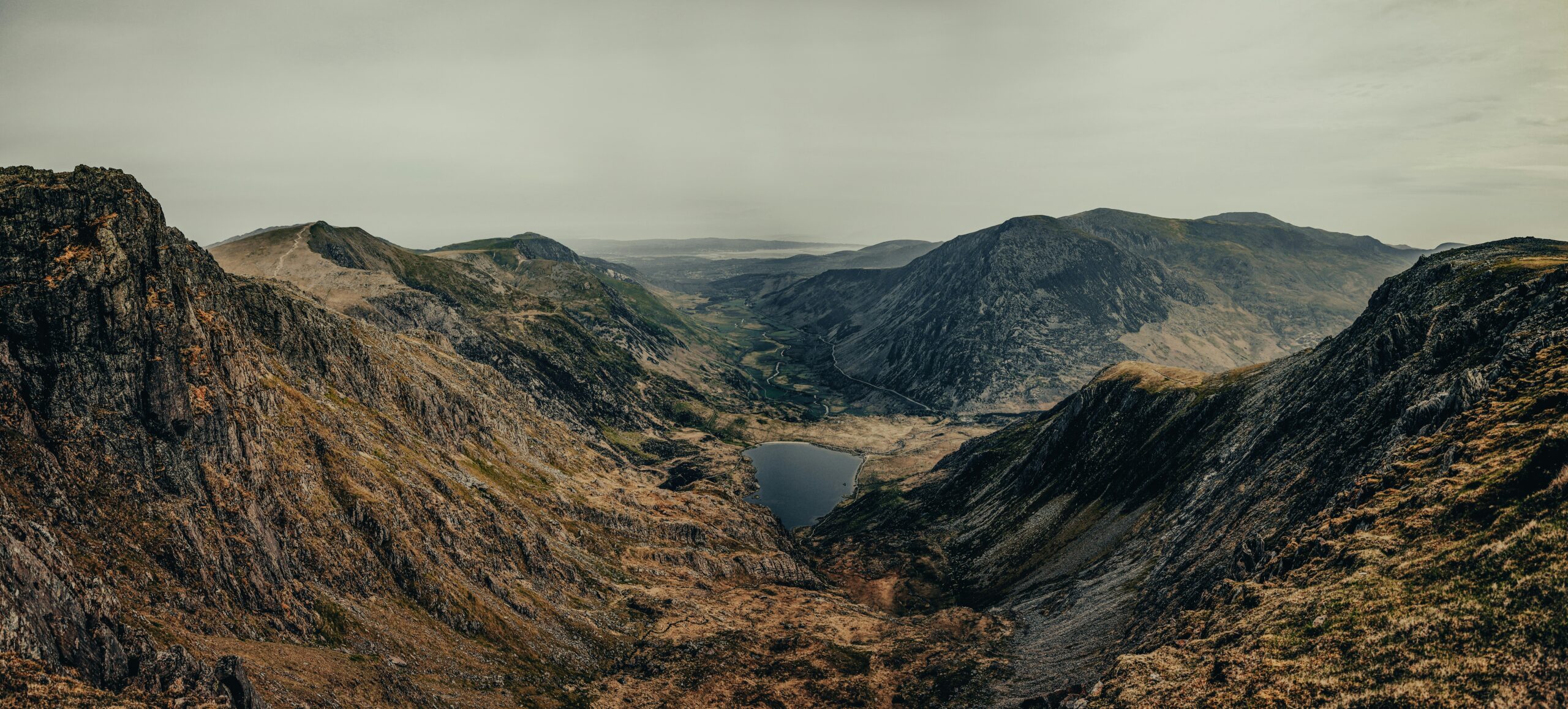
Snowdonia (Eryri) National Park
- Founded 1951: 2,176 km². Welsh name Eryri (“Land of Eagles”) official 2022.
- Yr Wyddfa (Snowdon) 1,085m: highest in Wales + England. UK’s most-climbed mountain. 6 routes.
- Easy routes: Llanberis Path (longest 14 km, 5-6h, gentle gradient). Snowdon Mountain Railway (£40 one-way, easiest).
- Moderate routes: Pyg Track + Miners’ Track (8 km, 5h). PYG Track + Llanberis combo most popular.
- Hard routes: Watkin Path (long + relentless). Rhyd Ddu (steep).
- EXPERT only — Crib Goch knife-edge ridge: Grade 1 scramble (rock-climbing). 6h. Multiple deaths annually. Don’t attempt without experience + good weather.
- Snowdon summit: Hafod Eryri visitor centre + café. Open March-October.
- Other Snowdonia peaks: Tryfan (917m — scrambling), Cadair Idris (893m — gentler), Carnedd Llewelyn, Carnedd Dafydd.
- Llanberis village: base for Snowdon. Slate Museum, Dolbadarn Castle ruins, Lake Padarn.
- Betws-y-Coed: “gateway to Snowdonia.” Forest + waterfalls (Swallow Falls + Conwy Falls).
- Zip World Velocity 2: world’s fastest zipline (160 km/h). At Penrhyn Quarry.
Pembrokeshire Coast National Park
- UK’s only coastal national park: founded 1952. 620 km².
- Pembrokeshire Coast Path: 299 km long-distance trail. Top UK walk. Multi-day or sections.
- Walking entire path: 14-15 days. Guided + self-guided options.
- Best sections: St Davids to Newport (4 days, 80 km), South Pembrokeshire Tenby-Pembroke (2-3 days).
- St Davids: UK’s smallest city (1,800 people). Cathedral 12th-century. Bishop’s Palace ruins.
- Tenby: Welsh seaside town. Painted pastel houses. Castle ruins. Saundersfoot beach.
- Pembroke + Pembroke Castle: Henry VII’s birthplace 1457. Norman 12th-century.
- Skomer Island: puffins April-July. Day trip with boat from Martin’s Haven.
- Ramsey Island: wildlife reserve. Atlantic seals, peregrine falcons.
- Solva harbour: picture-perfect village.
- Stackpole + Barafundle Bay: often UK’s best beach. White sand + turquoise.
- Bluestones from Pembrokeshire: Stonehenge inner ring sourced here 5,000 years ago.
Brecon Beacons (Bannau Brycheiniog)
- Welsh name Bannau Brycheiniog: official since 2023. “Beacons” English association.
- 1,344 km² national park: central Wales. Founded 1957.
- Pen y Fan 886m: highest peak. 3-4 hour hike popular. Views over Black Mountains + Wye Valley.
- Dark sky reserve: International Dark Sky Reserve. Stargazing world-class. Light pollution-free.
- Waterfalls Country (Coed y Brenin): Sgwd yr Eira waterfall — walk behind it. Multiple cascades.
- Carreg Cennen Castle: dramatic clifftop ruins.
- Brecon town: old market town. Festival jazz week August.
- Hay-on-Wye: “Town of Books” — 30+ bookshops. Annual literary festival May-June.
- Mountain biking: Coed y Brenin trails world-class.
- Caves: National Showcaves Centre — Dan-yr-Ogof. £18.
Welsh castles
- 600+ castles: most per square mile in world. Norman + Welsh + Tudor.
- Caernarfon Castle (UNESCO 1986): 1283 by Edward I. Polygonal towers. Site of Prince of Wales investiture.
- Conwy Castle (UNESCO 1986): 1283. 4 towers + town walls. Most complete medieval castle UK.
- Beaumaris Castle (UNESCO 1986): 1295. Concentric defenses. Anglesey island. Finest concentric design Europe.
- Harlech Castle (UNESCO 1986): 1283. On rock above sea. Made famous by song “Men of Harlech.”
- Pembroke Castle: Norman 12th-century. Henry VII’s birthplace.
- Cardiff Castle: Roman + Norman + Victorian Gothic. In capital.
- Powis Castle: 13th-century. National Trust. Famous gardens.
- Carreg Cennen: dramatic clifftop ruins. Brecon Beacons.
- Castell Coch: “Red Castle” — 19th-century Gothic Revival. Fairy-tale.
- Raglan Castle: last castle built in Wales (15th c.). Civil War damaged.
- Visit fees: £8-14 each. CADW Pass £75/year unlimited.
Anglesey + Llŷn Peninsula
- Isle of Anglesey (Ynys Môn): 720 km² island. Connected by 2 bridges to mainland.
- Druid heritage: last Druid stronghold AD 60 — Roman invasion ended Druidism.
- Beaumaris Castle (UNESCO): 1295. Most perfect concentric design.
- Holyhead: ferry port to Ireland (Dublin 3h15).
- South Stack Lighthouse: dramatic cliff lighthouse 91m high.
- Llanfairpwllgwyngyllgogerychwyrndrobwllllantysiliogogogoch: longest place name in Europe (58 letters). Train station signs photo opp.
- Llŷn Peninsula: remote western finger. Welsh-speaking heartland (Cymraeg 75%+).
- Aberdaron: end of peninsula. Bardsey Island (“Island of 20,000 Saints”) off-shore — pilgrimage site.
- Abersoch: Welsh Riviera. Surfing.
- Portmeirion: Italianate village by Sir Clough Williams-Ellis. £21 entry.
Welsh language + culture
- Welsh (Cymraeg): Brittonic Celtic language. 30% speak (~900K speakers). Most-used minority Celtic.
- Co-official: bilingual signs everywhere. Welsh Government promotes via S4C TV channel + free Welsh classes.
- Welsh Pronunciation: “ll” = breathy hl. “w” = oo. “y” = uh. “ddwy” = dthoo-ee.
- Try: “Diolch” (thank you — DEE-olch). “Croeso” (welcome — KROY-so). “Iechyd da” (cheers — YECH-id DAH).
- Welsh history: Romans never fully conquered. Norman invasion 1066-1283 broke independence. Edward I built castles.
- Eisteddfod: Welsh festival of music + poetry. National Eisteddfod (August), International Eisteddfod (Llangollen July).
- Male voice choirs (Cor Meibion): Welsh chapel tradition. Coal mining era. Famous: Treorchy Male Choir.
- Rugby: Welsh national obsession. Wales vs England 6 Nations match emotional.
- Coal mining heritage: Big Pit Museum (UNESCO Blaenavon). Free.
- Industrial heritage: Wales fueled British Empire — coal + slate + iron.
- Famous Welsh: Catherine Zeta-Jones, Anthony Hopkins, Tom Jones, Shirley Bassey, Dylan Thomas, Ryan Reynolds (descent), Roald Dahl (born Cardiff).
Welsh food
- Cawl: lamb + leek + root vegetable stew. National dish. Slow-cooked.
- Welsh rarebit: rich cheese sauce on toast. NOT rabbit (despite name). Pub classic.
- Welsh cakes: small flat sweet griddle cakes with currants. From bakers + market stalls.
- Bara brith: “speckled bread” — fruit loaf with tea-soaked dried fruit.
- Laverbread (Bara lawr): seaweed paste. Often with bacon + cockles for breakfast.
- Cockles + mussels: Penclawdd cockles famous. Welsh fishing tradition.
- Welsh lamb: Wales has more sheep than people (10M sheep, 3.1M people). World-class lamb.
- Glamorgan sausage: vegetarian — Caerphilly cheese + leeks + breadcrumbs.
- Caerphilly cheese: traditional Welsh white cheese.
- Penderyn whisky: 2000 Welsh whisky distillery. First in 100+ years.
- Welsh tea: Welsh Brew. Strong + with milk.
Practical info
- Getting there: Cardiff Airport (CWL). London-Cardiff 2h train. Manchester-Cardiff 3h.
- Driving: rural roads narrow + winding. Single-track in some areas — use passing places. Patience.
- Public transport: trains connect main cities. Bus more comprehensive in countryside.
- Best time: May-September. June-July long days. April-May for spring blooms. October for autumn colors.
- Weather warning: notoriously variable. Sun + rain in same day common. Bring layers + waterproofs always.
- Days needed: 7-10 minimum to cover 3 national parks + castles + culture.
- Currency: GBP.
- Languages: English + Welsh. Welsh-only signs in Welsh-speaking areas (Bangor, Caernarfon, Aberystwyth).
- Hiking essentials: waterproofs, layers, hiking boots, OS Map (offline + paper backup), water, food, mobile reception unreliable in mountains.
- Visa: UK separate from Schengen. Most visa-free 6 months.
Frequently Asked Questions
Why are Welsh lands rugged?
Wales has mountains (Snowdonia, Brecon Beacons, Cambrians), 1,200 km of coastline, 600+ castles, dramatic peninsulas (Anglesey, Llŷn). 3 national parks cover 25% of country. UK’s most mountainous + coastal region per square mile.
Is Snowdon hard to climb?
Depends on route. Llanberis Path (easiest, 5-6h). Pyg Track (most popular, 5h). Crib Goch (EXPERT only — Grade 1 scramble, multiple fatalities annually). Snowdon Mountain Railway easiest non-walking option (£40).
Pembrokeshire Coast Path how long?
299 km full path. 14-15 days walking entire. Best sections: St Davids-Newport (4 days, 80 km). South Tenby-Pembroke (2-3 days). Self-guided + guided options available.
Welsh language hard?
Yes — Brittonic Celtic, very different from English. ‘Ll’ tricky. But Welsh speakers don’t expect tourists to learn — try ‘Diolch’ (thanks) + ‘Croeso’ (welcome) + bilingual signs help. 30% speak Welsh.
Best castles in Wales?
Caernarfon (UNESCO — Edward I 1283), Conwy (UNESCO — most complete medieval), Beaumaris (UNESCO — perfect concentric), Harlech (UNESCO — clifftop), Cardiff Castle (Roman + Victorian Gothic), Pembroke (Henry VII’s birthplace).
Welsh weather?
Notoriously variable. Sun + rain in same day common. Brings layers + waterproofs always. Coastal areas drier. Mountains wet — Snowdonia averages 200+ rainy days/year. Pembrokeshire driest.
Recommended on Amazon
As an Amazon Associate, grandgo.com earns from qualifying purchases. Links below are affiliate links — clicking them may earn us a small commission at no extra cost to you. Prices and availability are shown on Amazon.co.uk.
- Lonely Planet Wales — comprehensive guide.
- Snowdonia hiking guide — detailed routes.
- Welsh walking poles — mountain hiking.