


 serves as a gateway to this tropical paradise. Let’s explore the airports of Riviera Maya.)
Airports near Riviera Maya
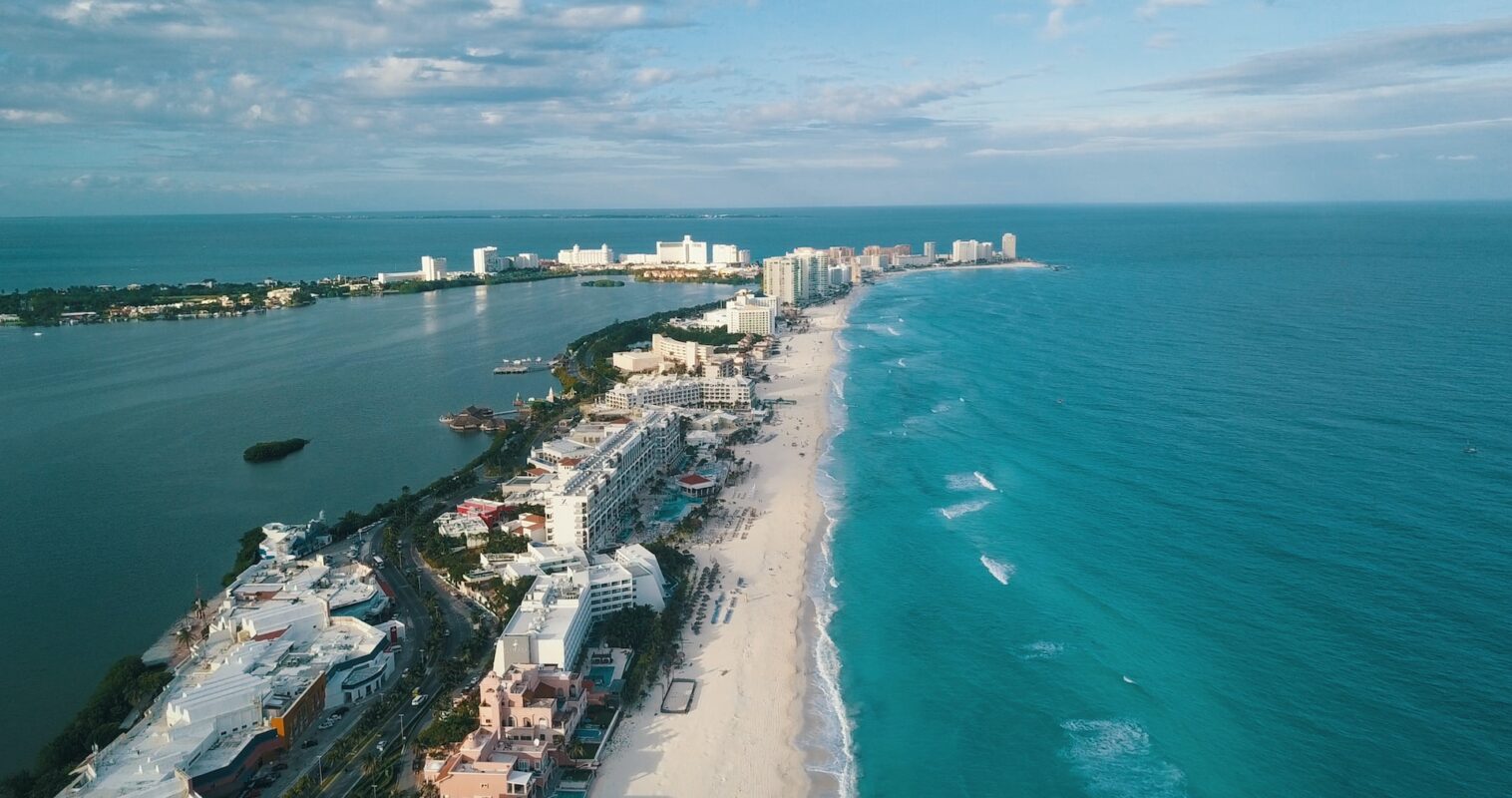
The stunning coastal region of Riviera Maya in Mexico has become a sought-after destination for travelers from around the world. Boasting pristine beaches, ancient ruins, and vibrant culture, this tropical paradise offers a plethora of attractions. As a gateway to Riviera Maya, the region is conveniently served by Cancun International Airport (CUN). In this article, we will delve into the airports in Riviera Maya, with a particular focus on Cancun International Airport and its accessibility to popular destinations such as Cancun, Playa del Carmen, Tulum, and more.
Booking.com
Cancun International Airport (CUN):
Cancún International Airport (IATA: CUN, ICAO: MMUN) stands as a bustling and iconic gateway to the mesmerizing shores of Cancún and the Riviera Maya, Mexico’s premier tourist destinations. Situated on the eastern coast of the Yucatán Peninsula, this airport is not only a key transportation hub but also a symbol of the region’s thriving tourism industry.
The airport’s state-of-the-art facilities and well-organized operations contribute to its status as one of Mexico’s busiest and most important airports. Its strategic location and extensive connections make it a vital entry point for both domestic and international travelers seeking to explore the Caribbean charm, pristine beaches, and vibrant nightlife that Cancún and the surrounding areas offer.
Upon arrival, passengers are greeted by a modern terminal equipped with a variety of amenities, including shops, restaurants, and lounges. The airport’s efficient customs and immigration processes ensure a seamless journey, allowing visitors to quickly embark on their Yucatán adventure.
Cancún International Airport’s significance extends beyond its role as a transportation hub. It serves as the gateway to the Riviera Maya, a stretch of coastline adorned with luxury resorts, archaeological sites, and natural wonders. Travelers departing from this airport often have the opportunity to explore attractions like the ancient ruins of Tulum, the underwater splendor of the Great Maya Reef, and the cenotes, natural sinkholes unique to the Yucatán Peninsula.
The airport’s influence on the local economy is undeniable, as it fosters tourism, employment, and trade. Its connections to numerous destinations across the Americas and beyond make it an essential link for travelers from all corners of the globe.
In essence, Cancún International Airport embodies the allure of Mexico’s Caribbean coast. With its modern infrastructure, exceptional services, and pivotal role in connecting the world to Cancún’s paradise, it encapsulates the spirit of exploration, relaxation, and adventure that characterizes this world-renowned destination.
In short:
a. Location and Overview: Cancun’s International Airport, located in Cancun, is the main international airport serving the Riviera Maya region. Situated on the eastern coast of Mexico’s Yucatan Peninsula, this airport holds great significance as a major transportation hub for both domestic and international travelers [first-time traveler? Learn some useful tips with our guide]. With its modern facilities and services, Cancun International Airport welcomes millions of visitors each year.
b. Transportation Options: Cancun’s International Airport provides easy access to various popular destinations within Riviera Maya.
- Distance from popular destinations: The airport is located approximately 40-50 minutes away from Playa del Carmen, making it a convenient entry point for those planning to explore this vibrant coastal town. Additionally, the airport offers accessibility to other destinations such as Tulum, Puerto Morelos, Puerto Aventuras, Xpu-Ha, Akumal, Soliman’s Bay, Tank Ha Bay, and the Sian Ka’an Biosphere.
- Shuttle services and transportation alternatives: Travelers can find a range of transportation options upon arrival at Cancun International Airport. Many resorts and hotels in the region provide shuttle services to and from the airport, ensuring a comfortable and hassle-free journey. Additionally, taxis, private transfers, and rental cars are available for those who prefer more flexibility in their transportation arrangements.

Tulum Airport
The new Tulum Airport is being built and will be a great option for travelers visiting the Mexican Caribbean. It will also reduce the pressure on the busy Cancun Airport, which has over 500 daily operations. The Tulum Airport will open ahead of schedule, as announced by Mexico’s president.
Tulum Airport, also known as Felipe Carrillo Puerto, is a huge project occupying almost 3,000 acres. It will comprise a civil/military airport alongside a military city with various buildings such as boarding lounges, passenger terminals, roads, parking structures, and a control tower, similar to those seen on a typical military base.
The airport will be in Felipe Carrillo Puerto, an hour away from Tulum. However, a major highway will connect the airport to Tulum, making transportation simple. Both Felipe Carrillo Puerto and Tulum are in Quintana Roo, the same state as other vacation hotspots like Playa del Carmen, Cozumel island, and Cancun.
Mexico’s president, Andrés Manuel López Obrador, announced that the Tulum Airport will be completed in December 2023, the same time as the Maya Train project.
The Tulum Airport and the under-construction Maya Train will improve travel to the Riviera Maya, beyond Cancun. Tulum Airport will serve 4 million passengers annually, making it the second largest airport in the Yucatán Peninsula. The Maya Train will have a stop at the New Tulum Airport, connecting the two projects and making it easier for tourists to access more destinations without having to travel from Cancun Airport.
ViVaAerobus is confirmed to operate at Tulum Airport, with Allegiant Air also set to connect Tulum to various US cities.
Cozumel International Airport
Cozumel International Airport (IATA: CZM, ICAO: MMCZ) stands as a prominent gateway on the enchanting Caribbean island of Cozumel, situated in the Quintana Roo region of Mexico. This airport serves as a vital link connecting both national and international air traffic to the charming city of San Miguel on the island, catering to a substantial influx of tourists year-round. With two operational runways, the airport ensures efficient aviation operations while contributing significantly to the island’s economic and tourism sectors.
Operated under the oversight of the ASUR Airport Group, which also manages nine other airports in the southeastern Mexican region, Cozumel International Airport has consistently demonstrated its pivotal role in facilitating travel to and from the picturesque island. The airport underwent a transformative renovation and expansion in 2003, a testament to its commitment to providing modern and efficient facilities for passengers and airlines alike.
Equipped with a total of six boarding gates, the airport has effectively streamlined its operations to accommodate the steady flow of travelers seeking to experience the natural beauty and vibrant culture of Cozumel island. The convenience and functionality of its facilities ensure a seamless journey for both departing and arriving passengers, enhancing the overall travel experience.
Over the years, Cozumel International Airport has witnessed a substantial increase in passenger traffic, reflecting its growing popularity as a tourist destination. In 2021, the airport played host to 531,675 passengers, a number that surged to 663,270 passengers in the following year, as reported by Grupo Aeroportuario del Sureste. This remarkable growth underscores the island’s allure as a sought-after tropical paradise and the airport’s role in accommodating the escalating demand.
As a bustling hub that connects Cozumel to the world, Cozumel International Airport plays a pivotal role in shaping the island’s tourism landscape, serving as the first and last point of contact for many travelers who embark on journeys to experience the Caribbean’s wonders.
The National Airport of Playa del Carmen
Playa del Carmen Airport (IATA Code: PCM – DGAC Code: PCE2), is an airport located in the city of Playa del Carmen, Quintana Roo, Mexico. The airport has limited activity and its runway, which is just a few meters long, can only accommodate small and medium-sized aircraft.
It is a modest aviation facility nestled within the picturesque city of Playa del Carmen, situated in the stunning region of Quintana Roo, Mexico. Despite its relatively diminutive size and limited operational scope, this airport plays a crucial role in connecting the region’s local communities and visitors to nearby destinations.
Established back in April 1993, the airport saw its first commercial activity with Aerosaab, which initiated direct flights between Playa del Carmen and Cozumel. Over the years, this service has persisted, demonstrating the airport’s resilience and dedication to maintaining vital connections. Furthermore, Aerosaab also operates flights to the Aeródromo de Holbox, a testament to the airport’s commitment to serving multiple points within the region.
Occupying a compact area of approximately 16.5 hectares, the Playa del Carmen Airport encompasses essential aviation infrastructure. The airport’s runway, measuring 855 meters in length and 15 meters in width, is designed to accommodate small to medium-sized aircraft. This limitation in aircraft size reflects the airport’s role as a crucial link between nearby destinations rather than a major international hub. The addition of a turning bay at the end of runway 11 enhances safety and maneuverability for aircraft operating in and out of the facility.
In terms of facilities, the airport boasts a well-organized terminal building, hangars, and a sizable aviation platform spanning 4,600 square meters. Despite its relatively low passenger traffic, the airport remains committed to serving the needs of its visitors. In 2021, it welcomed approximately 12,621 passengers, a testament to the enduring relevance of this aviation facility.
While not a bustling gateway on the global stage, the Playa del Carmen Airport exemplifies the importance of regional connectivity. Its steadfast commitment to providing essential air services to nearby destinations showcases the vital role even smaller airports can play in facilitating travel and supporting local economies.
Chichen Itza International Airport
Chichen Itza International Airport (IATA: CZA, ICAO: MMCT) stands as an ambitious but ultimately unfulfilled aviation endeavor situated in Chichen Itza, Yucatán, Mexico, located within the northern expanse of the Yucatán Peninsula. The airport’s conception began in 1999, marked by ambitious plans to connect this historical and cultural site to international and domestic air travel. On April 12, 2000, the airport was inaugurated with an investment of 135 million pesos, equivalent to around US$14,250,000 at that time.
Initially, the airport garnered interest from prominent airlines including Aeroméxico, Mexicana, Aerocozumel, and American Airlines, signifying the anticipation surrounding its potential to serve as a gateway to the iconic Chichen Itza archaeological site. However, the initial enthusiasm proved short-lived, as these airlines soon ceased operations from the airport due to financial impracticality. The complexities of profitability, combined with other logistical challenges, led to their withdrawal.
Currently, the dynamics of travel to Chichen Itza have taken a different course. Tourists predominantly choose to land at Cancún International Airport, a well-established aviation hub in the region, and then proceed to Chichen Itza via car or bus. This approach offers convenience and established infrastructure, bypassing the operational uncertainties and limitations that plagued Chichen Itza International Airport.
The airport’s operational history has been marred by challenges, resulting in a state of near inoperability. As a consequence, it has left a financial burden, amounting to a debt of 27 million pesos (roughly US$1,450,000). This serves as a poignant reminder of the complexities and risks associated with establishing and maintaining an airport, particularly in cases where the envisioned demand does not materialize as expected.
Chichen Itza International Airport’s story serves as a cautionary tale in the world of aviation infrastructure development. It highlights the delicate balance between strategic location, demand projections, and economic viability. Despite the aspirations that initially surrounded its creation, the airport’s operational struggles emphasize the importance of thorough market research and feasibility analysis when embarking on such significant endeavors.
Mérida International Airport
Mérida International Airport (IATA: MID, ICAO: MMMD) serves as a vital aviation hub in Mérida, the capital city of the Yucatán state in Mexico. As one of the busiest airports in the region, it plays a crucial role in connecting domestic and international travelers to the vibrant cultural and historical attractions of the Yucatán Peninsula.
The airport boasts modern infrastructure and facilities, catering to a steady stream of tourists and business travelers. With its convenient location and well-developed transportation links, Mérida International Airport is a gateway to Yucatán’s renowned archaeological sites, colonial architecture, and stunning natural landscapes.
Mérida International Airport offers a range of amenities to enhance the travel experience, including lounges, restaurants, and shops. Its well-maintained runways and efficient operations ensure a smooth flow of air traffic. The airport’s capacity to handle both domestic and international flights has contributed to the growth of tourism and business in the region.
Mérida itself is a city steeped in history and culture, known for its colonial-era architecture, vibrant markets, and friendly locals. The airport’s strategic location provides convenient access to explore Yucatán’s many attractions, from the ancient Mayan city of Chichen Itza to the picturesque coastal towns along the Gulf of Mexico.
Overall, Mérida International Airport is a bustling gateway to a region rich in history, culture, and natural beauty. Its role in facilitating travel and connecting visitors to the Yucatán’s treasures underscores its significance as a key player in Mexico’s aviation landscape.
Campeche International Airport
Campeche International Airport (IATA: CPE, ICAO: MMCP) is a pivotal aviation facility situated in Campeche, a charming city and capital of the Campeche state in Mexico. Operating as a gateway to the picturesque Yucatán Peninsula, this airport plays a vital role in connecting both domestic and international travelers to the cultural, historical, and natural wonders of the region.
The airport’s modern infrastructure and efficient operations make it an essential hub for travel to and from Campeche. Its well-maintained runways and facilities ensure smooth air traffic flow, accommodating a diverse range of aircraft, from smaller regional planes to larger commercial jets.
Campeche International Airport’s strategic location makes it a crucial asset for the region’s tourism and business sectors. Travelers arriving at the airport have the opportunity to explore Campeche’s colonial architecture, cobblestone streets, and vibrant local culture. The city is recognized as a UNESCO World Heritage site, showcasing its historical significance and architectural charm.
The airport offers a range of amenities for travelers, including lounges, dining options, and retail shops, contributing to a pleasant and convenient travel experience. With its capacity to handle both domestic and international flights, the airport fosters economic growth and cultural exchange in the Campeche region.
For those seeking to explore the Yucatán Peninsula, Campeche International Airport provides easy access to nearby attractions such as ancient Mayan ruins, natural reserves, and pristine beaches along the Gulf of Mexico. The airport’s role as a transportation hub supports the exploration of a diverse range of destinations, from bustling cities to tranquil coastal getaways.
In summary, Campeche International Airport stands as a gateway to a region brimming with history, culture, and natural beauty. Its contribution to the connectivity of the Yucatán Peninsula underscores its significance as a key player in Mexico’s aviation network, facilitating travel and exploration for both local residents and international visitors.
Playa del Carmen and Transportation:
a. Distance from Cancun International Airport: Playa del Carmen, a vibrant coastal town known for its stunning beaches and lively atmosphere, is a popular destination within Riviera Maya.
- Approximate travel time from the airport to Playa del Carmen: The distance between Cancun International Airport and Playa del Carmen is approximately 40-50 minutes by road, making it easily accessible for visitors arriving at the airport.
- Overview of transportation options: Travelers have several transportation options to reach Playa del Carmen from the airport. Shuttle services, taxis, and public transport are readily available. However, one notable option is the shuttle service provided by Grand Velas, a renowned resort in the area. Grand Velas offers convenient shuttle service to and from the terminals, allowing guests to begin their vacation with comfort and ease.
Exploring Tulum and Beyond:
a. Tulum’s proximity to Cancun International Airport: Tulum, famous for its ancient Mayan ruins and pristine beaches, is another must-visit destination in Riviera Maya.
- Travel time and transportation options: The distance between Cancun International Airport and Tulum is approximately 1.5 to 2 hours by road, depending on traffic conditions. Visitors can choose from various transportation options, including shuttles, taxis, and rental cars, to reach Tulum from the airport. These options offer flexibility and convenience for travelers looking to explore the captivating beauty of Tulum and its surroundings.
b. Other destinations in Riviera Maya: In addition to Playa del Carmen and Tulum, Riviera Maya boasts several other captivating destinations worth exploring.
- Puerto Morelos, Puerto Aventuras, Xpu-Ha, Akumal, Soliman’s Bay, Tank Ha Bay, and the Sian Ka’an Biosphere: These destinations offer stunning beaches, vibrant marine life, and opportunities for snorkeling, diving, and eco-tourism. While each location has its own unique charm, Cancun International Airport provides convenient access to these destinations, allowing travelers to easily hop from one paradise to another.
Playa del Carmen
Playa del Carmen is a popular tourist destination located in the Riviera Maya on the eastern coast of Mexico’s Yucatán Peninsula. Here’s a brief overview:
Location: Playa del Carmen is situated in the state of Quintana Roo, Mexico. It lies along the Caribbean Sea and is roughly midway between the city of Cancún to the north and the Mayan ruins of Tulum to the south.
Tourist Appeal:
- Beaches: Playa del Carmen is renowned for its stunning beaches with white sand and turquoise waters.
- 5th Avenue (Quinta Avenida): A pedestrian-only street that runs parallel to the beach. Lined with shops, restaurants, bars, and nightclubs, it’s the heart of the town’s activity.
- Cenotes: Natural sinkholes resulting from collapsed limestone that exposes groundwater. They are scattered around the area and are popular spots for swimming, snorkeling, and diving.
- Proximity to Mayan Ruins: Not far from Playa del Carmen, one can visit the ruins of Tulum and Coba, offering a glimpse into the civilization of ancient Maya.
- Island of Cozumel: Located just off the coast, this island is famous for its diving spots and can be easily reached by ferry from Playa del Carmen.
Development: Over the years, Playa del Carmen has transitioned from a small fishing village to a rapidly growing tourist hub. This growth has brought with it numerous resorts, hotels, and other amenities for visitors.
Activities: Apart from beach lounging, visitors to Playa del Carmen can indulge in water sports, explore eco-parks like Xcaret and Xel-Há, go deep-sea fishing, take part in jungle tours, or even visit the Sian Ka’an Biosphere Reserve, a UNESCO World Heritage site.
Safety: Like many tourist destinations, it’s essential for visitors to be aware of their surroundings and take standard safety precautions. While Playa del Carmen is generally considered safe for tourists, it’s always advisable to follow guidelines, avoid isolated areas after dark, and be aware of current travel advisories.
In conclusion, Playa del Carmen offers a unique mix of natural beauty, historical significance, and modern amenities, making it a favorite for many travelers to the region.
Riviera Maya
Riviera Maya is a scenic stretch of coastline located on the northeastern Yucatán Peninsula in the state of Quintana Roo, Mexico. It is one of Mexico’s most popular tourist destinations and is renowned for its pristine beaches, clear turquoise waters, rich Mayan history, and vibrant nightlife. Here’s an overview:
Geographical Location: The Riviera Maya spans from just south of Cancún to the town of Punta Allen, covering approximately 150 kilometers of the Caribbean coastline, washed by the Caribbean Sea.
Key Features and Attractions:
- Beaches: The Riviera Maya boasts some of the world’s most beautiful beaches, with powdery white sand and clear, turquoise waters.
- Archaeological Sites: The region is rich in Mayan history with notable archaeological sites like Tulum (cliffside ruins overlooking the sea) and Cobá (a larger site with one of the tallest pyramids in the Yucatán Peninsula).
- Cenotes: These are natural limestone sinkholes filled with fresh water, and they are scattered throughout the region. Cenotes are popular for swimming, snorkeling, and diving. Some of the famous ones include Cenote Dos Ojos and the Sacred Cenote at Chichén Itzá.
- Eco-Parks: There are several ecological parks like Xcaret, Xel-Há, and Xplor where visitors can enjoy activities ranging from snorkeling in natural lagoons to zip-lining over the jungle.
- Resorts: The Riviera Maya is home to numerous all-inclusive resorts, boutique hotels, and vacation rentals catering to all budgets and preferences.
- Playa del Carmen: Once a fishing village, it has now transformed into a bustling town and a major tourist hub. The famous Quinta Avenida (5th Avenue) is a pedestrian street lined with shops, restaurants, bars, and entertainment venues.
- Sian Ka’an Biosphere Reserve: A UNESCO World Heritage site, it’s a large protected area that encompasses tropical forests, mangroves, marshes, and a barrier reef. It’s home to a vast variety of flora and fauna.
Safety: Although the Riviera Maya is largely considered safe for tourists, as with any popular destination, it’s essential for visitors to remain aware of their surroundings and exercise standard precautions.
Transport: The main airport serving the Riviera Maya is Cancún International Airport (CUN). From there, tourists can easily access various destinations in the Riviera Maya by car, bus, or taxi.
In conclusion, the Riviera Maya offers an exquisite blend of natural beauty, historical attractions, and modern luxury, making it a sought-after destination for travelers from around the world.
The Riviera Maya land is more than just its stunning coastline and tourist amenities; it’s a testament to the rich tapestry of cultures, histories, and ecosystems that have thrived here over the centuries. Exploring deeper into the heart of the Riviera Maya land, visitors often find themselves enchanted by the untouched jungles, traditional Mayan villages, and the myriad of hidden treasures that speak to the area’s ancient and contemporary significance. This rich hinterland is a must-visit for those wanting to delve beyond the surface and truly understand the soul of this spectacular region.
Tips and Recommendations:
a. Preparing for Arrival: To ensure a smooth arrival at Cancun International Airport, it is essential to be prepared.
- Documents, customs, and immigration procedures: Travelers should ensure they have all necessary travel documents, such as a valid passport and any required visas. Familiarizing oneself with the customs and immigration procedures can help streamline the arrival process.
- Currency exchange and amenities: The airport offers currency exchange services, making it convenient for travelers to obtain local currency upon arrival. Additionally, the airport provides various amenities, including shops, restaurants, and lounges, allowing visitors to relax and refresh before continuing their journey.
b. Ground Transportation: Choosing the most suitable mode of transportation from the airport is an important consideration.
- Rental cars, private transfers, and public transportation options: Renting a car provides flexibility for exploring the region at one’s own pace. Private transfers offer personalized service, while public transportation, such as buses, can be a budget-friendly option. Evaluating the pros and cons of each choice can help travelers make an informed decision based on their preferences and budget.
c. Local Transportation Options: Once in Riviera Maya, various transportation options are available for getting around and exploring the region.
- Public buses, taxis, and organized tours: Public buses provide an affordable means of transportation between different destinations within Riviera Maya. Taxis offer convenience and flexibility for shorter distances or specific locations. Additionally, organized tours provide a guided and curated experience, allowing travelers to explore the region’s attractions with ease.

Conclusion: As the main international gateway to Riviera Maya, Cancun International Airport (CUN) serves as a crucial hub for travelers exploring this stunning region. The proximity of the airport to popular destinations such as Cancun, Playa del Carmen, Tulum, and more, along with the convenience of transportation options, ensures a seamless and enjoyable experience for visitors. Whether seeking relaxation on pristine beaches or diving into the rich cultural heritage, Riviera Maya’s airports offer a gateway to paradise. By leveraging the transportation services and exploring the diverse destinations, travelers can embark on a memorable journey through the captivating Riviera Maya region.
Useful additional read:
Suggested read: