


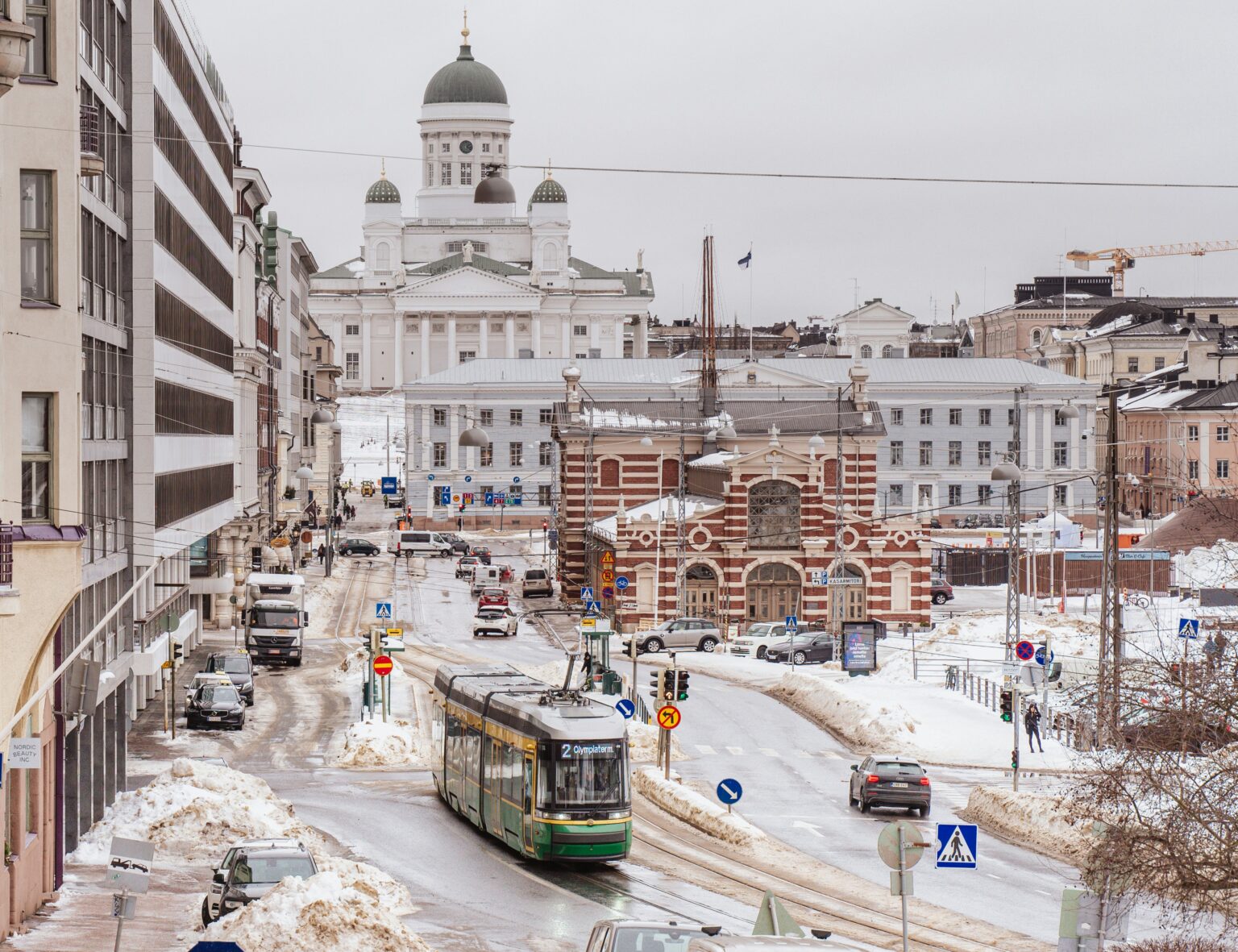

Helsinki is one of the easiest Nordic capitals for visitors to reach, drawing them in with its design and culture, food, saunas and festivals.
Helsinki metro and commuter rail systems feature purpose-built double track along two train corridors and the Ring Rail Line, in addition to multiple bus lines and ferry services operating throughout the city.
Central Helsinki
Central Railway Station stands out as an outstanding example of Jugendstil architecture, constructed by Saarinen between 1919 and 1925 and inaugurated as Helsinki’s major railroad station at that time. Saarinen sought to combine medieval, traditional Finnish, romantic elements, with modern features to produce this beautiful and iconic landmark that still attracts thousands each year.
The exterior of the cathedral is equally breathtaking, featuring a towering yet elegant edifice that conveys spirituality to visitors from afar. Inside you’ll discover breathtaking artwork and an atmosphere both peaceful and sacred; one notable part is the cathedral crypt with its immense size and depth; it draws frequent visits.
On your way out, visit the on-site gift shop for some Finnish souvenirs that will remind you of your visit. If you have more time, wander the winding streets of Senate Square for some people watching and perhaps grab a bite at one of its many restaurants or cafes.
Winter World, an indoor attraction kept at -3deg Celsius, is another must-visit in Helsinki during winter and offers something fun for families to do together.
This museum houses a vast collection of art and artifacts dating from prehistoric Finland up until present day, including works by Picasso, Kandinsky and Moore as well as personal effects belonging to Marshal Mannerheim himself. One of the more underrated museums in Helsinki and a must-visit for all art enthusiasts.
If you want to gain more insight into the history of Helsinki, visit the National Museum of Finland for an informative visit. It features exhibits about Finland’s culture, history, natural beauty and archives as well as featuring special exhibitions that celebrate Helsinki.
Locate near the harbor, this indoor market should be on your itinerary at any time of year. With souvenir shopping and delicious local foods galore as well as excellent people-watching opportunities. Plus it provides access to fresh fish and berries!
Western Helsinki
Helsinki serves as the heart of Finland and is an increasingly popular tourist destination, known for business, finance, fashion, medicine, entertainment media culture and intellectual discourse. The city also features an impressive variety of museums galleries performance spaces as well as top ranked global cities like its Central Square with delicious food vendors selling souvenirs souvenirs flowers local crafts & more!
At the center of downtown Helsinki stands Helsinki Cathedral – its iconic symbol and featured image featured prominently on almost all promotional merchandise. Adjacent is the National Museum of Finland with its impressive art nouveau architecture as well as exhibits covering Stone Age life, Christianization processes, life under both Russian and Swedish rule and more.
Aleksanterinkatu, which connects Senate Square to Mannerheimintie, boasts an array of prestigious department stores and shopping centres such as Stockmann and Kluuvi. Additionally, this street hosts an immensely popular Christmas market called joulukatu. Along this street stands The Three Smiths Statue: three naked smiths hammering an anvil. Taking pictures near this statue has become a favorite pastime along the street.
Outside the city center are various neighbourhoods offering different styles and landscapes: Kallio’s bohemian flair is distinct, while Punavuori offers modern edifices and the seaside atmosphere of Lauttasaari offer distinctive takes on Helsinki’s urban environment.
Another highlight is Kauppatori Market Square (Kauppatori), stretching from the coast to Esplanadi district in Esplanad. From summertime on, its bustling stalls sell Finnish foods and flowers; during wintertime these stalls are covered by heated tents while year-round hall houses more vendors – though be wary – large seagulls may swoop down at any moment and steal food away from unsuspecting tourists!
On the western edge of Helsinki is Ainola, once home to world-renowned composer Jean Sibelius. Sibelius built his house near Jarvenpaa lake so he could compose in peace and quiet; today, this exquisite house forms part of Ainola Historical Museum and has been meticulously preserved over time.
Southern Helsinki
Southern Helsinki boasts marine landscapes and historic towns a short drive from lush boreal taiga. Helsinki – nicknamed “Daughter of the Baltic” – can also be found here, as well as an assortment of accommodation options ranging from downtown hotels to rural cabins and cottages.
The central portion of the city can easily be explored on foot. Bikes, rental cars and public buses provide additional modes of transport, while HSL provides an all-day ticket that covers ferry travel.
HSL’s main ferry terminal is at Market Square. On summer weekends, queues may be lengthy, with crowds often converging at this terminal. A faster alternative would be catching one of HSL’s private ferries which depart every half an hour, or purchasing an HSL Day Ticket as these tickets offer better value than any alternative methods of reaching the island.
Kaivopuisto Park in Helsinki is one of the city’s most beloved green spaces, covering several hectares along its south coast and offering both flat areas and cliffs with perfect sunbathing spots. Additionally, this park houses the Ursa Observatory and Villa Kleineh – the oldest house in town – as well as being popular for tobogganing during winter months and offering gravesites of Risto Ryti, Vaino Tanner, and T. M. Kivimaki who were imprisoned as part of 1944 armistice agreement but had their sentences commuted later.
Pihlajasaari, one of Helsinki’s best-known islands, draws many tourists during summer for picnicking or swimming. The island features protected woodlands and rocky beaches, spanning two kilometers. At its northern end is a water tower and pavilion while at the southern tip lies Kasinonranta Beach.
Alvar Aalto created Finlandia Hall as a concert and convention hall made of white Carrara marble in 1971 for opening concerts and conventions; its famed acoustics make it a landmark event; furthermore, this was where the Conference on Security and Cooperation in Europe signed its Final Act in 1975.
Eastern Helsinki
Helsinki could easily be called the “white metropolis of the north.” With its light-colored granite buildings and surrounding seashores, Helsinki exudes an otherworldly charm. Helsinki serves as Finland’s primary port and industrial center; yet many residents live in its eastern suburbs – giving visitors many ways to discover this rich city’s culture.
Hietaniemi is an affluent suburb renowned for its vibrant arts and education scene, featuring museums, galleries, shops, cafes and restaurants, such as the new Helsinki National Library which opened its doors in 2018. Additionally, several concert venues as well as Hietalahti cultural complex provide performances across multiple stages and performance spaces in Hietaniemi.
Just north of Hietaniemi lies the Rock Church, carved directly into and built directly into a solid rock face of Helsinki peninsula. The underground interior, filled with rhododendron bushes and other blooming flora growing between rocky walls, serves as an oasis of calm for its underground interior. Uuden ymparistopark also provides hiking paths and playgrounds among natural areas with trees and ponds – offering plenty of places for quiet reflection.
Helsinki residential neighborhoods feature open spaces for outdoor recreation in its eastern areas. An amphitheatre rises on one ridge of city centre while parks have lakeshores, forests and golf courses for public enjoyment. Furthermore, fishing waters of Vanhankaupunginlahti attract locals and tourists alike; with 11,000 boat moorings there for local fishermen as well as tourists alike.
One of the key attractions in Itasivayla’s eastern city park is a collection of monuments designed by Eliel Saarinen as part of his Art Nouveau railway station design; its 48 meter-high clock tower influenced him in creating America’s 1922 Chicago Tribune Tower in Chicago.
Hameentie serves as the main artery in the inner east and most buses traveling between Lahti and Tuusula use this route, along with trams 1, 3, 6, 7 and the metro (Toolo or Sornainen stop) en route to Sornainen or Toolo stations, passing this way. Furthermore, freeways 4 from Lahti and 45 from Tuusula enter this part of town as well as highway 170 from Porvoo.
Trip-ready gear from Amazon
As an Amazon Associate, grandgo.com earns from qualifying purchases. Links below are affiliate links — clicking them may earn us a small commission at no extra cost to you. Prices and availability are shown on Amazon.co.uk.
- Lonely Planet Scandinavia guide — Multi-country Nordic guide.
- Waterproof camera GoPro — Northern Lights + fjords.
- Warm winter gloves travel — Aurora watching essential.