


Introduction
Welcome to a captivating journey into the enigmatic abyss of the Tyrrhenian Sea. As we delve into its mysteries and marvels, our comprehensive guide will unveil the fascinating aspects of one of the Mediterranean’s most alluring expanses. In this article, we’ll navigate through the depths, marine life, geological formations, and more that make the Tyrrhenian Sea a unique and mesmerizing realm.
Unveiling the Tyrrhenian Sea
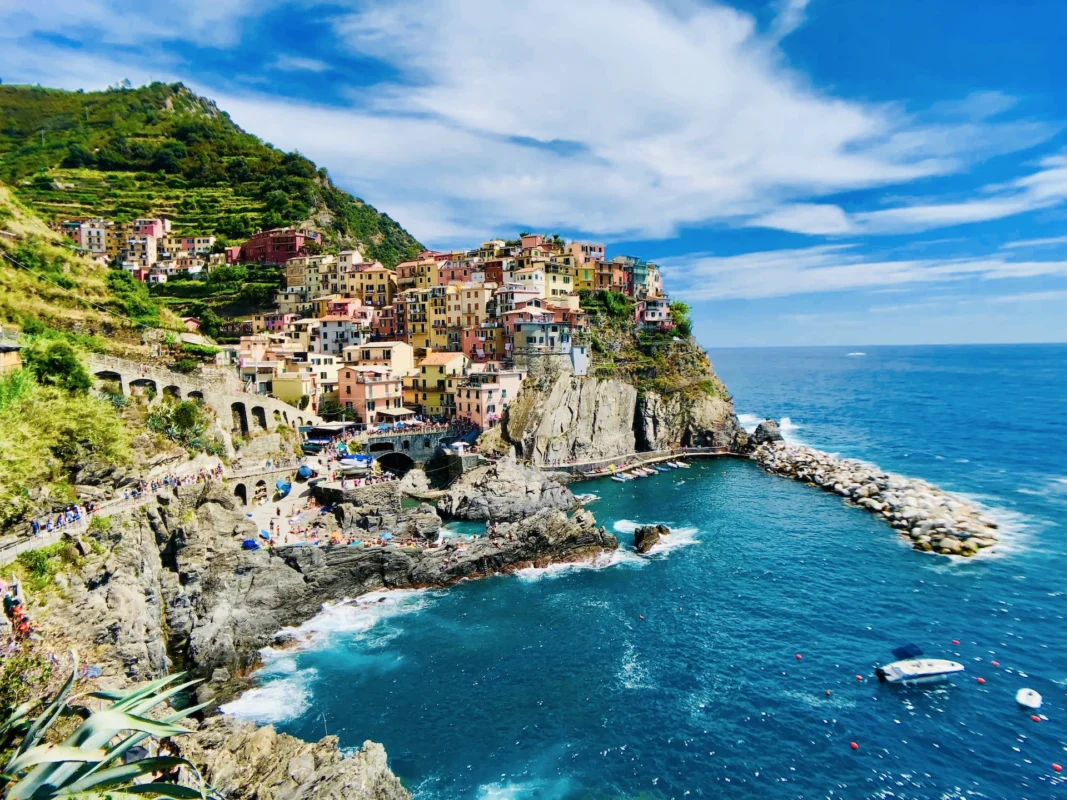
The Tyrrhenian Sea is a body of water nestled between the western coastline of Italy, the eastern shores of Corsica and Sardinia, and the southern coastline of the Italian peninsula.
Spanning approximately 100,000 square kilometers, this sea boasts an average depth of around 2,000 meters, while its maximum depth plunges to an astounding 3,785 meters.
The sea’s formation is attributed to the complex interplay of tectonic forces, with its origins rooted in the convergence of the Eurasian Plate and the African Plate.
A Geological Marvel
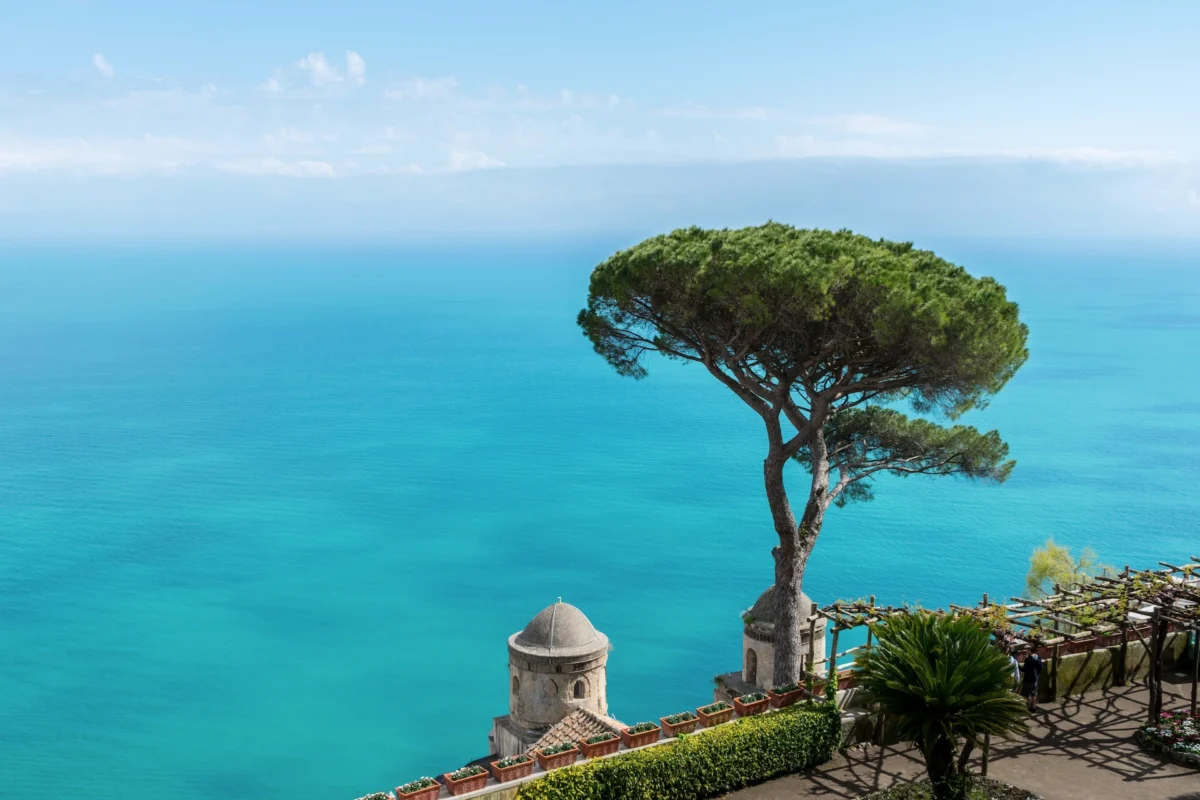
Beneath the tranquil waves of the Tyrrhenian Sea lies a remarkable geological tapestry that narrates the Earth’s history. This sea is a testament to the dynamic processes shaping our planet, including subduction zones and volcanic activity. A series of submarine volcanoes and volcanic islands dot the Tyrrhenian Sea, such as Stromboli and Vulcano. These underwater features not only contribute to the breathtaking scenic beauty but also serve as vital ecosystems, fostering unique marine life.
Diving into Biodiversity
The Tyrrhenian Sea’s azure expanse is teeming with an array of marine species that have adapted to its varied depths and ecosystems. From the sun-drenched shallows to the abyssal plains, marine life flourishes in diverse forms. Coral reefs and seagrass meadows provide shelter to countless species, including colorful fish, mollusks, and crustaceans. The sea also serves as a migratory route for marine mammals, such as dolphins, whales, and porpoises.
Ecological Significance
The Tyrrhenian Sea’s ecological significance extends beyond its beauty. Its rich biodiversity contributes to the balance of the Mediterranean ecosystem and supports the livelihoods of coastal communities that rely on fishing and tourism. Sustainable practices are crucial to preserving this delicate equilibrium and ensuring the continued vitality of the sea’s ecosystems.
Exploring the Abyssal Depths
Venturing into the depths of the Tyrrhenian Sea unveils an otherworldly landscape, shrouded in perpetual darkness. The abyssal plains and deep-sea trenches harbor unique species adapted to extreme conditions. The depths are inhabited by creatures like the flashlight fish, gulper eels, and bioluminescent organisms that create a mesmerizing natural light show in the pitch-black environment.
Human Connections and Exploration
Throughout history, the Tyrrhenian Sea has played a pivotal role in human civilization. Ancient civilizations, including the Etruscans and Romans, depended on its resources for sustenance and trade. Today, bustling coastal cities and charming villages offer a glimpse into the region’s rich cultural heritage, with delectable cuisine, vibrant festivals, and stunning architecture.
Preserving the Tyrrhenian Legacy
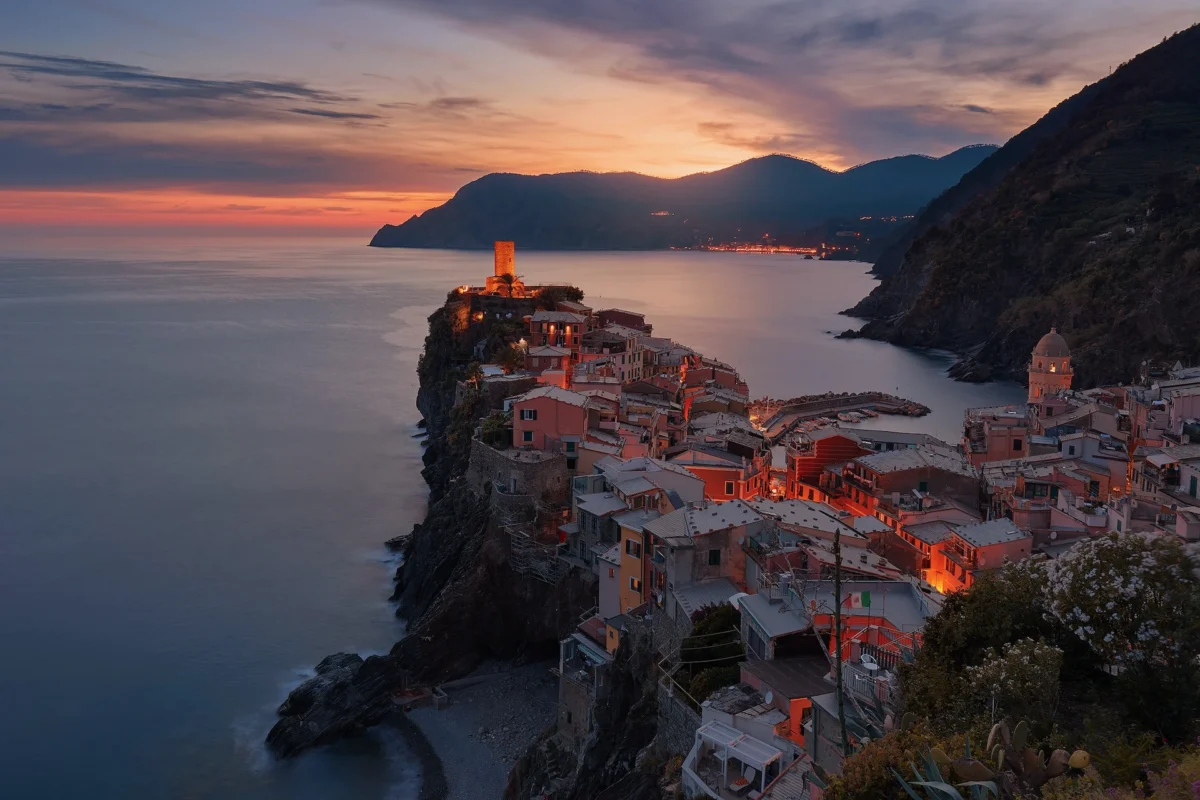
While the Tyrrhenian Sea’s allure is undeniable, its delicate ecosystem faces numerous challenges. Pollution, overfishing, and habitat degradation threaten its future. Collaborative efforts between governments, researchers, and environmental organizations are essential to safeguarding its pristine waters and preserving its splendor for generations to come.
Conclusion
In conclusion, the Tyrrhenian Sea is a realm of wonder that beckons adventurers, researchers, and curious minds to explore its depths. From its geological formations to its vibrant marine life, this captivating sea holds myriad secrets waiting to be uncovered. As we continue to unravel its mysteries, let us remember our responsibility to protect and preserve the Tyrrhenian Sea’s beauty for the well-being of both its inhabitants and the planet.