


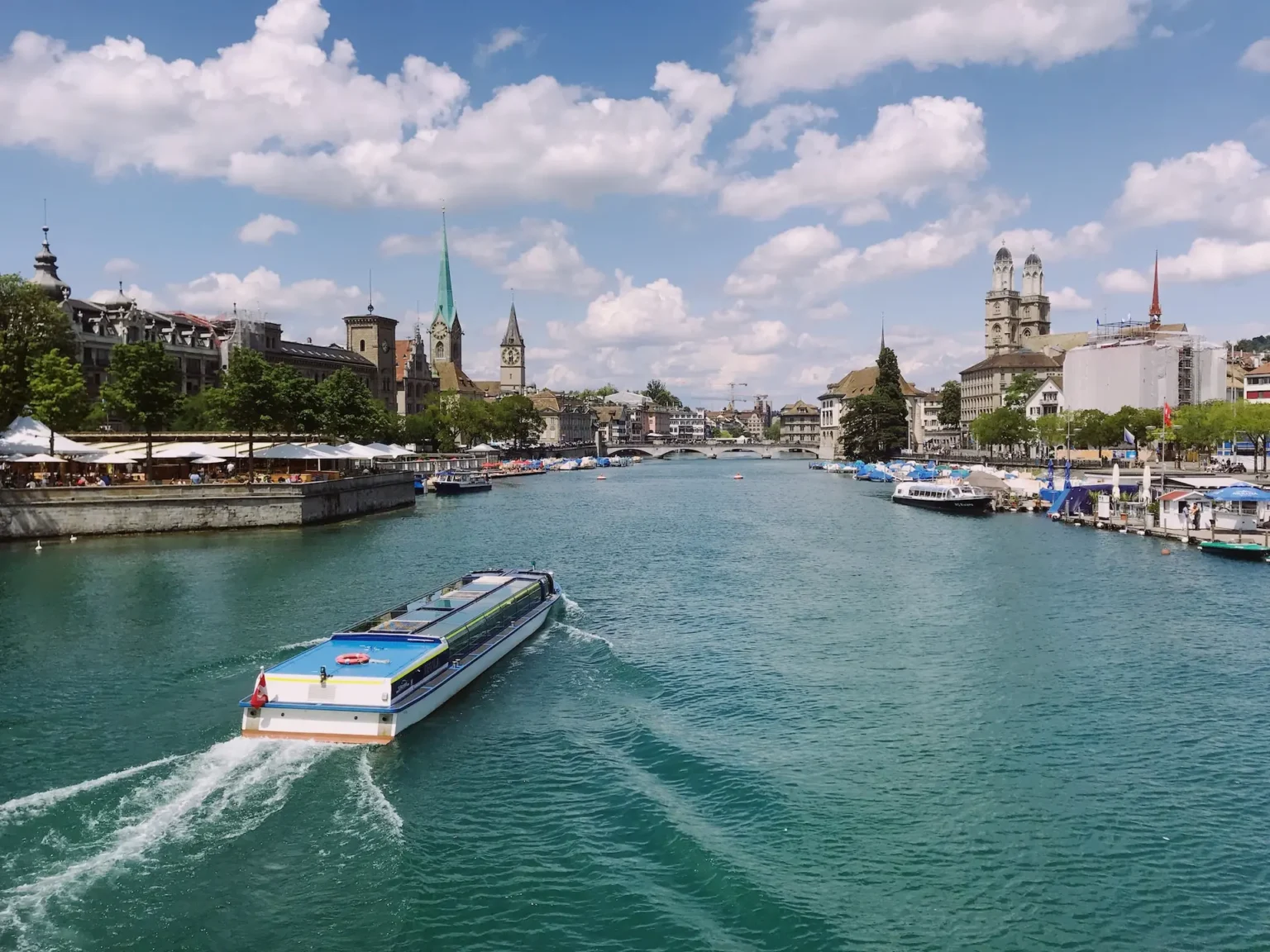

Zurich’s Historical Origins
The city of Zurich, nestled in the heart of Switzerland, holds a rich and fascinating history that dates back thousands of years. Its historical origins can be traced to the Roman times, when a small settlement known as Turicum emerged along the banks of the River Limmat. The Romans recognized the strategic importance of this location, utilizing it as a customs station and a crossing point for trade routes. Over time, Turicum grew into a prosperous town, attracting settlers from various cultures and kingdoms.
Zurich, the largest city in Switzerland, has ancient origins that date back to the Roman times. It was known as “Turicum” during the Roman era. The city was founded by the Romans in 15 BC, which means that as of 2023, Zurich is approximately 2,038 years old.
As the Roman Empire declined, Zurich experienced a period of instability and change. It was during the Middle Ages that the city truly began to flourish as a trading center, thanks to its prime location. The trade routes that passed through Zurich connected northern and southern Europe, making it a hub for economic exchange. With the rise of merchant guilds and the establishment of a market square, Zurich thrived as a bustling commercial hub, attracting merchants and visitors from far and wide. This period of growth laid the foundation for Zurich’s future prosperity and set the stage for the city’s significant developments in the centuries to come.
The Medieval Beginnings of Zurich
Zurich’s history dates back to the medieval period, when it began as a small town nestled along the banks of the Limmat River in what is now Switzerland. During this time, Zurich was part of the Kingdom of Burgundy and experienced significant growth due to its strategic location along important trade routes. The town flourished as a trading center, attracting merchants from all over Europe who were drawn to its bustling markets and thriving economy. This period saw the construction of the Grossmünster, one of Zurich’s iconic churches, which still stands as a testament to the city’s medieval origins.
As Zurich grew in prosperity, so did its political influence. The town became the capital of the County of Zurich, and its rulers began to assert their authority over the surrounding regions. Zurich’s strategic location also brought it under the influence of the powerful Holy Roman Empire, and the city thrived under imperial protection. These medieval beginnings laid the foundation for Zurich’s future as a significant political and economic hub. From its humble origins as a small trading town, Zurich would go on to play a pivotal role in shaping the history and development of Switzerland.
The Influence of the Roman Empire in Zurich
Zurich, situated on the banks of the Limmat River, traces its historical roots back to the Roman Empire. The Romans recognized the strategic value of this location, establishing a customs station known as Turicum in the first century AD. This settlement served as an important hub for trade, linking the Roman Empire with regions to the north.
Under Roman rule, Zurich flourished as a center of commerce and culture. The Romans constructed a bridge across the Limmat River, enhancing the city’s connectivity and facilitating the movement of goods and people. Furthermore, they introduced new agricultural techniques, improving productivity in the surrounding areas. The Roman influence extended beyond infrastructure and economy, as they also left an indelible mark on Zurich’s cultural fabric. The inhabitants adopted Roman customs, traditions, and even the Latin language, which formed the foundation for Zurich’s future development as a center of intellectual pursuit.
Zurich’s Growth as a Trading Center in the Middle Ages
During the Middle Ages, Zurich experienced significant growth as a trading center, propelled by its strategic location and prosperous economy. Situated at the crossroads between northern and southern trading routes, Zurich became a vital hub for merchants traveling between Italy and Northern Europe. The city’s favorable position on the banks of the Limmat River provided easy access to waterways, enhancing its appeal as a trading destination.
As trade flourished, Zurich’s economy expanded, creating opportunities for both local and foreign merchants. The city established numerous guilds, enabling different trades to organize and regulate their activities. These guilds played a crucial role in the development of Zurich as a trading center by fostering cooperation, setting quality standards, and protecting the interests of their members. The guild system, along with the city’s fair regulations and stable currency, attracted merchants from far and wide, further stimulating Zurich’s trade and commerce.
The Reformation and its Impact on Zurich’s Development
The Reformation, a pivotal moment in Zurich’s history, brought about significant changes and had a profound impact on the city’s development. During the 16th century, Zurich became a major center for the spread of Protestantism, playing a crucial role in the breakaway from the Roman Catholic Church. Led by influential figures such as Huldrych Zwingli, the city embarked on a journey of religious reform that would shape its future trajectory.
The Reformation brought not only religious changes but also social and political transformations. With the adoption of Protestantism, Zurich experienced a shift in power dynamics and an increased focus on individual interpretation of scripture. This new emphasis on personal belief and direct access to the Bible fostered the growth of an educated middle class and promoted cultural changes that supported the flourishing of the arts. The Reformation also brought about changes in governance, as the city embraced a more democratic approach, giving rise to a greater degree of civic participation and citizen involvement in decision-making processes. These changes, instigated by the Reformation, set the stage for Zurich’s future development as an influential city at the forefront of intellectual and societal progress.
Zurich’s Role in the Swiss Confederation
Zurich’s pivotal role in the Swiss Confederation dates back to its early involvement in the formation of the alliance during the late Middle Ages. As one of the four founding cantons alongside Uri, Schwyz, and Unterwalden, Zurich played a significant part in the establishment and subsequent expansion of the confederation. Through political alliances and military cooperation, Zurich actively contributed to the collective defense and preservation of the confederation’s independence.
The city’s strategic location at the intersection of major trade routes facilitated economic prosperity, enabling Zurich to become an influential player within the Swiss Confederation. Its vibrant mercantile activities and strong financial position bolstered its position as a leading trading center. Furthermore, Zurich’s commitment to religious freedom attracted intellectuals and reformists, fostering a progressive and intellectually rich environment. These factors combined to elevate Zurich’s influence within the confederation, shaping its trajectory and highlighting its significance in Swiss history.
The Economic Boom of the 19th Century in Zurich
During the 19th century, Zurich experienced a remarkable economic boom that transformed the city into a thriving center of industry and commerce. This period of rapid growth was largely driven by various factors, including technological advancements, increased globalization, and a strong entrepreneurial spirit among the people of Zurich. As a result, industries such as textiles, machinery manufacturing, and banking flourished, propelling the city’s economy to new heights.
One of the key catalysts for Zurich’s economic boom was the rise of the textile industry. With the invention of the mechanical loom and the introduction of cotton from overseas colonies, Zurich quickly became a hub for textile production. The city’s convenient location, nestled in the heart of Switzerland, allowed for easy access to raw materials and trade routes. As a result, numerous textile factories emerged, providing employment opportunities and attracting workers from far and wide. This surge in textile manufacturing not only boosted the local economy but also brought international recognition to Zurich as a leading textile center in Europe.
Zurich’s Transformation into a Financial Hub
Zurich’s transformation into a financial hub has been nothing short of remarkable. With a history rooted in trade and commerce, the city’s strategic location and strong economy laid a solid foundation for its ascent in the financial world.
The emergence of Zurich as a global financial power can be traced back to the late 19th century. The city’s favorable banking laws, strong currency, and stable political climate attracted both domestic and international investors. As a result, Swiss banks found their place in the international arena, with Zurich at the forefront. Today, the city boasts a robust financial sector, hosting a multitude of banks, insurance companies, and other financial institutions. Its reputation for financial stability, security, and expertise has continued to attract investors from all over the world, reinforcing Zurich’s status as a leading global financial hub.
Zurich’s Cultural and Artistic Heritage
Zurich’s cultural scene is a vibrant tapestry of artistic expression, rich with history and innovation. The city has long been a haven for creativity, attracting artists, writers, and musicians from around the world. It is home to numerous museums and galleries that showcase a diverse range of artistic styles and genres. From classical masterpieces to contemporary installations, Zurich celebrates the past while embracing the future.
One cannot discuss Zurich’s cultural heritage without mentioning the renowned Kunsthaus Zurich. This iconic museum houses an impressive collection of artworks spanning centuries, including pieces by famous artists such as Joan Miró and Vincent van Gogh. The Kunsthaus Zurich has firmly established itself as a hub for artistic exploration and education. Its commitment to showcasing both local and international talent has made it a destination for art enthusiasts and scholars alike. In addition to the Kunsthaus, Zurich boasts a multitude of other museums, theaters, and cultural institutions that contribute to its rich artistic heritage.
Zurich’s Modern Urban Development
The modern urban development of Zurich has been characterized by a commitment to sustainable growth and an emphasis on quality of life. The city has implemented numerous initiatives to improve its infrastructure and promote a clean and green environment. One notable aspect of this development is the investment in public transportation, with a focus on expanding the tram and train networks. This has not only reduced congestion and air pollution, but also made it easier for residents and visitors to navigate the city. Additionally, Zurich has prioritized the creation of green spaces, such as parks and gardens, ensuring that urban dwellers have access to nature and recreational areas.
Another key aspect of Zurich’s modern urban development is the promotion of a vibrant and diverse cultural scene. The city is home to numerous galleries, museums, and theaters, showcasing a wide range of artistic expressions. The promotion of cultural events and festivals has also become integral to Zurich’s identity, attracting both locals and tourists alike. Moreover, Zurich has actively invested in preserving its architectural heritage while embracing contemporary design and architecture. This juxtaposition of old and new adds to the city’s appeal, creating a unique and dynamic urban landscape. As Zurich continues to evolve, it remains committed to a future that is both progressive and sustainable, ensuring that the city remains an attractive and livable destination for all.
FAQs
What are the historical origins of Zurich?
Zurich has a rich history dating back to medieval times.
How did Zurich develop during the Middle Ages?
Zurich grew as a trading center during the Middle Ages, attracting merchants from all over Europe.
What was the impact of the Roman Empire on Zurich?
The influence of the Roman Empire can still be seen in Zurich’s architecture and infrastructure.
How did the Reformation affect Zurich’s development?
The Reformation had a significant impact on Zurich, leading to social and political changes that shaped the city’s development.
What was Zurich’s role in the Swiss Confederation?
Zurich played a crucial role in the formation and development of the Swiss Confederation.
How did Zurich become a financial hub?
Zurich experienced an economic boom in the 19th century, which transformed it into a major financial center.
What is Zurich’s cultural and artistic heritage?
Zurich has a rich cultural and artistic heritage, with numerous museums, theaters, and galleries.
How has Zurich developed as a modern urban center?
Zurich has undergone significant modern urban development, with a focus on sustainability and quality of life.