


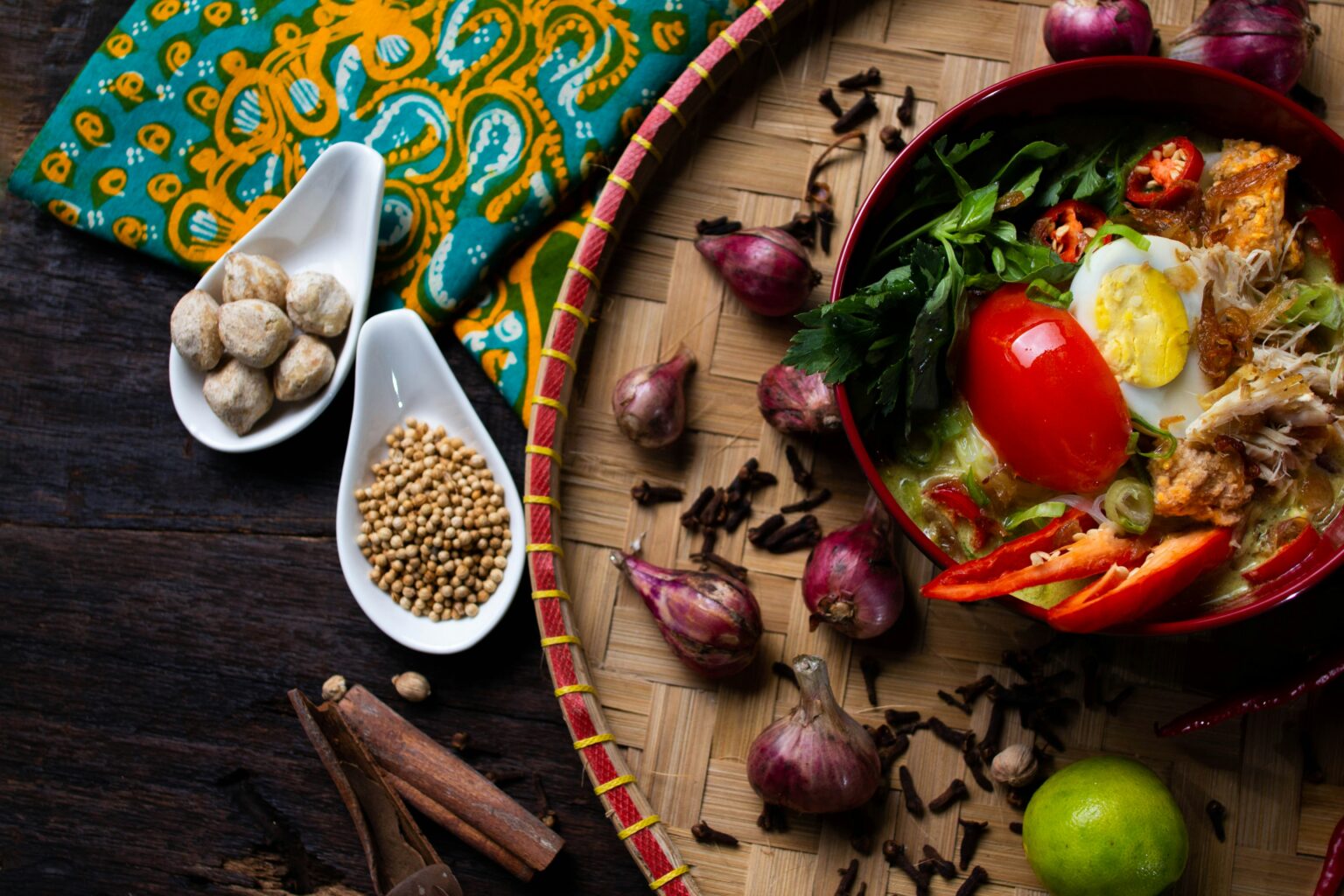

Ingredients for Mie Goreng Recipe
One of the key aspects of any recipe is the selection of the right ingredients. When it comes to Mie Goreng, a popular Indonesian dish, there are a few essential components that contribute to its unique flavors. The first ingredient is, of course, the noodles. Typically, egg noodles are used in Mie Goreng, giving it a distinct texture and taste. Other key ingredients include garlic, shallots, and chili peppers, which add a spicy kick to the dish. Additionally, the inclusion of vegetables such as carrots, cabbage, and bean sprouts not only enhances the nutritional value but also adds a delightful crunch to the dish. To further enhance the flavor, a combination of sauces is used, such as soy sauce, kecap manis (sweet soy sauce), and oyster sauce. These ingredients collectively create a harmonious blend of flavors that make Mie Goreng a truly enjoyable dish.
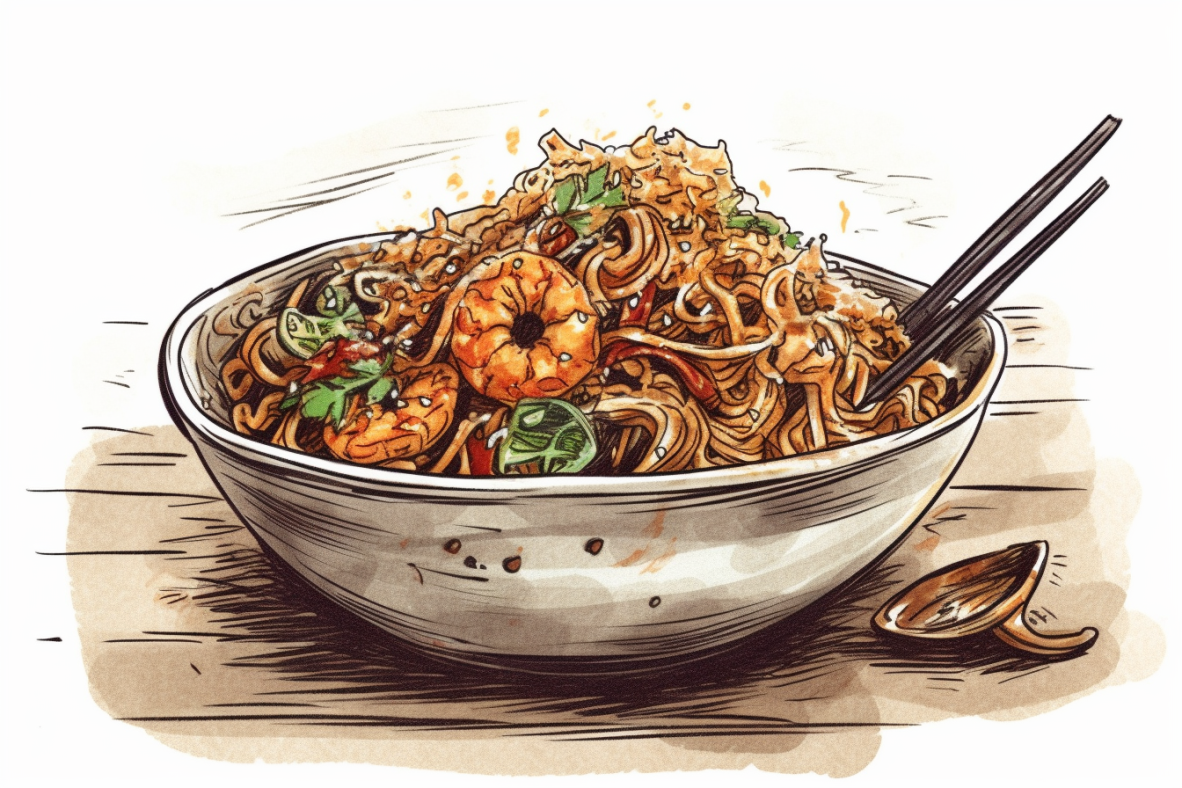
While the above-mentioned ingredients form the basic foundation of a Mie Goreng recipe, there is also room for customization and personal preference. Many people like to add proteins such as chicken, shrimp, or tofu for added taste and nutritional value. Some also choose to include additional herbs and spices such as turmeric, coriander, and ginger to further intensify the flavor profile. Ultimately, the choice of ingredients depends on individual taste preferences, dietary restrictions, and the desire to create a unique Mie Goreng experience.
Required kitchen tools and utensils for making Mie Goreng
To make a delicious plate of Mie Goreng, it is essential to have the right kitchen tools and utensils at hand. Firstly, a wok is the primary cooking vessel for this dish. Its wide and deep shape allows for even heat distribution and ample space to toss and mix the ingredients. A wok with a non-stick coating is recommended to prevent the noodles from sticking to the surface.
Additionally, a sharp chef’s knife is indispensable for slicing the vegetables and proteins that go into Mie Goreng. A cutting board provides a stable surface for chopping and ensures safety in the kitchen. A good quality spatula or tongs are helpful for stirring and turning the ingredients in the wok without damaging them.
Furthermore, having a grater or a mandoline makes it easier to prepare garnishes like shredded carrots or thinly sliced shallots. A garlic press is handy for quickly mincing garlic without the fuss of chopping it finely. Finally, having a microplane grater for zesting citrus fruits can add a burst of freshness to the dish. With these essential kitchen tools and utensils in place, cooking Mie Goreng will be a breeze.
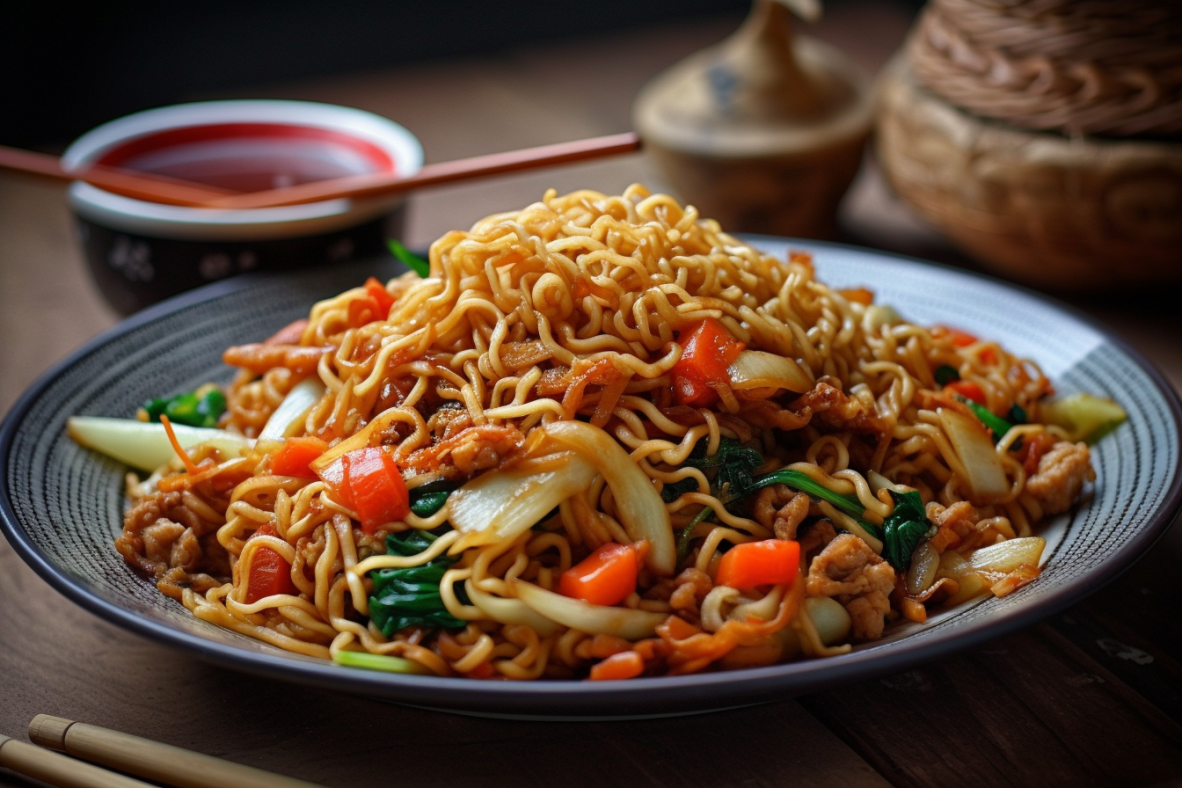
Step-by-step instructions for cooking Mie Goreng
Heat a large wok or frying pan over medium-high heat. Add vegetable oil and swirl to coat the bottom of the pan. Once the oil is hot, add the sliced shallots and minced garlic. Stir-fry for 1-2 minutes until fragrant and slightly golden.
Push the shallots and garlic to one side of the wok, and crack two eggs into the empty space. Allow the eggs to cook for a few seconds before breaking the yolks with a spatula and scrambling them. Once the eggs are cooked, mix them together with the shallots and garlic.
Add the sliced chicken or shrimp to the wok and stir-fry until cooked through. Next, add the sliced carrots, bell peppers, and cabbage. Stir-fry for another 2-3 minutes until the vegetables are slightly tender but still crisp.
Now it’s time to add the cooked noodles and sauce to the wok. Gently toss everything together to ensure that the noodles get coated with the sauce. Continue stir-frying for another 2-3 minutes until everything is well combined and heated through.
Finally, add the bean sprouts and green onions to the wok. Give everything a quick toss and stir-fry for another minute until the bean sprouts are slightly wilted. Remove the wok from heat and serve the Mie Goreng hot, garnished with a sprinkle of chopped cilantro and a squeeze of lime juice. Enjoy this flavorful Indonesian dish as a satisfying meal on its own or as a side dish alongside your favorite grilled meats or satay.
Tips for achieving authentic Indonesian flavors in Mie Goreng
To achieve authentic Indonesian flavors in your Mie Goreng, it is important to pay attention to the key ingredients and the cooking techniques involved. One essential ingredient in Mie Goreng is kecap manis, a sweet soy sauce that adds a rich and caramelized flavor to the dish. Look for a high-quality, authentic kecap manis at your local Asian grocery store to ensure an authentic taste. Additionally, the use of fresh spices such as garlic, shallots, and ginger is crucial in creating the aromatic base of the dish. You can finely chop or mince these spices to bring out their flavors.
Another tip for achieving authentic Indonesian flavors in Mie Goreng is to incorporate traditional Indonesian seasonings. One popular seasoning is terasi, also known as shrimp paste. This ingredient brings a unique umami flavor to the dish. Toast the shrimp paste before using it in the recipe to enhance its taste and aroma. Additionally, adding ground white pepper and a small amount of chili powder or chopped chili will offer a subtle heat that is characteristic of Indonesian cuisine. Remember to adjust the amount of chili according to your spice preference. By using these traditional seasonings, you can elevate the flavors of your Mie Goreng to match those found in Indonesia.
Variations and additions to enhance the taste of Mie Goreng
Adding variations and additions to the traditional Mie Goreng recipe can elevate the flavors and enhance the overall taste of this Indonesian dish. One popular variation is the addition of prawns or shrimp, which brings a delightful seafood element to the dish. The succulent prawns blend well with the aromatic spices and create a harmonious flavor profile. For those who prefer a vegetarian option, adding tofu or tempeh can provide a delicious alternative. The firm texture of tofu or the nutty taste of tempeh adds a unique twist, making the Mie Goreng more satisfying and filling.
Another way to enhance the taste of Mie Goreng is by incorporating additional vegetables. While the classic recipe often includes ingredients like cabbage, carrots, and bean sprouts, experimenting with other vegetables can offer a burst of flavors and textures. For instance, adding bell peppers can introduce a hint of sweetness, while mushrooms bring an earthy richness. Similarly, baby corn, snow peas, and bamboo shoots can provide a crunchy texture that complements the chewy noodles. The key is to balance the vegetables with the other components of the dish, ensuring that they blend seamlessly while adding depth to its taste.
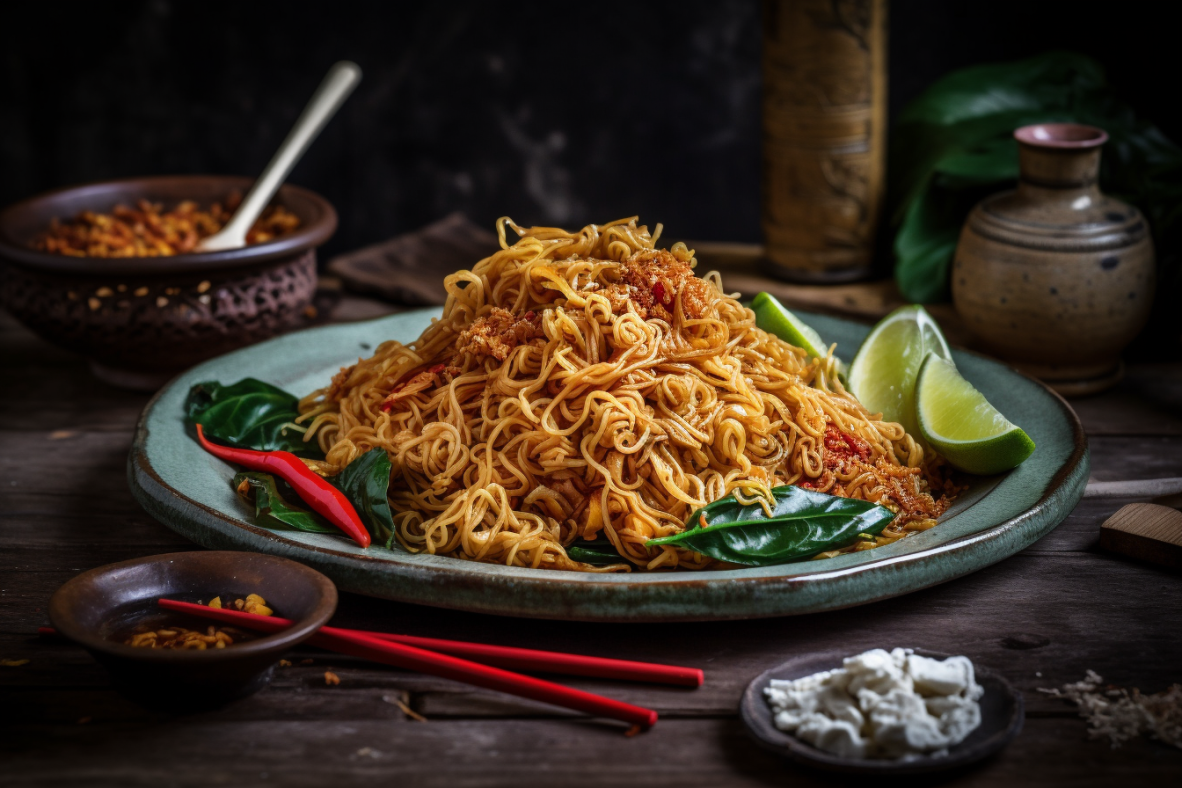
Common mistakes to avoid when making Mie Goreng
Overcooking the noodles is one of the most common mistakes to avoid when making Mie Goreng. The noodles should be cooked just until they are al dente, or slightly firm to the bite. If they become too soft or mushy, they will lose their texture and become clumpy when stir-fried. To prevent this, it is important to carefully monitor the cooking time and test the noodles for doneness. Remember, the noodles will continue to cook slightly even after you drain them, so it’s better to slightly undercook them than risk overcooking.
Another mistake to avoid is overcrowding the pan when stir-frying the ingredients. It may be tempting to toss everything into the pan at once, but this can result in uneven cooking and a lack of caramelization. For the best results, it is important to cook the ingredients in batches, giving each one enough space to cook evenly and develop a slightly charred exterior. This will not only enhance the flavors but also give your Mie Goreng a beautiful and appetizing appearance.
So, be patient, cook in small batches, and give each ingredient the attention it deserves to create a delicious and visually enticing dish.
Here are some tips to keep in mind:
- Cook the noodles just until they are al dente or slightly firm to the bite.
- Avoid overcooking the noodles as they will become clumpy when stir-fried.
- Carefully monitor the cooking time and test the noodles for doneness.
- Remember that the noodles will continue to cook slightly after draining, so it’s better to slightly undercook them than risk overcooking.
To ensure the best outcome for your Mie Goreng, follow these recommendations and enjoy a flavorful and visually appealing dish!
The history and cultural significance of Mie Goreng in Indonesia
Mie Goreng, a stir-fried noodle dish, holds deep historical and cultural significance in Indonesia. Its origins can be traced back to the Chinese influence on Indonesian cuisine. The unique blend of Chinese techniques and local Indonesian flavors resulted in the creation of Mie Goreng, which has become an integral part of Indonesian culinary heritage.
Mie Goreng showcases the diversity and richness of Indonesian cuisine, representing the vibrant multiculturalism of the country. Indonesian culture places great importance on communal eating, and Mie Goreng is often enjoyed as a shared meal among family and friends. It not only nourishes the body but also strengthens social bonds and fosters a sense of togetherness. Moreover, the dish has become a symbol of Indonesian pride, often featured in festivals, events, and traditional gatherings, reaffirming its cultural significance. With its long-standing history and cultural importance, Mie Goreng has embedded itself deeply into the hearts and palates of the Indonesian people.
Health benefits of consuming Mie Goreng in moderation
Mie Goreng, a delicious Indonesian dish consisting of fried noodles, not only satisfies the taste buds but also offers several health benefits when consumed in moderation. Firstly, this dish is packed with essential nutrients that contribute to overall well-being. The combination of noodles, vegetables, and protein sources like shrimp or chicken provides a balanced array of macronutrients, including carbohydrates, proteins, and fats. Additionally, Mie Goreng often incorporates a variety of colorful vegetables, such as carrots, cabbage, and bell peppers, which are rich in vitamins, minerals, and antioxidants necessary for a healthy immune system.
Moreover, Mie Goreng can be a good source of energy due to the noodles used in the recipe. Noodles provide complex carbohydrates, which are known to release energy slowly, keeping you fuller for longer periods. By choosing whole wheat or brown rice noodles, you can further increase the nutritional value of this dish and augment the fiber content, promoting healthy digestion. Additionally, when cooked with minimal oil and using lean sources of protein, Mie Goreng can be a satisfying and guilt-free meal option for those watching their weight or trying to maintain a balanced diet. So, by enjoying Mie Goreng in moderation, you can relish both its delightful taste and its contribution to a well-rounded, nutrient-rich diet.
Serving suggestions and accompaniments for Mie Goreng
When it comes to serving Mie Goreng, there are various accompaniments and condiments that can elevate the flavors and enhance the overall experience. One popular option is to serve Mie Goreng with a side of sliced fresh cucumber and tomato. The crispness of the cucumber and the acidity of the tomato provide a refreshing contrast to the rich and savory flavors of the fried noodles. Additionally, a squeeze of lime juice over the dish adds a tangy brightness that balances out the richness.
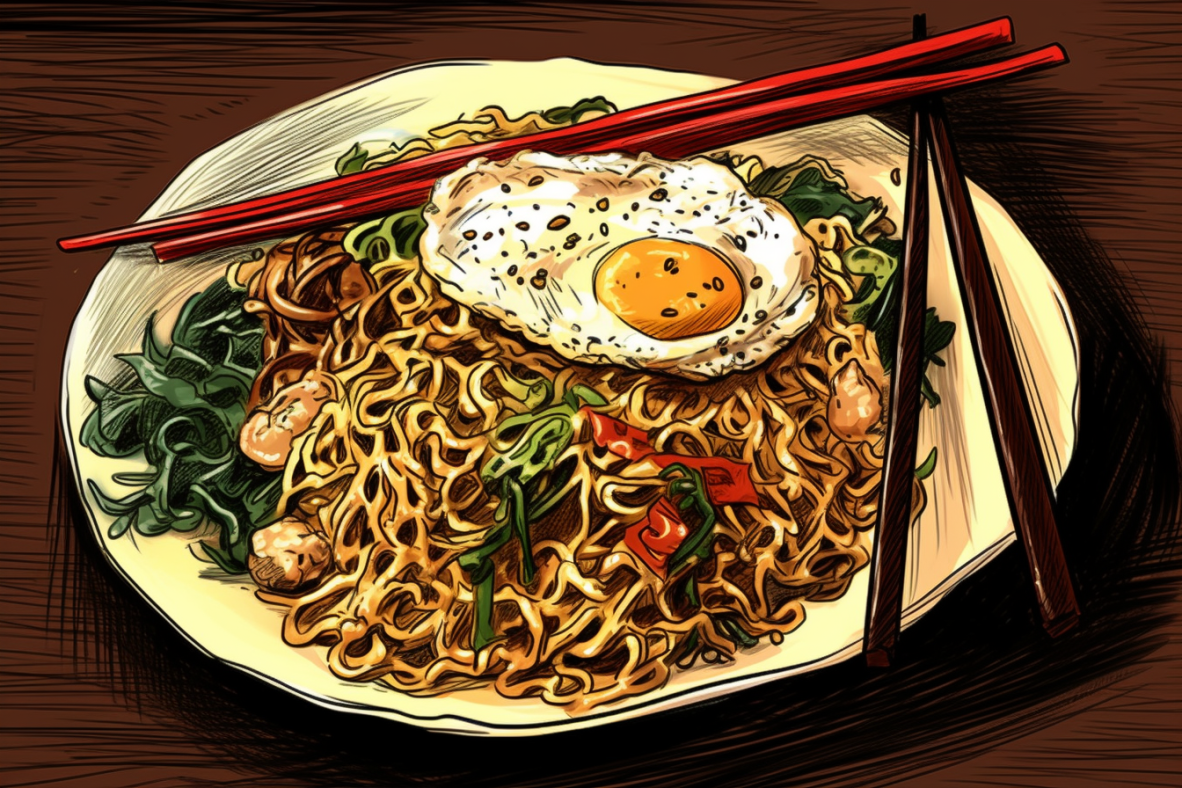
Another popular accompaniment is a fried egg. The creamy yolk and crispy edges of a sunny-side-up or over-easy egg complement the textures of the noodle dish. The runny yolk acts as a sauce, coating the noodles and adding a lusciousness to each bite. For those who enjoy a spicy kick, a dollop of sambal oelek or sriracha can be added to the plate. The heat from the chili sauce adds depth and complexity to the dish, taking the flavors to another level. Whether it’s cucumber and tomato, a fried egg, or a spicy condiment, these accompaniments provide a balance of flavors, textures, and temperatures that make each bite of Mie Goreng a delightful experience.
Testimonials and reviews from individuals who have tried this Mie Goreng recipe
Paragraph 1:
Many individuals who have tried this Mie Goreng recipe have shared their positive experiences and rave reviews. One satisfied customer, John, stated, “I followed the step-by-step instructions and was amazed at how delicious and authentic the dish turned out. The flavors were well-balanced, and the noodles had the perfect texture. It was like being transported to a street food stall in Indonesia!” Another individual, Sarah, commented, “I love trying new recipes, and this Mie Goreng recipe did not disappoint. The variety of ingredients used, such as the shrimp paste and the sweet soy sauce, added a unique depth of flavor to the dish. It was a hit among my family and friends, and I will definitely be making it again.”
Paragraph 2:
Additionally, many individuals appreciated the versatility of this Mie Goreng recipe, allowing for variations and additions to suit personal preferences. One enthusiastic cook, Lisa, shared, “I enjoyed experimenting with different ingredients in this recipe. I added sliced chicken and extra vegetables, which made it a complete and satisfying meal. The instructions were easy to follow, and the end result was a dish that pleased everyone at the table.” Another reviewer, Michael, expressed, “What sets this Mie Goreng recipe apart is the attention to detail in achieving authentic Indonesian flavors. The use of kecap manis, belacan, and sambal oelek really elevated the taste of the dish. It had that perfect balance of sweet, salty, and spicy that I associate with Indonesian cuisine. I highly recommend trying this recipe if you want to experience the true flavors of Mie Goreng.”
Trip-ready gear from Amazon
As an Amazon Associate, grandgo.com earns from qualifying purchases. Links below are affiliate links — clicking them may earn us a small commission at no extra cost to you. Prices and availability are shown on Amazon.co.uk.
- Anker portable charger 20000mAh — All-day phone battery.
- Lonely Planet destination travel guide — Trip planning essential.
- Reef-safe sunscreen SPF 50 — Beach + outdoor.