


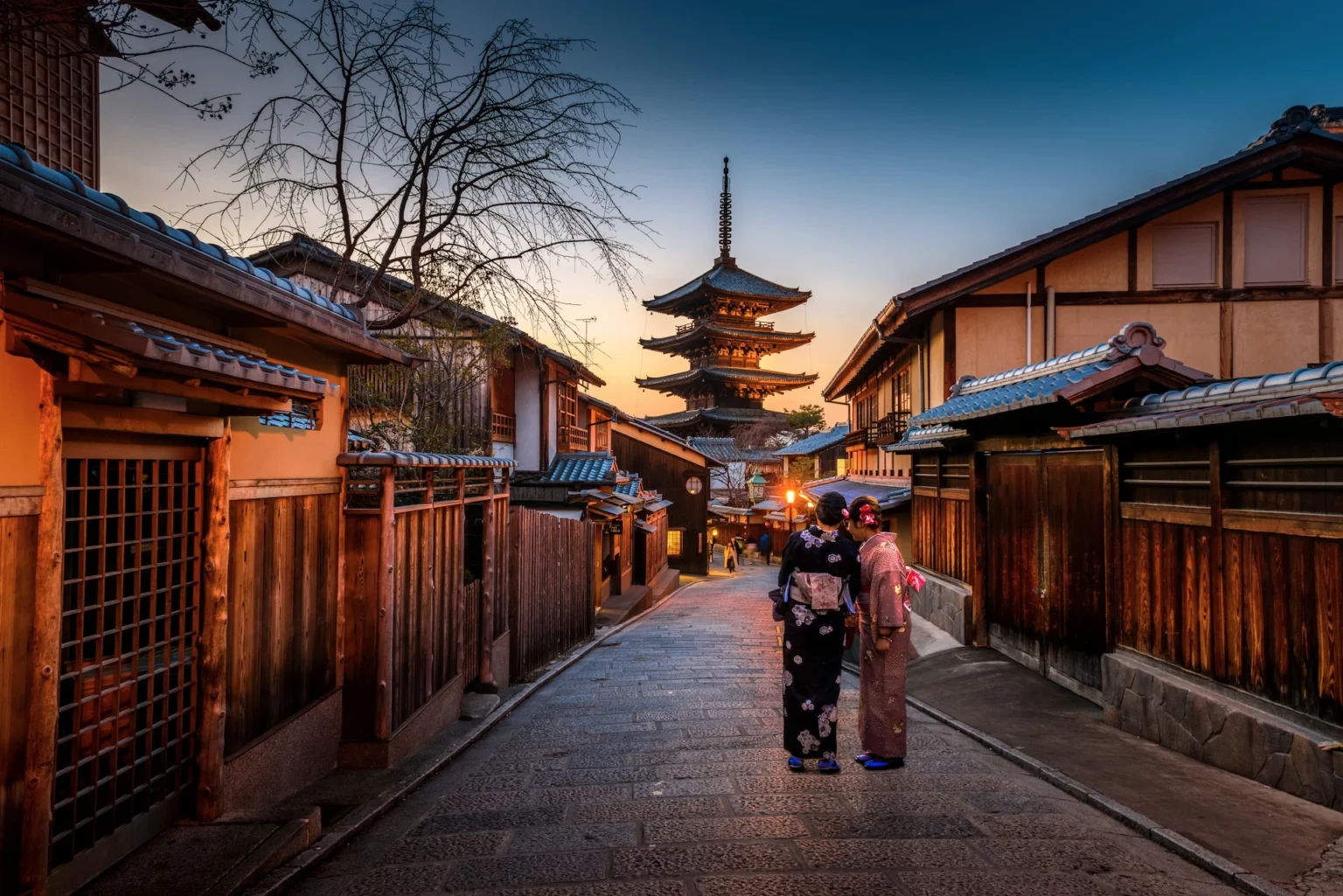

Immerse yourself in the vibrant heart of Japan’s history and culture as you explore the enchanting Kansai region. From the ancient capital of Kyoto to the bustling metropolis of Osaka, Kansai offers a treasure trove of experiences that will captivate and inspire. Ready to dive into a world where the past meets the present? Let this comprehensive guide be your compass as you embark on a journey through Kansai’s rich heritage, stunning landscapes, and modern marvels.
Key Takeaways
- Kansai is a culturally rich region in western Japan, renowned for its history and culture.
- Explore five UNESCO World Heritage Sites, iconic temples & shrains, natural wonders and modern attractions.
- Navigate language & culture with transportation passes to ensure an enjoyable travel experience.
Discovering the Kansai Region
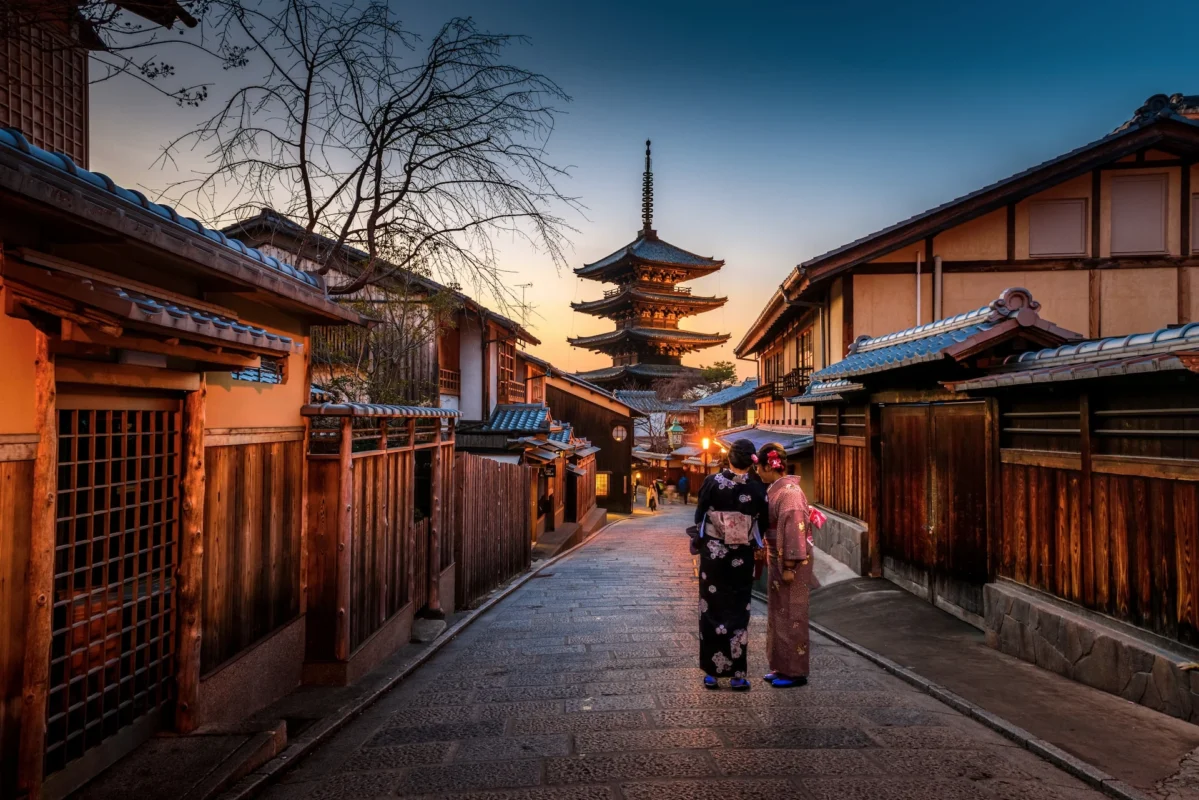
Venture into Kansai, the region where Japanese civilization originated and flourished. Comprising 11% of Japan’s land area and home to 22,757,897 residents as of 2010, Kansai is a cultural gemstone nestled in the western part of the country. The region is characterized by its vibrant cities, such as Kyoto, Osaka, and Nara, which are seamlessly connected by various transportation options, including the Kobe lines that link Kyoto with other cities. Encompassing a diverse landscape, Kansai’s geography is defined by the Seto Inland Sea towards Kobe and Himeji, Lake Biwa, Japan’s largest freshwater lake, the Sea of Japan in the north, the Kii Peninsula and the Pacific Ocean in the south, and the Ibuki Mountains and Ise Bay in the east. Limited express trains depart from major cities in the region, providing convenient transportation options for exploring this captivating land.
The Kansai region, the cradle of Japanese civilization, witnessed the establishment of Japan’s first permanent capital in Nara, the easternmost point of the Silk Road, during the period of AD 710–784. During this time, Buddhism spread to Japan and led to the construction of Tōdai-ji in 745. Ise Shrine, regarded as the holiest shrine of the Shinto religion, is located in Mie prefecture of the Kansai region. It was built in 690 AD. Consequently, Kansai is often referred to as Japan’s spiritual and cultural capital, boasting an impressive wealth of history and cultural heritage, distinct from eastern Japan.
Kansai residents are known for their pragmatic, entrepreneurial spirit, down-to-earth nature, and strong sense of humor, further enriching the region’s unique culture.
Japan’s Ancient Capital
As the ancient capital of Japan, Kansai’s history harkens back to the Asuka period and serves as the birthplace of traditional Japanese culture. From the dramatic art forms of Noh and Kabuki, which originated and developed in Kyoto, to the native Osaka puppet theater of Bunraku, Kansai has been an epicenter of cultural innovation.
- Kyoto boasts over 1000 Buddhist temples, iconic landmarks, exquisite gardens, and priceless works of art, drawing visitors from far and wide.
- Osaka is a significant economic hub and the site of the largest seaport in Japan, as well as home to numerous prominent Japanese manufacturers.
- Nara houses nearly unparalleled eight UNESCO World Heritage Sites, comprised of a variety of Buddhist temples, the oldest and largest wooden buildings in the world, the Nara Deer Park, and picturesque cherry blossom viewing spots.
The golden age of Heian-kyo (present-day Kyoto) marked a period of unprecedented cultural development in the Kansai region. Saicho, the founder of the Tendai sect of Buddhism, established his monastery at Mount Hiei in Shiga prefecture in 788. This marked the beginning of Tendai sect of Buddhism in Japan. Murasaki Shikibu, renowned for her work on The Tale of Genji, often cited as the world’s first novel, wrote it while serving as a lady-in-waiting in Heian-kyo. Kansai’s rich cultural and historical heritage is easily accessible thanks to various transportation options, including the Haruka limited express trains connecting major cities and the Kansai International Airport’s train station.
Cultural Center
Kansai’s distinct customs, dialects, and traditions set it apart as a cultural center, a vibrant tapestry woven from the threads of its unique history. The Kansai dialect, or Kansai-ben, is characterized by its distinct vocabulary, grammar, and pronunciation, with words like “ya” in place of “da,” the negative ending “-hen” instead of “-nai,” and “akan” as opposed to “dame” for “No way!”. The customary Osakan salutation, “Mōkarimakka” (“Making money?”), often elicits the response “Bochi-bochi denna” (“Well, so-so”). While familiarity with the local dialect is not essential, a few words will undoubtedly be appreciated by Kansai residents.
The Kansai region is replete with cultural attractions and experiences that reflect its diverse history and distinctive character. From traditional tea ceremonies and geisha performances in Kyoto’s Gion district to the lively street food scene in Osaka’s Dotonbori area, Kansai offers a wealth of opportunities to immerse oneself in the essence of Japanese culture.
Exploring the region, you’ll appreciate its cultural richness, highlighted by its vibrant palette of customs, dialects, and traditions that define the Kansai experience.
World Heritage Sites in Kansai
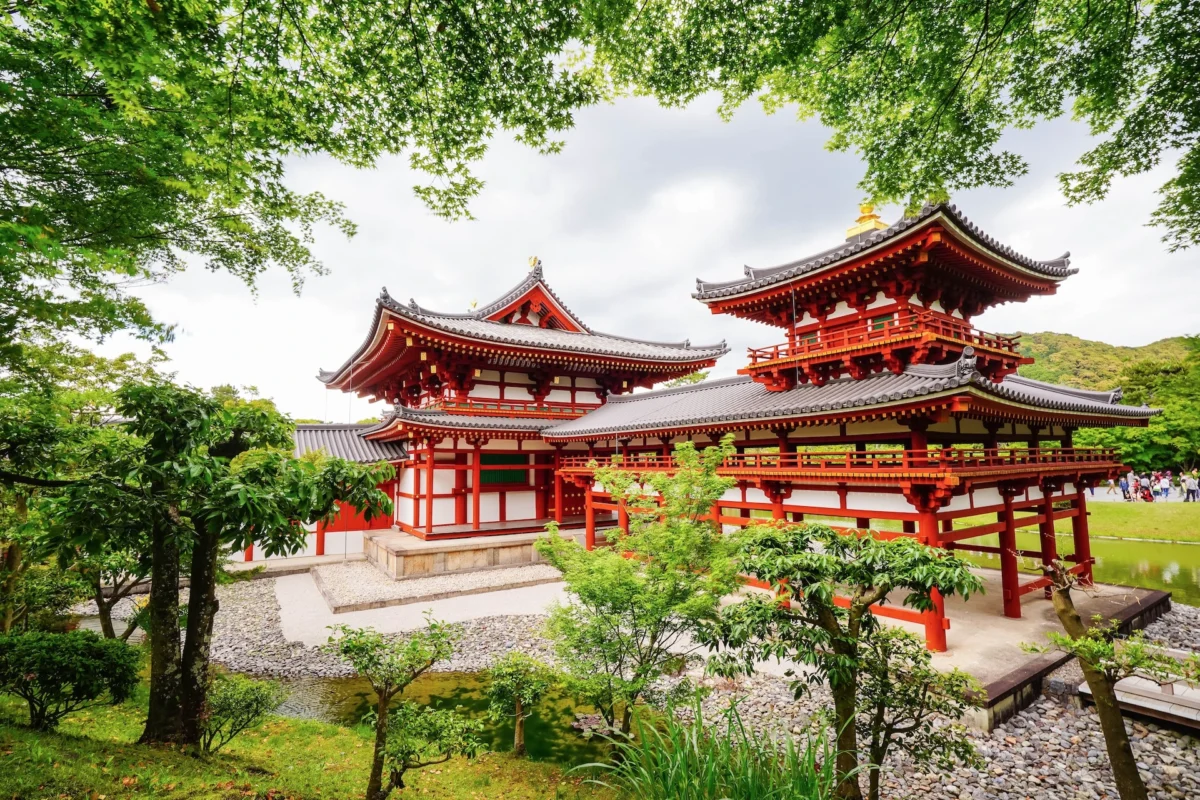
Prepare for a visual feast as you traverse the Kansai region, punctuated by numerous UNESCO World Heritage Sites dotting its landscape. These sites, which include ancient temples, shrines, and natural wonders, offer a remarkable glimpse into the region’s rich history and culture.
Kansai is a treasure trove of heritage waiting to be explored, with five World Heritage Listings. These include:
- Buddhist Monuments in the Hōryū-ji Area
- Himeji Castle
- Historic Monuments of Ancient Kyoto (Kyoto, Uji, and Otsu Cities)
- Historic Monuments of Ancient Nara
- Sacred Sites and Pilgrimage Routes in the Kii Mountain Range
Temples and Shrines
Kansai’s temples and shrines are a testament to the region’s rich history and spiritual significance. Some iconic sites include:
- Kiyomizu-dera, a temple perched on a hillside overlooking Kyoto
- Todai-ji, home to the world’s largest bronze statue of Buddha
- The Ise Grand Shrine, the most sacred site in the Shinto religion, nestled on the Shima Peninsula
These sites draw visitors from around the globe and offer a serene environment for reflection and tranquility.
Wandering through Kansai’s historic streets, you’ll come across architectural wonders like Kinkaku-ji, Kyoto’s golden pavilion, and Nijo Castle, a testament to the city’s rich heritage. These magnificent structures, along with the countless other temples and shrines in Kansai, provide a fascinating window into the region’s past and a deeper understanding of Japanese culture and spirituality.
Natural Wonders
The Kansai region’s natural wonders are as awe-inspiring as its man-made treasures. Mount Koya, located in Wakayama Prefecture, is a sacred site home to numerous temples and shrines, offering an immersive experience for travelers seeking spiritual enlightenment. Nara Deer Park, a sanctuary for hundreds of wild deer, enchants visitors with its picturesque landscape and the opportunity to interact with the tame animals.
Journey along the Kumano Kodo, a network of ancient pilgrimage routes connecting the three Grand Shrines of Kumano. Designated as a UNESCO World Heritage Site, this revered path is a must-visit for hikers and nature enthusiasts alike, offering stunning vistas and a profound connection to the region’s spiritual history.
Embrace the breathtaking beauty of Kansai’s natural wonders as you explore the region’s diverse landscapes and sacred sites.
Navigating Kansai: Transportation Guide

Navigating Kansai is effortless due to the region’s comprehensive transportation network, which includes:
- JR lines
- Shinkansen
- non-JR trains
- easy airport access
Whether you’re hopping between major cities like Kyoto and Osaka or venturing off the beaten path to explore lesser-known gems, Kansai’s transportation options make it easy to discover all the region has to offer.
JR Lines and Shinkansen
Effortlessly traverse Kansai using JR lines and Shinkansen, which provide swift and convenient connections between major cities and attractions in the region. The JR West lines, including the JR Kobe Line, JR Kyoto Line, and JR Osaka Loop Line, offer comprehensive coverage of Kansai’s cities and tourist hotspots, while the Tokaido Shinkansen and Sanyo Shinkansen connect Osaka to Tokyo and Fukuoka, respectively. To access these lines, simply head to JR Osaka Station, the region’s transportation hub. Notably, the Kobe lines connect Kyoto, making travel between these two cities a breeze. As trains exit Kyoto, passengers can easily reach their desired destinations throughout the Kansai region.
If you plan on extensive travel via JR trains, which Japan Railways operates, the Japan Rail Pass, offering unlimited travel on JR lines, is a cost-effective and convenient choice for discovering Kansai.
With JR lines, Shinkansen, and the southbound midosuji subway line at your disposal, navigating the region’s rich tapestry of experiences becomes a seamless and enjoyable journey.
Non-JR Trains and Private Railways
For more localized travel within Kansai, consider utilizing non-JR trains and private railways, which often serve areas not covered by JR lines. Companies such as:
- Hankyu Railway
- Keihan Electric Railway
- Nankai Electric Railway
- Kintetsu Railway
- Hanshin Electric Railway
operate throughout the region, offering additional transportation options for exploring Kansai’s diverse attractions.
When using non-JR trains and private railways, be sure to review fare information and timetables before boarding, and take note of the various ticket types available. By incorporating non-JR trains and private railways into your travel plans, you’ll gain access to a wider range of Kansai’s hidden gems and local experiences.
Airport Access
Kansai’s airports – Kansai International Airport (KIX) and Osaka International Airport (ITM) – offer convenient access via train, bus, and taxi, facilitating a seamless transition for travelers upon arrival and departure.
Kansai International Airport, the region’s primary international gateway, is well connected to major cities by train, allowing for easy transfers to your destination from the airport’s train station.
Osaka International Airport, also known as Itami Airport, serves as the region’s primary domestic airport and is similarly well connected by train, bus, and taxi. With efficient airport access options in place, you can focus on enjoying your Kansai adventure from the moment you touch down.
Top Attractions in Kansai
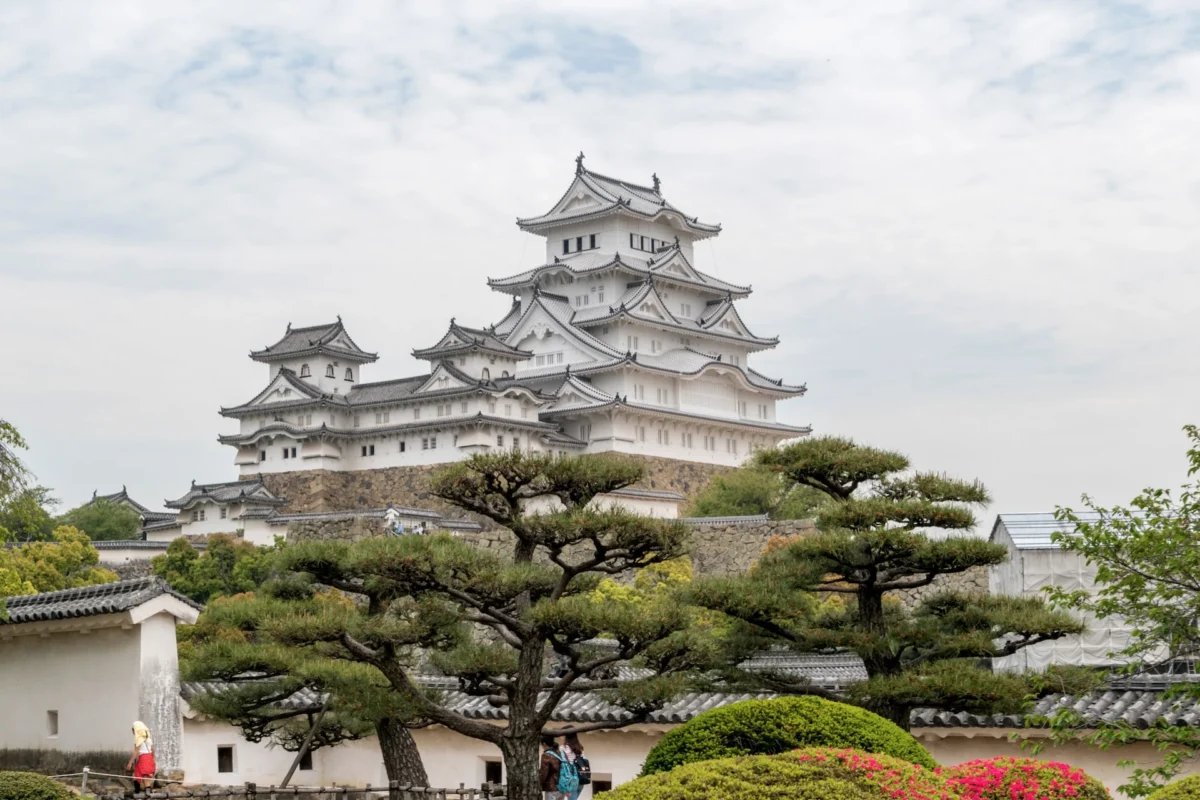
Kansai’s diverse array of top attractions caters to all interests, from historic gems like Himeji Castle and Nijo Castle to modern marvels like Universal Studios Japan and the Osaka Aquarium.
Whether you’re a history buff, a nature lover, or a thrill-seeker, Kansai offers a multitude of experiences guaranteed to create lasting memories.
Historic Sites
Immerse yourself in Kansai’s rich history by visiting the region’s numerous historic sites, including iconic castles, ancient temples, and traditional neighborhoods. Explore the awe-inspiring Himeji Castle, a stunning example of 17th-century Japanese architecture, or wander the historic streets of Kyoto’s Gion district, where tradition and modernity collide.
Stroll through Nara Park, home to the world’s largest bronze statue of Buddha, or marvel at the breathtaking Arashiyama Bamboo Grove in Kyoto. With a wealth of historical sites to discover, Kansai provides a unique opportunity to delve into Japan’s storied past and gain a deeper appreciation for its rich cultural heritage.
Modern Attractions
For a taste of Kansai’s modern attractions, embark on a thrilling adventure at Universal Studios Japan, where you can explore the worlds of your favorite movies and TV shows. Or, dive into the wonders of the deep at the Osaka Aquarium Kaiyukan, one of the world’s largest aquariums, showcasing a vast array of marine life from across the globe.
Shop and dine in the vibrant district of Kobe Harborland, offering stunning waterfront views and a variety of retail and culinary experiences. Or, wander the bustling streets of Osaka’s Dotonbori area, a lively entertainment district known for its bright neon lights and delicious street food.
Kansai’s modern attractions provide a dynamic contrast to its historic sites, showcasing the region’s ability to embrace both the past and the present.
Kansai Accommodations and Dining
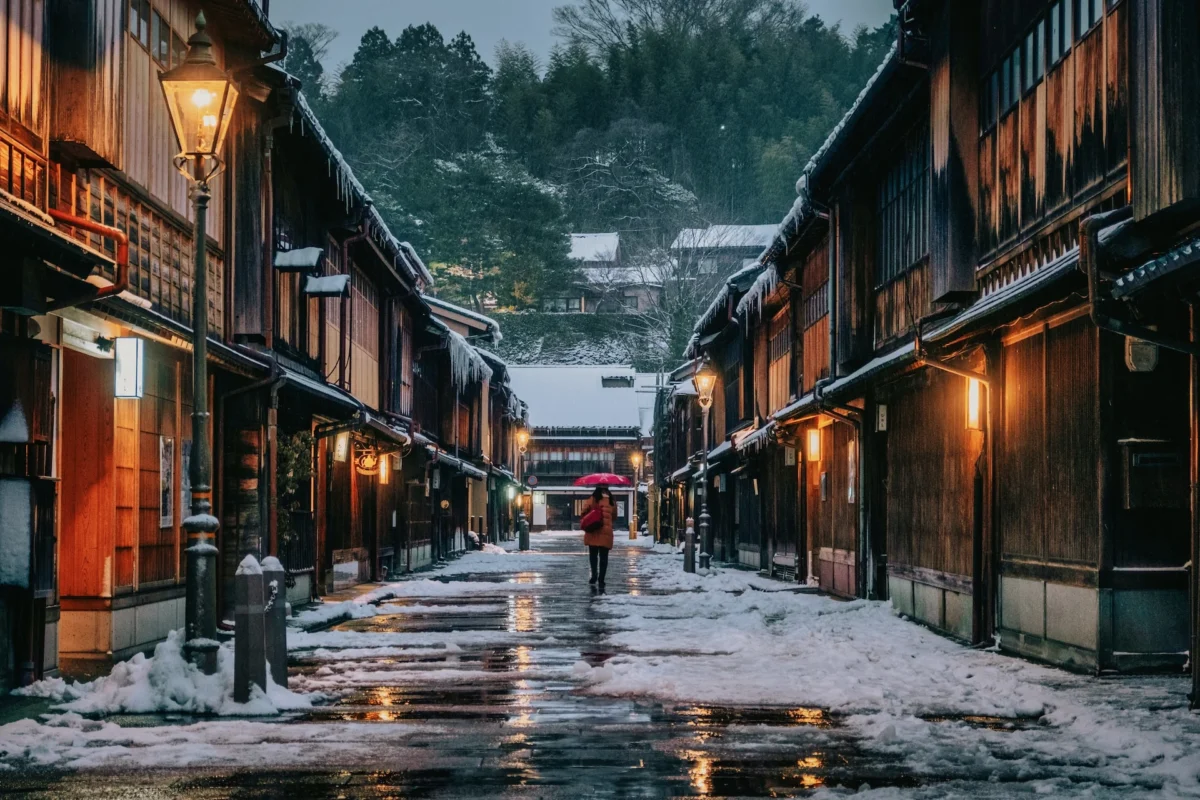
From cozy ryokans to luxurious hotels, Kansai offers a diverse range of accommodations to suit every traveler’s needs. And with a rich culinary scene featuring both traditional and modern cuisine, your taste buds will be treated to a gastronomic adventure as you explore the region’s unique flavors and dining experiences.
Hotels and Ryokans
In Kansai, you’ll find a wealth of accommodations to suit your preferences and budget, ranging from luxury hotels like the Ritz-Carlton Osaka, the InterContinental Osaka, and the Hilton Osaka, to more economical options that provide a comfortable stay without breaking the bank. For a truly authentic experience, consider staying in a traditional ryokan, where tatami mats, futon beds, and customary Japanese cuisine transport you to a world of timeless charm and hospitality.
When booking your accommodations, be sure to consider factors such as location, amenities, and price, and book well in advance, particularly during peak travel seasons. With a little research and planning, you’ll find the perfect home away from home as you explore the wonders of Kansai.
Local Cuisine

Savor the flavors of Kansai as you indulge in the region’s local cuisine, featuring an array of dishes that showcase its rich culinary heritage. From the savory delights of Osaka’s takoyaki and okonomiyaki to the refined elegance of Kyoto’s kaiseki, Kansai’s diverse culinary offerings are sure to tantalize your taste buds.
Don’t miss the chance to sample regional delicacies like Kobe beef and Kyoto-style tofu or enjoy popular street food favorites such as sushi, ramen, and udon noodles.
As you dine your way through Kansai, you’ll discover that the region’s culinary scene is a feast not only for the palate, but also for the soul.
Tips for Traveling in Kansai
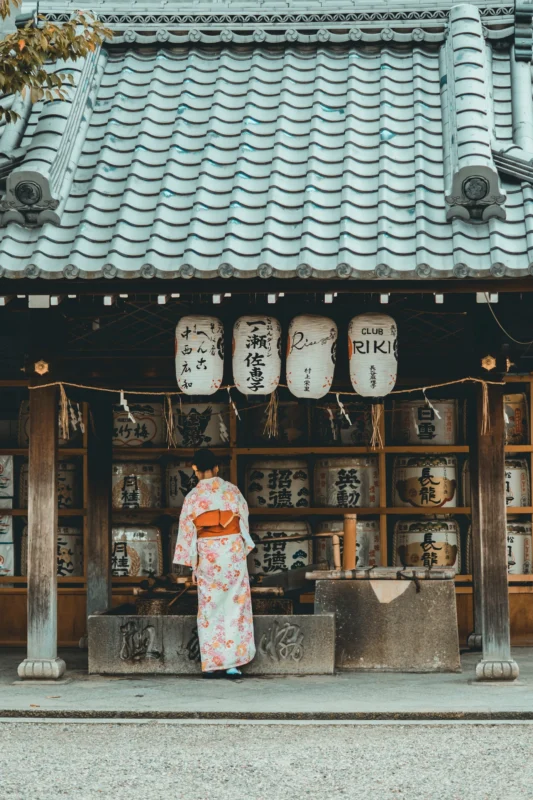
To fully enjoy your Kansai adventure, plan ahead and acquaint yourself with the region’s distinctive language, culture, and transportation choices. From navigating the Kansai dialect to taking advantage of transportation passes, these tips will help ensure a smooth, enjoyable, and rewarding journey through Kansai.
Navigating Language and Culture
Grasping Kansai’s distinct language and cultural elements is integral to a fulfilling travel experience in the region. While the primary language spoken in Kansai is Japanese, the region’s distinct dialect, Kansai-ben, features unique vocabulary, grammar, and pronunciation. Though it’s not essential to master the dialect, learning a few basic phrases can help you communicate with locals and show your appreciation for their culture.
Beyond language, immerse yourself in Kansai’s diverse customs and traditions. Attend local festivals, participate in traditional tea ceremonies, and explore the region’s rich arts and crafts scene. As you engage with Kansai’s culture, you’ll gain a deeper understanding of its people and history, enriching your journey through this captivating region.
Transportation Passes
Optimize your time and budget in Kansai by utilizing transportation passes like the Kansai Area Pass and the Kansai Thru Pass. These passes provide unlimited travel on select trains, buses, and subways, allowing you to explore the region with ease and at a reduced cost.
When using transportation passes, be sure to check the validity period and coverage area and familiarize yourself with the terms and conditions of use.
By incorporating these passes into your travel plans, you’ll be able to navigate Kansai with ease, making the most of your time in this incredible region.
Summary
From the ancient capital of Kyoto to the dynamic metropolis of Osaka, the Kansai region is a captivating blend of history, culture, and modernity. With its wealth of World Heritage Sites, stunning natural wonders, and diverse attractions, Kansai offers an unparalleled travel experience that will leave you with memories to last a lifetime. Whether you’re exploring the region’s historic sites, indulging in its delectable cuisine, or immersing yourself in its unique culture, Kansai is a journey of discovery that promises to inspire, enchant, and ignite your wanderlust.
Frequently Asked Questions
Is Osaka and Kansai the same?
The Kansai region, encompassing the metropolitan areas of Kyoto, Osaka, and Kobe, is also known as the Kinki region. Thus, Osaka and Kansai are not the same but are part of the larger Kansai region.
What is Kansai Japan known for?
Kansai is well known for its historically important constructions, spiritual sites, traditional townscapes, modern architecture, exciting cities, and ancient capitals. It is Japan’s spiritual and cultural capital, shaped by towering castles, Zen gardens, and arduous journeys to enlightenment.
What makes the Kansai dialect different?
Kansai dialect is notably distinct from Standard Japanese in its pronunciation of single-syllable words, which are prolonged. For instance, the word for ‘tree’, (ki), is pronounced as a short khi sound in standard Japanese but is pronounced differently in the Kansai dialect.
What do the Japanese think of the Kansai dialect?
Japanese people find the Kansai dialect to be more rhythmical and modulated than standard Japanese and also tend to describe it as an “angry” tone due to their loud public speaking. This is because the Kansai dialect is characterized by a more aggressive and passionate delivery, which is often seen as a sign of strength and confidence. It is also known for its unique vocabulary and grammar, which can be difficult for non-native speakers to understand.
What are the main cities in the Kansai region?
The main cities in the Kansai region are Kyoto, Osaka, and Nara.
Recommended on Amazon
As an Amazon Associate, grandgo.com earns from qualifying purchases. Links below are affiliate links — clicking them may earn us a small commission at no extra cost to you. Prices and availability are shown on Amazon.co.uk.
- Lonely Planet Kansai Japan Travel Guide — dedicated Kansai region guide (Osaka, Kyoto, Nara, Kobe)
- Tuttle Pocket Japanese Phrase Book — small enough for day trips; see our phrase book comparison
- Osaka and Kyoto Travel Guide — focused on the Kansai urban core