


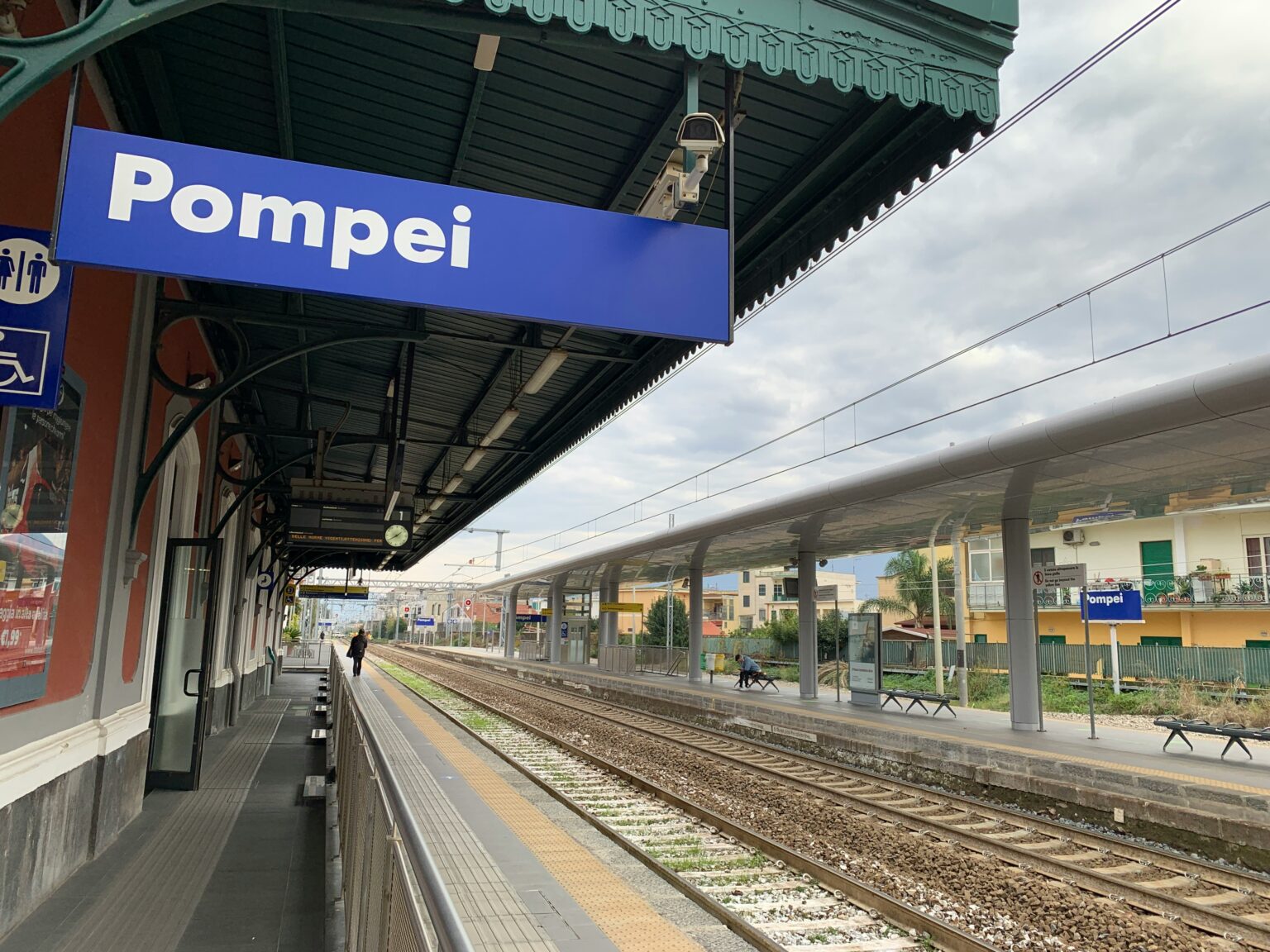

Pompeii was completely devastated by Vesuvius’ eruption in 79 AD; however, its powdery volcanic ash served as an effective preservation agent.
Wealthy Pompeians enjoyed gardens and dining al fresco for their main meal (cena). Additionally, their homes featured peristyles, pools, fountains and statues to ensure an inviting living experience.
Spina’s photographs capture this ghost city with an eerie stillness, as though all its residents had simply vanished into thin air.
The History
Every month, new Pompeii discoveries that alter our understanding of this ancient city come to light, from colourful frescos to ceremonial chariots – each proves that Pompeii remains an inexhaustible source of history and art.
Pompeii began life as a coastal settlement before expanding into a city as it served as a port for early Greek and Phoenician sailors. Pompeii quickly flourished into a prosperous center of commerce with wealthy residents keeping up with fashion and beauty trends from Rome; women’s dresses were tailored specifically while hairstyles and makeup became expressions of their individuality.
But in 79 AD, Mount Vesuvius erupted, covering Pompeii and Herculaneum under a thick blanket of volcanic ash which hardened quickly encasing their inhabitants; some managed to escape, while the majority succumbed to asphyxiation.
Beginning in the 19th century, excavation of Pompeii became more of a regular endeavor. Excavators worked through layers of ash to uncover human remains which were often still preserved; these corpses would later serve as molds used as body casts of Pompeian citizens who died – something still used today.
These body casts have not only captured the hearts and imagination of generations of visitors to Pompeii, but they have also helped us gain insight into how and why individuals died there. One body cast from Pompeii’s Garden of Fugitives shows that one individual who met their end here may have engaged in self-pleasure prior to breathing his last breaths; further research of bones discovered here indicates that most were killed from inhaling poisonous volcanic gases while fleeing an eruption.
There are, however, those who question whether Pompeii remains an appropriate platform to exhibit works of art that are modern in nature. They believe that too much focus on antiquity may inhibit modern artists’ creative potential; therefore it would be more advantageous if Pompeii allowed for more contemporary artistic styles and techniques to flourish in its galleries.
The Archaeology
Pompeii may seem frozen in time, but this impression is misleading. Pompeii is one of the world’s best preserved archaeological sites and provides a remarkable glimpse into Roman city life; yet its landscape continues to change due to new excavation sites being excavated as well as how discoveries are interpreted differently by scholars and scientists.
As excavators first explored Pompeii, they discovered that its residents had an affinity with Greek gods but not with their Roman equivalents. Historians have since found out that people of Pompeii did not realize Vesuvius was a volcano but believed it to be just another large mountain; perhaps as many ancient people held Vulcan as sharing many attributes with Hephaestus (god of fire and blacksmithing).
Luckily, Pompeii was covered with enough ash to preserve organic remains that have provided us with invaluable insights into its pre-eruption life. Bones and teeth provide archaeologists with a glimpse into its citizens’ health and diet; archaeologists found skeletal remains that were in good condition without signs of malnutrition indicating they may have had sufficient sustenance during life in Pompeii.
Archaeologists have made several incredible discoveries that have astounded archaeologists. A mosaic displayed outside one home reads, in Latin: Cava Canem (“Beware the dog”). Another unusual find was a giraffe bone found proving Pompeiians enjoyed exotic cuisine.
Other discoveries have shed light on Pompeii’s cultural life. The city was an active commercial centre that had grown prosperous from trade and maritime activities, evidenced by quality buildings featuring stunning frescoes and sculptures in villas dotted throughout. Furthermore, clubs and brothels kept people active socially; with so many visitors coming through its gates each year leading to greater tourist traffic in general. This led to its increasing reputation as a desirable tourist destination.
The Remains
Pompeii has always been an active city, where discoveries from previous excavations continue to alter our understanding of ancient world. But over the last year it has come alive even more as new research into human remains found at Pompeii site has provided new evidence.
Mount Vesuvius’ eruption left an incredible legacy behind, preserving every aspect of Pompeii remarkably well for centuries after its catastrophic eruption. Archaeologists have unearthed kitchen utensils, food items and household tools which would typically have become lost over time; archaeologists also uncovered many people who perished during this catastrophe, often still clutching personal possessions or loved ones arms clung close.
Many victims were trapped inside their homes when volcanic debris started falling in August 1979, filling streets, doorways, roofs, and even blocking sunlight altogether. While survivors attempted to flee their crumbling city in August 79’s eruption-triggered surges of hot gas and rock asphyxiated them and prevented escape.
As scientists continue their investigations of Pompeii’s corpses, they have gained more insights into what transpired that horrific day. One man found with his hands clasped around his neck appeared to have died while engaging in some act of self-pleasure – this seems to be a common fate among many bodies discovered there; many bodies exhibit strange positions wherein they died.
Other skeletons have provided insight into the lives of residents. At Casa del Giardino, researchers discovered the plaster casts of five individuals, including one boy wearing a mask as they attempted to flee the eruption; charcoal graffiti of an individual who may be the owner dated mid-October of 79 CE; and a treasure chest full of precious stones and amulets.
Another skeleton found buried at Civita Guiliana exhibits multiple compression fractures of his spine, suggesting he may have been performing hard labor or possibly even being held against their will as an enslaved individual. Though wearing clothing indicative of high status individuals, his bones show otherwise and show that this poor man was vulnerable against its deadly effects of volcanic eruption.
The Tourism
Pompeii’s breathtaking ruins, preserved through time by Mt. Vesuvius’ eruption in AD 79, inspire both history enthusiasts and casual tourists. But with millions visiting every year, an intricate dance between celebrating them and protecting them unfolds between celebrating them and protecting them.
One method of controlling visitor numbers at Pompeii is restricting access to sensitive sites by requiring guided tours or placing limits on how many people may enter certain areas. Unfortunately, these measures can limit visitor experiences and may deter some from visiting at all.
An effective strategy for controlling visitor numbers is offering multiple paths through which visitors can navigate the site and discover its highlights. Unfortunately, however, new buildings or itineraries require funding and staffing commitments, which may limit how many people can see them at one time.
Soprintendenza Archeologica di Napoli e Pompei (SANP) has taken steps to mitigate overcrowding and enhance visitor experiences at Pompeii by offering various interpretive aids for visitors, such as audio guides and interpretive panels on-site interpretation panels. Unfortunately these tools only reach a portion of visitors; general travel books tend to focus more heavily on popular attractions.
Pompeii provides visitors with a vivid portrait of Roman life, often surprising them by how similar Pompeii’s inhabitants appear to them in daily activities. This phenomenon is especially compelling to those interested in social history as this can help shed more light on a culture through their daily interactions between its citizens.
Pompeii offers many interesting aspects to the city. A bakery-prison for slave workers and their donkeys; a brothel with graphic depictions of patron abuse; and a house that has been rebuilt to show how it might have appeared prior to pyroclastic flow destruction are just three such sites that stand out. Pompeii’s preservation and ability to bring ancient cultures alive is truly amazing.
Trip-ready gear from Amazon
As an Amazon Associate, grandgo.com earns from qualifying purchases. Links below are affiliate links — clicking them may earn us a small commission at no extra cost to you. Prices and availability are shown on Amazon.co.uk.
- Universal travel adapter — 150+ countries covered.
- Lonely Planet destination travel guide — Trip planning essential.
- Reef-safe sunscreen SPF 50 — Beach + outdoor.