



Responsible travel minimizes negative and often exploitative impacts on the places we visit while also maximising tourism’s positive potential.
This article offers tips that all travelers can implement to become more responsible travelers without compromising the fun or adventure: 1. Research Before You Travel.
1. Support Local Businesses
Travelers who opt to patronize local businesses during their travels are helping build economic resilience within local communities. By staying in locally-owned hotels, purchasing from markets and artisanal shops in their destination cities, and supporting tour guides who employ and train locals they can reduce the adverse impact of tourism on destinations.
Tourism that supports local businesses also increases tourist awareness of their destination’s culture, helping them engage in more engaging conversations while avoiding unintended disrespectful interactions with those they meet. This makes responsible travel an integral part of responsible travel practices.
Avoiding large chain stores in favor of independently-owned establishments is another great way to support local businesses, helping local entrepreneurs increase income growth as well as giving consumers more authentic products and flavors.
Travelers can help support local communities by engaging in eco-friendly activities that are good for both the environment and its residents, such as wildlife tours or nature hikes where tourists can learn about conservation efforts to protect natural areas.
Tourists can support sustainable tourism by contributing to local charities and organizations that work for their community, such as educational and cultural centers or non-profits that focus on environmental or social justice issues. By contributing to these charities, travelers can help alleviate poverty and inequality in their host community while simultaneously driving businesses to change their practices to be more mindful of how tourism affects local environments – an invaluable step toward responsible travel! It will ensure that your money spend on vacation actually benefits the people who call your destination home.
2. Put Your Trash Where It Belongs
Each year, millions of tons of plastic waste end up in our oceans, polluting delicate ecosystems and endangering marine wildlife. When traveling, one way you can reduce your environmental impact by limiting how much plastic waste you produce is by opting for reusable water bottles instead of buying single-use ones at destinations; purchasing products made from wood or paper rather than those from endangered species; and carrying around reusable shopping bags when visiting markets.
Traveling responsibly with kids is both good for the environment and provides them with valuable learning opportunities about local culture and history. Discover how you can travel more responsibly as a family by purchasing the 5* book Are We There Yet?.
3. Stay Off the Road
While road trips are an exciting way to experience America, they can sometimes become daunting when traveling with children. Staying off of roads will reduce your impact on the environment while giving you more time to take in your surroundings and appreciate them fully. Furthermore, it is essential that holiday weekend drivers understand and obey all traffic laws – getting pulled over in another state could ruin your vacation or create legal complications later.
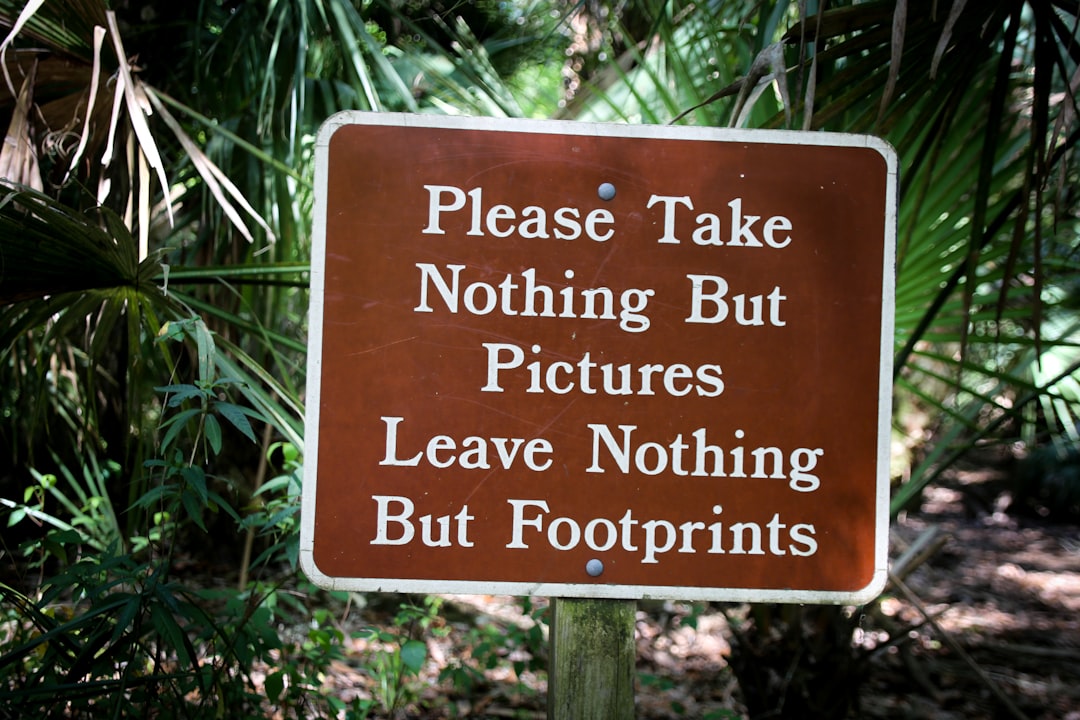
Responsible travel goes well beyond “taking only pictures and leaving only footprints.” It requires us to consider our impact on communities we visit while optimizing tourism’s positive potential, something our children should learn early on in life. For tips on making family travel more responsible check out the new Goodreads 5-star book Are We There Yet?
4. Travel Overland
Traveling overland is often more involved than booking a flight; you must think on your feet, remain resilient, and find solutions for problems as they arise. Things will break, border officials may become difficult, and weather conditions might test you — all these elements come together to create the unforgettable adventure! However, they all add to its joyous character; personal growth experiences as well as jaw-dropping travel stories are well worth their while!
Traveling by road, rather than air, is the more environmentally responsible form of traveling and most overland travellers opt for this method when embarking on their adventures. No fancy Land Rover Defender or van required; many inspiring travelers have set out with only their car or bicycle or their trusty thumb as support vehicles!
Overland travel may not be for everyone and can certainly be challenging at times, but it has the power to teach us so much about life on Earth. Overlanding can teach you self-reliance and less materialism while most importantly teaching us appreciation for others around us.
Consider that each city, town or village you visit is someone’s home and treat it accordingly. This doesn’t mean dodging beggars who inevitably appear everywhere you go, but rather respecting their lifestyle and culture – things such as taking advantage of local cuisine, dressing appropriately for the region you are travelling through and learning its etiquette can go far in showing our consideration towards others around us and treating them with dignity. Be mindful of people around you and treat them with the respect they deserve.
5. Drive Businesses to Change Their Practices
Sustainable tourism takes much work, but as travelers we have the power to have an impact by making more sustainable travel choices on our journeys. Doing this reduces negative (and sometimes exploitative) effects while optimizing positive benefits that tourism may offer.
Travelers who choose locally-owned hotels and restaurants instead of chain ones are helping the community generate additional revenues while supporting local artisan businesses, engaging with different cultures, and reinforcing the sense of place in their destination. Furthermore, this approach helps support environmental concerns such as waste production.
Responsible travelers take great care to recycle as much trash as possible on their travels, not only helping keep trash out of the environment but also lightening the load on local waste management systems. Responsible travelers opt for re-usable water bottles when possible to reduce plastic waste; carry reusable shopping bags; avoid single use items such as straws and paper napkins when dining out or buying souvenirs; support local economies by visiting ethnically diverse markets instead of shops that promote endangered animals, shells coral or wood products – these practices also support their local economies by helping keep trash out of landfills!
Responsible travelers understand that littering on roadsides has long-term negative repercussions for both landscape and inhabitants of vulnerable areas, taking extra steps during high tourist times to minimize its effect.
Researchers should conduct extensive cultural research before traveling, to ensure they respect local customs and don’t offend those they meet – this is especially important when traveling with children as this helps teach them how to be respectful towards all cultures they encounter even if they don’t completely understand everything that’s being said to them.
Trip-ready gear from Amazon
As an Amazon Associate, grandgo.com earns from qualifying purchases. Links below are affiliate links — clicking them may earn us a small commission at no extra cost to you. Prices and availability are shown on Amazon.co.uk.
- Universal travel adapter — 150+ countries covered.
- Anker portable charger 20000mAh — All-day phone battery.
- Lonely Planet destination travel guide — Trip planning essential.