


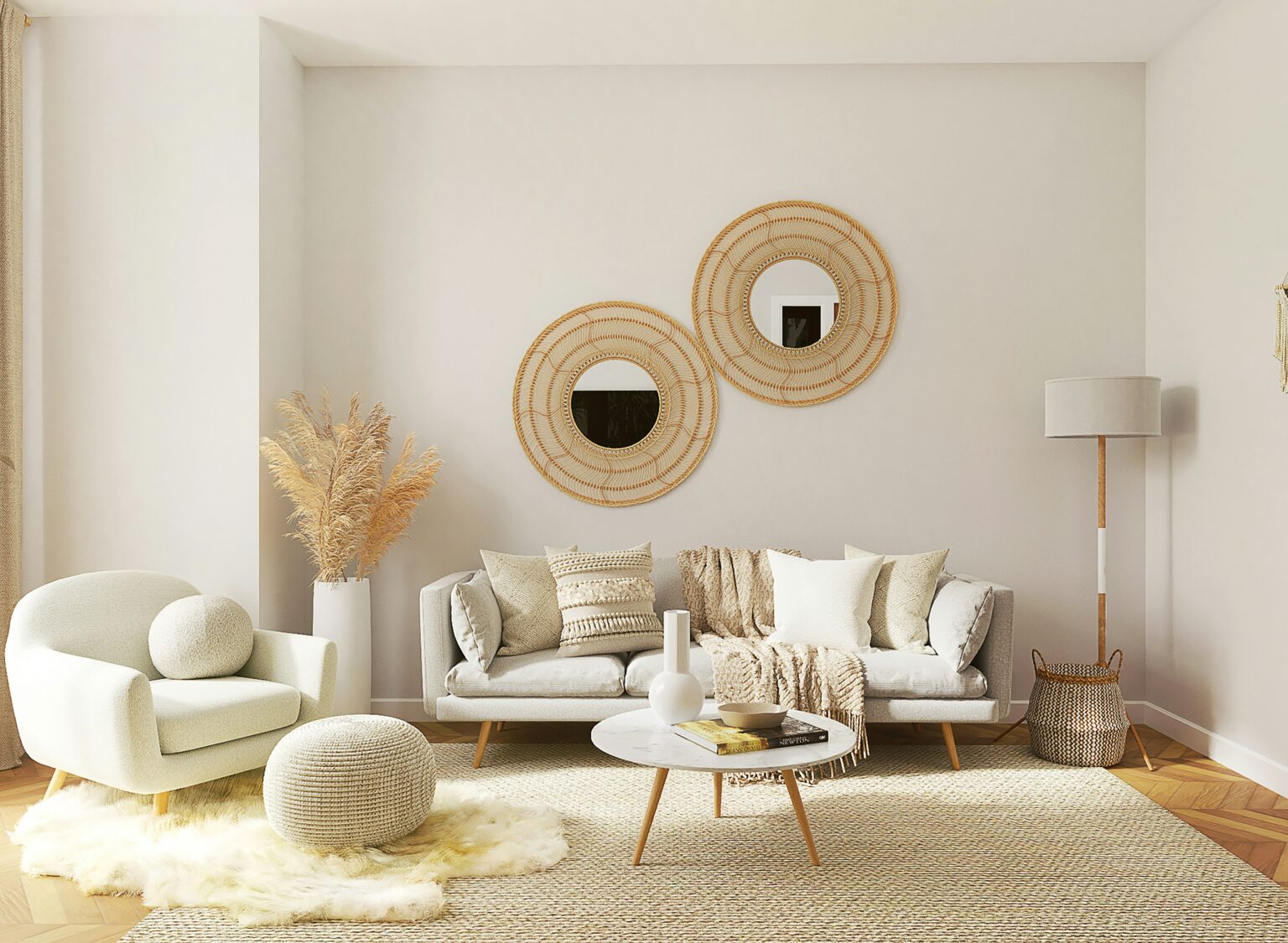


Scandinavian decor styles have quickly become fashionable over time. Although “Scandinavian” and “Nordic” may often be used interchangeably, there are subtle distinctions between them that should be noted.
Geographically, Scandinavia consists of Denmark, Norway and Sweden; culturally it also encompasses Iceland and Finland. All three Scandinavian languages–Danish, Norwegian and Swedish–are mutually intelligible.
Color Palettes
Scandinavian colors create an environment conducive to health and wellbeing with its neutral and pastel hues. Their simple palette allows users to focus on functionality rather than decoration; each element plays its part and contributes to creating the overall design. Their subtle palette provides the ideal background for natural elements and textiles so that they may stand out on their own without becoming obscured by more obtrusive decorative details.
Shades of white are essential components to creating an airy Scandinavian color scheme, providing a bright yet airy foundation that complements other natural materials and hues. Pale blues and soft pinks often pair beautifully with these neutral tones, creating a tranquil yet relaxing atmosphere. Muted shades of green and yellow bring warmth without competing with lighter tones of gray and white. Recently there has been an uptick in using deeper tones such as rich blues or dark grays for contrast – these deeper tones should only be used sparingly to maintain visual harmony and coherence with more neutral tones like these pale hues.
Light woods like birch, ash and beech are an integral part of Scandinavian interior design, providing warmth and texture in a room. Medium tone woods such as eucalyptus and maple often add depth and dimension while still fitting with neutral palette colors. Darker hued walnut and stained oak may also be added for contrast and drama in an otherwise subdued space.
Scandinavian style thrives on using vibrant contrasting colors, adding life and vibrancy to minimalist designs with their innovative color combinations. A dash of black can help emphasize soft hues and natural materials integral to this style, while deep blue hues contrast well against grays for dramatic effects.
Integrating greenery into Scandinavian style decor is a fantastic way to accentuate its natural aesthetic while purifying air quality and creating a healthier living space. Be it through potted plants, herbs or botanical prints – greenery is an integral component of this trend and must not be missed!
Texture
Scandinavian design places great emphasis on functionality and simplicity. Furniture and decor is usually constructed from natural materials with clean lines and simple shapes; quality craftsmanship often plays an integral part in its creation. White, gray, and beige hues are popularly chosen to create a light and airy atmosphere in Scandinavian decor.
Texture is also key when it comes to Scandinavian style. Soft textiles like wool blankets and sheepskin rugs add warmth and coziness to a space, while wood is another material often used. Light-colored wood is often preferred because it lightens up a room; dark wood can add depth or create contrast in an otherwise plain room.
Artwork and accessories can add another dimension of texture to a Scandinavian space. Black-and-white photography is a timeless classic in Scandinavian decor and should be displayed with simple frames for a clean and elegant look. Scandinavian artwork often depicts scenes from nature or human form and should be placed inside an open wooden frame to add depth.
Scandinavian decor goes beyond adding texture with fabrics and wood; instead it uses textures to evoke peace and serenity. Organic elements like plants and flowers often used in Scandinavian design can be displayed on wood plant stands or glass vases to add depth. Furthermore, seashells and pebbles found on beaches or forests may be included into your Scandinavian design for an authentic touch.
Assimilate Scandi or Nordic decor into your home is simple. First, decide which design style best reflects the vision for your space, then select furniture, accessories and color palette that evoke it. Scandi may suit minimalist tastes while Nordic can bring warmth and coziness. Both styles draw upon centuries-old traditions to create inviting living environments that feel warm and cozy – both are guaranteed to add character and warmth into the living experience!
Hygge
If you’ve spent any time on social media, chances are you have heard about hygge (pronounced hooga). Hygge is a Scandinavian lifestyle trend focused around coziness, togetherness, and appreciating life’s simpler pleasures.
Danes define “hygge” as an experience or moment which is warm and cozy and brings happiness to those who experience it. Some use the term to refer to relaxing activities such as sipping hot cocoa by the fireplace with loved ones, cozying up under fuzzy blankets by an open fire pit with friends or creating an ambience using soft lighting and fragrant candles in a home environment – while hygge can also be enjoyed independently.
Hygge first gained popularity among Danes around the 18th Century, becoming more widely used since 2016 with several books being written about it. It is closely related to Norwegian gemutlichkeit and German gemutlichkeit; perhaps its popularity stems from Denmark’s high taxes and socialist ideas which serve as an antidote for its otherwise hedonistic culture?
One feature that links hygge with lagom, the Swedish concept of moderation and balance, is its emphasis on creating moments of contentment. Yet critics note that hygge can take on an air of exclusivity when implemented by Danes as their only form of living.
Hygge parties usually begin with a homemade meal, though its menu shouldn’t be limited by any recipe. While it is essential to provide plenty of food, the dishes don’t need to be elaborate – what matters is making your guests feel welcome and comfortable, as noted by Danish journalist Louisa Thomsen Brits in her book about the topic.
Hygge draws upon all senses, particularly sight and touch. Candles play an integral part in creating the ideal hygge experience, as do soft throws and blankets to cuddle in front of. Opt for unscented or lightly-scented candles in soft colors to create an inviting and soothing ambience.
Clean Lines
Scandinavian design has long been popular in America since its introduction during the 1950’s. While sharing many features with Mid-Century Modernism, Scandinavian’s unique aesthetic takes an approachable and playful approach to beauty that stems from local people and culture – Scandinavian countries being Denmark, Norway, Sweden Finland Iceland having long winters with stunning natural landscapes that inspired this design movement with their clean lines and neutral color palettes.
As such, this style combines minimalist principles with functional simplicity to create an inviting living environment. Light woods are commonly found, along with soft textile rugs and furnishings made from sheepskin textiles. Natural elements like plants, flowers and greenery add beauty without adding unnecessary clutter; metal is usually limited to simple lamps and vases for accentuating simplicity in a room.
Hygge, a Nordic concept, is another key part of Scandinavian style. Hygge means creating coziness and finding warmth during long, dark winters by appreciating what nature has to offer regardless of weather conditions. Hygge encourages family time and cultivating togetherness within one another despite any weather constraints. It makes use of daylight hours while enjoying nature regardless of any setbacks in nature’s beauty.
This lifestyle has also had an influence on fashion, with designers using function and light as inspiration for their pieces. One such piece by Norm Architects furniture embodies this aesthetic with clean lines and neutral palettes characteristic of Scandinavian furniture design. Additionally, their products pioneer a new type of modernism by employing natural materials and straightforward shapes.
No discussion of Scandinavian design would be complete without mentioning IKEA, the original flat-pack furniture company established in Sweden in 1943. They prioritize affordability and democratic design – their goal being that good design should be accessible to everyone – making an indelible mark around the world with iconic products like their Crown Armchair or EK dining tables.
Trip-ready gear from Amazon
As an Amazon Associate, grandgo.com earns from qualifying purchases. Links below are affiliate links — clicking them may earn us a small commission at no extra cost to you. Prices and availability are shown on Amazon.co.uk.
- Insulated water bottle Hydroflask — Keeps liquids ambient.
- Merino wool base layer travel — Nordic winter essential.
- Waterproof camera GoPro — Northern Lights + fjords.