


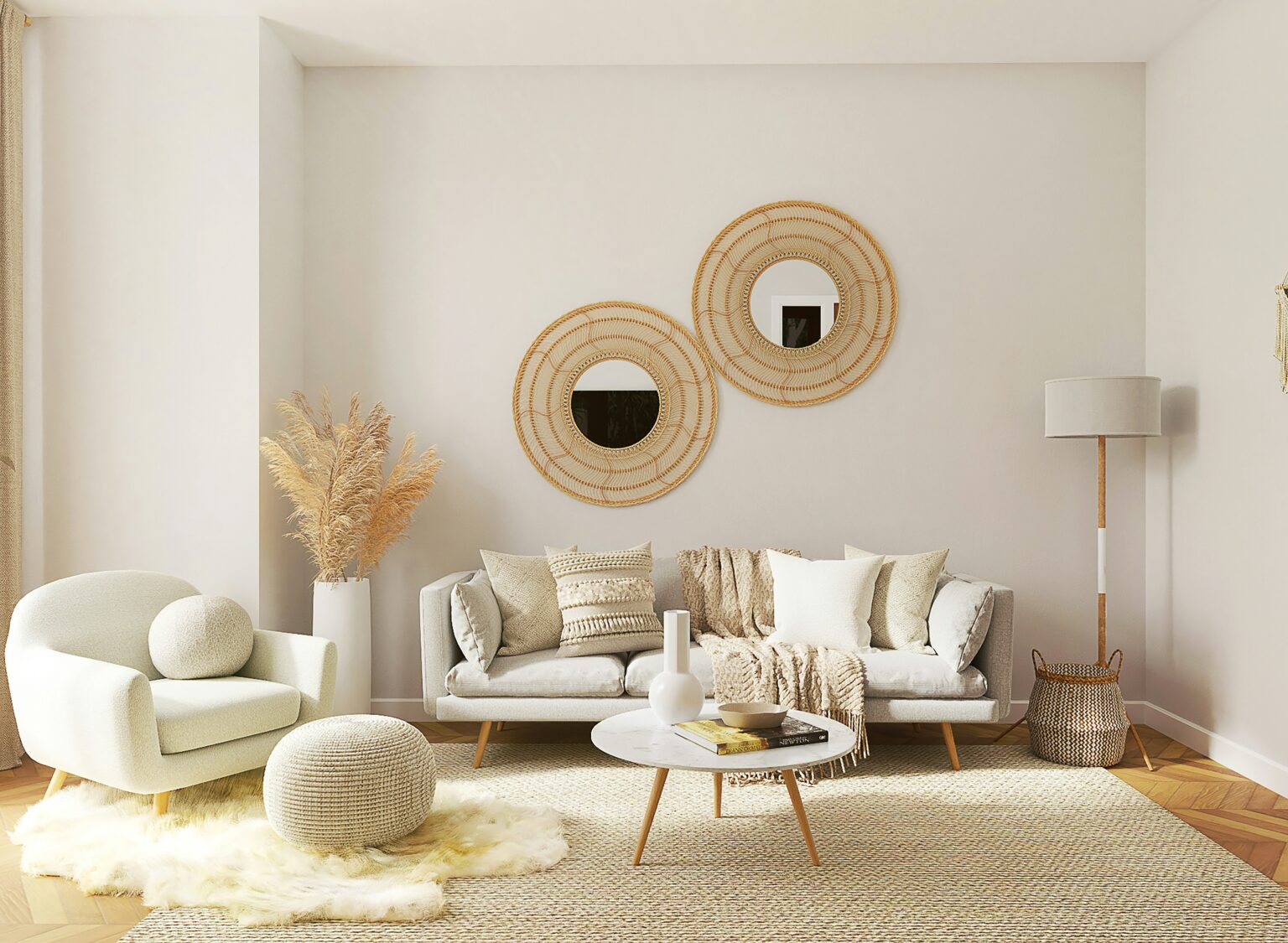

Scandinavia can be difficult to pinpoint precisely. From its flat terrains and unique hygge culture to the focus on nature, its presence can often remain obscured.
But the history of Denmark, Sweden, Norway, Iceland and Finland is deeply intertwined, sharing many similar cultural traditions such as holidays, languages and welfare models.
Colors
minimalism is at the core of Scandinavian design, yet color can add texture and warmth. Neutral hues form the basis for this aesthetic; reflecting natural sunlight to create an airy environment. Darker tones such as dark blues, greens and grays add character while maintaining its minimalist aesthetic.
White is the preferred hue in Scandinavian homes as it allows natural sunlight to fill every corner, serving as the ideal background for an array of accent colors and hues that reflect nature – light blue can represent the sky, while various shades of green evoke nature and provide a calming, tranquil effect; pinks and muted mauves add soft feminine tones without overwhelming with bright or cool tones.
Grey, in all its various light, dark and inbetween hues is an indispensable Scandinavian color choice when creating a neutral palette. Grey can serve as the backdrop for both warm and cool accents to pop against, pairing beautifully with wood and metallic finishes for an elegant, sophisticated aesthetic. Walls painted grey also help complement various pieces of furniture and accessories in the room while giving an interior space its Scandinavian charm.
Dark browns can add warmth and coziness to any room by pairing with neutrals or other earthy tones; alternatively, they can serve as the centerpiece of a room when used alongside bold accents.
Scandinavian design trends have changed rapidly in terms of their use of color, and more people are adopting more vibrant, saturated hues into their design scheme. While millennial pink and mint green hues may be popular choices for this trend, functionality remains key when using these vibrant hues effectively; therefore, Pantone’s 2016 Color of the Year Serenity can help incorporate more saturated tones without overwhelming it with bright or garish tones.
Materials
Scandinavian design emphasizes natural materials and raw textures, reflecting Nordic countries’ close connection with nature and desire to incorporate elements of it into their home decor. Wood, different types of stone material, cotton yarn, wool fabric and plants are some of the more commonly used elements. Light hues and neutral colors help create an airy yet inviting aesthetic; black accents such as picture frames or lighting fixtures add another unique dimension of Scandinavian decor.
Furniture is another essential element of Scandinavian design, and its minimalist form is one of its signature characteristics. Scandinavian pieces often incorporate storage solutions or modular components for optimal functionality; additionally, large windows and ample natural lighting play an integral role. You can bring even more sun into a room by placing mirrors which reflect it back.
Textiles are an integral component of Scandinavian design, employing natural fibers such as wool and linen in its aesthetic. Soft textiles such as rugs, throw pillows and blankets complete any Scandi-inspired room perfectly.
Functionality is one of the primary elements of Scandinavian design, which emphasizes quality craftsmanship. Craftspeople who create furniture and accessories for this style take immense pride in their work, producing pieces which are both stylish and high-quality. Scandinavian style also emphasizes eco-conscious construction practices by using environmentally friendly materials in construction practices and building.
Scandinavian design style is commonly associated with the concept of hygge, or creating an atmosphere of cozy comfort within one’s home. Hygge can be achieved by adding plush rugs and blankets, warm lighting, comfortable sofas and plants from nature; or unique vases made from wood and stones found outdoors can all help achieve it.
Texture
Scandinavia is famed for its lush natural environments, long winters and welcoming culture – which serves as inspiration for this stylish yet functional style. Layered textiles add warmth and comfort, adding an atmosphere of cozy conviviality.
Wool, sheepskin and other woven materials can add texture to any space by way of accent pieces like chunky knit throws and pillows, rugs crafted of jute hemp or cotton and even plants or flowers for an additional pop of color and to bring life to the room.
Wood is an integral element in Scandinavian decor, as its use embodies its rich cultural legacy and heritage. Wooden wall slats and furniture add warmth and a classic Nordic aesthetic. Light wood species like beech or ash are typically preferred.
Wood can also be used in the form of benches and sofas. When searching for Scandinavian-style furnishings that include slim shapes with wooden angled legs, add soften their clean lines with neutral shag rugs or faux fur throws to complete their palette.
While Scandinavian and Nordic design share many similarities, there are some distinct distinctions. Norway and Sweden are considered part of Scandinavia alongside Denmark; however they do not fall within the broader definition of Nordic countries, which also encompass Finland, Iceland and Faroe Islands.
Many designers prefer using “Nordic” instead of “Scandinavian,” as they feel it more accurately describes different cultures than using the latter term can do. Unfortunately, no definitive agreement on this issue exists between these terms.
Scandinavian decor is ideal for small spaces due to its minimalist aesthetic; it doesn’t require many decorative touches or clutter. Simply adding some carefully chosen accents such as a vase, coffee table book or low maintenance plant can give any room an air of Scandinavian minimalism – many Scandinavians subscribe to a “less is more” philosophy and strive to keep their homes uncluttered and simple.
Lighting
Lighting is an integral component of Scandinavian design. Due to the long, dark winters, functional lamps have become essential parts of life in Scandinavian homes – this has in turn shaped its unique style that balances between practicality and elegance. Scandinavian lighting often features neutral hues and simple shapes which makes it suitable for modern interiors while natural materials add warmth and coziness.
Scandinavian lighting designers are widely respected for their groundbreaking innovations in modern design. Many of their pieces use synthetic materials in creative ways that highlight sculptural forms. Striking a balance between minimalism and highlight forms creates welcoming environments where Scandinavian lighting designers’ approach can illuminate spaces comfortably yet invitingly.
Scandinavian dining room designs feature minimalist styles with clean designs and low color temperatures to create a warm, welcoming space where families come together. Pendant lights and floor lamps from Scandinavia are an excellent addition, featuring sleek designs to match this style and low color temperature bulbs that produce an inviting ambiance.
Modern Scandinavian lamps are commonly constructed of glass. This material is widely admired for its ability to amplify lighting fixtures while still creating a soft, warm glow, making them suitable for bedrooms and living rooms. Lamps such as Lilly Scandinavian floor lamp utilize geometric forms with opal white glass shades for an eye-catching piece that’s both simple and sophisticated.
Candles and lanterns are essential elements of Scandinavian home decor, providing warmth and intimacy during long, dark winter months. As such, these items are commonly found decorating living rooms, kitchens and dining rooms.
Trip-ready gear from Amazon
As an Amazon Associate, grandgo.com earns from qualifying purchases. Links below are affiliate links — clicking them may earn us a small commission at no extra cost to you. Prices and availability are shown on Amazon.co.uk.
- Merino wool base layer travel — Nordic winter essential.
- Waterproof camera GoPro — Northern Lights + fjords.
- Lonely Planet Scandinavia guide — Multi-country Nordic guide.