


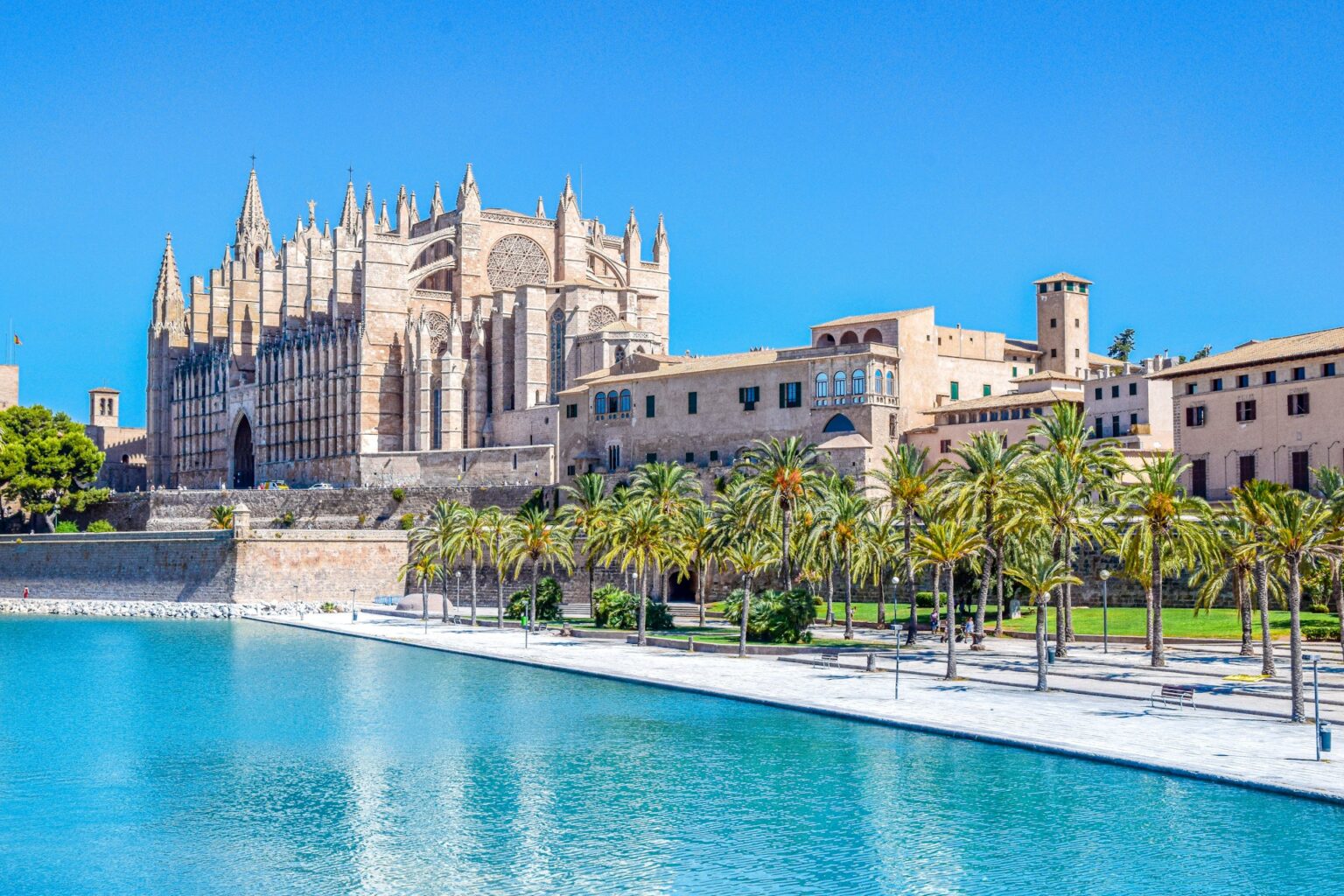

Spain is not just a destination; it is a global tourism phenomenon. In 2024, the country became the second most visited in the world, welcoming nearly 94 million international tourists who collectively spent an astonishing €126 billion. These figures are not a mere continuation of a trend but an emphatic statement: Spain is the undisputed king of European travel. The post-pandemic era has seen a veritable explosion in visitor numbers, driven by a potent mix of pent-up demand, the flexibility of remote work, and the undeniable influence of social media showcasing the nation’s sun-drenched landscapes and vibrant culture.
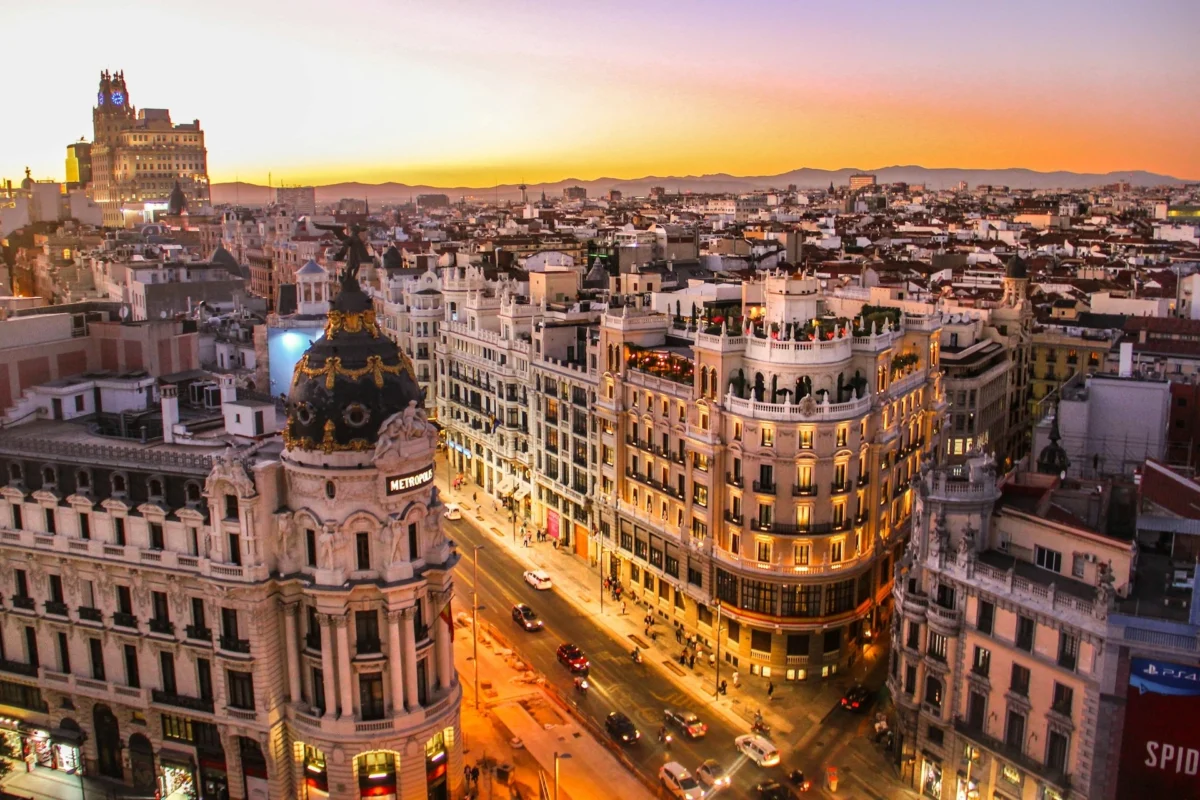
Yet, to speak of “Spain” as a single entity is to miss the point entirely. The country is a magnificent mosaic of fiercely independent regions, diverse cultures, and landscapes that shift from sun-baked Mediterranean shores to lush, green northern mountains. This diversity is the secret to its success. It allows Spain to be a different country for every visitor. The central question for any prospective traveller is not if they should go to Spain, but where in Spain they should go. The answer, it turns out, often depends on where they are from.
This comprehensive guide delves into the heart of Europe’s enduring love affair with Spain. We will explore, with data-driven precision, which nationalities flock to which corners of the country and unpack the cultural and historical reasons behind these travel patterns. From there, we will dive deep into the most popular destinations, revealing what makes each region a unique jewel in Spain’s crown. Finally, we will equip you with an essential toolkit of practical advice, ensuring your journey is as seamless as it is unforgettable. Whether you are planning your first fiesta or are a seasoned aficionado, prepare to see Spain in a new light.
Part I: The Big Picture – Mapping Europe’s Love Affair with Spain
Before exploring the sun-drenched beaches and historic cities, it is essential to understand the sheer scale of Spain’s tourism industry and the key demographics that fuel it. The numbers paint a picture of a nation that has not only recovered from the global travel downturn but has emerged stronger, more profitable, and more strategically focused than ever before.
A. Spain by the Numbers: A Tourism Superpower
The statistics charting Spain’s tourism performance are nothing short of record-breaking. After welcoming over 85 million visitors in 2023, the country is on track for an even more monumental 2024. In the first seven months of 2024 alone, Spain received 53.4 million international tourists, a 12% increase over the same period in the previous year. More impressively, their spending surged past €71 billion, marking an 18.6% increase. This economic powerhouse of a sector now contributes over 12% to the nation’s GDP, providing employment for millions and acting as a critical engine for growth.

A closer look at the data reveals a significant and deliberate strategic shift. Tourist spending is consistently growing at a much faster rate than the number of arrivals. While a 12% rise in visitors is impressive, an 18.6% jump in expenditure points to more than just inflation. This trend is a direct result of a conscious policy pivot, articulated by officials like Minister of Industry and Tourism Jordi Hereu, to “improve the quality of tourism” by attracting visitors who stay longer and spend more. The data supports this narrative: the most popular length of stay is between four and seven nights, a category that saw a 7.5% year-on-year increase in July 2024.
Furthermore, there is a noted rise in luxury tourism, with visitors seeking high-end accommodations and exclusive experiences.2 This indicates that Spain is successfully evolving its model from a focus on pure volume to one that prioritizes higher value, ensuring a more sustainable and profitable future for its most vital industry.
The foundation of this success is built on a core group of loyal European markets, supplemented by a growing interest from further afield, as detailed in the table below.
Table 1: Spain’s Top International Tourist Markets (January-December 2024)
| Rank | Country | International Arrivals (Millions) | Year-on-Year Growth (%) | Total Spending (€ Billions) | Year-on-Year Growth (%) |
| 1 | United Kingdom | 18.4 | 6.6 | 22.6 | 13.5 |
| 2 | France | 12.9 | 10.3 | 11.0 | 13.1 |
| 3 | Germany | 11.9 | 8.6 | 15.5 | 17.6 |
| 4 | Italy | 5.4 | 12.2 | N/A | N/A |
| 5 | Netherlands | 4.8 | 10.6 | N/A | N/A |
| 6 | United States | 4.2 | 11.2 | N/A | N/A |
Source: Synthesized from data provided by the National Statistics Institute (INE) and Turespaña.1 Note: Comprehensive spending data is most readily available for the top 3 markets.
B. The Sun Seekers’ Compass: A Nationality-by-Nationality Breakdown
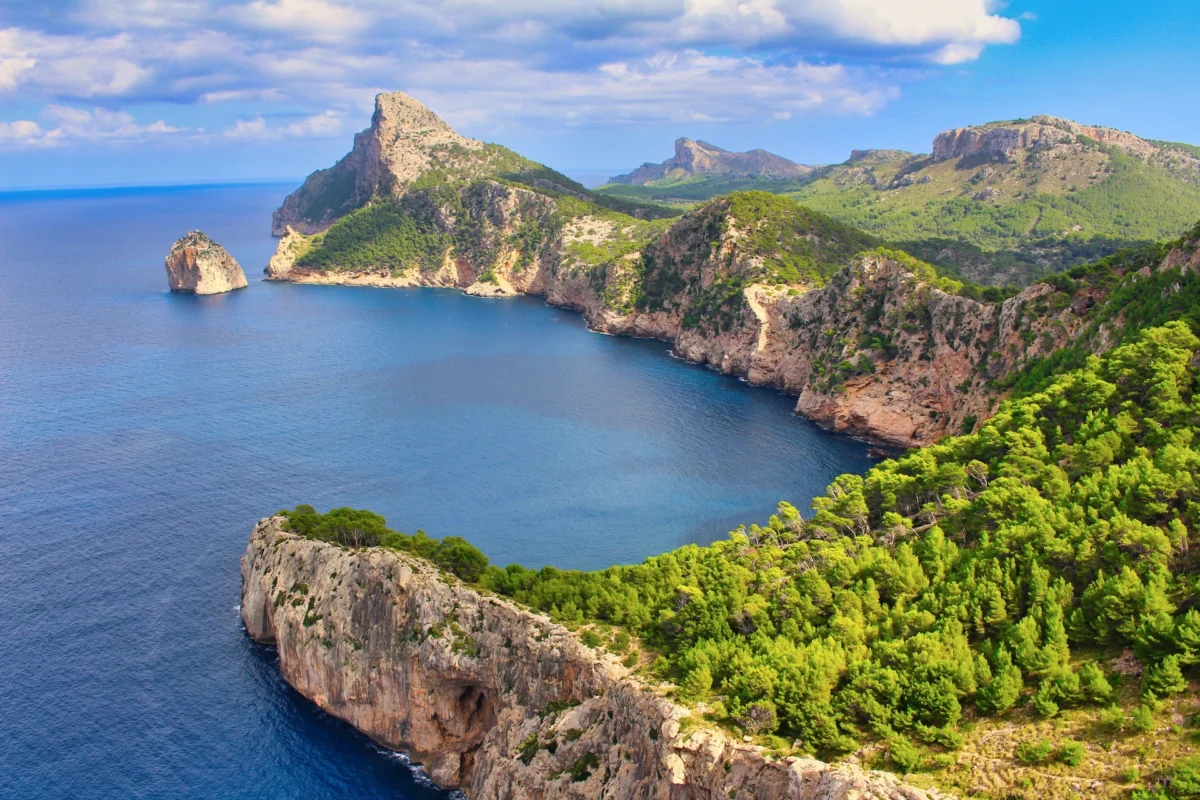
Spain’s diverse regions act as a mirror, reflecting the unique holiday desires of different European cultures. From the coasts lined with familiar comforts to islands that have become cultural outposts, the tourism map in Spain is drawn by national preference.
1. The British Affair: Sun, Sand, and a Slice of Home on the Costas
British holidaymakers have been the bedrock of Spanish tourism for decades, consistently ranking as the number one source market. In 2024, a staggering 18.4 million visitors from the UK flocked to Spain, spending over €22.6 billion. Their destinations are overwhelmingly concentrated along the sun-drenched southern and eastern coasts. The Costa del Sol (with hotspots like Marbella, Benalmadena, and Torremolinos), the Costa Blanca (dominated by Benidorm and Alicante), the Balearic Islands (Majorca and Ibiza), and the Canary Islands (particularly Tenerife’s Costa Adeje) are the perennial favourites.15
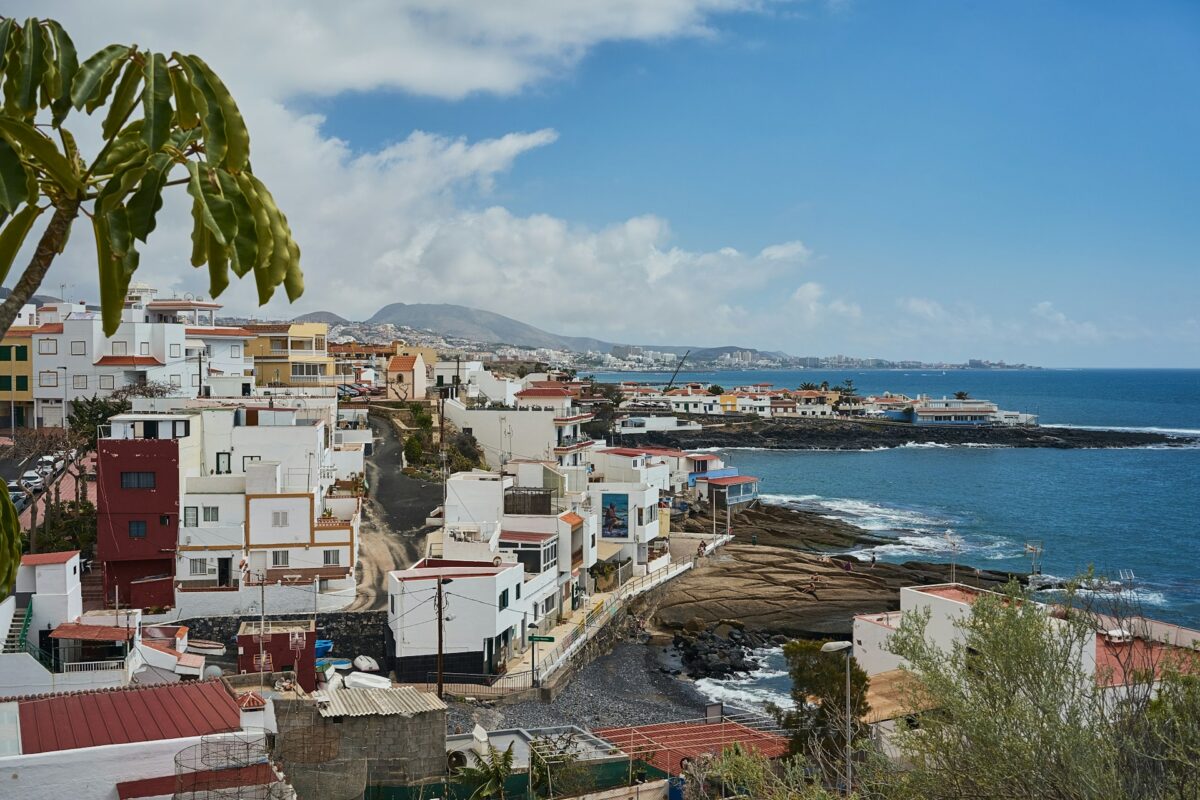
The driving force behind this loyalty is the pursuit of what can be described as the “frictionless holiday.” The appeal lies not just in the guaranteed sunshine, a powerful lure for those escaping the often-gloomy British weather, but in the sheer ease of the experience. Many of these regions have evolved to cater specifically to British tastes, creating an environment of comforting familiarity. It is no accident that resorts like Benidorm are affectionately dubbed “a British town within Spain”. These areas boast a robust infrastructure of English-speaking services, from doctors and real estate agents to bars serving a full English breakfast and supermarkets stocking familiar brands.
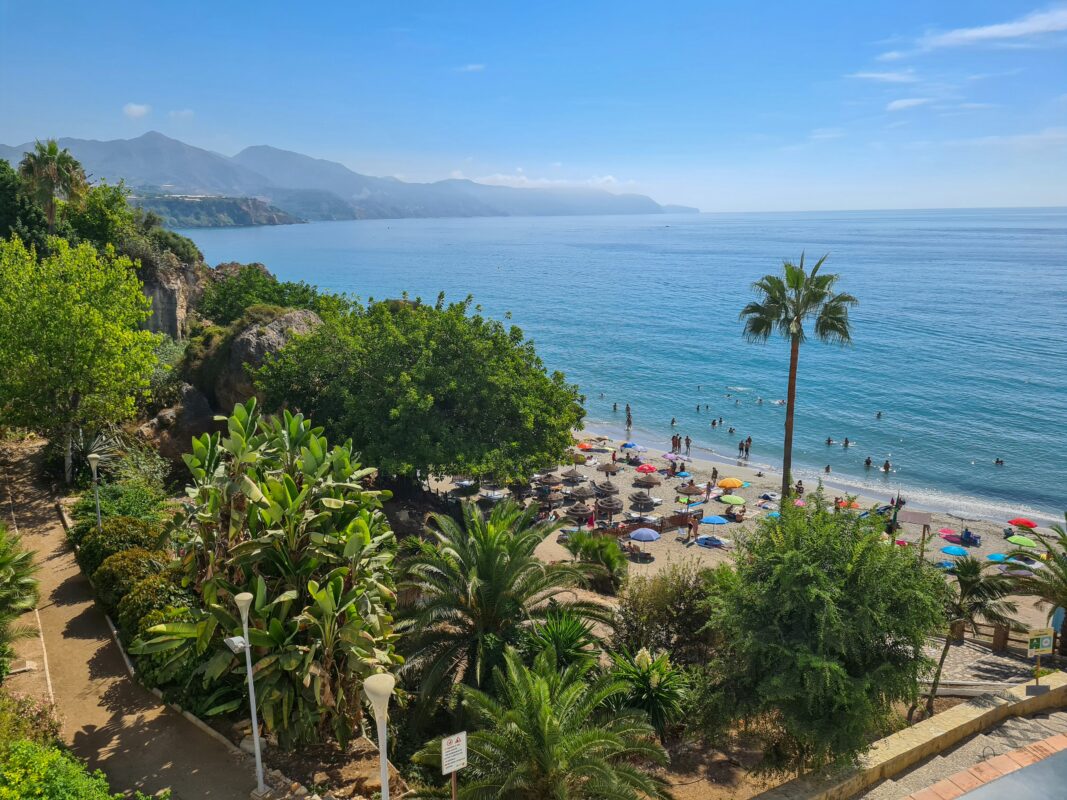
This ecosystem removes the potential stresses of language barriers and cultural unknowns. For many working Britons who, as one observer noted, are often “tired to the bone,” the goal of a holiday is not a “heavily researched cultural adventure” but a chance to genuinely relax and recharge. Spain, particularly in these anglicised enclaves, delivers this promise of a sun-drenched, hassle-free escape better than anywhere else.
2. Germany’s “17th State”: The Enduring Devotion to Mallorca
While Germans are the third-largest group of visitors to Spain, with 11.9 million arrivals and €15.5 billion in spending in 2024, their preference is uniquely focused. For the German market, one destination stands supreme:
Mallorca. This devotion is so profound that the island is often jokingly referred to as Germany’s “17th state” (Das 17. Bundesland). The Canary Islands are also a popular choice, but they do not command the same cultural significance as the largest Balearic island.
This phenomenon is more than a simple travel trend; it is a deeply embedded cultural tradition. The relationship began with German intellectuals seeking refuge on the island before World War II and exploded with the advent of affordable package holidays in the 1970s. Travel agencies masterfully capitalized on this growing familiarity, creating a self-perpetuating cycle: Germans go to Mallorca because it is known as a German destination, reinforcing its German-centric character. This has led to cultural enclaves, most famously in the resort of L’Arenal, which is often described as a “German region”. Here, it is possible to navigate daily life speaking only German, with German-language signs, menus, and shops. The area is the epicentre of the “Ballermann” party culture, a specific style of holiday characterized by German pop music (Schlager), dedicated clubs like Megapark and Bierkönig, and even flown-in German celebrities.
While this caters to a particular type of party tourist, it also appeals to a broader, more conservative German travel mindset that values predictability and ease. As one commenter noted, once a destination is found to be pleasant, the question becomes, “why EVER changing the plan?”. Mallorca’s success is a masterclass in how a destination can become inextricably linked with the cultural identity of its visitors, fostering an incredibly loyal and reliable market.
3. The French Connection: Proximity, Culture, and the Catalan Coast
As Spain’s next-door neighbour, France is a vital and consistent source of tourism, ranking second with 12.9 million visitors and €11 billion in spending in 2024. For the French, the primary draw is Catalonia, including the vibrant city of Barcelona and the ruggedly beautiful Costa Brava.5 The Balearic Islands and Andalusia are also popular, but the ease of access to the northeast gives it a distinct advantage.

Proximity is a paramount factor. A significant portion of French tourists can drive to Spain, making it an accessible, flexible, and often more affordable holiday option compared to destinations requiring flights. This is particularly true for those living in the south of France. Beyond logistics, there is a deep-seated cultural affinity, especially in Catalonia. The Catalan culture and language do not recognize the political border, creating a shared identity that flows seamlessly between French towns like Collioure and Spanish ones like Cadaqués. This shared heritage, combined with Spain’s sunnier climate and excellent value, makes it the number one international holiday destination for the French.
4. The Nordic & Dutch Escape: Chasing the Sun
For tourists from the Netherlands and the Nordic countries (Denmark, Finland, Iceland, Norway, and Sweden), the motivation for visiting Spain is fundamental: the pursuit of light and warmth. Collectively, these nations account for nearly 10 million visitors annually, a significant market driven by what could be termed a “sun deficit”. Their preferred destinations are the ones that can most reliably deliver sunshine, especially during the cold, dark northern European winters. The
Canary Islands, with their year-round mild climate, are a prime target, alongside the Costa del Sol, Costa Blanca, and the Balearic Islands.
The relationship, particularly for the Dutch, has evolved beyond simple holidays. It has deepened into a significant long-term investment. Dutch citizens are now the seventh-largest group of foreign property buyers in Spain, establishing second homes and creating a more permanent connection to the country. This trend helps to explain the notable growth in tourists staying in non-market accommodation (such as owned holiday homes or with friends and family) and private rentals, a pattern observed in the broader tourism statistics. For these northern Europeans, Spain is not just a place to visit; it is a lifestyle to be embraced, a warm antidote to their colder home climate.
5. The New Wave: The Rise of Eastern European Tourism
While the traditional Western European markets form the core of Spain’s tourism industry, a new and rapidly growing demographic is emerging from Eastern Europe. Official statistics highlight countries like the Czech Republic and Poland as markets with remarkable growth potential, with forecasts for flight capacity increasing by anywhere from 15% to over 40%.
While specific destination data for this emerging market is still developing, Spain’s world-class sun-and-sea infrastructure is undoubtedly the primary draw. The Canary Islands are a logical and popular choice, offering a reliable and high-quality beach holiday experience. There is also growing interest from Czech buyers in the property market of the Costa del Sol, suggesting a pattern of engagement similar to that of the Dutch and Nordics.
As the economies of Eastern European nations continue to grow, disposable income for travel increases, and Spain, with its established reputation, excellent value, and aspirational appeal, stands as a natural and highly desirable destination. This is a dynamic and expanding market that will likely play an increasingly important role in the future of Spanish tourism.
Part II: Destination Deep Dives – The Jewels in Spain’s Crown
Understanding who goes where is only the first step. To truly appreciate Spain’s appeal, one must explore the destinations themselves. Each of the country’s tourism hotspots offers a unique blend of landscape, culture, and experience, perfectly tailored to the diverse tastes of its international visitors.
A. The Balearic Islands: Beyond the Postcard
Floating in the azure waters of the Mediterranean, the Balearic archipelago is a world unto itself. It is a place of dramatic contrasts, capable of hosting Europe’s most hedonistic parties and offering its most serene natural escapes, often just a few kilometres apart. As one of Spain’s top three destinations, the islands are a magnet for German, British, and French tourists, each seeking their own version of paradise.
1. Mallorca: An Island of Two Halves
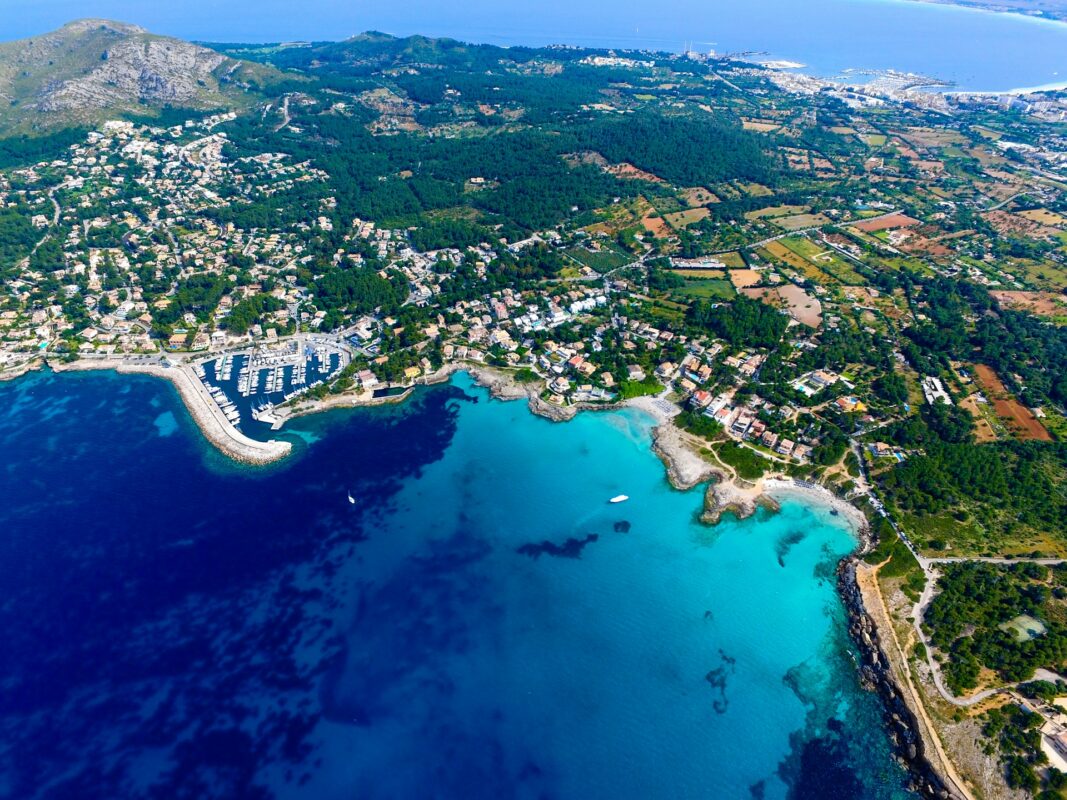
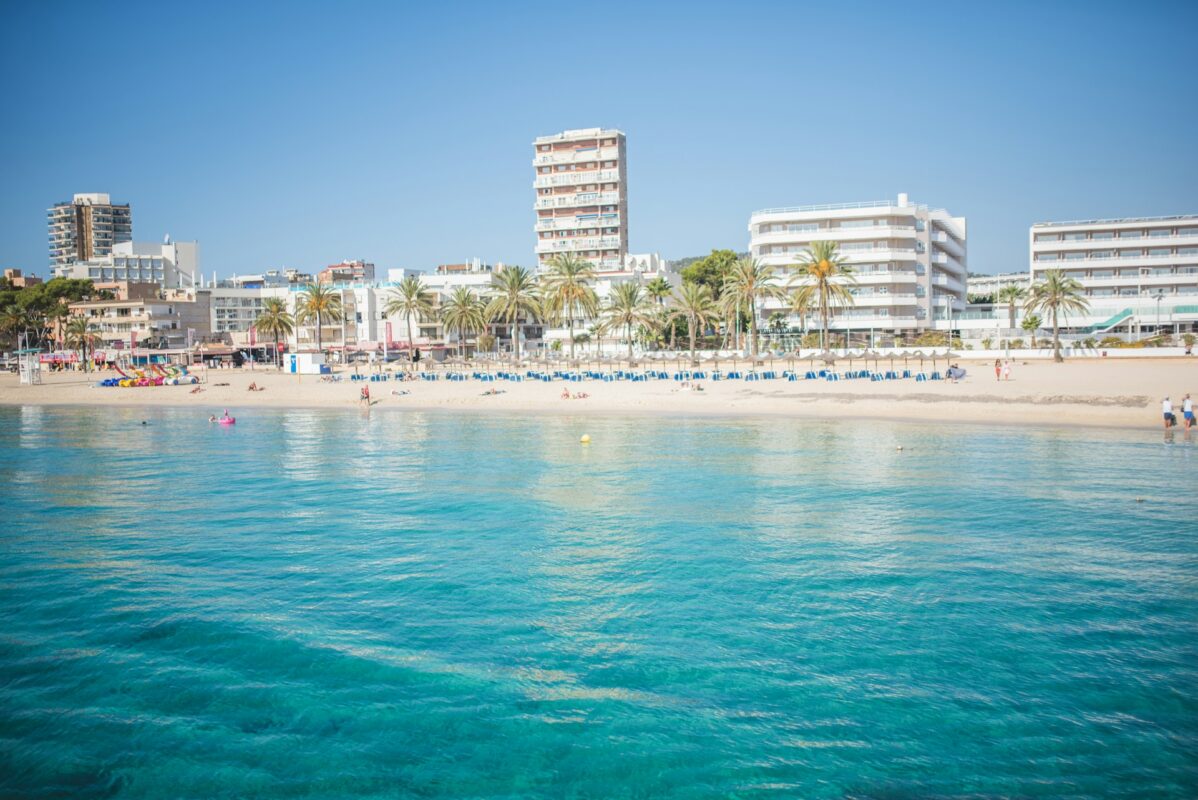
Mallorca, the largest of the islands, perfectly embodies this duality. For many German visitors, its identity is forged in the high-energy beach resorts of the south, like L’Arenal and Magaluf, where a dedicated party infrastructure caters to a specific holiday style. Yet, to define the island by these areas alone would be a profound oversight.
Venture away from the coast, and a completely different Mallorca reveals itself. The Serra de Tramuntana, a rugged mountain range and UNESCO World Heritage Site that dominates the northwest coast, offers some of Europe’s most spectacular hiking and cycling routes. Nestled within its dramatic peaks are impossibly picturesque towns like Valldemossa, Deià, and the beautiful port of Sóller, accessible from the capital via a charming vintage wooden train.
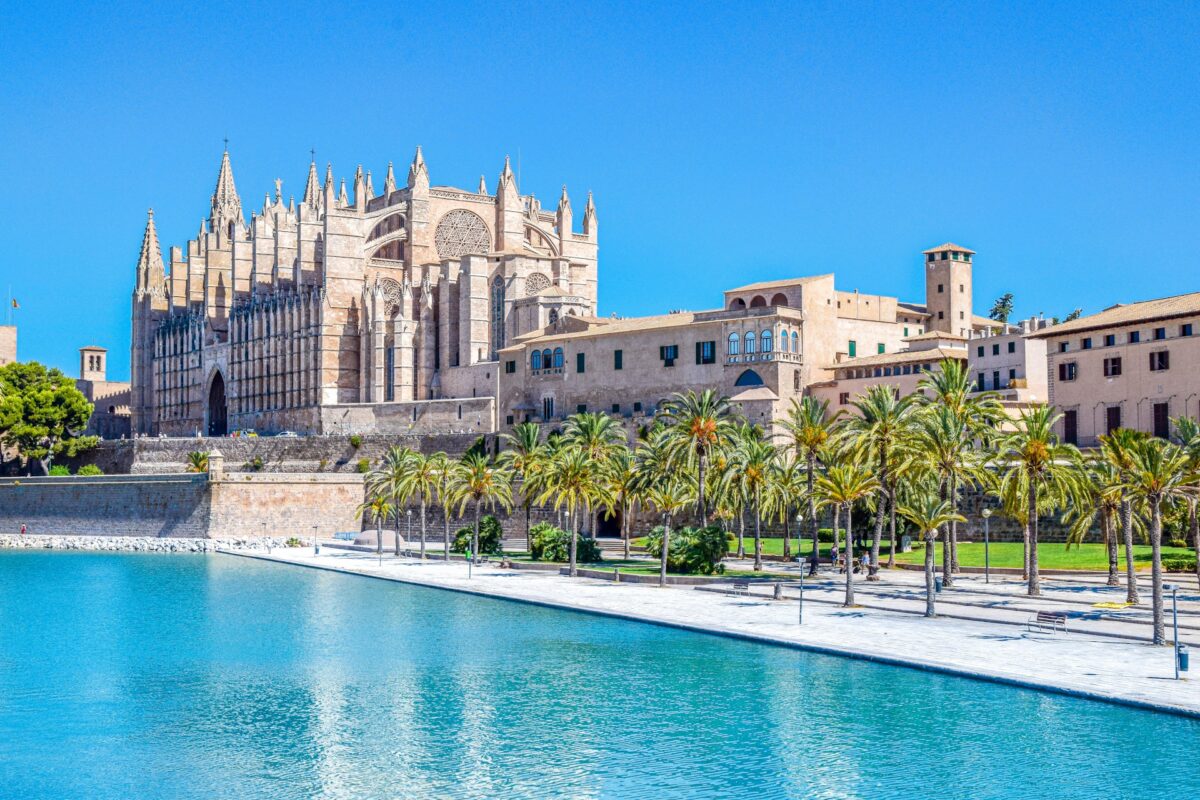
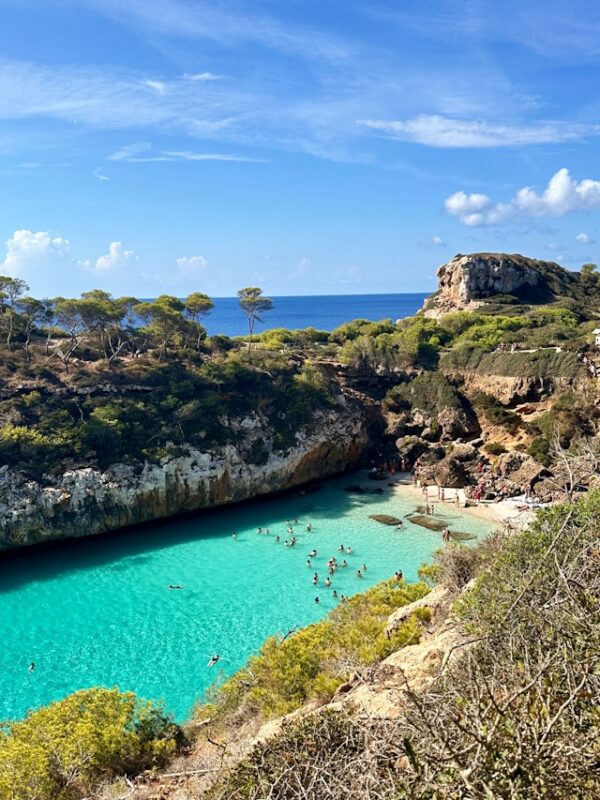
The island’s capital, Palma, is a destination in its own right, a sophisticated city with a stunning Gothic cathedral (La Seu), a labyrinthine old town, and a vibrant food scene centred around the Santa Catalina market. For those in search of pristine beaches without the crowds, hidden coves (calas) like Calo des Moro and the beaches within Mondrago Natural Park offer turquoise waters and a more authentic, tranquil experience.
2. Ibiza: Finding Serenity Beyond the Sunset Parties
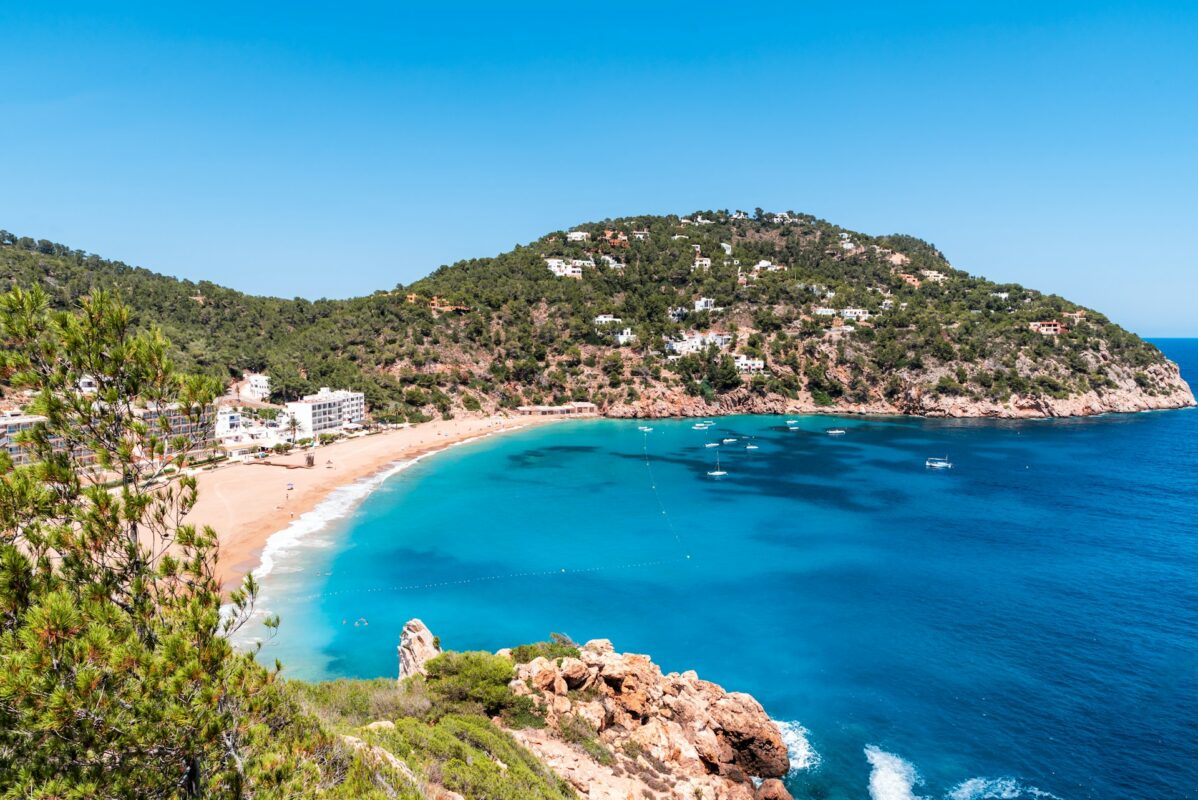
Ibiza’s reputation precedes it. As the global capital of electronic music, its legendary super-clubs in Playa d’en Bossa and San Antonio draw partygoers worldwide. However, the “White Isle” possesses a quieter, more bohemian soul that has captivated artists and free spirits for generations.
The island’s historic heart is the Dalt Vila (Old Town) of Ibiza Town, a fortified citadel and UNESCO World Heritage site whose cobbled streets and ancient walls offer panoramic views of the harbour. This is the gateway to exploring Ibiza’s serene side. The island’s north has yoga retreats, wellness centres, and laid-back villages. The coastline is a treasure trove of over 50 beaches, from the famous sunset strip of Cala Comte to secluded, hard-to-reach gems like Cala d’en Serra. Exploring the island reveals a commitment to a slower pace of life, found in its hippie markets, tranquil agroturismo farm stays, and a palpable sense of spiritual calm that exists in harmony with its high-energy nightlife.
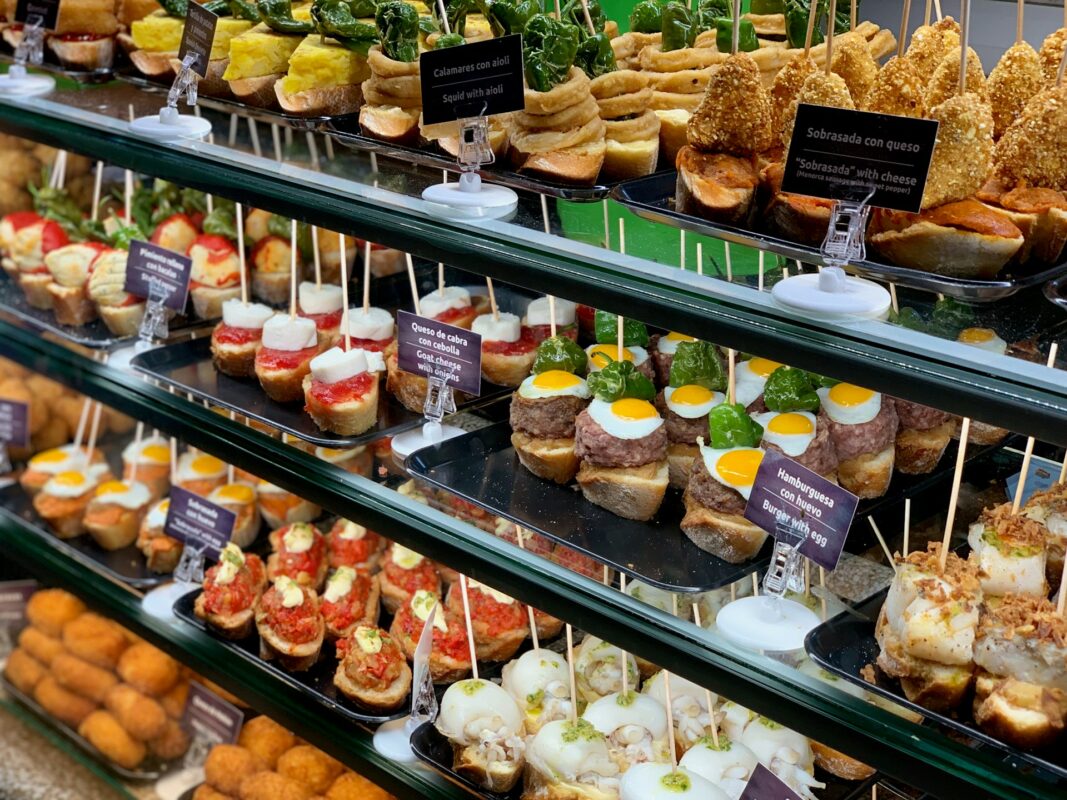
3. Local Flavours: A Taste of Balearic Cuisine
The cuisine of the Balearic Islands is distinctly Mediterranean, rich in local vegetables, fresh seafood, and pork.
- Ensaïmada: The islands’ most famous pastry, a spiral-shaped, lard-based sweet bread dusted with powdered sugar, often enjoyed for breakfast.37
- Sobrassada: A soft, spreadable cured pork sausage seasoned with paprika, a staple in Mallorcan pantries.
- Tombet: A vegetarian dish similar to ratatouille, featuring layers of fried potatoes, aubergines, and red peppers baked in a rich tomato sauce.
- Caldereta de Langosta: Menorca’s signature dish, a luxurious and flavourful lobster stew that is a must-try for seafood lovers.
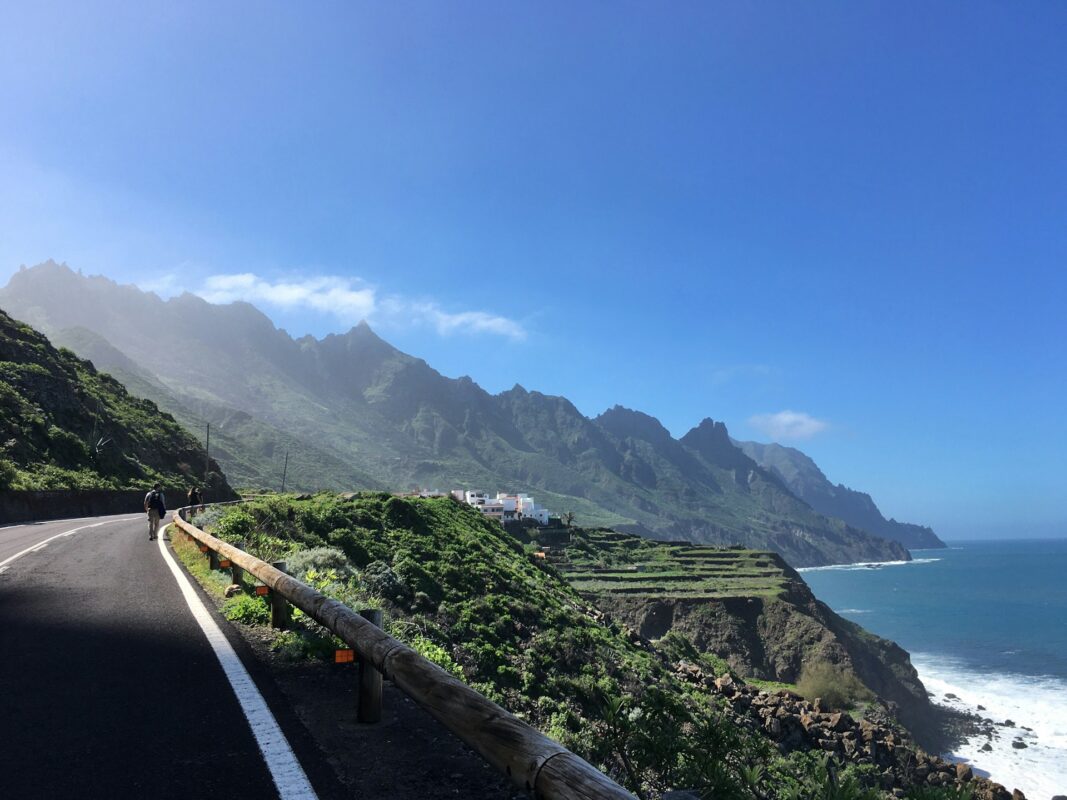
B. The Canary Islands: The Lands of Eternal Spring
Located off the northwest coast of Africa, the Canary Islands offer a unique proposition: a European destination with a subtropical climate, providing year-round warmth and sunshine. This makes them the ultimate winter escape for Northern Europeans, particularly the British, Germans, Nordics, and the burgeoning Czech market, who flock here to trade grey skies for volcanic landscapes and pristine beaches.
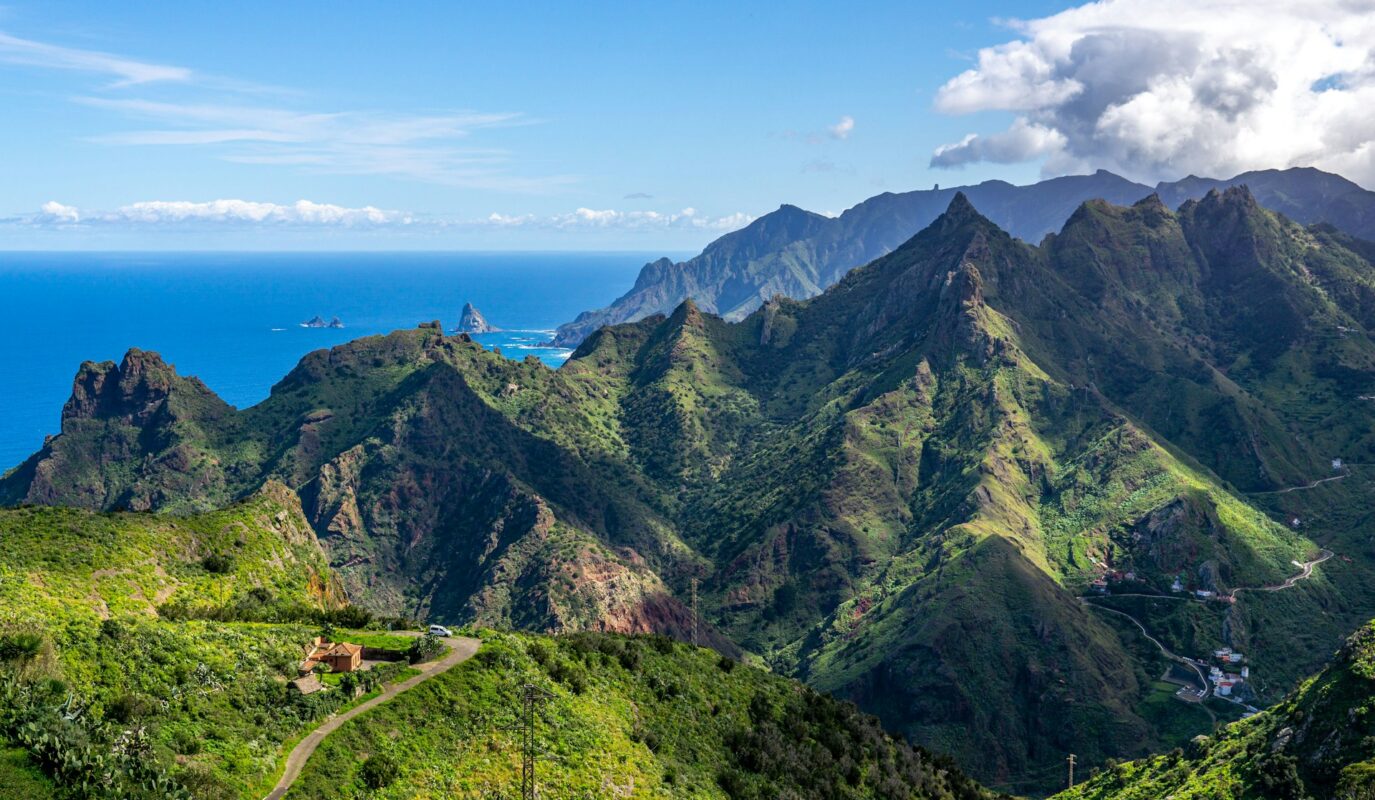
1. Tenerife: A World of Adventure Under Mount Teide
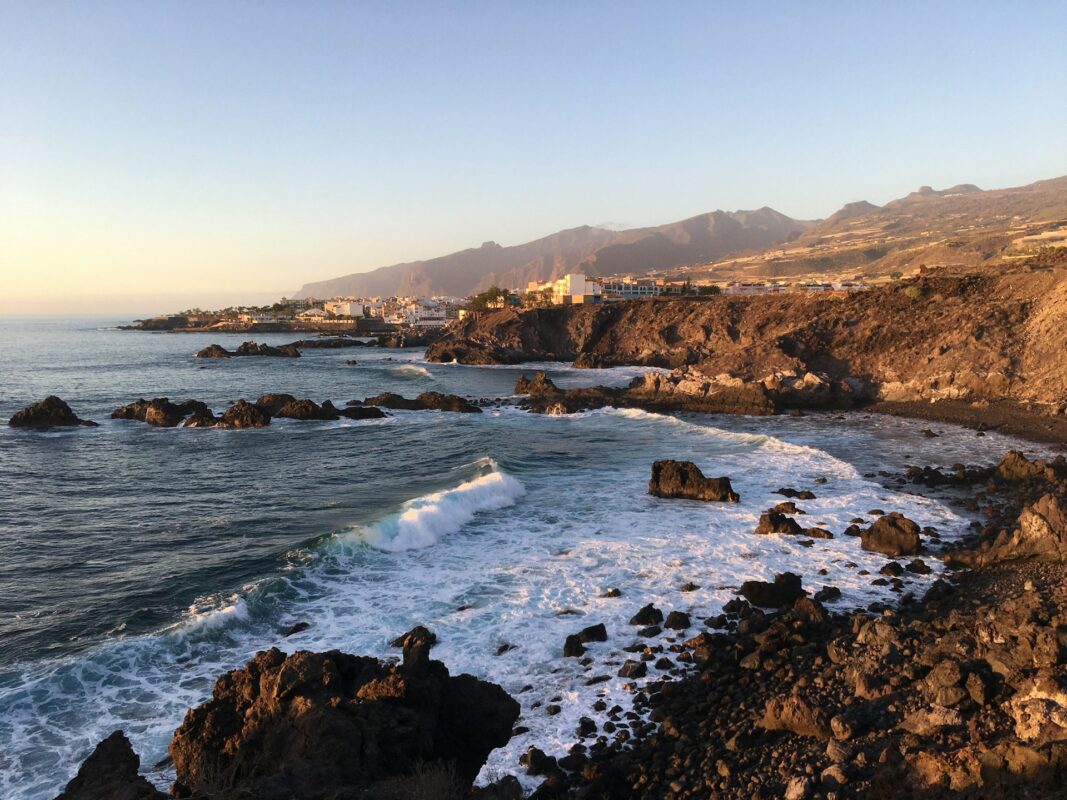
Tenerife, the largest of the Canaries, is an island of astounding diversity. Its landscape is dominated by the colossal figure of Mount Teide, Spain’s highest peak and the centrepiece of the otherworldly Teide National Park, a UNESCO World Heritage site. A cable car ride towards its summit reveals a lunar landscape of volcanic craters and ancient lava flows, often floating above a sea of clouds.
This volcanic heart gives way to vastly different microclimates. The north is lush and green, home to the ancient laurel forests of the Anaga Rural Park, a paradise for hikers. The south, in contrast, is arid and sunny, where popular resorts like
Playa de las Américas and the more upmarket Costa Adeje—a favourite among British tourists—are located. The island’s volcanic origins are also visible on its coastline, which features stunning black sand beaches like
Playa Jardín in Puerto de la Cruz. The waters surrounding Tenerife are a protected whale and dolphin sanctuary, making it one of Europe’s premier locations for marine life watching.
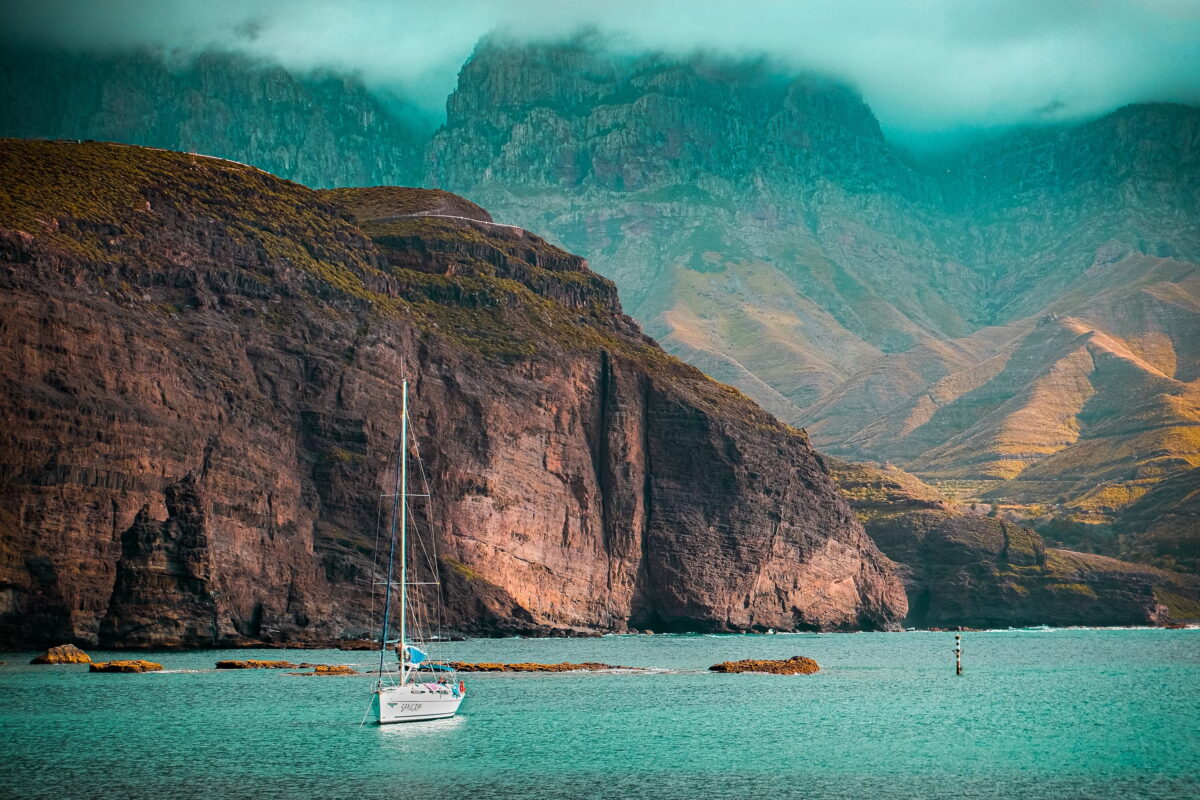
2. Gran Canaria: A Continent in Miniature
Often described as a “continent in miniature,” Gran Canaria packs an incredible variety of landscapes into one island. The south is defined by the spectacular
Dunes of Maspalomas, a vast expanse of golden sand that feels like a slice of the Sahara Desert by the sea.This area is home to the island’s main tourist resorts, including
Playa del Inglés and Maspalomas.
The interior of the island is a world away, a rugged, mountainous region of deep ravines and dramatic rock formations, epitomized by the iconic Roque Nublo.44 The north is greener and cooler, with charming towns and the vibrant capital city,
Las Palmas de Gran Canaria. The city’s Las Canteras beach is widely regarded as one of the best urban beaches in the world, a long arc of golden sand protected by a natural lava reef.
3. Local Flavours: The Unique Tastes of the Canaries
Canarian cuisine is shaped by its island geography, historical trade routes, and the legacy of the indigenous Guanche people.
- Papas Arrugadas con Mojo: The quintessential Canarian dish. Small, local potatoes are boiled in very salty water until their skins become “wrinkled,” then served with two distinct sauces: mojo picón (a red, spicy sauce made with peppers and paprika) and mojo verde (a green, milder sauce of coriander and parsley).
- Gofio: A flour made from toasted grains (typically corn or wheat) that has been a staple since pre-Hispanic times. It is incredibly versatile and can be found in stews, desserts, mixed with milk for breakfast, or even made into ice cream.
- Quesos Canarios: The islands produce exceptional cheeses, primarily from goat’s milk. Queso Majorero from Fuerteventura and Queso Palmero from La Palma are two of the most celebrated varieties, both with protected designation of origin status.
C. Andalusia: The Soul of Spain
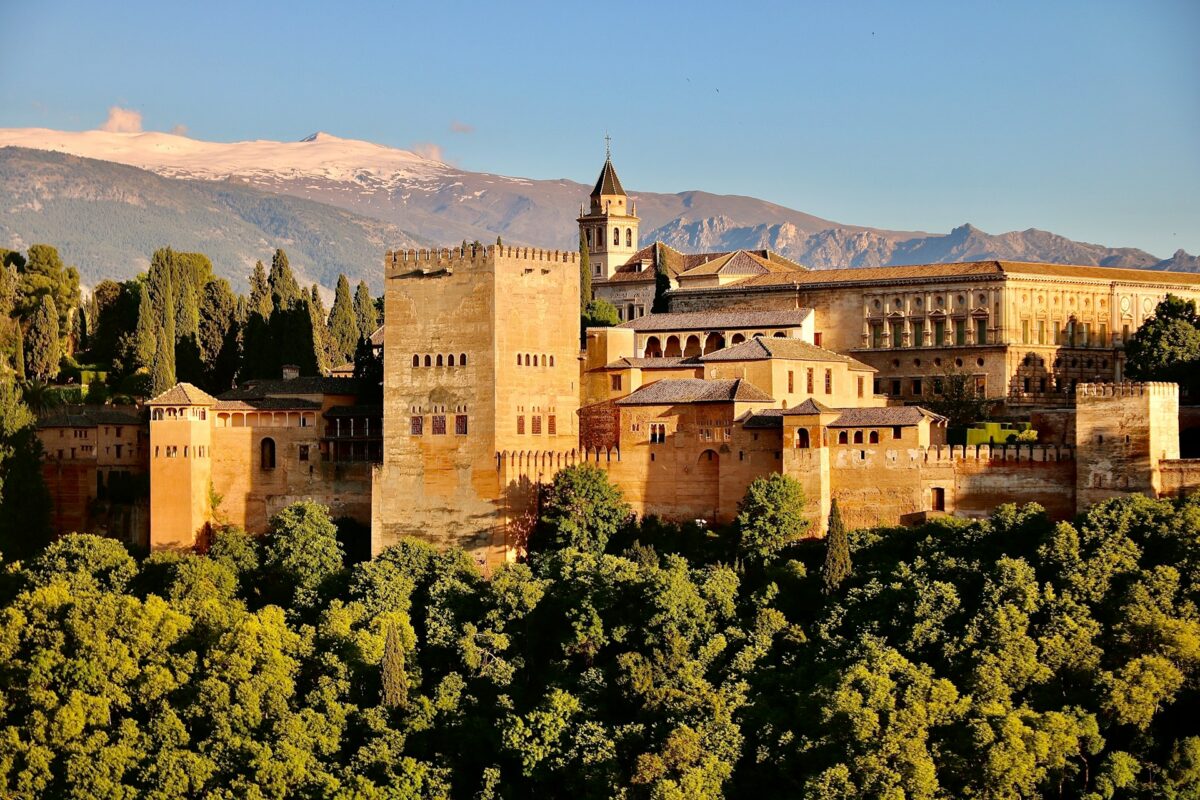
Andalusia is the Spain of the imagination. It is the birthplace of flamenco, the heartland of bullfighting, and the keeper of the most spectacular architectural legacy of the Moors. This vast southern region, with its sun-bleached pueblos blancos (white villages) and passionate fiestas, offers a deep dive into Spanish culture that captivates visitors, particularly from the UK and Scandinavia.
1. The Costa del Sol: Europe’s Premier Sunshine Playground
The “Sun Coast” is one of the most famous and developed tourist destinations in the world. For over half a century, it has been the primary destination for British tourists seeking a reliable dose of sun, sea, and sand. The coastline is a string of well-equipped resorts, each with its own character.
Marbella and its famous marina, Puerto Banús, represent the height of glamour, with luxury beach clubs, designer boutiques, and a see-and-be-seen atmosphere. Resorts like Fuengirola, Benalmadena, and Torremolinos are family-friendly hubs offering a vast array of attractions, from water parks like Aqualand to zoos like Bioparc Fuengirola.
Beyond the beaches, the region is a paradise for golfers, earning it the nickname “Costa del Golf” with over 70 courses. For the more adventurous, the dramatic
Caminito del Rey gorge walk offers a thrilling experience. And dotted throughout the hills behind the coast are charming white villages like Mijas Pueblo, offering a glimpse into a more traditional Andalusian way of life.
2. Seville & Granada: Echoes of Moorish Spain
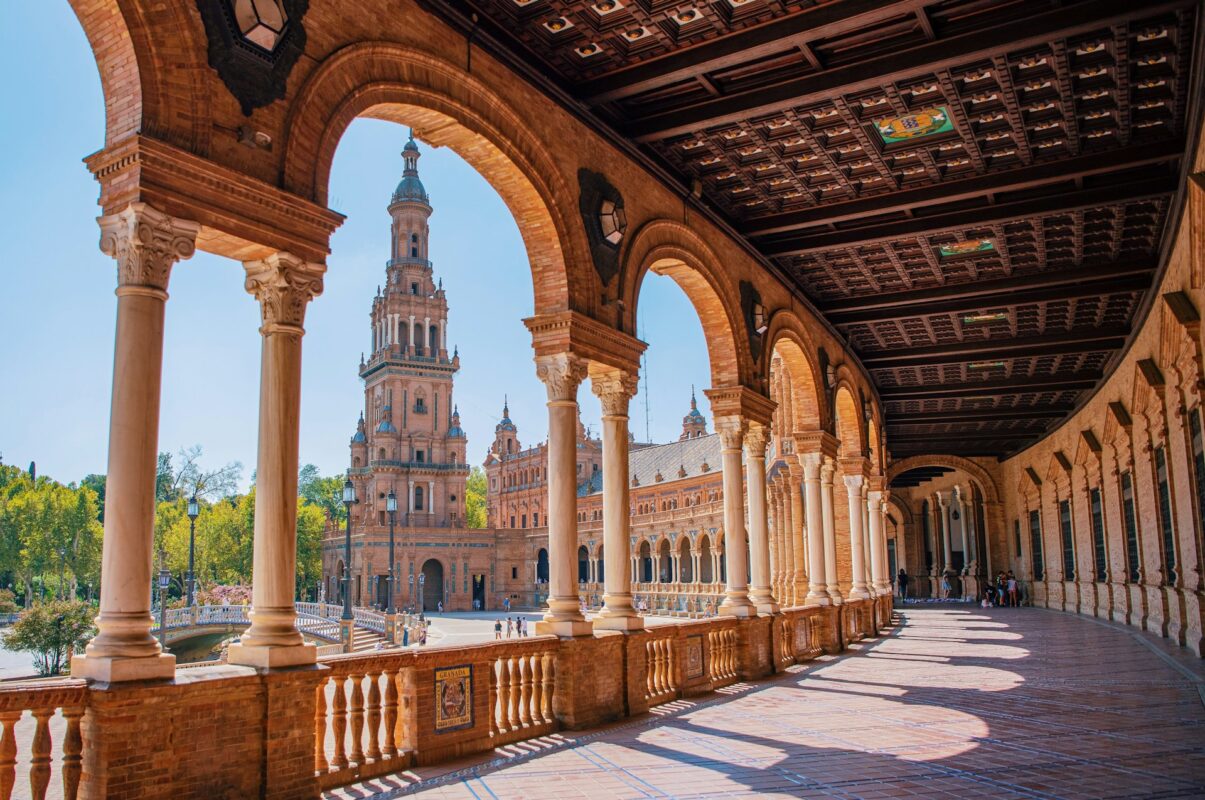
Inland Andalusia is home to Spain’s most magnificent cultural treasures, the legacy of 700 years of Moorish rule. Seville, the regional capital, is a city of passion and romance. Its heart is a trio of UNESCO World Heritage sites: the immense Seville Cathedral with its iconic bell tower, La Giralda (a former minaret); the General Archive of the Indies, which holds the records of the Spanish Empire; and the breathtaking Real Alcázar, a royal palace of stunning Mudéjar architecture that is still used by the Spanish royal family today. The city’s spirit is also found in the sprawling, beautiful Plaza de España and across the river in the historic Triana neighborhood, the traditional home of potters and flamenco artists.
Granada, set against the backdrop of the snow-capped Sierra Nevada mountains, holds what is arguably Spain’s greatest single monument: the Alhambra. This sprawling palace and fortress complex is the pinnacle of Moorish art and architecture in Europe, a breathtaking composition of intricate tilework, delicate stuccos, and serene courtyards like the famous Court of the Lions. Below the palace lies the
Albaicín, the old Arab quarter, a maze of narrow, winding streets that open onto spectacular views of the Alhambra. Nearby, the Sacromonte neighborhood is famous for its cave dwellings, many of which host intimate and powerful flamenco performances.
3. Local Flavours: A Culinary Journey Through Andalusia
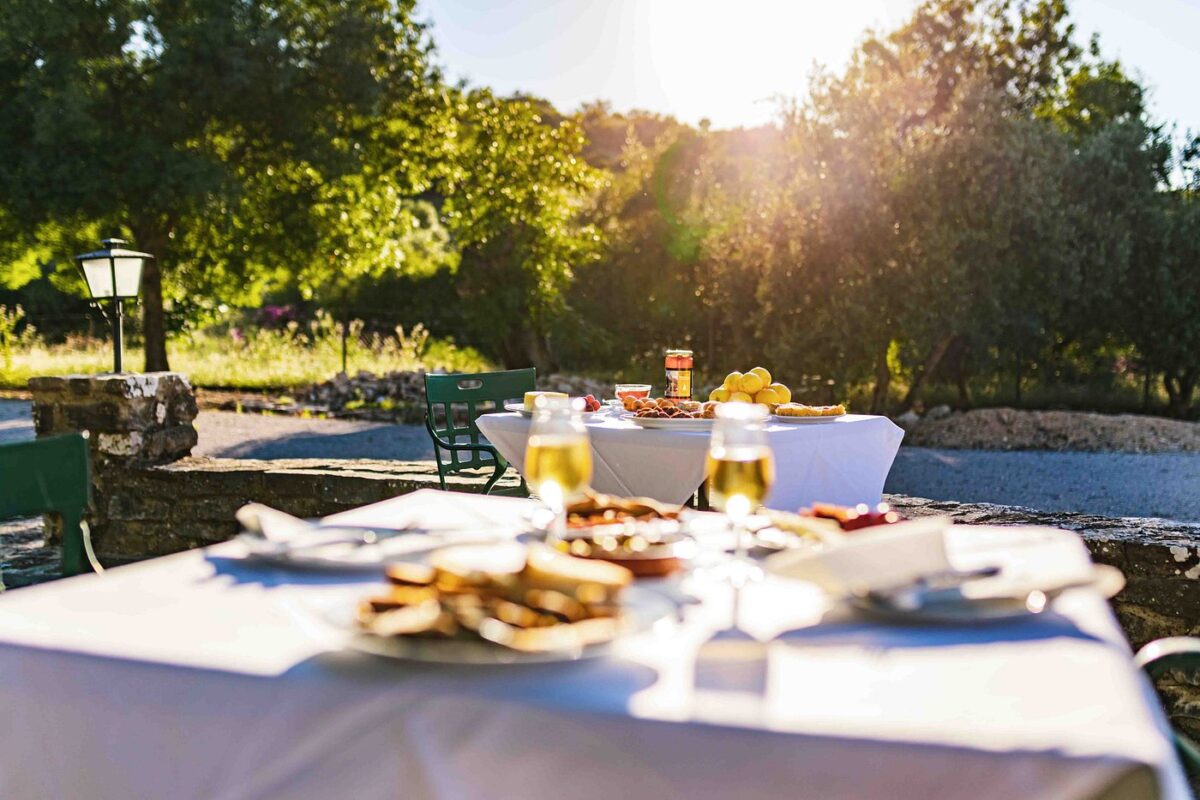
Andalusian cuisine is vibrant and flavourful, making excellent use of the region’s abundant produce.
- Gazpacho & Salmorejo: These are two famous cold tomato soups, perfect for the hot summer months. Gazpacho is thinner and often includes cucumber and pepper, while Salmorejo, a specialty of Córdoba, is thicker, creamier, and garnished with cured ham and hard-boiled egg.
- Pescaíto Frito: A beloved staple, especially on the coast. A variety of small, fresh fish (like anchovies and squid) are lightly floured and quickly fried in olive oil until crisp.
- Jamón Ibérico: The world-renowned Iberian cured ham. The finest, jamón ibérico de bellota, comes from free-range pigs that feast on acorns, giving the meat a rich, nutty flavour.
- Sherry: The region around Jerez de la Frontera is the exclusive home of sherry. From dry Fino and Manzanilla to sweet Pedro Ximénez, exploring the local bodegas is an essential Andalusian experience.
D. The Mainland Marvels: Culture, Coast, and Capital
While the islands and the southern coast dominate the tourism landscape, Spain’s mainland cities and northern shores offer equally compelling, though distinctly different, experiences. These destinations are magnets for culture vultures and those seeking a more urban or verdant Spanish holiday.

1. Catalonia: Barcelona and the Costa Brava
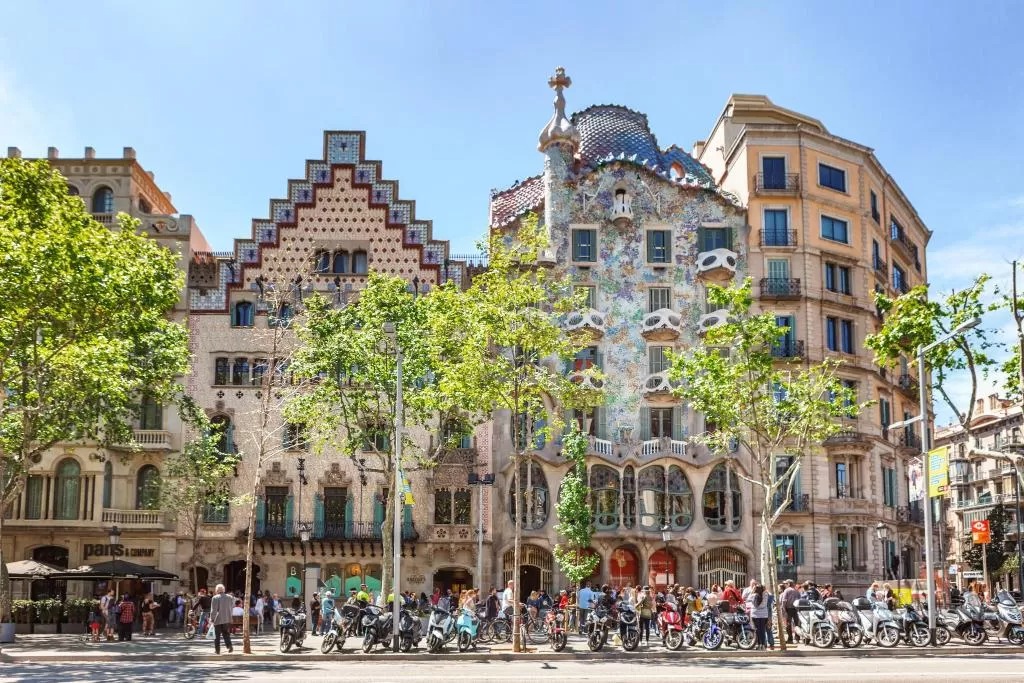
Catalonia is a region with a powerful identity, a unique language, and a culture that sets it apart from the rest of Spain. Its capital, Barcelona, is one of the most visited cities in Europe, a dynamic metropolis where Gothic history meets Modernist fantasy. The city is a living museum of the architect Antoni Gaudí, whose whimsical creations define its skyline. The still-unfinished Sagrada Família basilica, the surreal landscape of Park Güell, and the undulating facades of Casa Batlló and Casa Milà are essential sights. Beyond Gaudí, the city’s charm lies in wandering the labyrinthine streets of the
Gothic Quarter, exploring the world-class Picasso Museum, and soaking up the atmosphere along the bustling La Rambla boulevard.
The region’s unique culture is also expressed through traditions like the castells, the incredible human towers built during festivals, and the romantic Diada de Sant Jordi (St. George’s Day), when the streets are filled with stalls selling books and roses. North of the city, the Costa Brava offers a ruggedly beautiful coastline of rocky coves and charming fishing villages like Cadaqués, a favourite destination for French visitors seeking a picturesque escape.
2. Madrid: The Royal Heartbeat and its Golden Triangle of Art
If Barcelona is Catalonia’s creative soul, Madrid is Spain’s regal and energetic heart. As the capital, it is a city that buzzes with an infectious energy day and night. Madrid’s premier cultural attraction is its “Golden Triangle of Art,” an unparalleled concentration of masterpieces located along the Paseo del Prado. The Prado Museum houses one of the world’s finest collections of European art from the 12th to the early 20th century, with seminal works by Goya, Velázquez, and El Greco. The Reina Sofía Museum picks up where the Prado leaves off, showcasing modern and contemporary art, its crowning jewel being Picasso’s monumental anti-war painting, Guernica. The Thyssen-Bornemisza Museum completes the trio, offering a stunning overview of Western art history from the 13th century to the late 20th.
Beyond the museums, Madrid’s life is lived in its grand plazas, like the historic Plaza Mayor and the bustling Puerta del Sol. The opulent Royal Palace and the vast, beautiful Retiro Park, with its boating lake and crystal palace, are other essential stops. The city is also renowned for its culinary scene, with countless tapas bars in neighbourhoods like La Latina and sophisticated markets like the Mercado de San Miguel.
To help you choose the perfect Spanish region for your travel style, the table below provides a quick summary.
Table 2: At-a-Glance Regional Guide for European Travellers
| Region | Best For | Vibe | Popular With |
| Balearic Islands | Beaches, Nightlife, Scenery | International Resort & Bohemian Escape | Germans, British, French |
| Canary Islands | Year-Round Sun, Hiking, Adventure | Relaxation & Outdoor Activity | British, Germans, Nordics, Dutch, Czechs |
| Andalusia | Culture, History, Sunshine | Traditional & Passionate | British, Scandinavians, French |
| Catalonia | Art, Architecture, Gastronomy | Cosmopolitan & Culturally Distinct | French, British, Italians |
| Madrid | World-Class Museums, Nightlife | Energetic & Royal Capital | All Nationalities (City Break) |
Part III: The Essential Traveller’s Toolkit
Armed with an understanding of where to go, the final piece of the puzzle is the practical knowledge needed to navigate Spain with ease and confidence. This toolkit provides essential advice on planning your trip, getting around, and immersing yourself in the local culture.
A. Your Spanish Journey: Planning & Logistics
Careful planning is the key to a smooth and rewarding Spanish holiday. From choosing the right season to mastering the transport networks, a little forethought goes a long way.
1. When to Go: A Season-by-Region Guide
Spain is a year-round destination, but the ideal time to visit depends heavily on your chosen region and activities.
- Spring (April-May) & Autumn (September-October): These shoulder seasons are arguably the best time for a comprehensive trip. The weather is pleasantly warm across most of the country, perfect for city breaks in Madrid, Seville, and Barcelona, or for outdoor activities like hiking. The summer crowds have either not yet arrived or have begun to thin, and the Mediterranean is still warm enough for swimming in early autumn.
- Summer (June-August): This is the peak season for coastal and island destinations. Expect hot, sunny weather, bustling beaches, and a vibrant atmosphere. Be prepared for high temperatures, especially inland in Andalusia where cities like Seville can be scorching.39 It is also the busiest and most expensive time to travel. Interestingly, major cities like Madrid can be quieter in August as locals escape to the coast for their own holidays.
- Winter (November-February): This is the low season for most of the mainland and the Balearic Islands, where some resorts may be very quiet or closed.39 However, it is the high season for the
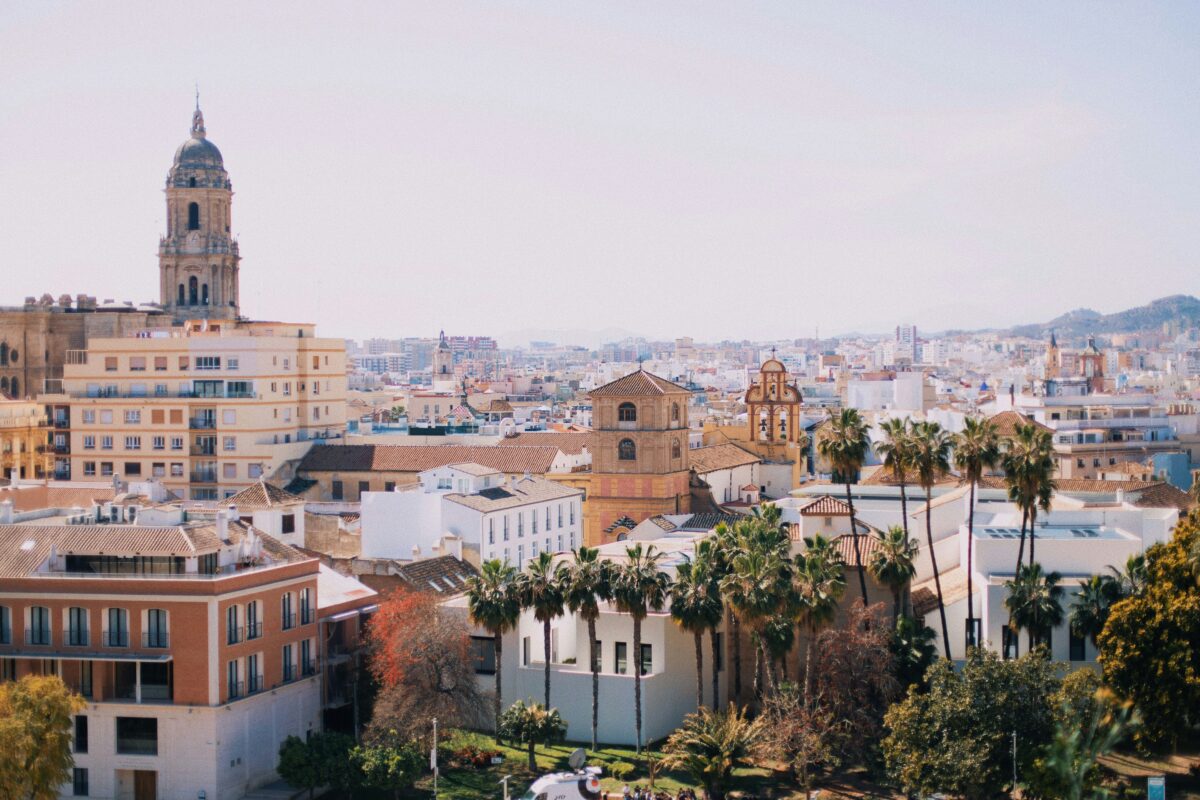
Canary Islands, which become a haven for northern Europeans seeking winter sun. It can also be an excellent time for a budget-friendly cultural trip to southern cities like Malaga, which enjoy mild winter weather.

2. Getting Around: Mastering Spain’s Networks
Spain’s public transport system is modern, efficient, and extensive, making it easy to travel between regions without a car.68
- Trains: Spain boasts the second-largest high-speed rail network in the world, radiating primarily from Madrid. The AVE (Alta Velocidad Española) trains, operated by companies like RENFE, OUIGO, and IRYO, connect major cities like Madrid, Barcelona, Seville, and Valencia at speeds of up to 310 km/h (193 mph). This is the fastest and most comfortable way to travel long distances. It is crucial to book tickets well in advance, especially on popular routes, to secure the best prices.
- Buses: For reaching smaller towns, rural areas, and destinations not on the rail network, the bus system is an excellent and more economical alternative. Companies like Alsa and Avanza operate extensive networks of comfortable, modern coaches. While journeys are longer than by train, they are often significantly cheaper.
- City Transit: Major cities have superb public transport. The metro systems in Madrid and Barcelona are particularly efficient and easy to navigate, offering the best way to get around the city centre.

3. Smart Travel: Pro Tips for Budgeting
While Spain offers great value compared to many other Western European countries, costs can add up. Here are some tips for a more budget-friendly trip 67:
- Travel Off-Season: Visiting during the spring, autumn, or winter (outside of major holidays) will almost always result in cheaper flights and accommodation.
- Book in Advance: This is the golden rule. Train tickets, flights, and hotels are significantly cheaper when booked weeks or months ahead.
- Eat the Menú del Día: The “menu of the day” is a fixed-price lunch offered by most restaurants on weekdays. It typically includes three courses, bread, and a drink for a very reasonable price (often €10-€15) and is the most economical way to enjoy a substantial meal.
- Pack Light: If using budget airlines for internal flights, be aware that they charge hefty fees for checked baggage. Sticking to carry-on luggage can lead to significant savings.
B. Living Like a Local: Culture & Etiquette
To truly enjoy Spain, it helps to understand the rhythm and customs of daily life. Adapting to the local culture will not only prevent misunderstandings but will also enrich your travel experience.
1. The Rhythm of Spain: Understanding the Daily Schedule
The Spanish schedule can be a surprise to first-time visitors. Mealtimes are significantly later than in many other countries.
- Lunch (La Comida): This is the main meal of the day, typically eaten between 2:00 PM and 4:00 PM.
- Dinner (La Cena): Dinner is a much lighter affair and is eaten late, rarely before 9:00 PM and often as late as 10:00 PM or 11:00 PM, especially on weekends.
- Siesta: While the tradition of an afternoon nap is less common in big cities, the concept of a midday break remains. Many shops, banks, and businesses will close for a few hours in the afternoon, typically from around 2:00 PM to 5:00 PM, before reopening for the evening. Tourists should plan their shopping and errands around this break.
2. A Quick Guide to Spanish Etiquette
A few key social customs will help you navigate interactions with politeness and respect.
- Greetings: When meeting someone for the first time, a handshake is common. However, between women, or between a man and a woman, the standard greeting is dos besos—a light kiss on each cheek, starting with the left.
- Tipping: This is a frequent point of confusion for travellers. Unlike in countries like the United States, tipping in Spain is not obligatory and is considered a gesture of appreciation for excellent service, not a requirement to supplement wages.
- Cafes and Bars: It is common to round up the bill or leave the small change (e.g., €0.20-€0.50).
- Restaurants: For a sit-down meal with good service, a tip of 5-10% is generous and appreciated. Check the bill for “servicio incluido,” which means a service charge has already been added.77
- Taxis: Simply rounding up the fare to the nearest euro is sufficient.
- Hotels: A tip of €1-€2 per bag for a porter or per night for housekeeping is a kind gesture.
- Dress Code: While Spain is relaxed, beachwear (like swimsuits or shirtless attire for men) should be confined to the beach or pool area. When entering cities or, especially, churches and cathedrals, it is respectful to cover up.
To help you communicate, here is a table of essential phrases.
Table 3: Essential Spanish Phrases for Tourists
| English Phrase | Spanish Phrase | Phonetic Pronunciation |
| Hello | Hola | OH-lah |
| Good morning | Buenos días | BWAY-nos DEE-as |
| Good afternoon | Buenas tardes | BWAY-nas TAR-des |
| Good night | Buenas noches | BWAY-nas NOH-ches |
| Please | Por favor | por fa-VOR |
| Thank you | Gracias | GRA-thee-as (Spain) / GRA-see-as (LatAm) |
| You’re welcome | De nada | de NA-da |
| Excuse me / Sorry | Perdón / Disculpe | per-DON / dis-CUL-pay |
| Do you speak English? | ¿Habla inglés? | AB-la in-GLAYS? |
| I don’t understand | No entiendo | no en-tee-EN-do |
| Where is…? | ¿Dónde está…? | DON-day es-TAH…? |
| How much does it cost? | ¿Cuánto cuesta? | KWAN-to KWES-ta? |
| The bill, please | La cuenta, por favor | la KWEN-ta, por fa-VOR |
| Water / Wine / Beer | Agua / Vino / Cerveza | AG-wa / VEE-no / ser-VAY-za |
| Goodbye | Adiós / Hasta luego | a-dee-OS / AS-ta loo-AY-go |

Conclusion: Your Perfect Spain Awaits
Spain’s dominance as a travel destination is no accident. It is the result of a country that offers a seemingly infinite variety of experiences, capable of satisfying the holiday dreams of millions. From the sun-worshipping beaches of the Balearics and Canaries, which serve as a vital escape for Northern Europeans, to the profound cultural depths of Andalusia and the cosmopolitan energy of Barcelona and Madrid, Spain is not one destination but many.
The travel patterns of Europeans reveal a fascinating truth: we seek out what we need. The British find comfort and ease on the Costa del Sol, the Germans have forged a cultural home-away-from-home in Mallorca, and the French embrace the shared heritage of Catalonia. Each group has found its own perfect Spain. This guide has illuminated those paths, providing a map not just of places, but of preferences and passions.
The ultimate call to action, however, is to use this knowledge not merely to follow the well-trodden trails of your compatriots, but to forge your own. Perhaps you are a Brit who will find unexpected joy in the rugged hiking trails of the Picos de Europa, or a German traveller who will fall in love with the flamenco rhythms of Seville. The beauty of Spain lies in its boundless capacity to surprise and enchant. The sun, the culture, the history, and the vibrant zest for life are there for all to discover. Your perfect Spain is waiting.