



Quick Answer
Sevilla inspired two of Western opera’s greatest works: Bizet’s Carmen (1875) and Mozart’s Don Giovanni (1787). Real-life Don Juan: nobleman seducer character from 17th-century Sevilla legend (Tirso de Molina play 1630). Carmen the gypsy: factory worker in Triana neighborhood. Sevilla connections: Tobacco factory (now University) where Carmen worked, Triana flamenco birthplace, Bullring (Don José killed there in opera), Hospital de la Caridad (Don Juan reformed hospital), Hospital de los Venerables, Plaza de España. Plus Sevilla’s iconic sights: Cathedral with Columbus’s tomb, Real Alcázar UNESCO, Plaza de España, flamenco shows. Best time: April-May (Holy Week + Feria), September-October. Days: 3-4 minimum. From Madrid: AVE 2h30.

Carmen and Don Juan in Sevilla
- Bizet’s Carmen (1875): opera based on Prosper Mérimée’s 1845 novella. Set in Sevilla. Most-performed opera worldwide.
- Carmen’s tobacco factory: Real Fábrica de Tabacos. 1758 building. Now University of Seville.
- Don Juan legend: 17th-century Sevillan nobleman seducer. Tirso de Molina play “El burlador de Sevilla” 1630. Inspired Mozart’s Don Giovanni 1787.
- Real Don Juan: Miguel de Mañara (1627-1679). Reformed nobleman, founded Hospital de la Caridad.
- Hospital de la Caridad: Mañara’s reformed hospital. Now museum with Murillo + Valdés Leal paintings. €5.
- Iglesia de Santa María la Blanca: Don Juan supposedly buried here (locals dispute).
Carmen walking tour
- Real Fábrica de Tabacos: University of Seville. Where Carmen worked. Free to walk grounds.
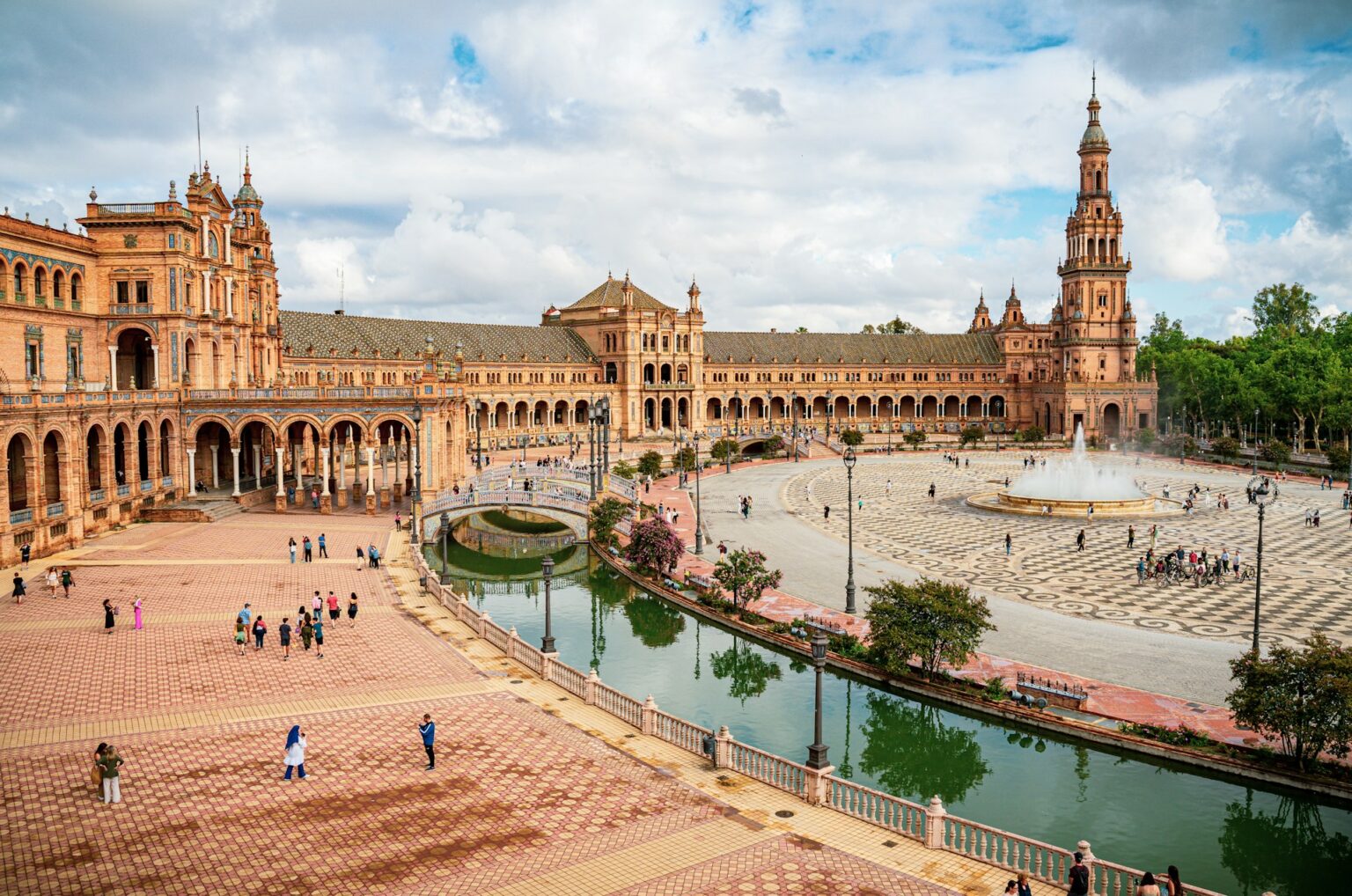
- Plaza de España: Carmen scene. 1929 Ibero-American Expo. FREE.
- Plaza de Toros (Real Maestranza): bullring. Where Don José killed Carmen in opera. €8 inside, free outside.
- Triana (across river): flamenco birthplace. Carmen + Don José fled here.
- Hospital de la Caridad: Mañara’s reformed hospital. €5.
- Iglesia de Santa María la Blanca: claimed Don Juan burial.
Sevilla’s iconic sights
- Catedral de Sevilla: world’s largest Gothic cathedral. Columbus’s tomb. Giralda bell tower (former minaret) — climb 35 ramps. €13.
- Real Alcázar (UNESCO): Mudéjar palace. Spanish royal residence still. Game of Thrones location (Dorne). €14.50.
- Plaza de España: built 1929 Ibero-American Exposition. Semi-circular building. FREE. Most photographed.
- Triana neighborhood: flamenco birthplace. Cross Isabel II bridge.
- Metropol Parasol: “the Mushrooms” 28m wooden lattice 2011. €5 walkway top.
- Casa de Pilatos: 16th-century Renaissance-Mudéjar palace. €11.
- Museo de Bellas Artes: Spanish art second only to Prado. €1.50.
Flamenco origin in Triana
- 18th century origins: Andalusia gypsy + Moorish + Sephardic Jewish music. Triana most identified.
- Three elements: cante (singing), baile (dance), toque (guitar).
- Authentic shows: Casa de la Memoria (€18 intimate), La Carbonería (free with drink, Triana). Tablao Los Gallos (€32). Avoid touristy.
- Calle Betis: Triana flamenco bars riverfront.
- Cante jondo: “deep song” — most authentic, often improvised, emotional. Gold standard.
- Bienal de Flamenco: September every other year. International festival.
Sevilla cuisine
- Tapas: typically paid. Seville started tapas tradition (legend: cover for sherry from flies).
- Top tapas bars: El Rinconcillo (1670, oldest), Casa Morales, Bar Eslava (innovative), Bodega Santa Cruz.
- Specialties: jamón ibérico, salmorejo (cold tomato soup), espinacas con garbanzos (spinach + chickpeas), pringá (slow-cooked meat).
- Sherry pairing: Manzanilla (dry, light), Fino (dry, almond notes), Oloroso (oxidized, walnut). From Jerez de la Frontera (40 km).
- Tapeo: tapas-bar crawl. Sevillian way of eating.
Practical info
- Getting there: Sevilla airport (SVQ). 30 min from center, taxi €25, bus €4.
- From Madrid: AVE high-speed train 2h30, €40-80.
- From Granada: bus 3h, €25.
- Walking city: centro is small. Walking is best.
- Best season: April-May (Feria + Holy Week + flowers), October-November (mild + fewer tourists). Summer 35-42°C — locals leave.
- Where to stay: Santa Cruz (historic, touristic), Triana (authentic), Macarena (cheaper).
Frequently Asked Questions
Where in Sevilla is Carmen set?
Tobacco factory (now University of Seville), Plaza de España, Bullring (Plaza de Toros). Triana for flamenco. Carmen and Don José’s tragic final scene at bullring.
Was Don Juan a real person?
Inspired by Sevillan nobleman Miguel de Mañara (1627-1679). Reformed his ways, founded Hospital de la Caridad. Tirso de Molina’s 1630 play first popularized legend.
Where to hear authentic flamenco in Sevilla?
Triana neighborhood (origin). Casa de la Memoria (€18 intimate), La Carbonería (free with drink, Calle Levíes), Tablao Los Gallos (€32). Avoid hotel shows.
Best time to visit Sevilla?
April-May (Holy Week + Feria de Abril festivals + flowers), October-November (mild + fewer tourists). AVOID July-August (35-42°C heat, locals leave).
Is Sevilla worth visiting?
Absolutely. Cathedral world’s largest Gothic, Real Alcázar UNESCO Game of Thrones, Plaza de España, flamenco birthplace, tapas culture. Operatic legends Carmen + Don Juan add layers.
Where to stay in Sevilla?
Santa Cruz (historic Jewish quarter, touristic). Triana (authentic Carmen-flamenco origin). Macarena (cheaper, less touristic).
Recommended on Amazon
As an Amazon Associate, grandgo.com earns from qualifying purchases. Links below are affiliate links — clicking them may earn us a small commission at no extra cost to you. Prices and availability are shown on Amazon.co.uk.
- Lonely Planet Spain — comprehensive country guide.
- Carmen opera DVD — experience the opera.
- Spanish phrasebook — travel essentials.