


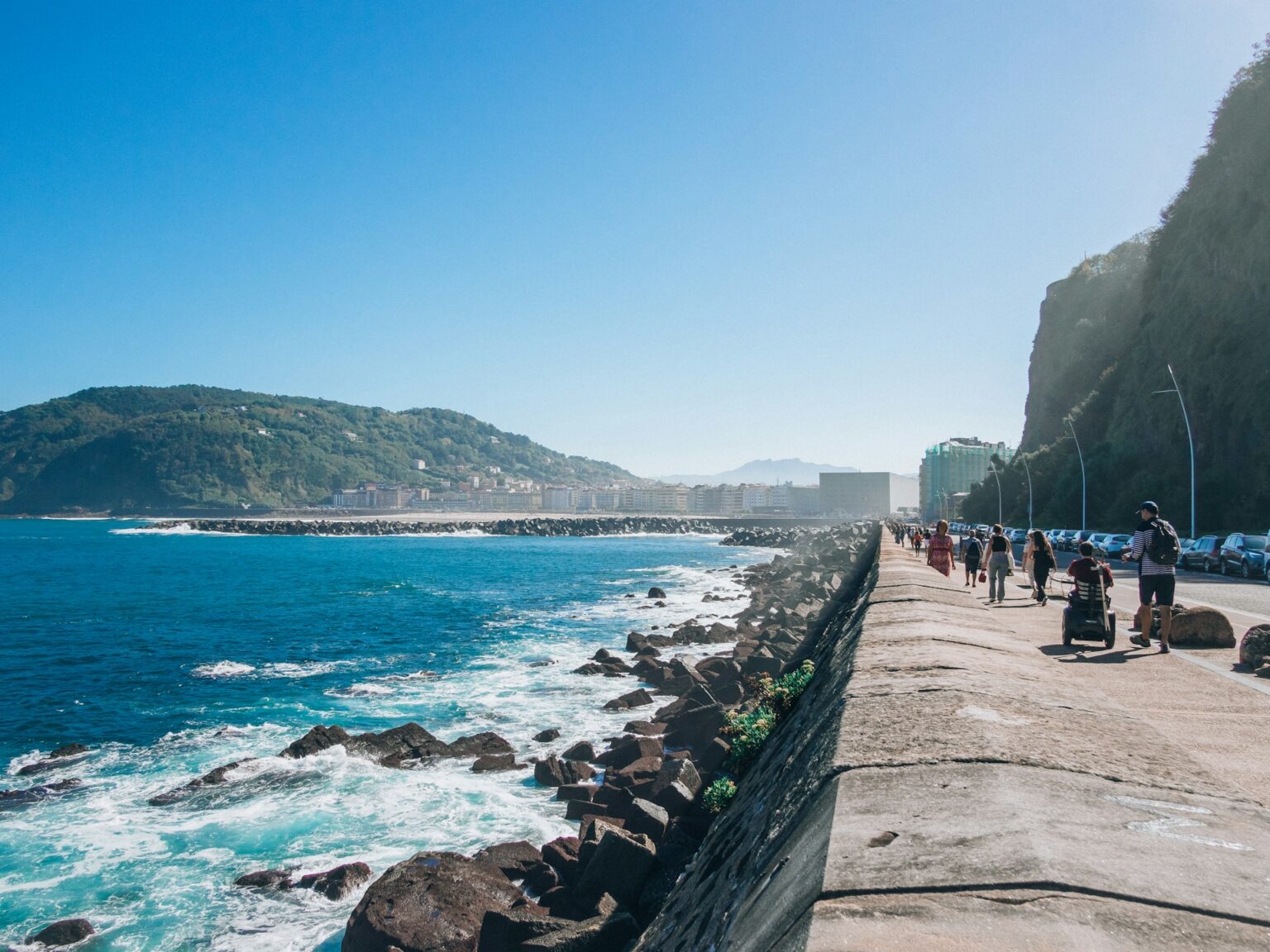

Basque country is an extraordinary hub of culture, music and cuisine – so much so that even Satan himself abandoned learning its language!
Folklore plays an important role in Basque culture. Their people believe in Jentillaks, giant-like creatures who existed alongside humans until Christianity arrived and still visit children on Christmas day. One such Jentillak named Olentzero is said to still visit children today!

History
The Basque people have a rich and long-standing tradition of fighting for their independence. Reportedly among the oldest civilizations in Europe, they maintain their identity despite hardships such as language loss. According to legend, an Olentzero figure decided to stay among humans and take up the task of bringing gifts on Christmas Eve – their version of Santa Claus!
Ancestors of modern Basques first arrived in their region around 14,000 years ago and are believed to have been farmers or hunters. Over time, these groups became isolated due to geography and cultural differences, remaining relatively untouched by subsequent migrations that altered genetic patterns across Europe.
Basque Country’s heritage gives the region its distinct character and culture today, drawing in tourists thanks to:
- Stunning beaches
- Delectable cuisine
- Vibrant culture
- Iconic architecture, including Bilbao’s Guggenheim museum
Their love for liberty and independence continues, with groups like Euskadi Ta Askatasuna (ETA; Basque Homeland and Liberty) still active today in this part of Spain.
One of the most intriguing elements of Basque culture is its language. Considered one of the more difficult languages to learn, Basque boasts several distinctive features which date back to its origins or were modified through substrate influence, such as changing Latin /f/ to /h/ through heavy bilingualism.
The Basque language is notable for its complex use of ergative constructions to indicate subjects of sentences. These constructions serve a dual purpose by indicating the subject and offering contrast for easier comprehension.
While football may not be as popular in Spain’s Basque Country as elsewhere, its famed Aviron Bayonnais FC club has produced notable footballers like Didier Deschamps and Bixente Lizarazu.
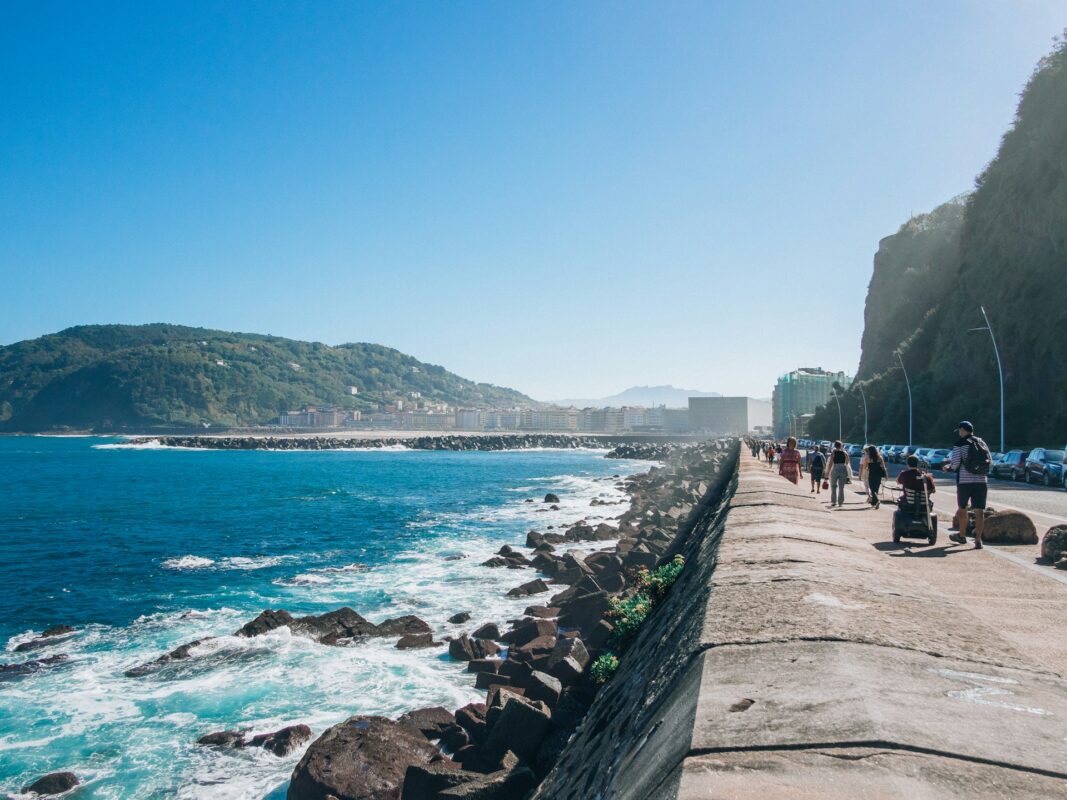
Culture
Basque people pride themselves on a strong cultural identity and tradition that dates back centuries. Basque culture is both innovative and outward-looking while having deep roots in the region’s past. Their international reputation includes hosting the exceptional Guggenheim Museum in Bilbao and flourishing industries in alternative energy production, food processing, and high-tech development. Euskara remains an integral component of regional identity, as a vibrant and revitalized language throughout Europe.
The Basque people’s distinct identity and culture have been shaped by the region’s rugged terrains, making them adept whalers, shipbuilders, mariners, explorers, and missionaries. Notably, Christopher Columbus utilized Basque expertise in his voyages. These skills also contributed to Magellan’s successful circumnavigation and Saint Ignatius of Loyola’s Jesuit missionary journey around the globe. Despite economic turmoil caused by ETA violence and heavy industry’s collapse, the Basque region continues to flourish and is one of Europe’s fastest-growing areas.
An intricate Basque culture has developed around dance, music, cuisine, and sports. Popular Basque sports include:
- Jai alai (a fast-paced game where players bounce a hard ball against walls with curved wicker instruments)
- Pelota or boules
- Txikito (where teams of two compete to hit small wooden balls across a net)
Traditional costumes are often seen during festival celebrations.
Throughout history, Basques have sought independence and self-determination from outside political influences, leading to resistance against external control and clashes with nationalist forces from Spain and France. Yet, many in the Basque region take pride in their heritage while upholding an independent spirit that manifests in their culture.
Poetry and music come together harmoniously in Basque culture through bertsolaris—poets who sing their verses to an established rhythm. Basque music itself boasts vibrant acoustic guitars and avant-garde sounds. Its golden age was in the early 20th century, with composers such as Jesus Guridi and Jose Maria Usandizaga creating notable zarzuelas and operas set in Basque territory.
Language
Basque (Euskera) is spoken by people within the Autonomous Community of the Basque Country in Spain and France. This Romance-derived dialect stands out as distinct from others throughout Europe; some scholars consider it a direct descendant from pre-Indo-European languages spoken in ancient Europe.
Linguistic Stability
- Despite being surrounded by more populous and influential languages, Basque has maintained its individual character throughout history.
- Basque can absorb words and structures from other languages without losing its identity, explaining its remarkable stability.
Historical Usage
- Historically used as an everyday language, Basque gradually gave way to Spanish, Gascon, French, and Latin for administration and education.
- Religious and political conquests during the 16th century introduced Christian terms, making written documents easier for non-Basques to understand.
Cultural Significance
- Basque culture is defined by its language, Euskara.
- Renewed Interest: Schools like Ikastolas and adult evening classes (gau-eskolas) have renewed interest in Euskara, helping reverse years of decline.
- These institutions aim to spread Euskara even in parts of the Basque Country that hadn’t used it previously.
Bertsolaris Poets
- Bertsolaris poets play a pivotal role in revitalizing the Basque language.
- Through their poetry performances, likened to rap music, they use rhymed structures and vocabulary closely related to modern Basque.
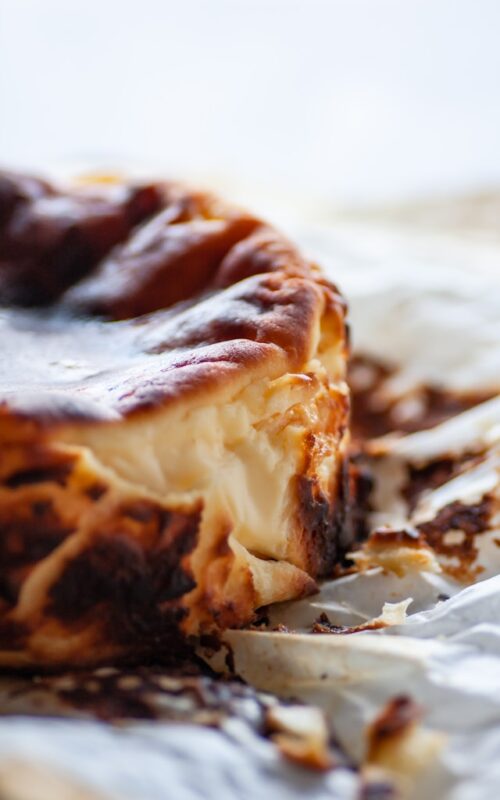
Food
Food is an integral component of Basque culture and cuisine, often described by its Basque word Txikiteo (Tasting). They take great pride in serving fresh yet hearty flavors, and many bars feature pintxos (similar to tapas) for guests to sample.
Basqueterri are designed with bread ovens on the first floor to maximize efficiency and minimize fire risks. In colder regions, some baserris may opt for an external bread oven to help minimize heat loss.
Basque people are predominantly Catholic but still maintain many traditions from their pagan ancestors, such as folk dance and music traditions.
You’ll see rituals like:
- Katcha-Ranka: An imagined person is carried to the water’s edge to be beaten to ensure an abundant harvest of fish.
Many towns also host entertaining festivals like:
- San Juan in Pamplona: Famous for the running of the bulls each year.
Basque cuisine, originating from the Basque Country in northern Spain and southwestern France, is known for its rich flavors, high-quality ingredients, and diverse culinary traditions. Here’s an overview of the essentials:
Key Ingredients and Dishes
- Seafood: Given the region’s proximity to the Bay of Biscay, fresh seafood is a staple. Dishes like bacalao a la vizcaína (salt cod with red pepper sauce) and chipirones (baby squid) are popular.
- Meat: Lamb, beef, and pork are commonly used, often prepared as asados (roasts) or grilled.
- Vegetables: Peppers, tomatoes, onions, and garlic are frequently used in Basque cooking, with dishes like pisto (similar to ratatouille) showcasing their flavors.
- Legumes: Beans, especially in dishes like alubias de Tolosa (Tolosa black beans), are a traditional component.
- Cheese: Idiazabal, a smoky sheep’s milk cheese, is a regional favorite.
Famous Dishes
- Pintxos: These small snacks, similar to tapas, are served in bars and often feature ingredients like anchovies, olives, and peppers.
- Txangurro: A spider crab dish typically baked with onions, tomatoes, and brandy.
- Marmitako: A hearty tuna and potato stew.
Cooking Techniques
- Grilling: Especially popular for seafood and meats, often done over an open flame.
- Slow Cooking: Many traditional dishes, like stews and beans, are cooked slowly to enhance flavors.
Dining Culture
- Pintxos Bars: Social dining is a key aspect, with people moving from bar to bar sampling different pintxos.
- Sidrerías: Cider houses where cider is poured from barrels and meals often include grilled meats and fish.
- Markets: Local markets are essential for sourcing fresh, high-quality ingredients.
Beverages
- Txakoli: A slightly sparkling, acidic white wine that pairs well with seafood.
- Cider: Basque cider is less sweet than typical ciders, with a more natural, apple-forward flavor.
- Red Wines: Especially from the Rioja Alavesa region, known for its robust flavors.
Understanding Basque cuisine involves appreciating its focus on fresh, local ingredients and traditional cooking methods, which together create a distinctive and rich culinary experience.