


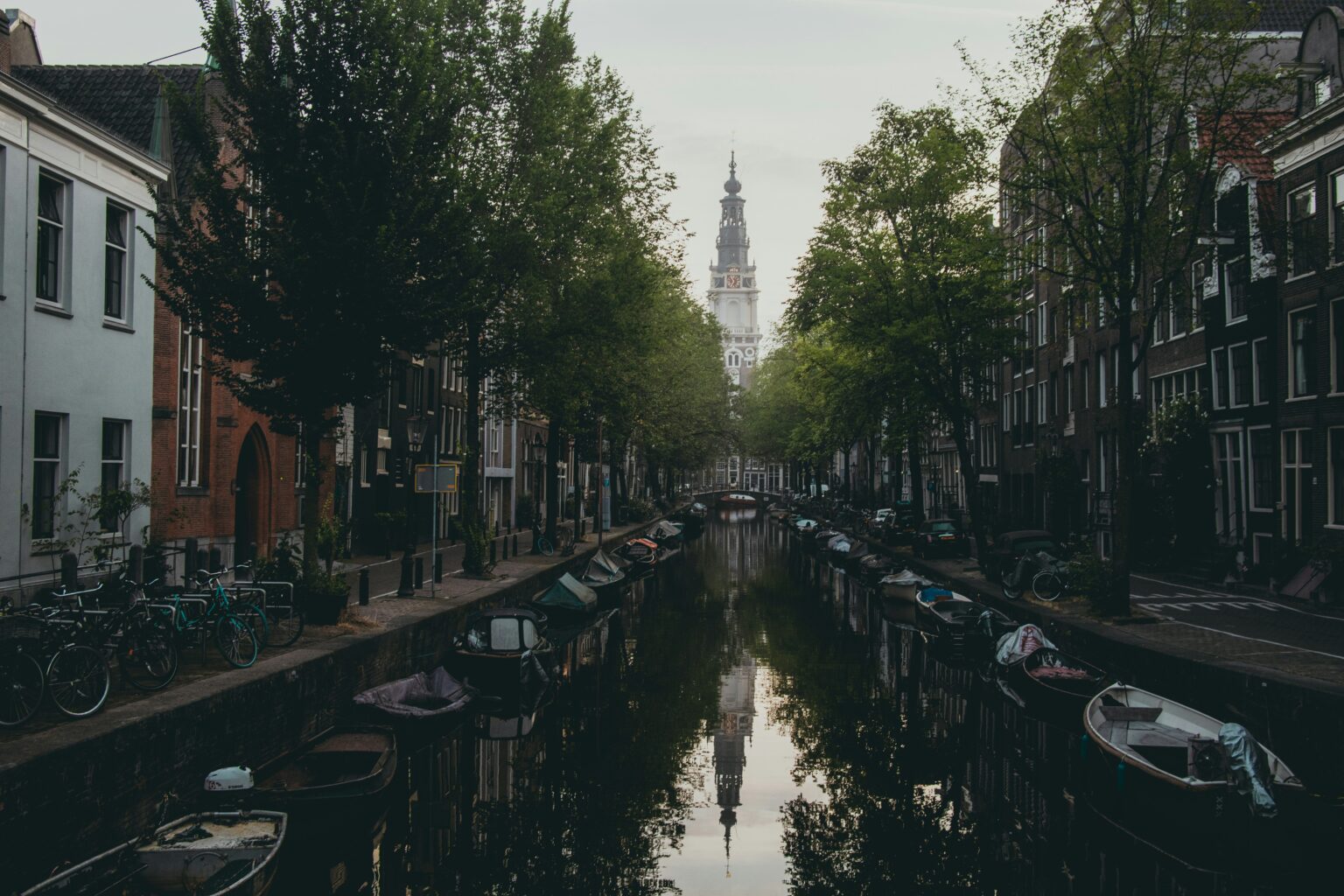

Booming economies in the late 19th and early 20th centuries gave way to significant physical expansions. New worker neighbourhoods sprouted beyond the canal ring, such as Johannes Duiker’s Apollolaan and P. Zanstra’s steel-framed, unplastered brick ateliers (Zomerdijkstraat 1934).
The Red Light District
The Red Light District, commonly referred to in Dutch as De Wallen, is an iconic tourist attraction with centuries of history. Situated at the core of Amsterdam, De Wallen represents changing attitudes about sexual work throughout time while providing insight into broader societal changes across the Netherlands. De Wallen can be an intriguing place to visit; before visiting it is important to understand its deep-seated history.
Originating in Amsterdam’s Red Light District during the 19th century when brothel owners used red gas lights in their windows to indicate that they were open for business and easy for prospective clients to locate them amongst Amsterdam’s busy streets, it soon became known by this moniker: Red Light District. This term would come to become widely associated with its environs over time.
Prostitution is legal in the Netherlands, with sex workers free to set their prices and set their own fees. Although some find the practice unsavory or stigmatising, prostitution remains an integral part of Amsterdam’s economy with over 900 working sex workers making money off this industry alone.
There are a variety of establishments offering adult entertainment beyond window brothels, including sex theatres, clubs and peep shows that specialize in sexual entertainment. Most can be identified by pink elephant or red figure signs – Casa Rosso being the oldest live sex show available while Moulin Rouge and Banana Bar offer more intimate experiences.
While many tourists visit the Red Light District for its sexual entertainment, there’s more to discover in this historic district. Visitors will discover cafes, restaurants and traditional houses here; Old Church (Oude Kerk) is a medieval church which now hosts cultural events; plus it’s an ideal spot for shopping with its many vintage and designer boutiques.
Visit the Red Light District for an unforgettable experience, whether you’re seeking romance or simply taking in its sights – either way it is well worth your while. Just make sure that you stay alert of your surroundings and be wary of pickpockets as crowded streets can become dangerously congested at nighttime.
De Wallen
De Wallen offers the true Dutch experience: narrow houses and period architecture of all periods are interspersed among it; it also features some of Amsterdam’s most iconic squares and canals, not to mention some of its oldest district squares and canals. Although sometimes misinterpreted as Amsterdam’s vice capital, De Wallen is actually its oldest district – named for when it served as a walled citadel – its name meaning “The Walls”. Traders and sailors also frequented De Wallen during 14th and 15th century to drink beer or visit prostitutes who called De “The Red Light District”.
Amsterdam stands out among other cities with red-light districts in that its red-light district is legal and regulated, helping reduce illegal brothels while offering fair treatment of its sex workers, with safeguards such as being allowed to turn down clients if desired, an agreed-upon wage agreement, and an accounting of how much tax is withheld from earnings. Furthermore, Amsterdam’s museum demystifies prostitution and provides visitors with more balanced views than what popular stereotypes might imply.
The museum comprises two small rooms which serve as representations of how prostitutes’ rooms might appear in the district – one basic and one more upscale – in both cases stuffed animals and items left by clients are included to emphasize that prostitutes are people too. Furthermore, an exhibit details the history of the neighborhood in relation to prostitution can also be found within.
De Wallen is easily reachable on foot from Amsterdam Centraal Station by following Damrak southbound, passing under Damrak bridge and heading south on Damrak until reaching De Wallen (Red Light District) along its route. Once in De Wallen you’ll soon encounter brothels’ windows; best time of visit would be between 7 PM to 9 PM when most windows will be open while its streets still look normal and remain quiet; for those wishing to avoid crowds daytime is also fine!
Museumplein
Museumplein (Museumplein) lies to the south of Leidseplein and houses three renowned museums – Rijksmuseum, Van Gogh Museum and Concertgebouw – as well as numerous special exhibitions throughout the year – one being Van Gogh in Auvers, which displays paintings created during his final months living in Auvers, France.
The area is vibrant with many restaurants, cafes and bars to keep visitors occupied during their time in Amsterdam. Concerts and demonstrations take place regularly here; while in winter months the pond in front of Rijksmuseum transforms into an artificial skating rink for skating enthusiasts to use.
Museumplein is an important transport hub and boasts numerous tram stops. You can easily access it from anywhere in Amsterdam by train, bus, metro or renting a car – just remember the traffic rules when planning your journey and stay alert for potential obstacles along your route!
As for shopping options in the vicinity, Nieuwe Spiegelstraat has long been known for its art galleries since the end of the 19th century, while PC Hooftstraat hosts exclusive designer stores like Chanel, Louis Vuitton and DKNY.
If you are staying near Museumplein there are a number of excellent hotels. Most are mid-range options but budget-minded guests may also find affordable or luxury options like InterContinental Amsterdam which offer excellent value for money.
Walking to Museumplein from central Amsterdam takes approximately 15 minutes; alternatively there are buses (number 5 and 2) which stop on Museumplein as well. Train travel may also be quicker: trains departing Amsterdam Central Station arrive at Museumplein within 10 minutes, and it is also just 10 minutes walk from Vijzelgracht Station – Rome2Rio offers comprehensive travel information and booking solutions to reach this landmark destination.
Dam Square
Dam Square stands in the historic centre of Amsterdam and boasts impressive buildings and bustling street life, providing an idyllic spot to watch life go by during the day. Perfect for people-watching, this square also makes an excellent starting point to discover some of its main highlights – including Royal Palace (Koninklijke Paleis), Madame Tussauds Wax Museum and New Church (Nieuwe Kerk).
The National Monument, a 22-meter white obelisk built in 1956 to remember those lost during World War II, towers over the square. On its back can be found urns filled with soil from all Dutch provinces as well as locations where resistance fighters were executed or killed during this conflict. On National Memorial Day ceremonies on 4 May visitors leave flowers at its base.
In the 16th and 17th centuries, this square served as the hub of trade and politics; later it became an arena for commemoration – it is where the Dutch flag was raised after liberation from Nazi occupation in 1945.
Today, the square continues to play an integral role in Dutch culture and remains one of the capital’s most visited tourist spots for both locals and visitors. A bustling shopping area, cafes and restaurants line this vibrant space; and De Bijenkorf department store has been operating out of this location since 1914 with its lavish style.
Dam Square, situated in the heart of Amsterdam Central Station and five-minutes’ walk away, serves as the gateway to its most well-known canals and is an excellent spot to spend an enjoyable day strolling or simply sitting back and taking in its magnificent rooftops and canal views.
Royal Palace Square’s most important monument is the beautiful Neoclassical Royal Palace building, once serving as town hall until converted to become the King’s Residence in 1655. Now home of the Dutch monarchy and often used for official acts. Other must-sees in the square include New Church and Beurs van Berlage as well as numerous shops selling high-end clothing, furniture and accessories.
Trip-ready gear from Amazon
As an Amazon Associate, grandgo.com earns from qualifying purchases. Links below are affiliate links — clicking them may earn us a small commission at no extra cost to you. Prices and availability are shown on Amazon.co.uk.
- Anker portable charger 20000mAh — All-day phone battery.
- Universal travel adapter — 150+ countries covered.
- Reef-safe sunscreen SPF 50 — Beach + outdoor.