


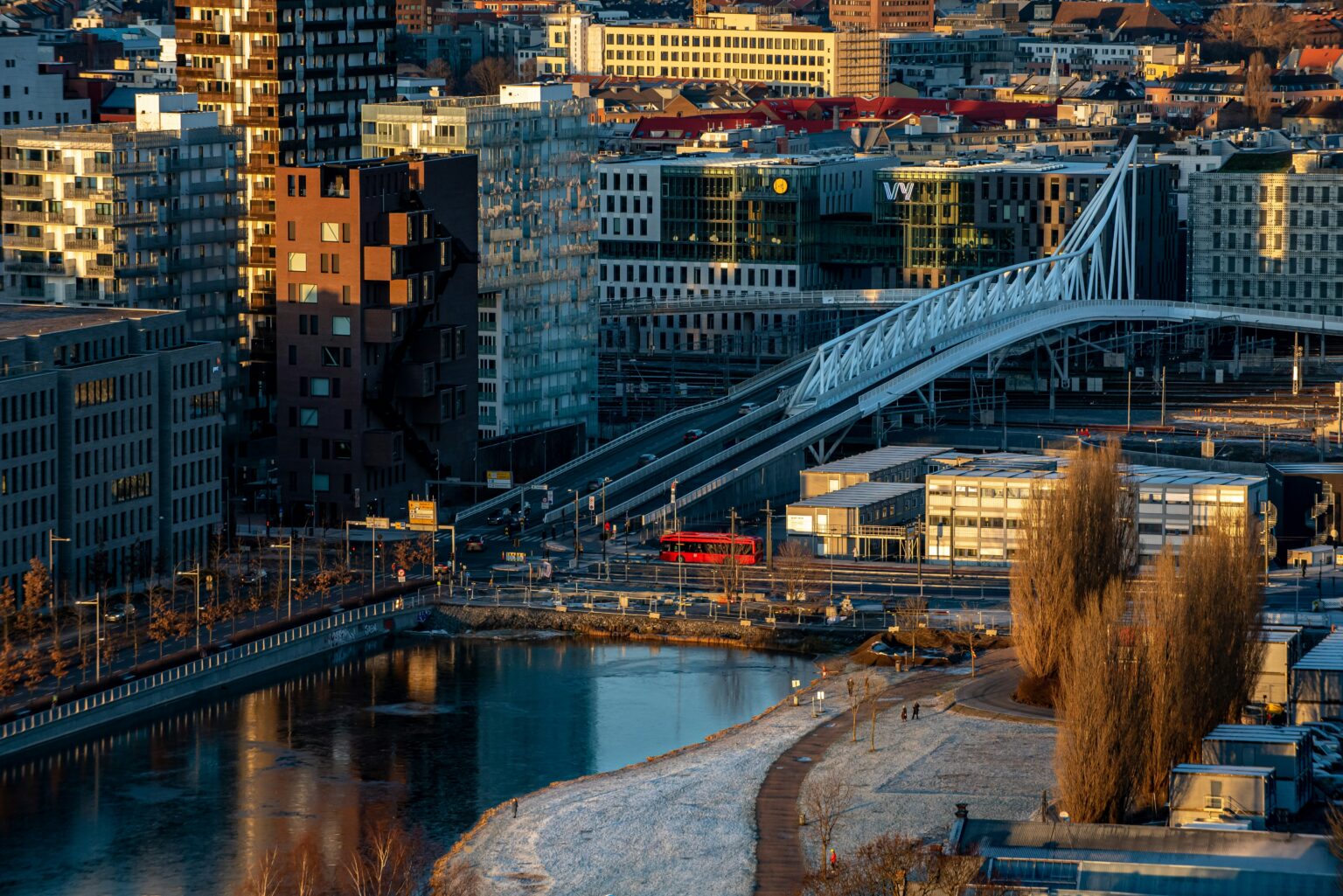

Oslo’s culture is deeply rooted in nature and history, which can be seen through its outdoor activities. Residents enjoy scenic hikes and spending time in parks while visitors must respect personal space as Norwegians value privacy; remembering to say thank you can go a long way when meeting strangers!
Downtown, the Munch Museum offers one of Edvard Munch’s most extensive art collections while Holmenkollen Ski Jump provides stunning views and features an on-site ski simulator.
UNESCO World Heritage Sites
There are over 1,000 UNESCO World Heritage Sites worldwide, from iconic human-made structures such as The Great Wall of China and Sydney Opera House to national parks and historic settlements. Being listed ensures a site receives special protection now and in future generations; Norway boasts eight such UNESCO sites–5 cultural and 3 natural–which showcase its wide-ranging historical, social, and environmental values.
One of the first Norwegian sites to join this effort was Bryggen in Bergen, an iconic series of Hanseatic commercial buildings dating back to the 1500s that line the eastern side of Vagen Harbour and serve as an important reminder for visitors to preserve historic and cultural architecture for future generations. This must-visit destination serves both as an attraction in itself as well as a reminder of its value to society at large.
Urnes Stave Church was included on UNESCO’s World Heritage List as one of its cultural sites in 1979 and stands as an excellent example of traditional building techniques used in Norway; all original elements remain present within its walls.
The Rjukan-Notodden Industrial Complex is a testament to the Industrial Revolution and was included on UNESCO’s World Heritage List in 2015. This complex includes company towns that illustrate life during this era as well as hydro-electric power plants, transport systems and factories.
Geirangerfjord and Naeroyfjord in Norway both made the list, earning this coveted recognition thanks to their breathtaking natural beauty. Boasting steep walls jutting into the sea framed by snowcapped mountains, kayaking around these fjords reveals hidden waterfalls, lakes, glaciers, and much more!
The Vega Archipelago is recognized as an important cultural site due to its generations-old harvesting practices for eider down, which have been passed on from generation to generation. This cultural treasure holds global significance while simultaneously showing how Norwegians live harmoniously with nature.
Museums
Oslo’s museum scene is enjoying unprecedented investment over recent years, putting its museums on the world map and offering art lovers world-class galleries such as the Munch Museum (which houses all of his work) or its counterpart, National Museum, which will open their doors to the public by 2022.
Oslo boasts several architectural icons, from an opera house that can be scaled for breathtaking views to city hall with Art-Deco details hidden inside, all the way to new museums that draw in visitors from around the world.
The Norwegian Museum of Science and Technology serves as Norway’s national museum of industry, science, technology, medicine and medicine – providing visitors with a comprehensive look into Norway’s rich industrial past. Situated in Majorstuen area near Oslo it features exhibits spanning more than one century of Norway’s history with regards to energy production, agriculture production and industry production.
Oscarshall Palace on Bygdoy is an exquisite summer palace built for King Oscar I in neo-Gothic style in 1852 and serves as one of the premier examples of historic architecture in Oslo, providing a wonderful blend of natural beauty and cultural history. Additionally, its museum holds an interesting collection of costumes and models as well as artwork and other historical artifacts worth seeing.
Munch Museum in Oslo is one of the must-see museums, housing an extensive collection of Edvard Munch’s paintings and drawings such as his iconic Scream and Madonna works. Recently expanded with a Fairy Tale Room filled with art depicting princesses and other mythical beings.
The National Gallery in Oslo is a premier museum of modern art and features an expansive selection of art from multiple periods and periods of Norwegian painting from Renaissance through contemporary times. Additionally, temporary exhibitions add even further interest.
Nightlife
Oslo is a vibrant city that offers all forms of entertainment. From theaters and beach bars to pubs and nightlife spots, Oslo provides something for everyone in terms of nightlife entertainment. Oslo’s jazzy live music performances can help relax after an exhausting day at work while you can also share drinks while dancing on its dance floors – not to mention many bars and clubs with traditional atmospheres ideal for drinking and partying!
Olympen is Oslo’s iconic bar, renovated only a few years ago but quickly becoming a local meeting spot ever since. Known as an icon among locals for its historic paintings on its walls that transport visitors back to when Oslo was an international fishing hub. Even after renovation, however, Olympen still retains much of its traditional charm, offering a variety of beers perfect for enjoying with friends or family alike.
Oslo boasts an extensive variety of bars and clubs, as well as dance bars that are open from Thursday to Saturday. Some require you to pay admission; others can be entered freely; some feature DJs who create lively crowds; the more well-known establishments include Gamla, Cafe Amsterdam, Horgan’s Kulturhuset Youngs as well as cozy venues such as Cafe Sara Uhort.
Lawo, Elsker and KJ10 are among the city’s more well-known clubs; KJ10 features an expansive dance floor and offers an eclectic variety of music. Other establishments in the city may specialize in chart music while others specialize in techno.
Considerations when planning a night out should include keeping in mind that alcohol prices in major cities can be very costly – for instance a pint (0.5l) at the center of town may cost 80kr or more! Therefore, Norwegians tend to drink cheaper alcohol at home or their apartment prior to going out.
Oslo boasts more than its fair share of bars and clubs; you’ll also find restaurants and taverns where you can dine and have drinks, with many locations across the city offering various cuisines. For something a bit fancier, head to Royal Palace where performances from opera or ballet take place regularly.
Food
Though Oslo has welcomed modernization in many ways, local cuisine still retains a distinct Norwegian character. Popular Norwegian classics like polse i lompe (grilled sausage wrapped in potato-based flatbread) and kjottkaker or meatballs can be found at one of Oslo’s oldest restaurants: Kaffistova has been serving these staples since 1901! Seafood dishes like fresh oysters are also plentiful across menus as are classic salmon burgers.
Norwegians are well known for their commitment to sustainable lifestyles and eco-friendliness, which extends into their cuisine. Many dishes feature ingredients sourced locally like lamb and pork from Oslo region as well as blueberries and lingonberries from northern regions like lingonberry sauce or even other sides like mashed potatoes. Reindeer meat is another local delicacy with lean texture but full flavor – enjoy sampling this dish served alongside lingonberry sauce or sides such as mashed potatoes!
Oslo boasts an exciting dining scene, boasting numerous innovative eateries that provide both healthy and delectable fare. Additionally, this city features numerous coffee bars, breweries, and wine cellars where visitors can sip wine while taking in stunning harbor views at sunset.
Smalhans has become one of Oslo’s beloved neighbourhood eateries since 2012, serving shared plates along with natural wine and an impressive beer selection. The name, meaning “frugal living”, symbolizes their commitment to extracting value from overlooked ingredients while procuring from quality suppliers; their dedication to innovation and sustainable sourcing earned them a Michelin Bib G rating.
Oslo Fjord and vast stretches of nature are an integral part of Norwegian culture, offering stunning sights to be enjoyed on foot. One such route is Karl Johans gate walk which begins near Oslo Sentralstasjon, offering great street views as you stroll past cafes and restaurants.
Norway offers many quick dining options, and Oslo’s diverse restaurant scene has something for every budget. For fine dining enthusiasts looking for Michelin star dining experiences, Maaemo, Galt, Statholdergaarden Kontrast or Hot Shop restaurants should be top of their list of choices.