


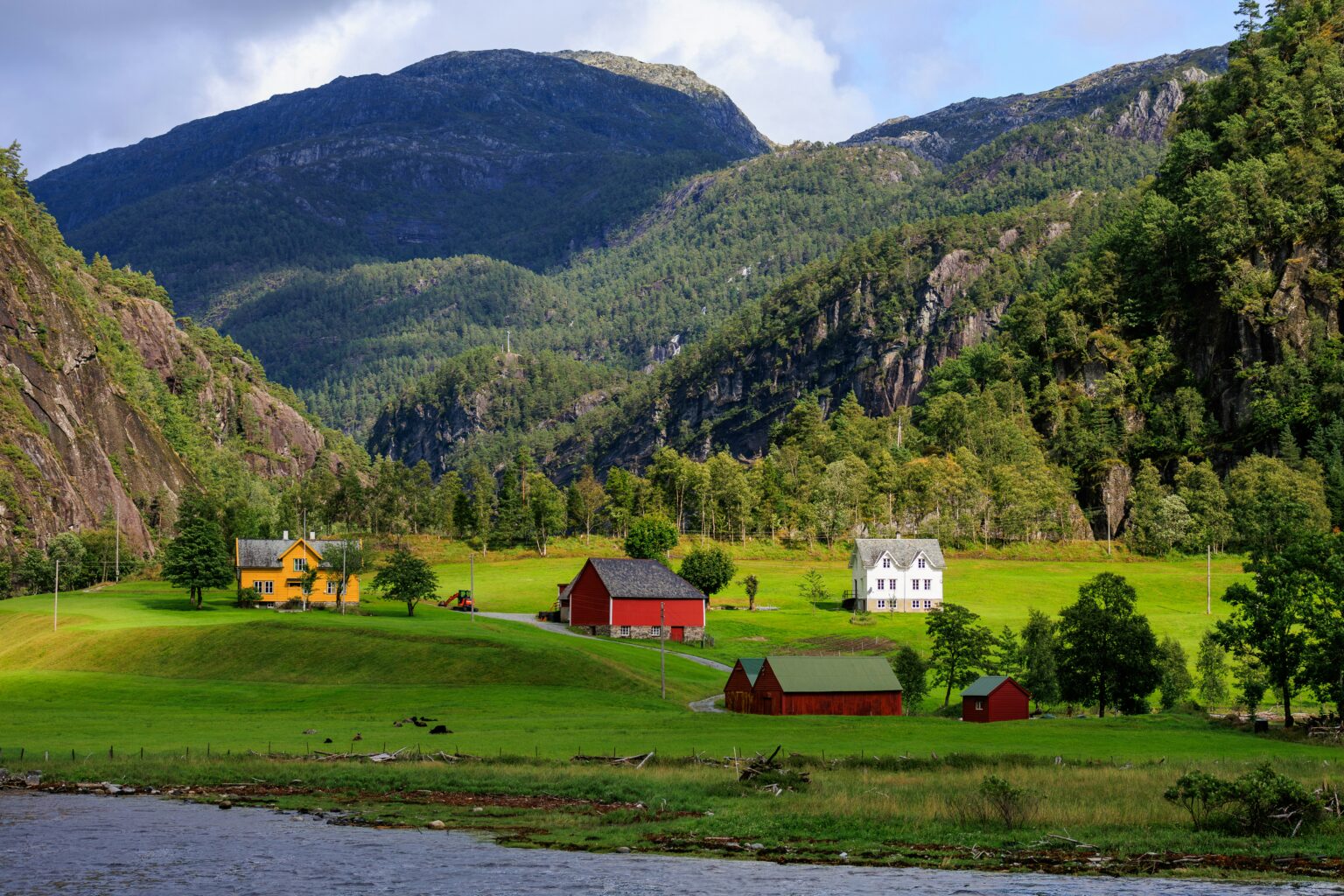

Scandinavian and Nordic are often used interchangeably. Sometimes it can be confusing as to the difference between them when discussing countries like Norway, Denmark and Sweden (along with Finland and Iceland).
Scandinavia typically refers to three kingdoms that share common historical, cultural, and linguistic Germanic heritage as well as a stunning natural landscape with incredible natural wonders.
Geopolitical
The Nordic model offers equality and social mobility, top-tier education and health care, and an effective balance of public welfare with entrepreneurialism that has resulted in some of the world’s highest productivity per capita. But it can also breed insecurity; many fear its vulnerability to aging populations, rising immigration or individualism of modern capitalism will gradually erode Scandinavian traditions; others worry that violence in some urban areas of Scandinavia might threaten its success.
Scandinavia’s small states have generally turned to international engagement for solutions, rather than trying to force other nations into adopting their policies; rather, they act as intermediaries between great powers and emerging middle powers – an approach criticized by historian Peter Berger of modern Scandinavia as neglecting local, regional and international institutions’ role in Scandinavia’s development as a small power.
However, the revival of Scandinavia as a bridge between Europe and Asia coincided with a wave of literary and academic internationalisation that started at the end of the 19th century with shifting geopolitical conditions that increasingly favor small states (Neumann & Gstohl 2004; see Knudsen 2014). Georg Brandes was among a group of leading public intellectuals that promoted this new narrative of Scandinavian culture.
By emphasizing the international circulation of literature and their shared belief that novelty emerges through intercultural encounters, they aimed to change how locals relate to national, regional and global concerns. Cultural internationalism or local cosmopolitanism was thus achieved, distinct from Ibsen’s unrestrained, provocative internationalism and bridge-building activities of late nineteenth-century Ibsen that some scholars have linked with Scandinavian political and economic integration into international organisations and official peace networks (Fulsas and Rem 2017). Scandinavia’s aim was to safeguard its place as an intermediary between global and regional issues in post-imperial world, even if this meant making concessions against values held dear by other major powers (Fulsas and Rem 2017).
Cultural
Scandinavia is defined by many factors that shape its cultural landscape, from common language usage (Danish, Norwegian and Swedish) to heritage from Viking Age resonating in regional traditions. Furthermore, Nordic nations are widely recognized for their progressive approaches towards social welfare and environmental sustainability that have inspired global discussion and policymaking processes.
Scandinavia’s distinct aesthetic and artistic traditions also contribute to its distinct character. One such tradition is Danish hygge; an ideal response to long winter nights that enables communities to come together while celebrating nature and enjoying cozy conviviality together. Meanwhile, midsummer days bring festive festivals and celebrations.
Scandinavian workers tend to be highly collaborative in the workplace and many are eager to take on leadership roles, thanks to a cultural tradition which emphasizes consensus-seeking and compromise. But that does not mean people in Scandinavia are less goal-oriented; one characteristic of Scandinavian cultures is that decisions tend to take matters in one direction but may not always be finalised immediately.
These values and attitudes contribute to an elevated sense of freedom in Nordic countries, yet this sense of autonomy may lead to psychological pressures or recognition needs – evidenced in some Nordic companies prioritizing transparency and employee recognition programs.
Scandinavian countries not only promote a balanced work-life approach, but they are also leaders in environmental protection and sustainable development. Scandinavia is among the leading nations when it comes to green technology such as organic farming and recycling – they also excel when it comes to social security, public health and education services.
The Nordic model is attractive for international businesses due to its high level of prosperity and stability, low corruption rate, and high levels of trust between people in Nordic nations and others. Yet despite these advantages there remain several challenges Nordics must overcome to remain competitive in global economy.
Design
Scandinavian design has earned itself global renown, from iconic furniture pieces to minimalist home decor. Spanning across Denmark, Finland, Iceland, Norway and Sweden’s five countries of Scandinavian design; each one’s distinct style incorporates natural materials and craftsmanship while adhering to an approachable, functional lifestyle.
The Nordic design movement first emerged outside its native region in 1951 at Heal’s department store in London. The term was initially meant to encompass an eclectic mixture of Scandinavian influences and tastes; however, over time it has come to symbolize “humanistic functionalism”, an approach which emphasizes harmonious interactions between humans and their environments.
Ikea, Norm Architects, and Augustav all carry forward this legacy of sustainable living through brands like them; products made to last through generations are also included to support an uncomplicated lifestyle without excessive consumerism – benefits both consumers and planet alike!
Although many principles of Scandi design are well-established, some aspects have come under scrutiny or misinterpretation. The myth that Nordic style favors organic shapes, natural materials and handicraft is frequently disproved by the fact that some Scandinavian designers’ works were produced in American factories – for instance Baker furniture company produced chairs designed by Dane Finn Juhl that advertised themselves as Scandinavian. Thus revealing how much of its purported refinement is actually cultural construction.
In the 1990s, austerity and sustainability brought new focus to Scandinavian design, reinvigorating its popularity. Alongside established brands like Estrid Ericson’s Svenskt Tenn established in 1924, many contemporary designers such as Jasper Morrison created his popular Egg Chair and Verner Panton made bold red Panton Chairs as part of this movement. Since then there has been an increased emphasis on accessibility design of buildings and furnishings – an idea propelled forward by Danish companies such as Mobel which designed wheelchair-accessible Elephant House at Copenhagen Zoo.
History
Scandinavia, or Northern Europe, refers to the region consisting of Denmark, Norway, Finland and Sweden in Europe’s Northern Hemisphere. Additionally, this term may also refer to Iceland, Faroe Islands and Greenland – with Scandinavia being derived from Norse word “sknna”, meaning “snowy.” Scandinavian is used by people all across Scandinavia to refer to themselves and their people; its use dates back centuries.
From the 11th century on, Scandinavia was united under increasingly powerful monarchies. Courts of minor kings and earls gave way to formal hereditary nobility and modern parliamentary legislature known as Riksdag; with this change came increased stratification between classes.
The Vikings, seafaring people from Scandinavian Kingdoms Norway, Sweden and Denmark, explored widely across the planet establishing trading ports as far-flung as Ireland England Russia. They raided, traded, challenged conquered and settled in many lands; popular movies and novels often portray their lives idealistically while archeological research proves otherwise.
At the same time as elsewhere in Europe, Scandinavia experienced its own Age of Enlightenment during the 18th century. Although reason was the focus of most discussions during this time period, religious revival also played an important role as a counterbalance to rationalist ideas. Though revolution was popularly associated with France at this time period, its impact did not reach as deeply into Scandinavia where individual liberty and national identity weren’t as developed.
After the American Civil War, Scandinavian immigrants flooded into America en masse; most settled in rural regions of the Midwest and Great Plains. There they formed societies, churches, schools and businesses based on their ethnic background. They established the first Scandinavian-language publications, many church-sponsored and affiliated with Lutheran synods. Novels by Norwegian immigrant Ole Rolvaag became bestsellers and helped establish Scandinavian literature within American literary culture. The American Scandinavian Society was established in 1908 to advance the interests of Danish, Finnish, Norwegian and Swedish immigrants living in America. Their organization publishes Scandinavian Economic History Review as an academic journal covering all areas of economic and business history with particular attention paid to Nordic nations.
Trip-ready gear from Amazon
As an Amazon Associate, grandgo.com earns from qualifying purchases. Links below are affiliate links — clicking them may earn us a small commission at no extra cost to you. Prices and availability are shown on Amazon.co.uk.
- Insulated water bottle Hydroflask — Keeps liquids ambient.
- Lonely Planet Scandinavia guide — Multi-country Nordic guide.
- Warm winter gloves travel — Aurora watching essential.