


Introduction to Norwegian Alcohol Laws: Navigating Legal Drinking Ages
Norway, like many other countries, has a set of laws governing the consumption of alcohol. These laws establish the legal drinking age and provide guidelines on how alcohol should be sold and served. Navigating through these regulations can be a bit confusing for both residents and visitors. It is crucial to understand the nuances of Norwegian alcohol laws to ensure compliance and avoid legal consequences.
In Norway, the legal drinking age differs depending on the type of alcoholic beverage.
The legal age for purchasing and consuming beer and wine is 18 years old, while stronger spirits, such as vodka or whiskey, require individuals to be at least 20 years old.
These regulations are in place to prevent underage drinking and maintain public safety. It is essential to be aware of these distinctions to make informed choices when enjoying alcoholic beverages in Norway.

Historical Perspective: The Evolution of Alcohol Regulations in Norway
Norway’s alcohol regulations have undergone significant changes throughout history. The roots of these regulations can be traced back to the early 20th century when concerns about public health and social order began to shape the government’s approach. The first steps towards regulation came in 1916, when a government monopoly on wine and spirits was established. This marked the beginning of a controlled and tightly regulated alcohol industry in Norway.
In the following decades, the government continued to tighten its grip on the alcohol trade, introducing stricter laws and regulations. The 1927 Liquor Act expanded the monopoly to include the production and sale of beer, further consolidating the state’s control over the industry. Throughout the 20th century, alcohol policies in Norway were characterized by a cautious and conservative approach, with an emphasis on limiting access and minimizing the potential harms associated with excessive drinking. While these measures were implemented with the best intentions, they also sparked debates around personal freedom and individual responsibility.
Legal Drinking Age: Distinctions Between Beer, Wine, and Spirits
In Norway, the legal drinking age is 18 for beer and wine, while it is 20 for spirits. This distinction between different types of alcoholic beverages is based on the alcohol content. Beer and wine, which generally have lower alcohol content, are considered less harmful and therefore the legal drinking age is lower for these beverages. On the other hand, spirits have higher alcohol content and are deemed to pose a greater risk, hence the higher legal drinking age requirement.
This differentiation in the legal drinking age reflects Norway’s approach to promoting responsible alcohol consumption and safeguarding public health. By setting different age limits for beer, wine, and spirits, the authorities aim to ensure that individuals have the necessary maturity and judgment to consume higher-strength alcoholic beverages. It also serves as a means to discourage younger individuals from engaging in excessive drinking and to protect them from the potential risks associated with consuming spirits at an early age.
Cultural Attitudes Toward Drinking: How Norwegians View Alcohol Consumption
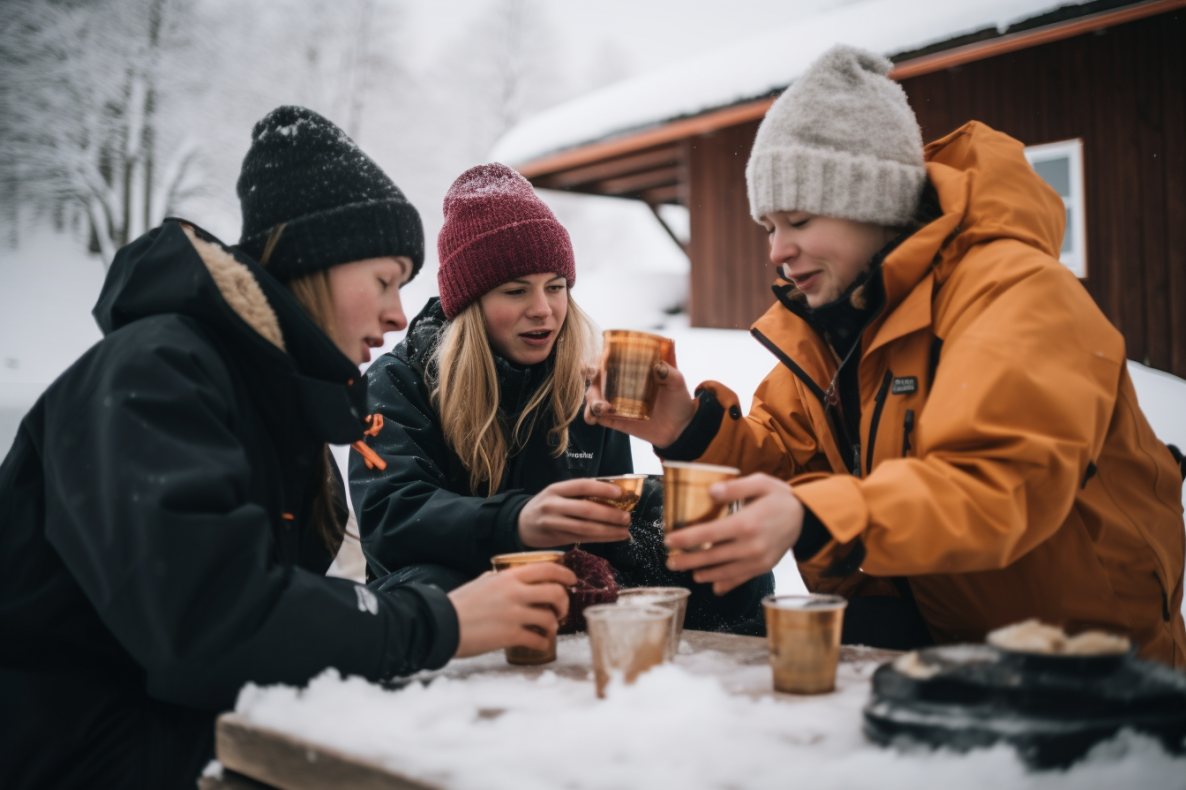
Norway has a unique cultural attitude towards alcohol consumption, shaped by centuries of tradition and evolving societal norms. While drinking is socially accepted, moderation and responsible consumption are strongly emphasized. Norwegian cultural values prioritize a healthy lifestyle, and excessive drinking is generally frowned upon.
Family and community play an essential role in shaping attitudes towards alcohol in Norway. Drinking is often viewed as a social activity, with gatherings featuring a variety of beverages. However, binge drinking and public intoxication are not tolerated, as they are seen as disrespectful and disruptive behaviors. Consequently, Norwegians tend to engage in moderate drinking, savoring the taste and enjoying the company of others, rather than seeking intoxication.
Impact on Tourism: What Travelers Need to Know About Drinking in Norway
Norway’s strict alcohol laws have a significant impact on tourism. Travelers should be aware that the legal drinking age in Norway is 18 years old for the consumption of beer and wine, while the legal drinking age for spirits is 20. It is essential to note this distinction as visitors may inadvertently find themselves in violation of the law if they are not aware of the specific regulations.
Furthermore, cultural attitudes toward drinking in Norway also affect tourism. Norwegians typically have a responsible and moderate approach to alcohol consumption. Excessive drinking is generally frowned upon, and public intoxication is not tolerated. Visitors should be mindful of this cultural perspective and drink responsibly while in Norway to ensure a positive experience. Moreover, it is advisable to familiarize oneself with local customs and guidelines regarding alcohol consumption to avoid any potential misunderstandings or negative encounters during their visit.
Enforcement and Legal Consequences: Understanding the Role of Law Enforcement
Enforcement and Legal Consequences: Understanding the Role of Law Enforcement
The role of law enforcement in enforcing alcohol laws in Norway is crucial in maintaining public safety and ensuring compliance with the regulations. The police play a significant role in monitoring establishments that serve alcohol and ensuring that they adhere to the guidelines set forth by the government. Their responsibilities range from conducting routine inspections to investigate potential illegal activities related to alcohol, such as serving underage individuals or operating without a proper license.
In cases of non-compliance, law enforcement officers can take a range of actions, depending on the severity of the offense. For minor violations, establishments may receive warnings or fines, whereas more serious infractions can lead to the suspension or revocation of their alcohol license. Additionally, individuals found driving under the influence can face legal consequences, including fines, imprisonment, or the suspension of their driver’s license. Law enforcement’s role in enforcing alcohol laws acts as a deterrent to potential offenders, promoting a safer drinking environment and protecting the well-being of both Norwegian residents and visitors.
Public Health Perspective: Alcohol Consumption and Health Implications in Norway
Public Health Perspective: Alcohol Consumption and Health Implications in Norway
Alcohol consumption plays a significant role in public health in Norway. Government agencies and health organizations consistently strive to inform the public about the potential health implications associated with excessive alcohol consumption. Studies have shown a direct correlation between heavy drinking and various physical health issues, including liver disease, cardiovascular problems, and an increased risk of certain types of cancer. Additionally, alcohol abuse has been linked to mental health disorders such as depression and anxiety.
To address these concerns, Norway has implemented a range of measures to promote responsible drinking and minimize harm. Public health campaigns and educational programs emphasize the importance of moderation and understanding one’s limits when it comes to alcohol consumption. Government-funded initiatives also focus on raising awareness about the harms of excessive drinking, encouraging individuals to make informed choices in their alcohol intake. To further support public health efforts, the government works closely with healthcare professionals and community organizations to provide counseling and treatment services for individuals struggling with alcohol addiction.
Comparison with Other Countries: How Norway’s Drinking Age Stands Globally
Norway’s drinking age policies have often been a topic of discussion and comparison with other countries around the world. While some countries have a single legal drinking age for all types of alcoholic beverages, Norway distinguishes between beer, wine, and spirits. It sets the drinking age at 18 for beer and wine, but requires individuals to be 20 years old to legally purchase and consume spirits. This differentiation reflects the country’s emphasis on responsible alcohol consumption and aligns with the generally accepted notion that harder alcoholic beverages warrant a higher legal age.
In comparison to many European countries, Norway’s drinking age may seem relatively high. For instance, neighboring Sweden and Denmark allow individuals to purchase and consume all types of alcohol, including spirits, at the age of 18. However, it is important to consider that cultural attitudes toward alcohol and public health perspectives vary across nations. Norway’s drinking age stands as an example of proactive legislation aimed at mitigating the potential risks associated with alcohol consumption, particularly among younger individuals. While it may differ from global norms, understanding and respecting Norway’s laws regarding drinking age is key for both residents and visitors alike.
FAQs
What is the legal drinking age in Norway?
The legal drinking age in Norway is 18 for beer and wine, and 20 for spirits.
How have alcohol regulations in Norway evolved over time?
Alcohol regulations in Norway have become stricter over time, with a focus on reducing alcohol-related harm and promoting responsible consumption.
Are there different drinking age limits for beer, wine, and spirits in Norway?
Yes, there are different drinking age limits. The legal drinking age for beer and wine is 18, while it is 20 for spirits.
How do Norwegians view alcohol consumption?
Norwegians generally have a responsible and moderate attitude towards alcohol consumption. It is often seen as a social activity rather than a means of getting intoxicated.
What do travelers need to know about drinking in Norway?
Travelers should be aware of the legal drinking age in Norway and respect the local alcohol regulations. It’s also important to note that alcohol can be quite expensive in Norway.
How is drinking in Norway enforced, and what are the legal consequences for breaking the alcohol laws?
Alcohol laws in Norway are enforced by law enforcement agencies, and breaking these laws can result in fines, imprisonment, or other legal consequences.
What are the health implications of alcohol consumption in Norway?
Alcohol consumption can have both positive and negative health implications. While moderate drinking may have some health benefits, excessive alcohol consumption can lead to various health issues.
How does Norway’s drinking age compare to other countries?
Norway’s drinking age of 18 (for beer and wine) and 20 (for spirits) is in line with many other countries around the world. However, there are countries with both higher and lower drinking ages.