


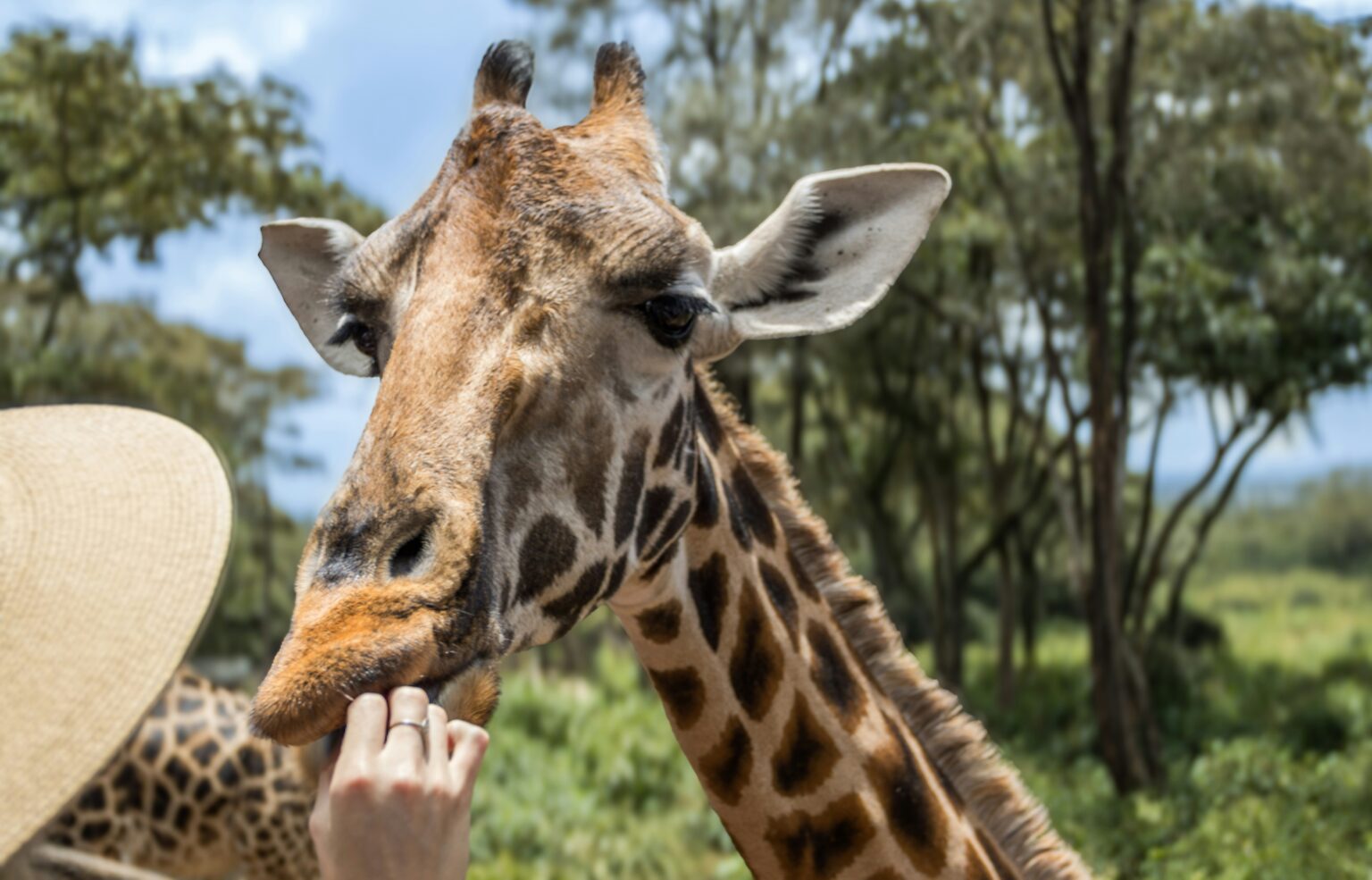

Experience wildlife in its natural environment through these tours, many of which prioritize sustainability while limiting human interactions.
Avoid joining large group trips claiming to offer conservation experiences; these could simply be safaris disguised as conservation. Always ask about an organization’s overall goals before agreeing to join their trip.
Volunteering
Unfortunately, humans still show an all-too-real propensity towards exploiting wildlife for profit rather than protecting it for protection purposes. Yet within this dismal reality are numerous immensely satisfying volunteer trips geared toward improving animal wellbeing on Earth.
IVHQ’s Animal & Wildlife Conservation travel programs offer the perfect example, aligned with the United Nations Sustainable Development Goals to support more sustainable communities, climate action, protecting life underwater, and conserving land-based life.
Some volunteer trips may involve working directly with wildlife such as elephants, sea turtles or orphaned monkeys that need rescue; others involve more hands-off work such as monitoring wildlife populations or reforestation and education initiatives. It’s important to know what your expectations of such an experience are before signing up and selecting projects which meet them.
Many of today’s premier wildlife conservation tours also place great emphasis on supporting local communities – not only by helping them understand why certain behaviors are harmful to the environment and providing education on how they can change these actions, but also as an economic incentive to not poach or damage natural habitats. This can significantly lower threats while simultaneously strengthening protection measures.
IVHQ’s Bear Conservation placements place volunteers in traditional Croatian villages surrounded by mountains and forests. Here, you will become immersed in the local community while providing support to a bear sanctuary that offers shelter to bears who have experienced mistreatment from humans or been abandoned too early by their mothers. As a result, you will provide non-extractive livelihood for locals while helping establish harmonious human-wildlife relations in an area where conflicts between humans and wildlife may exist.
Global Leadership Adventures’ Turtle Conservation trip to Bali allows participants to become intimately acquainted with Indonesia’s stunning sea turtles while helping a centre that cares for injured and abandoned marine creatures.
Research
Travellers looking to contribute directly to wildlife conservation beyond visiting an animal sanctuary will find research opportunities available that allow them to get hands-on in the field, including tagging marine species or helping set up camera traps; tracking footprints or helping scientists monitor animals while also protecting habitats. The goal is helping scientists monitor animals and protect their environments.
Many tour operators provide travelers with responsible options, including informing them on how best to interact with wildlife. Some operators enforce stringent guidelines about not feeding animals as this practice can harm them; other operators worry about how visiting tourists disrupt intra-species relationships – for instance female harp seals spend less time tending their pups when tourists are present which exposes more young seals to predators attack.
Some trips provide education to local communities about wild animal needs, which is particularly crucial where the environment and its wildlife have been compromised by human activities. As such, it’s worth checking the trip description to determine how much interaction with local people there will be as this can make an enormous difference to the success of any project.
Consider whether a tour matches up well with your interests and comfort level; some conservation tours involve close interaction with wildlife, which may prove physically demanding – though this experience might not appeal to everyone, it can provide an incredible way to see more of the world while contributing to its biodiversity.
An excellent way to discover wildlife conservation tours is through charity organizations that specialize in this type of travel. There is a vast array of charities dedicated to specific regions or species – you are bound to find one that matches your requirements perfectly!
Education
Visits to nature help travelers gain a greater understanding of the ecological challenges species are facing, increasing their support of conservation efforts upon return home and inspiring more people to become conservationists themselves. A number of the fees charged by national parks, reserves and guided tours contribute directly to conservation projects through funds such as maintaining protected areas or funding anti-poaching initiatives – crucial aspects to animal survival that require funds.
One effective way to contribute to wildlife conservation is through volunteering at a sanctuary. IVHQ’s Wildlife Rescue project in Namibia is an ideal example, where volunteers assist with caring for orphaned and injured animals such as lions, leopards, elephants, and antelopes being readied for release back into their natural environments. Furthermore, volunteers will track wildlife behavior at the reserve to further support ongoing conservation efforts.
One way to make a difference is by traveling to countries offering ethical wildlife tourism experiences. When selecting tour companies for this experience, make sure they adhere to sustainability practices such as hiring local staff and supporting conservation initiatives within their community. Be wary of companies advertising themselves as “wildlife conservation vacations”, but involve unsuspecting travelers in cruel hunting practices.
Wildlife conservation tours should provide an authentic, hands-on experience that brings together like-minded nature enthusiasts with scientists and experienced guides, giving everyone involved an intimate knowledge of local wildlife populations and issues they face. Selecting an experience which offers direct benefits to local communities will ensure the conservation of native wildlife has long-term positive ramifications.
Awareness
Wildlife conservation tours give visitors a unique opportunity to learn about animal habitats – vitally important for animal wellbeing – while raising awareness of human impact on wildlife ecosystems and how individuals can contribute positively towards protecting these fragile environments.
Education associated with wildlife tourism is one of the key benefits of the industry, helping create a more informed and engaged public. Increased public awareness is often enough to lead to positive behavioral changes that benefit both wildlife and their habitats; an example would be the rise of shark tourism which has lead to reduced shark poaching rates while community-based conservation programs in Namibia provide local communities with alternative income sources that do not harm natural resources as much.
Unfortunately, not all wildlife conservation tour operators are equal; some can even be scams; it’s essential that travellers research carefully before booking a tour company. Be wary of tours that promise guaranteed wildlife sightings or involve feeding wildlife – this form of provisioning has negative impacts on animals’ health and welfare.
Once again, let’s celebrate. Here’s to another successful year ahead – full of happiness, inspiration and new adventures to discover. At present, an increasing number of tour companies offer wildlife conservation experiences ranging from volunteer opportunities to travel adventures that allow travelers to witness these vibrant ecosystems in ways which are both environmentally and culturally responsible. Misconceptions about wildlife conservation vacations often include cuddling cute animals and are seen as forms of luxury travel; this couldn’t be further from the truth. Wildlife conservation travel can have a tremendously positive impact on both the environment and communities that rely on it, while at the same time fulfilling your passion for travel while actively contributing to safeguarding some of Earth’s most iconic environments.
Trip-ready gear from Amazon
As an Amazon Associate, grandgo.com earns from qualifying purchases. Links below are affiliate links — clicking them may earn us a small commission at no extra cost to you. Prices and availability are shown on Amazon.co.uk.
- Reef-safe sunscreen SPF 50 — Beach + outdoor.
- Compact daypack travel — For city sightseeing.
- Anker portable charger 20000mAh — All-day phone battery.