Notification Show More
Font ResizerAa
  • Guides
  • Travel
    • Airports
    • Beauty beaches
    • Hotels
    • Travel Facts
    • Travel FAQ
  • Travel tips
  • Trips
  • Destinations
    • Armenia
    • Austria
    • Belgium
    • Colombia
    • Czech Republic
    • Estonia
    • Finland
    • France
    • Germany
    • Greece
    • Ireland
    • Italy
    • Japan
    • Monaco
    • Montenegro
    • Netherlands
    • Norway
    • Poland
    • Portugal
    • Spain
    • Switzerland
    • United Kingdom
    • USA
    • Wales
  • Food & drink
  • Lifestyles
  • English
Reading: Exploring the Youngest Drinking Age in the World: A Global Overview
Share
Font ResizerAa
  • Guides
  • Travel
  • Travel tips
  • Trips
  • Destinations
  • Food & drink
  • Lifestyles
  • English
Search
  • Guides
  • Travel
    • Airports
    • Beauty beaches
    • Hotels
    • Travel Facts
    • Travel FAQ
  • Travel tips
  • Trips
  • Destinations
    • Armenia
    • Austria
    • Belgium
    • Colombia
    • Czech Republic
    • Estonia
    • Finland
    • France
    • Germany
    • Greece
    • Ireland
    • Italy
    • Japan
    • Monaco
    • Montenegro
    • Netherlands
    • Norway
    • Poland
    • Portugal
    • Spain
    • Switzerland
    • United Kingdom
    • USA
    • Wales
  • Food & drink
  • Lifestyles
  • English
Have an existing account? Sign In
Follow US
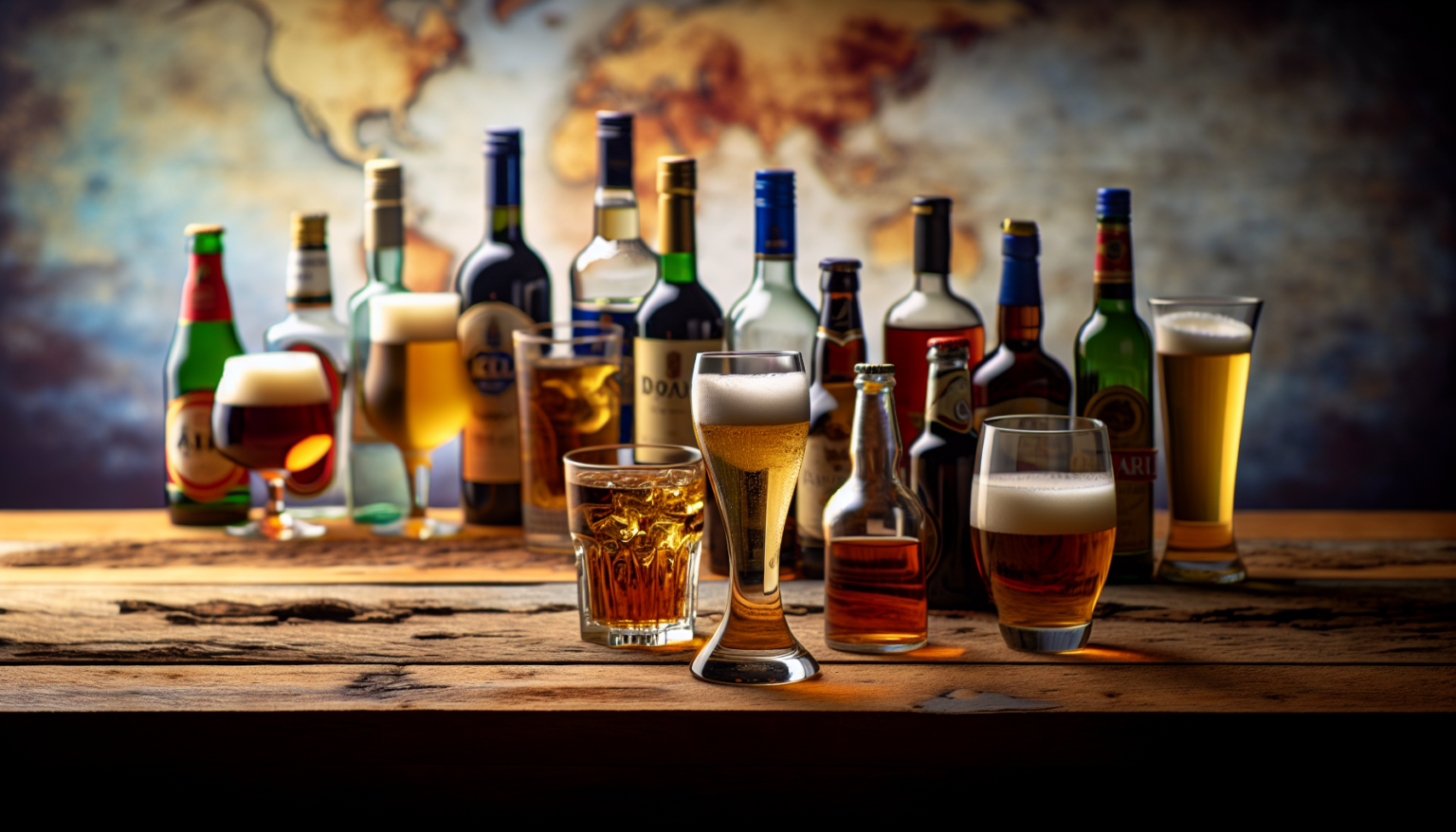
A diverse selection of alcoholic beverages
Travel Facts

Exploring the Youngest Drinking Age in the World: A Global Overview

Published December 18, 2023
Share
18 Min Read
SHARE

Disclosure:

As an Amazon Associate, we earn from qualifying purchases.

When examining global alcohol consumption trends, the legal drinking age is a significant factor. It’s a parameter set by governments to regulate the consumption of alcoholic beverages among their citizens, often reflecting a nation’s cultural, social, and health norms. But, how much does this age limit vary across the globe, and what impact does it have on youth behavior and general public health? Let’s navigate this intriguing global landscape to find answers, including exploring the youngest drinking age in the world.

Key Takeaways

  • This article explores countries with low legal drinking ages and the implications of their policies, focusing on adolescent brain development, binge drinking patterns among teens, cultural contexts that shape global drinking age policies, parental supervision as a factor in reducing alcohol consumption among young people and enforcement efforts against youth.

  • The debate over the efficacy of legal drinking age laws is ongoing. WHO’s SAFER initiative seeks to reduce excessive alcohol consumption globally through policy initiatives and interventions.

  • National programs promote healthy choices regarding alcohol consumption through prevention and education campaigns.

Exploring the Globe’s Lowest Legal Drinking Ages

A diverse selection of alcoholic beverages

Worldwide, the minimum legal drinking age shows significant variation, from the young age of 13 in Burkina Faso to several countries where the minimum age is 16. We will examine these nations with notably low minimum drinking ages and comprehend the effects of such policies.

Burkina Faso: The Youngest Legal Drinkers

In Burkina Faso, a person can legally consume alcoholic beverages at the tender age of 13, making it the country with the world’s youngest legal drinkers. This low age limit, which does not apply to off-premise purchases, has led to an array of alcohol-related problems in the country, including:

  • a high prevalence of binge drinking among the population

  • an increase in alcohol-related health issues

  • a rise in alcohol-related accidents and injuries

  • a negative impact on the overall well-being and development of young people in the country.

While information on Burkina Faso’s efforts to control alcohol consumption is not extensively documented, research does suggest a recognition of the need for impactful alcohol control policies and interventions aimed at reducing underage consumption of alcohol beverages.

Teen Tipplers: Countries Where 16 Is the Limit

Several countries have set their legal drinking age at 16, including:

  • Barbados

  • British Virgin Islands

  • Cuba

  • Luxembourg

  • Panama

  • Serbia

  • Zimbabwe

In these nations, the legal purchase age is 16 years old, allowing individuals to legally purchase alcohol beverages, serve alcohol beverages, and consume alcohol, including other alcohol beverages.

However, the enforcement of these laws varies widely. For instance, while the legal drinking age in Cuba is not rigorously enforced, providing or supplying fermented alcohol beverages to individuals under the age of 16 is against the law. On the other hand, the legal drinking age of 16 is strictly adhered to in European countries like Belgium, Luxembourg, and Switzerland.

Worldwide Drinking Age Norms

Teenagers socializing at a party

The legal drinking age in most countries lies between 18 and 19 years. This age limit is prevalent in nations like:

  • Australia

  • Puerto Rico

  • Ireland

  • Costa Rica

  • Spain

  • France

  • Honduras

  • Russia

  • the UK

  • Jamaica

  • the Bahamas

However, some countries have higher legal drinking age thresholds.

For instance, Japan and Iceland have a legal drinking age of 20 years, while in the United States, it’s 21 years old. Even within the same country, variations may exist. In Canada, the legal drinking age varies by province, with most provinces setting it at 19 years, slightly higher than the globally common age of 18 years.

The Impact of Legal Drinking Ages on Youth Behavior

Adolescent brain development and alcohol consumption

The legal drinking age in a country significantly impacts youth behavior and their relationship with alcohol. The effects on adolescent brain development and binge drinking patterns among teens are particularly noteworthy.

We will investigate these aspects more thoroughly.

Adolescent Brain Development and Alcohol

The impacts of alcohol on the adolescent brain include:

  • Diminished cognitive functioning

  • Reduced brain function in areas associated with sensory, motor, memory, and cognitive processes

  • Impaired information processing ability

  • Injury to nerve tissue

Alcohol consumption during this critical stage of brain development can have significant and long-lasting effects.

Moreover, the enduring effects of alcohol consumption during adolescence on brain development encompass cognitive deficits, damage to nerve tissue, and susceptibility to the effects of alcohol. It’s also worth noting that alcohol consumption can lead to complications such as liver failure and hormonal imbalances in minors, particularly during the significant physical and hormonal changes that occur during puberty.

Binge Drinking Statistics Among Teens

Binge drinking, defined as consuming a sufficient amount of alcohol in a brief timeframe to elevate one’s blood alcohol concentration (BAC) above the legal limit for driving, is a common issue among teenagers who consume alcohol beverages. The prevalence of this behavior, also known as drinking alcohol excessively, varies across countries globally, with an estimated worldwide prevalence of alcohol use disorder (AUD) among teenagers at 4.1%.

Interestingly, the patterns of binge drinking among youth can be influenced by the legal drinking age. For instance, in Spain, there are concerns regarding the prevalence of binge drinking among young individuals, indicating that a legal drinking age that is too low may not effectively deter establishments from serving alcohol beverages to underage individuals.

Cultural Contexts and Drinking Age Policies

Cultural diversity and drinking age policies

Cultural contexts significantly influence drinking age policies across nations. Some countries emphasize responsible consumption, integrating alcohol as an integral part of their social and dining customs, while others enforce strict prohibition, viewing alcohol as a detrimental force.

We will examine these differences.

Sipping Cultures vs. Prohibition

Countries like Italy and France are renowned for their “sipping cultures”, where alcohol, usually wine, is consumed responsibly as part of social and dining customs. These cultures have a rich history, with the tradition of the aperitivo in Italy dating back to the 1300s and wine playing a central role in French culture for over 2,400 years.

On the contrary, countries implementing strict prohibition seek to legally restrict the production, sale, or transportation of alcohol, including the ability to supply alcohol beverages and supply fermented alcohol beverages. This leads to the closure of establishments such as bars and liquor stores, thereby significantly decreasing the accessibility and public use of alcohol.

Parental Supervision and Alcohol Consumption

The role of parental supervision in underage alcohol consumption cannot be understated. Research indicates that increased parental support and engagement can decrease the likelihood of alcohol consumption among young individuals. Furthermore, cultural norms significantly influence the development of underage drinking habits by impacting attitudes and behaviors towards alcohol.

The methods employed by parents to supervise alcohol consumption vary across cultures, from allowing their children to drink alcohol under supervision to rigorous monitoring to discourage alcohol misuse. The attitudes of families towards alcohol significantly influence the alcohol consumption patterns of young people, with positive family attitudes promoting protective behaviors and negative attitudes or inadequate supervision elevating the chances of adolescents participating in risky drinking behaviors.

Legal Consequences for Underage Drinking

Legal consequences for underage drinking

Legal consequences for underage drinking vary greatly by country, with some enforcing strict penalties and others having lax enforcement. These regulations are instrumental in reducing youth drinking and encouraging responsible consumption.

Enforcement Efforts Against Youth Drinking

Enforcement efforts against youth drinking involve a variety of strategies. Some countries implement national action plans, enact access laws, and collaborate with organizations to mitigate underage drinking. For instance, in the United States, selling alcohol to minors can result in misdemeanor or felony charges, leading to fines, community service, and imprisonment.

Other countries such as Germany, with a legal drinking age of 16 for certain beverages, are contemplating raising this to 18 based on recommendations by health authorities. As part of their enforcement measures, actions are taken against illegal sale and supply to minors.

Similarly, Australian law enforcement addresses the issue of youth drinking by monitoring and regulating liquor laws, promoting programs to delay the drinking age, and implementing legal enforcement on licensed premises when necessary.

The Debate Over Legal Drinking Age Efficacy

The effectiveness of legal drinking age laws is a topic of debate. Scientific evidence indicates that these laws are correlated with decreased rates of drunk-driving accidents among young individuals and reductions in alcohol-related incidents. Some argue that reducing the legal drinking age might facilitate drinking in more secure settings, reduce instances of excessive drinking, and encourage education and safety among youth.

However, opposing arguments highlight potential medical irresponsibility, concerns related to ongoing brain development until the mid-20s, and public opinion against reducing the drinking age. They suggest the need for improved alcohol education rather than solely altering age limits.

Indeed, modifications in legal drinking age laws can impact underage drinking rates and associated harms, with increased availability of alcohol associated with higher occurrences of underage drinking, leading to academic difficulties, decreased school achievement, and increased risk of injuries or fatalities.

Global Trends and Changes in Drinking Age Laws

Global trends in drinking age laws show some countries raising their legal drinking age, while others face calls for lowering the limit.

We will examine these opposing trends.

Rising Drinking Ages

Some countries have recently raised their minimum drinking age to address alcohol-related issues. For instance, in December 2017, Malaysia raised its legal drinking age from 18 to 21 to address concerns regarding alcohol-related harm and support public health initiatives. This decision is supported by research indicating that raising the legal drinking age reduces all-cause mortality rates among 18-19 year-olds and saves lives by reducing alcohol-related traffic accidents.

Other countries, including:

  • Sierra Leone

  • Singapore

  • Slovakia

  • Slovenia

have also recently increased their legal drinking ages. These changes reflect global efforts to mitigate the negative impacts of alcohol consumption, particularly among young people.

Calls for Lower Drinking Ages

Contrary to the rising trend, there are calls in some regions to lower the legal drinking age. Advocates argue that lowering the drinking age would facilitate drinking in more secure settings, reduce instances of excessive drinking, and encourage education and safety among youth. They suggest that responsible alcohol consumption can be guaranteed by implementing public programs, increasing excise tax, and mobilizing communities to promote safer drinking practices.

However, the evidence supporting a reduction of the legal drinking age is not conclusive. Some studies indicate that reducing the legal drinking age may result in decreased motor vehicle accidents among young adults and encourage responsible drinking habits in supervised settings. Yet, the potential adverse effects on public health and safety if the drinking age were to be lowered remain a concern.

Alcohol Education and Responsible Consumption Initiatives

Efforts to reduce the harmful impacts of excessive alcohol consumption aren’t confined to legal restrictions alone. Several alcohol education and responsible consumption initiatives, such as WHO’s SAFER initiative, aim to create awareness and promote responsible drinking habits.

WHO’s SAFER Initiative

The World Health Organization launched the SAFER initiative in 2018 to assist governments globally in mitigating the adverse effects of excessive alcohol consumption. The initiative aims to facilitate the global objective of decreasing the detrimental consumption of alcohol by 10% before 2025.

The primary strategies of the SAFER initiative encompass:

  • Enhancing restrictions on alcohol availability

  • Promoting and enforcing drink-driving countermeasures

  • Enabling access to screening, brief interventions, and treatment for alcohol use disorders

Since its inception, the SAFER initiative has shown significant effectiveness in reducing alcohol consumption and mitigating its adverse effects through the implementation of its policy initiatives and interventions.

National Programs Promoting Healthy Choices

National programs are also pivotal in advancing responsible alcohol consumption. These programs include:

  • Approaches for treating alcohol use disorder

  • National youth substance abuse prevention campaigns

  • Action plans targeting the reduction of harmful alcohol use.

For instance, the ‘Responsible Drinking’ initiative in the United States, known as ‘Own Your Limits’, aims to promote responsible alcohol consumption. Similarly, the ‘Know When, Know How’ campaign in Canada and the ‘Be the Influence’ program in Australia employ prevention and education initiatives to promote responsible drinking habits.

In the United Kingdom, the ‘Drinkaware’ campaign encourages middle-aged drinkers to abstain from drinking on certain days to reduce health risks associated with alcohol consumption.

Summary

In conclusion, the legal drinking age, influenced by cultural contexts and societal norms, plays a significant role in shaping alcohol consumption patterns, particularly among the youth. While some countries enforce strict prohibition, others promote responsible consumption. As we continue to navigate the complexities of alcohol consumption and its impacts, it becomes clear that a multifaceted approach involving legal regulations, cultural norms, parental supervision, and education initiatives is crucial to promoting responsible drinking and mitigating the negative impacts of alcohol.

Frequently Asked Questions

In what country can you drink at 13?

In Burkina Faso, it is legal to purchase and consume alcohol at the age of 13. However, drinking cultures around the world vary greatly.

Can you drink at 14 in Germany?

No, you cannot drink at 14 in Germany; children under the age of 14 are not allowed to buy or drink alcohol. Teens aged 14 and 15 may only do so with parental permission and limited to beer, wine or sparkling wine.

What is the youngest drinking age on earth?

The youngest drinking age on earth is 13, as set by Burkina Faso. Other countries, such as Mali and the Central African Republic, set their minimum drinking age at 15 while many have an age of 18. The legal drinking age in the United States is 21.

When did the drinking age change to 21?

The National Minimum Drinking Age Act was passed in 1984, raising the minimum legal purchase age to 21. This has seen a decrease in drinking among high school seniors, from 66% to 42%.

What is the legal drinking age in Burkina Faso and Eritrea?

The legal drinking age in Burkina Faso is 13 and in Eritrea it is 25.

grandgo March 3, 2024 December 18, 2023
Share This Article
Facebook Twitter Pinterest Reddit Email Copy Link Print
Table of contents
  1. Key Takeaways
  2. Exploring the Globe’s Lowest Legal Drinking Ages
    1. Burkina Faso: The Youngest Legal Drinkers
    2. Teen Tipplers: Countries Where 16 Is the Limit
  3. Worldwide Drinking Age Norms
  4. The Impact of Legal Drinking Ages on Youth Behavior
    1. Adolescent Brain Development and Alcohol
    2. Binge Drinking Statistics Among Teens
  5. Cultural Contexts and Drinking Age Policies
    1. Sipping Cultures vs. Prohibition
    2. Parental Supervision and Alcohol Consumption
  6. Legal Consequences for Underage Drinking
    1. Enforcement Efforts Against Youth Drinking
    2. The Debate Over Legal Drinking Age Efficacy
  7. Global Trends and Changes in Drinking Age Laws
    1. Rising Drinking Ages
    2. Calls for Lower Drinking Ages
  8. Alcohol Education and Responsible Consumption Initiatives
    1. WHO’s SAFER Initiative
    2. National Programs Promoting Healthy Choices
  9. Summary
  10. Frequently Asked Questions
    1. In what country can you drink at 13?
    2. Can you drink at 14 in Germany?
    3. What is the youngest drinking age on earth?
    4. When did the drinking age change to 21?
    5. What is the legal drinking age in Burkina Faso and Eritrea?
 

You Might Also Like

LifestylesTravel Facts

The Complete 2026 European Public Holiday Guide for Travellers & Planners

July 31, 2025
Travel Facts

Understanding the Drinking Age in Norway

January 31, 2024
Travel Facts

Public Holidays in the Czech Republic in 2024

January 2, 2024
Travel Facts

Which body of water contains the Aegean Sea, the Ionian Sea, and the Strait of Gibraltar?

November 10, 2023
Travel Facts

Ancient Greece Ionian Sea

November 9, 2023
Travel Facts

Map of Ionian sea

October 29, 2023
Follow US
©Grandgo, Inc. All Rights Reserved.
  • About us
  • Privacy policy
  • Community Guidelines
  • Terms of Use
  • Contact
Welcome Back!

Sign in to your account

Lost your password?
We use cookies to ensure that we give you the best experience on our website. If you continue to use this site we will assume that you are happy with it.