


Introduction
When it comes to the legal drinking age, different countries have varying approaches and regulations. In Spain, a nation known for its vibrant culture and diverse traditions, the drinking age is a subject of interest and discussion.
In this article, we delve into the topic of the drinking legal age in Spain, exploring the legal framework, cultural attitudes, and the impact on society. Join us as we navigate through the nuances of this intriguing subject.

Understanding the Legal Framework
Legal Drinking Age: A Quick Overview
In Spain, the legal drinking age is 18. This means that individuals are allowed to purchase and drink alcohol once they reach this age milestone.
However, it’s essential to note that this drinking age limit applies primarily to the consumption of beer and wine. The regulations for spirits and other high-alcohol beverages are more stringent, requiring individuals to be at least 18 years old to purchase and consume them legally.
Notice: If you are traveling around Europe, you might want to check our guides about the drinking age in Italy, France, or Germany. More useful links can be found at the bottom of the page.

Exceptions and Variations
Spain also accommodates certain exceptions to the standard drinking age rule. For instance, minors aged 16 and 17 are allowed to consume beer and wine if they are accompanied by a parent, legal guardian, or a responsible adult.
This exception is often seen as a way to introduce young individuals to alcohol in a controlled environment, fostering a sense of responsibility and moderation from an early age.

Cultural Attitudes Towards Alcohol
Embracing Social Aspects
The Spanish culture has a unique relationship with alcohol that dates back centuries. Alcohol is often integrated into social events, family gatherings, and celebrations. The convivial nature of Spanish society means that alcohol is viewed as a means to enhance social interactions rather than merely a substance for intoxication.
This attitude plays a significant role in shaping the perception of alcohol among the Spanish population.
Teaching Responsibility
From an early age, Spanish families tend to educate their children about responsible alcohol drinking. With the legal drinking age set at 18, parents often have open conversations with their teenagers about the potential risks and benefits of alcohol consumption.
This open dialogue fosters a sense of understanding and respect for alcohol, encouraging young adults to make informed decisions when it comes to drinking.

Societal Impact and Health Considerations
Lower Binge Drinking Rates
One remarkable aspect of the Spanish drinking culture is the lower prevalence of binge drinking compared to some other countries. The integration of alcohol into daily life, along with parental guidance, contributes to a healthier approach to consumption.
To consume alcohol and not be associated with taboo, young adults are less likely to engage in excessive drinking, resulting in a more controlled drinking culture.

Health Benefits of Wine
Spain’s traditional diet, often referred to as the Mediterranean diet, is rich in fruits, vegetables, and olive oil. Additionally, moderate consumption of red wine is a staple in this diet.
Studies suggest that the polyphenols found in red wine can have positive effects on cardiovascular health. This cultural habit of moderate wine consumption might play a role in Spain’s relatively low rate of heart-related issues.

The Spanish culture’s embrace of alcohol as a social enhancer and the emphasis on responsible drinking from an early age contribute to a unique perspective on drinking alcohol. This approach has led to lower binge drinking rates and potential health benefits.
As we explore the world’s varying attitudes towards alcohol, Spain stands out as a nation that has found a balance between tradition, culture, and responsible consumption.
Wine Culture in Spain
Spain’s wine culture is both rich and storied, steeped in traditions that date back centuries. For many, wine is more than just a drink—it’s a reflection of the nation’s history, geography, and spirit.
The vast expanses of vineyards, from the rolling hills of Rioja to the coastal areas of Galicia, tell tales of the intricate relationship between the Spanish people and their vino.
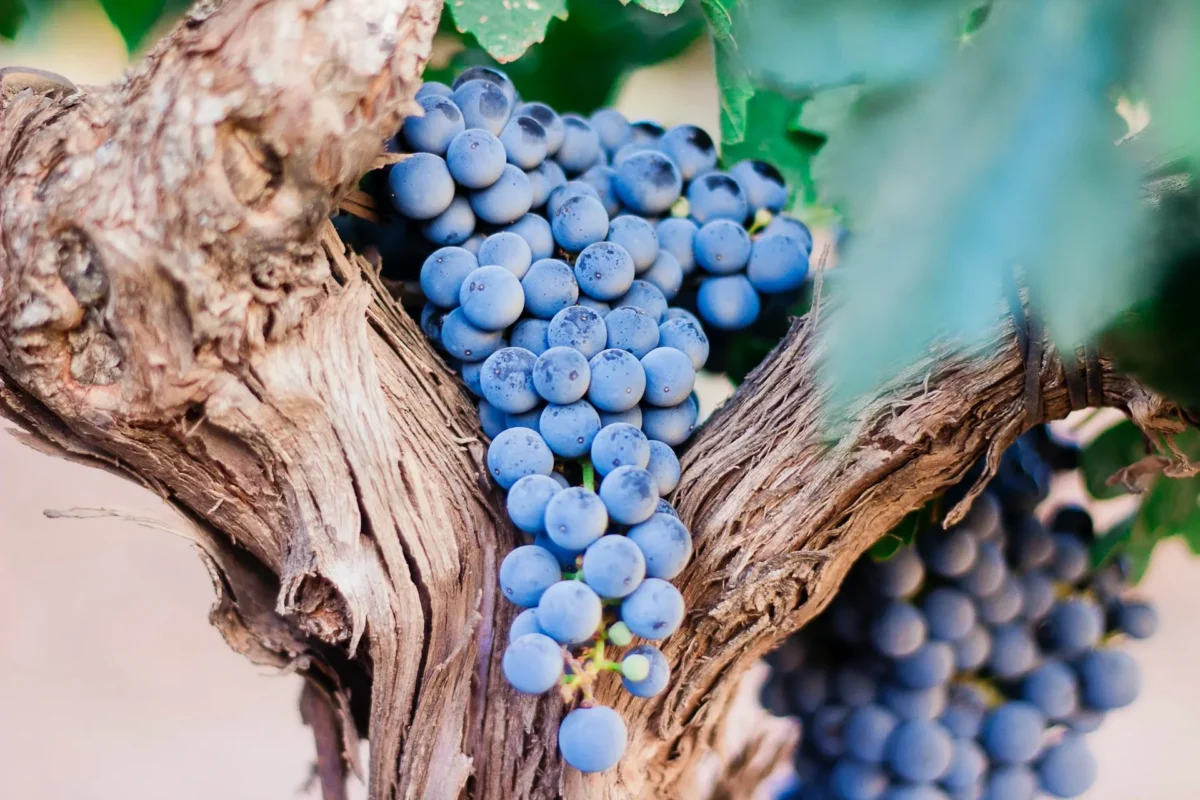
One of Spain’s most recognizable contributions to the world of wine is undoubtedly its Tempranillo-based reds from the Rioja and Ribera del Duero regions.
But Spain’s vinicultural diversity extends beyond reds. Albariño from Galicia, Cava from Catalonia, and the velvety richness of Sherry from Jerez demonstrate the breadth and depth of Spain’s oenological prowess.
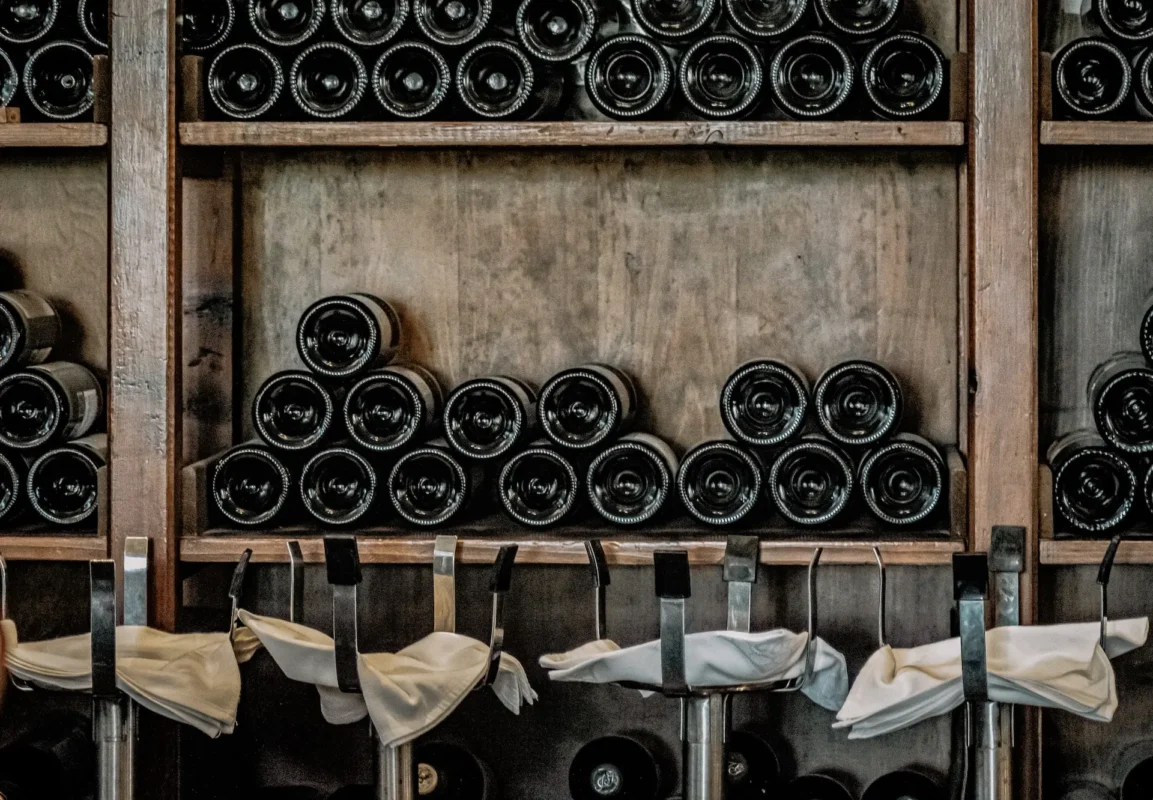
Recent years have seen a shift in the wine culture of Spain, aligning with global trends and consumer preferences. One of the most notable trends is the rise of natural wines.
As consumers worldwide become more health-conscious and environmentally aware, the demand for wines produced without synthetic chemicals and with minimal technological intervention has surged.
Spanish winemakers, with their deep respect for the land and tradition, have embraced this trend, producing natural wines that capture the raw essence of their terroirs.
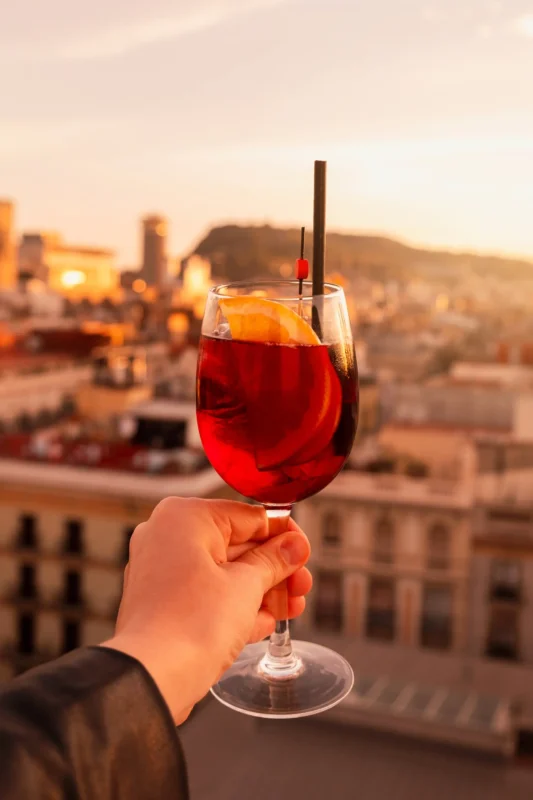
Moreover, younger generations of winemakers are also experimenting, blending tradition with innovation. This has led to the creation of unique and previously unexplored flavor profiles.
They’re leveraging indigenous grape varieties, some of which were nearly forgotten, bringing them back to prominence and showcasing the true diversity of Spanish viticulture.
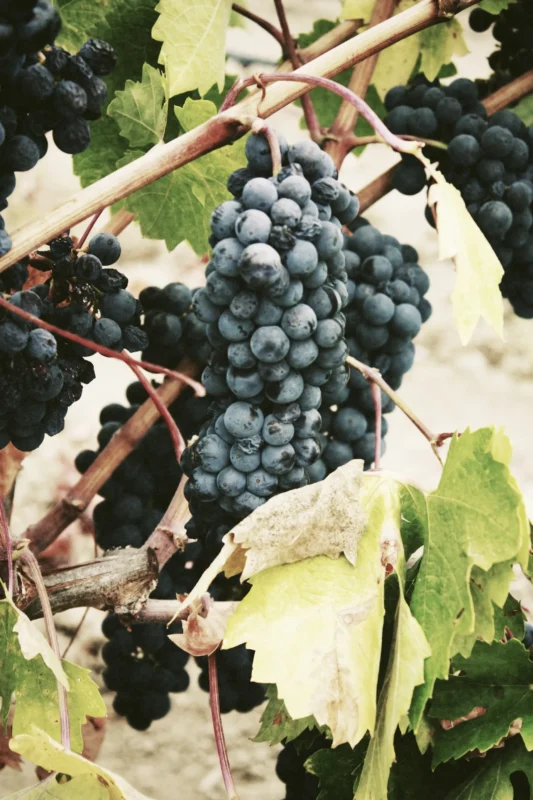
Sangria: Spain’s Liquid Ambassador and its Global Footprint
Sangria, a delightful concoction of wine, fruits, and sometimes a splash of brandy or soda, has become emblematic of Spain’s vibrant culture and lifestyle. This drink, often enjoyed on sun-soaked terraces and bustling tapas bars, captures the spirit of Spanish conviviality and relaxation.
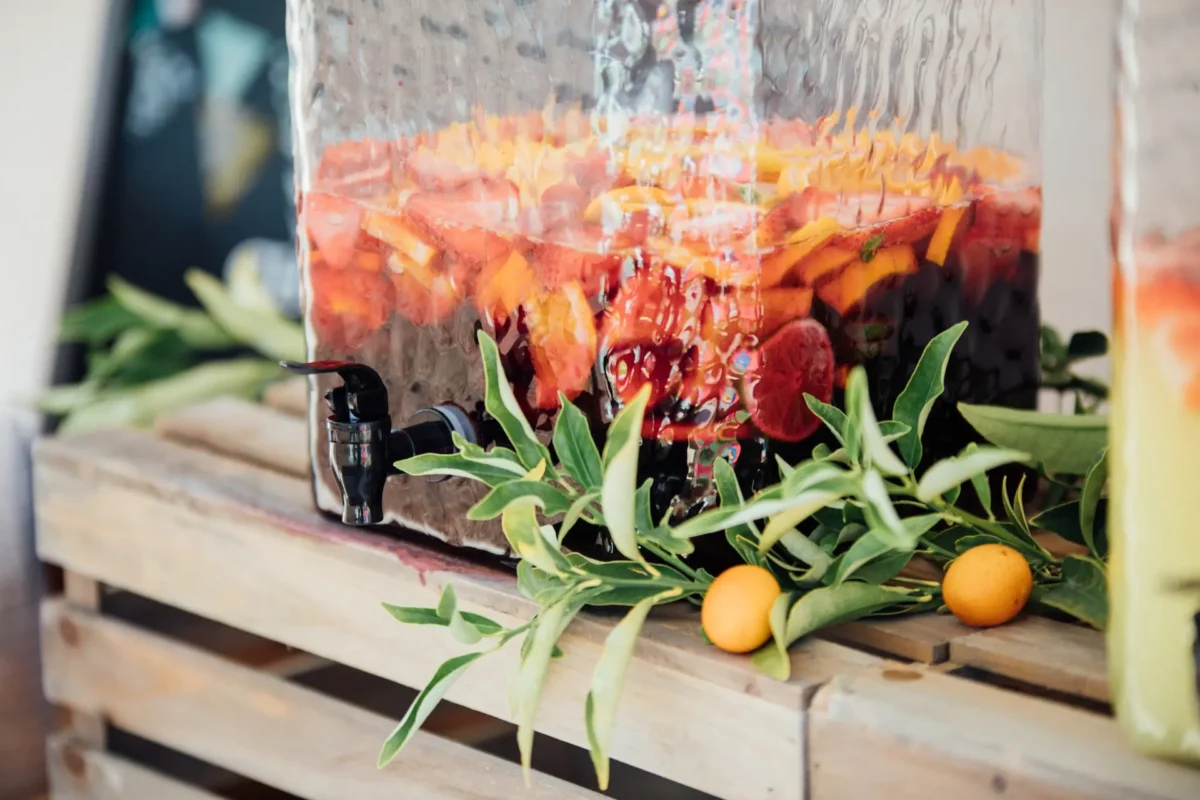
For many tourists, sipping on Sangria is an indispensable part of the Spanish experience. Its widespread popularity has made it a magnet for visitors, with many specifically seeking out authentic Sangria experiences, whether at traditional fiestas, beachfront chiringuitos, or historic inns in the heart of Spain’s many picturesque towns.
This demand has driven many establishments to offer their unique takes on the classic Sangria, adding to the drink’s rich tapestry and diversity.
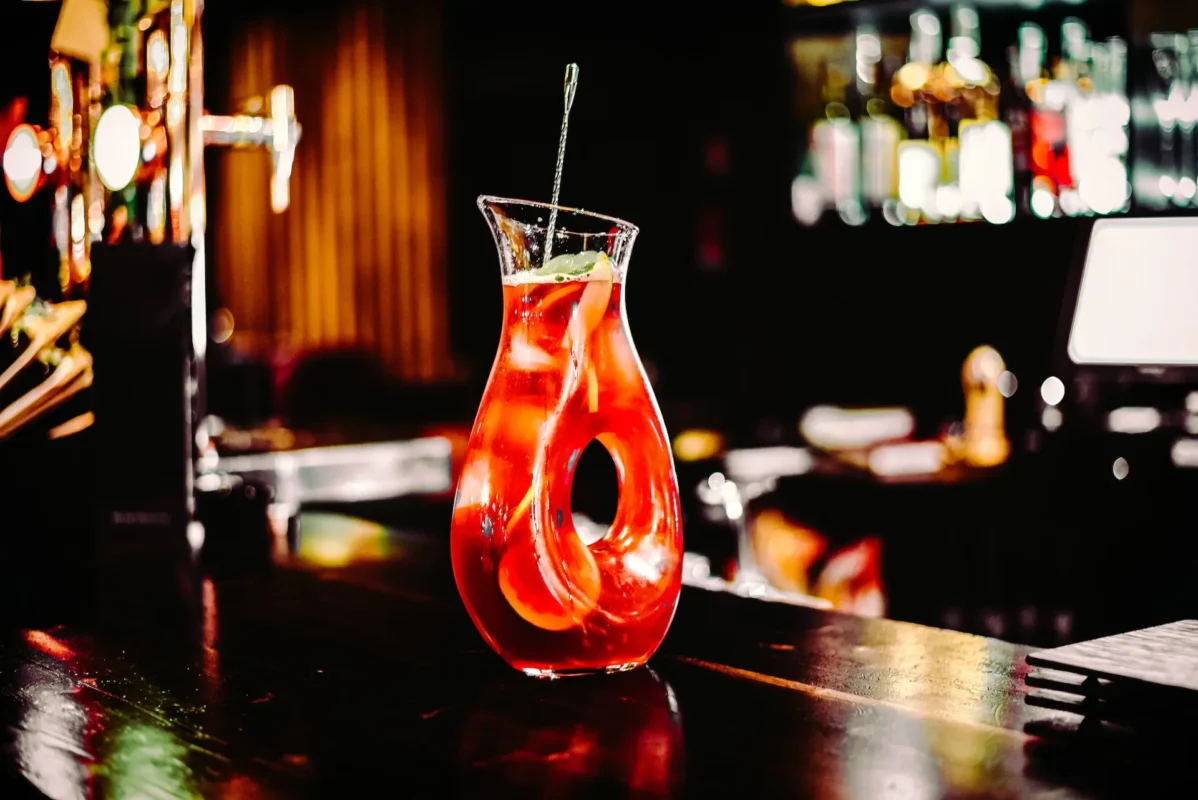
The influence of Sangria extends beyond Spain’s borders. As Spanish culture permeated global consciousness through film, music, and literature, Sangria has often been right there, representing the quintessence of Spanish leisure and festivity.
Its global recognition has been further fueled by its adaptability, with many countries crafting their versions using local ingredients while still nodding to the original Spanish recipe.
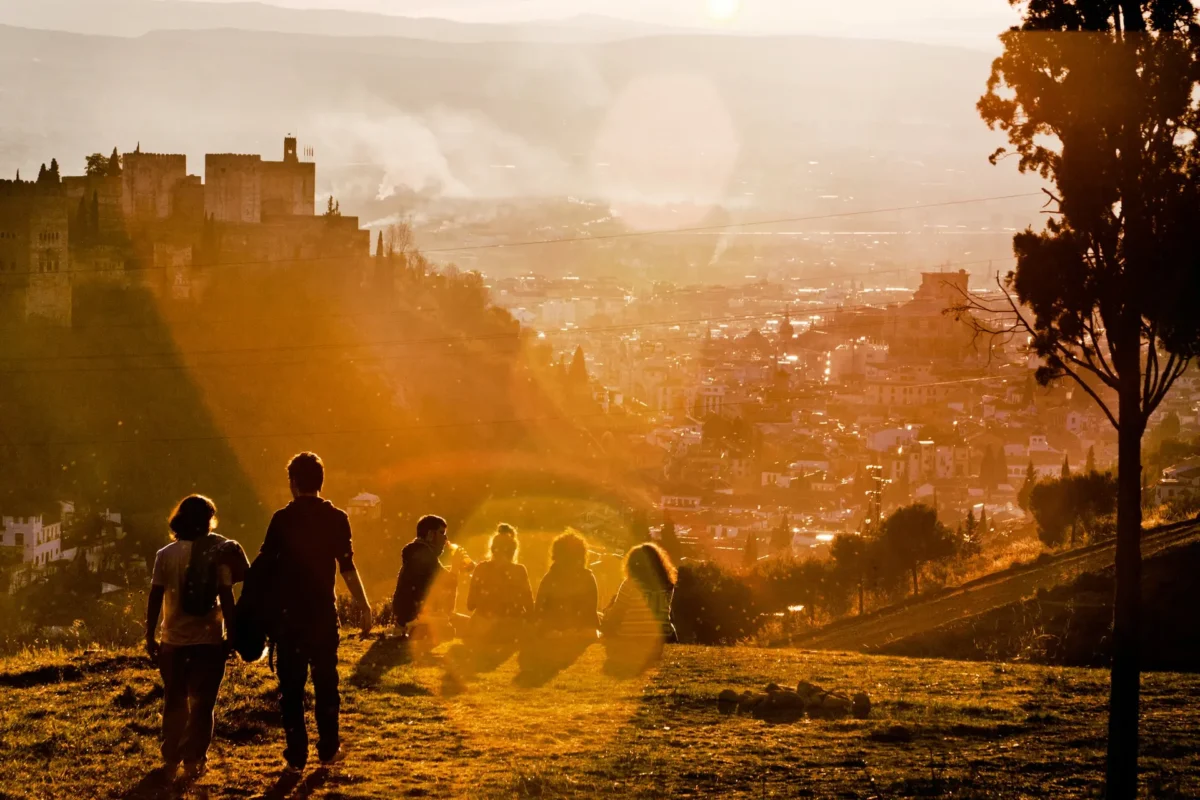
In essence, Sangria’s impact on Spanish tourism is profound. It acts as both a draw for visitors and an ambassador for Spanish culture worldwide.
The drink’s global recognition not only boosts Spain’s image as a destination of gastronomic delights but also underscores its influential role in shaping global culinary and beverage trends.
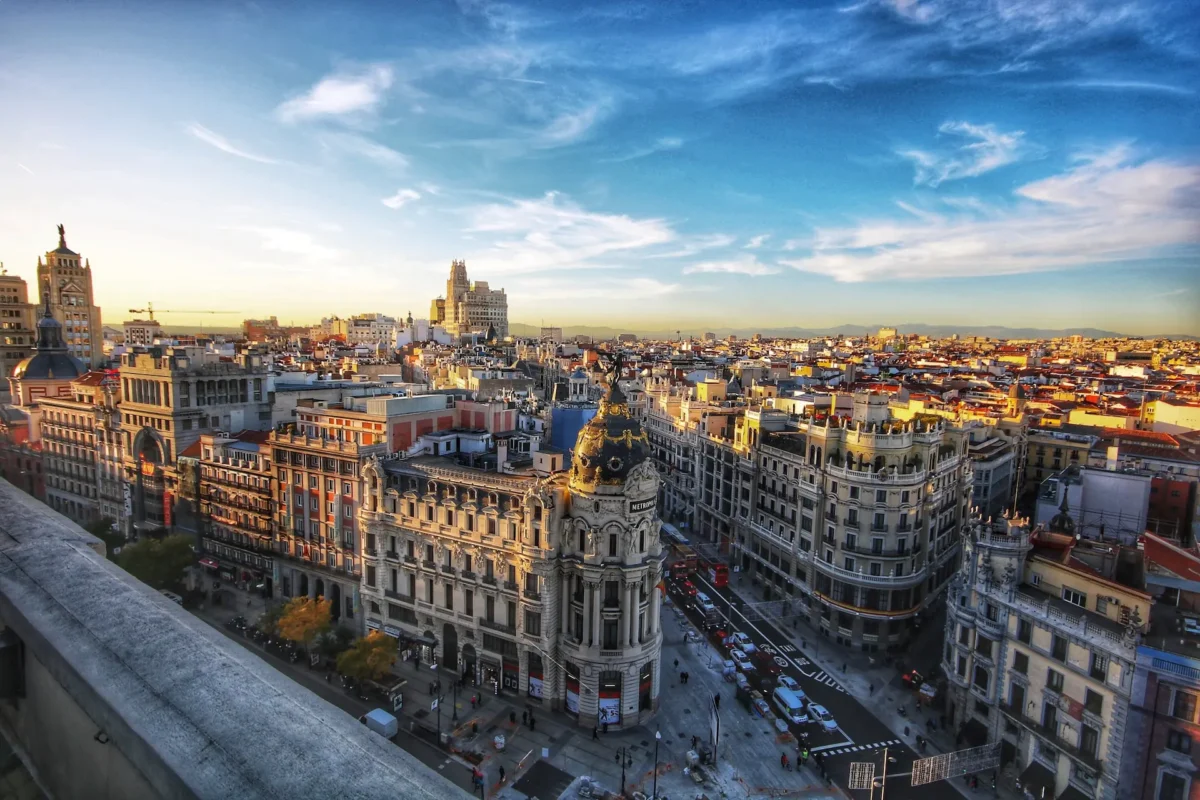
While Sangria stands as a symbol of Spain’s festive spirit and cultural essence, it’s essential to remember the nation’s drinking laws when indulging in this iconic beverage. The legal drinking age in Spain serves as a guideline to ensure the responsible consumption of alcoholic drinks, including Sangria.
Tourists, especially younger ones, must be aware of this age restriction to fully and lawfully enjoy their Sangria experiences. Establishments are also bound by this law and exercise caution when serving this delectable drink, ensuring they provide an authentic yet responsible experience for all.
As much as Sangria is about savoring flavors and sharing moments, it’s equally about understanding and respecting local norms and regulations.
Sips of Spain: A Tourist’s Guide to Iconic Beverages and Drinking Age Norms
Spain, with its rich history and diverse regional cultures, offers a tantalizing array of drinks that mirror its vibrant heritage. However, tourists should remember the legal drinking age when looking to indulge in alcoholic offerings. Tourists flocking to this sun-kissed nation, especially those near the drinking age, are in for a delightful experience as they navigate through its beverage landscape, each drink telling a story of its own.
Sangria undoubtedly stands out as one of the most iconic beverages of Spain. A refreshing mix of red wine, fresh fruits, and often a touch of brandy or soda, Sangria is synonymous with Spanish summers. However, one must be of the legal drinking age to drink alcohol like Sangria in public venues. Tourists can savor this drink on sunlit terraces, beachfront bars, or even bustling city squares, each sip promising a burst of Spain’s zest for life.
Cava, Spain’s answer to champagne, is another drink that tourists shouldn’t miss, keeping the drinking age in mind. Predominantly produced in the Penedès region in Catalonia, this sparkling wine, made using traditional methods, ranges from dry to sweet. For those legally able to drink alcohol, a visit to one of the many cava-producing vineyards offers a firsthand experience of its production, complete with tastings in ancient cellars.
No mention of Spanish beverages is complete without Horchata, especially if you’re in Valencia. Made from tigernuts, water, and sugar, this sweet and creamy drink is a refreshing choice for all ages, irrespective of the drinking age.
Sherry, from the southern region of Andalusia, especially Jerez, has been a part of Spanish culture for centuries. Tourists who have reached the legal drinking age can embark on a journey through the Sherry Triangle, visiting bodegas (wineries) to taste the different types of sherry, from the dry Manzanilla or Fino to the sweet Pedro Ximénez.
Last but not least, the churros with chocolate experience, beloved by all regardless of age, is something every visitor must indulge in. While churros are deep-fried dough pastries, the accompanying thick chocolate is drinkable, and together, they form a match made in culinary heaven.
In essence, while Spain’s beverages offer more than just refreshment and provide a window into the country’s soul, tourists should always be aware of the legal drinking age. Those looking to immerse themselves in Spanish culture will find these drinks an integral part of their journey, each glass or cup capturing the essence of regions, traditions, and the Spanish spirit.
In summary, while Spain’s wine culture remains deeply rooted in its long-standing traditions, it’s also evolving, adapting to new trends like natural wine production.
This balance of old and new ensures that Spain’s wine scene remains dynamic, vibrant, and relevant in the ever-changing global wine landscape.

To Sum Up
In Spain, the issue of alcohol consumption, particularly among the youth, is taken very seriously. The country has specific drinking laws that set the minimum age for the consumption of alcoholic beverages.
The legal drinking age regulations aim to safeguard the well-being of the younger generation, ensuring they’re protected from the potential harm of underage drinking and the repercussions of early alcohol exposure.
The drinking age in Spain is 18, allowing young adults to engage in responsible alcohol drinking.
While it’s common for young adults and even some teenagers to drink alcoholic beverage in social settings, the drinking laws strictly define who can legally drink alcohol in public places.
This isn’t just about the act of drinking; the law is comprehensive, covering the selling, purchasing, and even serving aspects of alcohol. Establishments are strictly prohibited from serving alcoholic beverages to those below the established minimum drinking age.
Any deviation from this can lead to severe penalties, emphasizing the gravity with which Spain views underage alcohol consumption.
Responses lie not only with establishments but also with individuals. People need to be conscious of these laws. To sell alcohol to minors is not only unethical but also a punishable offense. Thus, in order to purchase or even obtain alcoholic beverages, one must reach the minimum age set by law.
This ensures a certain level of maturity and understanding when it comes to drinking alcohol. All these measures together work towards reducing the risks and potential traps associated with premature consumption of alcoholic drinks.
FAQs
1. What is the legal drinking limit age in Spain?
The legal Spain drinking age is 18.
2. Can minors consume alcohol beverages in Spain?
Minors aged 16 and 17 can consume beer and wine if accompanied by a responsible adult.
3. Is alcohol a significant part of Spanish culture?
Yes, alcohol is integrated into social events and celebrations, enhancing social interactions.
4. How does Spain teach responsible drinking?
Spanish families educate their children about responsible alcohol drinking through open dialogues.
5. Are there health benefits to Spain’s drinking culture?
Moderate consumption of red wine in Spain’s diet may have positive effects on cardiovascular health. To drink alcoholic beverages in moderation, the Spanish government recommends an intake of no more than thirty grams per day.
Also, learn about:
The Legal Drinking Age in Italy
Drinking Age in the Czech Republic
7 Amazing Facts About the Drinking Age in Switzerland
Legal Drinking Age in Germany
Legal Drinking Age in Austria
Drinking Age in France
Drinking Age in Ireland
Trip-ready gear from Amazon
As an Amazon Associate, grandgo.com earns from qualifying purchases. Links below are affiliate links — clicking them may earn us a small commission at no extra cost to you. Prices and availability are shown on Amazon.co.uk.
- Country travel guide Lonely Planet — Cultural context beyond drinking.
- Traveller wine pouch collapsible — Beach + park drinking.
- Wine tasting notebook — Log what you drink where.