



Quick Answer
Eastern Europe spans 20+ countries from the Baltic to the Black Sea — defined geographically (east of Vienna), culturally (Slavic + Magyar + Romanian + Baltic), or historically (former Eastern Bloc 1945-1989). Top destinations: Poland (Krakow, Warsaw, Auschwitz, Gdansk), Czech Republic (Prague, Cesky Krumlov, beer culture), Hungary (Budapest, thermal baths, paprika), Romania (Transylvania, Bucharest, Dracula’s castle), Bulgaria (Sofia, Black Sea coast, rose valley), Baltic states (Estonia/Latvia/Lithuania — Tallinn, Riga, Vilnius UNESCO old towns), Balkans (Croatia, Slovenia, Serbia, Bosnia, Montenegro, Albania, North Macedonia, Kosovo). Why visit: 30-50% cheaper than Western Europe, fewer tourists, well-preserved medieval centres, communist heritage still visible, hearty food + cheap excellent beer/wine. Best time: May-September. Currency: Euro (Baltic + Slovenia + Croatia + Slovakia), various others. Visas: Most in Schengen, Romania + Bulgaria full Schengen since 2024.
What is Eastern Europe?
- Geographic definition: east of Vienna line, west of Russia. ~20 countries.
- Cultural definition: Slavic-speaking countries + Romania (Latin) + Hungary (Magyar) + Baltic countries + non-Slavic Balkans.
- Historical definition (1945-1989): “Eastern Bloc” — Warsaw Pact countries under Soviet sphere. Berlin Wall fell 1989.
- Political today: most NATO + EU members. Russia + Belarus + Ukraine + Moldova + most Balkans outside.
- Languages: mostly Slavic (Polish, Czech, Slovak, Russian, Ukrainian, Bulgarian, Serbian, Croatian). Hungarian (Finno-Ugric). Romanian (Romance). Baltic (Latvian, Lithuanian).
- Religions: Catholic (Poland, Hungary, Croatia, Lithuania, Czech). Orthodox (Russia, Ukraine, Romania, Bulgaria, Serbia, Greece). Islamic (Bosnia, Albania, Kosovo).
- Common features: communist heritage architecture, well-preserved medieval centres, hearty cuisine, lower prices, less English, cash culture stronger than card.
Top Eastern European destinations
- Poland: Krakow (medieval centre + Auschwitz day trip), Warsaw (rebuilt centre + WWII heritage), Gdansk (Baltic Hanseatic), Wroclaw (gnomes + bridges). Heart of Eastern Europe.
- Czech Republic: Prague (most-visited Eastern European city), Cesky Krumlov (UNESCO fairy-tale), Pilsen (beer pilgrimage). Cheap excellent beer.
- Hungary: Budapest (Pearl of Danube, thermal baths, ruin bars), Eger (wine), Lake Balaton (Central Europe’s largest lake). Magyar culture.
- Slovakia: Bratislava (charming small capital), Tatra Mountains (highest in Carpathians).
- Romania: Transylvania (Bran/Dracula’s Castle, Sighisoara UNESCO), Bucharest (Palace of Parliament 2nd-largest building world), Maramures (wooden churches), Black Sea coast.
- Bulgaria: Sofia (capital), Plovdiv (Europe’s oldest continuously inhabited), Veliko Tarnovo (medieval), Black Sea coast (Sunny Beach).
- Baltic states: Tallinn Estonia (UNESCO medieval), Riga Latvia (Art Nouveau), Vilnius Lithuania (UNESCO old town). Compact, cheap, unique culture.
- Balkans: Croatia (Dubrovnik, Split, Plitvice), Slovenia (Ljubljana, Lake Bled), Serbia (Belgrade nightlife), Bosnia (Sarajevo, Mostar), Montenegro (Bay of Kotor), Albania (Riviera + Tirana).
Iconic cities
- Prague (Czechia): 1.3M people. Charles Bridge, Astronomical Clock, Castle. UNESCO 1992. Most-visited Eastern European city.
- Krakow (Poland): 800K people. Wawel Castle, Main Market Square (largest medieval in Europe), Jewish Quarter. UNESCO 1978.
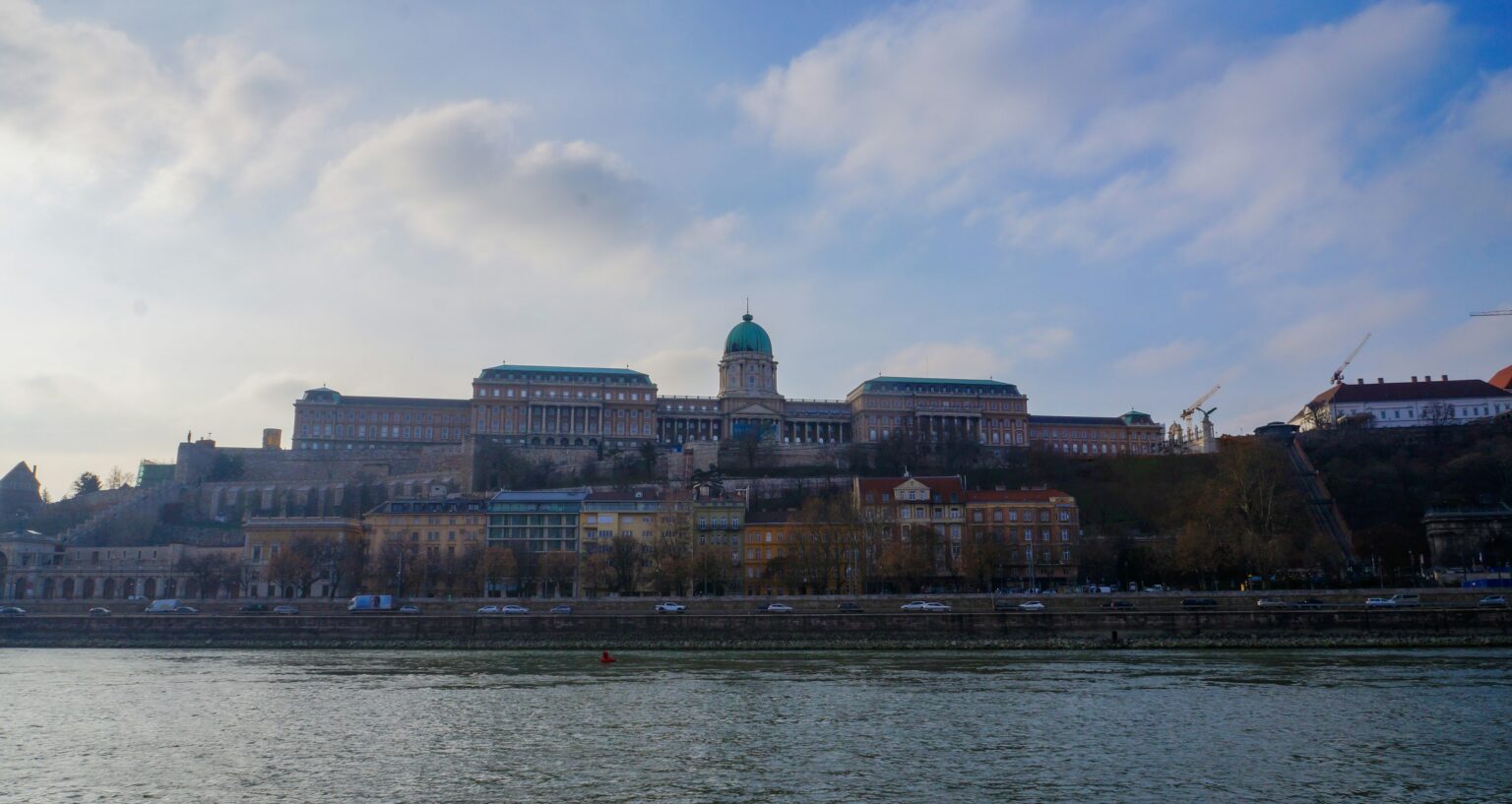
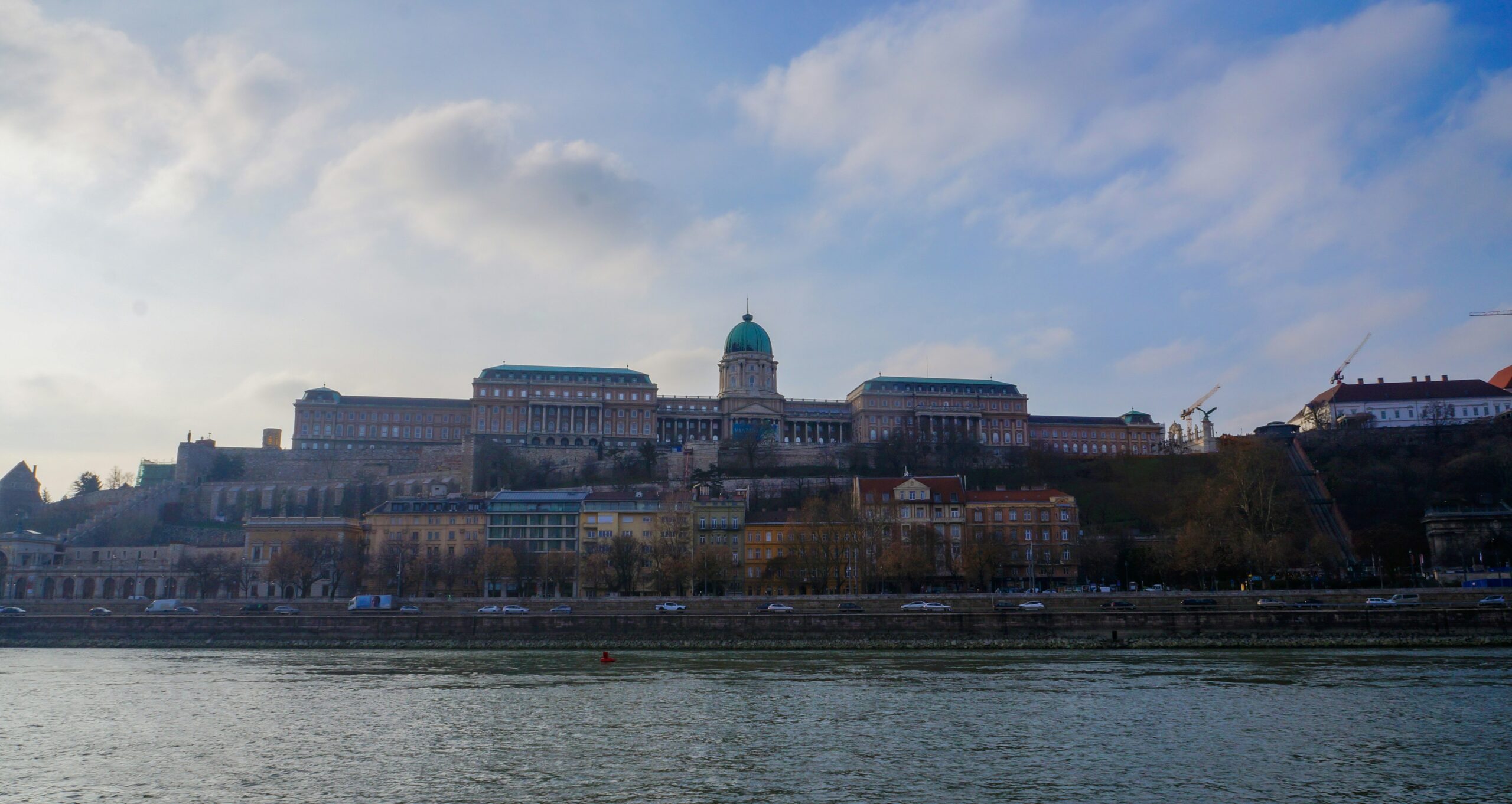
- Budapest (Hungary): 1.7M people. Buda Castle + Pest sides split by Danube. Thermal baths (Széchenyi, Gellért).
- Vienna (Austria — borderline): 1.9M. Habsburg empire capital. Schönbrunn, Hofburg.
- Warsaw (Poland): 1.8M. Rebuilt Old Town (UNESCO 1980). Royal Castle, ghetto memorial.
- Bucharest (Romania): 1.7M. Palace of Parliament. “Little Paris of East”.
- Sofia (Bulgaria): 1.2M. Alexander Nevsky Cathedral. Vitosha mountain backdrop.
- Tallinn (Estonia): 450K. Walled medieval Old Town UNESCO 1997.
- Belgrade (Serbia): 1.4M. Kalemegdan fortress confluence Danube + Sava.
Eastern European food
- Pierogi (Poland): dumplings stuffed with potato + cheese, meat, mushrooms, sauerkraut. National dish.
- Goulash (Hungary): beef stew with paprika. Original “gulyás” — herder’s soup.
- Schnitzel/Tatar (Czech): breaded pork. Tatar = raw beef tartare.
- Mititei (Romania): minced meat sausages without casing. Grilled.
- Banitsa (Bulgaria): filo pastry with cheese.
- Cevapi (Balkans): minced meat fingers grilled with onion + ajvar (red pepper relish).
- Kapusta (Slavic): sauerkraut. With sausage, dumplings, potato.
- Borscht: beet soup. Ukraine, Russia, Poland traditions.
- Strudel + paklava: Habsburg + Ottoman pastry traditions.
- Beer + spirits: Czech + Polish + Bavarian beer best. Slivovitz (plum brandy), Tuica (Romanian), Rakija (Balkans).
Sample 14-day itineraries
- Classic Central Europe: Prague (4) + Vienna (3) + Budapest (3) + Krakow (4). Train EuroCity links.
- Polish odyssey: Krakow (4) + Warsaw (3) + Gdansk (3) + Wroclaw (2) + Auschwitz (1) + Wieliczka salt mine (1).
- Balkans grand tour: Ljubljana + Zagreb + Plitvice + Split + Mostar + Sarajevo + Belgrade + Sofia.
- Baltic capitals: Tallinn (3) + Riga (3) + Vilnius (3) + Curonian Spit + Sigulda + Pärnu (5 days extras).
- Romania + Bulgaria: Bucharest (2) + Brasov + Bran (3) + Sighisoara (1) + Sibiu (1) + Sofia (3) + Plovdiv (2) + Veliko Tarnovo (2).
- Mediterranean Eastern: Dubrovnik + Kotor + Tirana + Skopje + Ohrid + Thessaloniki.
Communist heritage
- Berlin Wall (Germany): East Side Gallery + Checkpoint Charlie + Berlin Wall Memorial.
- Auschwitz-Birkenau (Poland): Nazi camp memorial. UNESCO. Sobering visit.
- Krakow Nowa Huta: communist worker’s quarter. Tour by Trabant car.
- Warsaw PRL Museum + ZOMO: Polish People’s Republic memorabilia.
- Berlin Stasi Museum + Hohenschönhausen prison: East German secret police.
- Sofia Communist Statues Park: removed monuments.
- Bucharest Palace of Parliament: Ceauşescu’s grandiose monument. 2nd-largest building world.
- Budapest House of Terror: Nazi + Communist persecution museum.
- Bunkers (Albania): Hoxha’s 700,000 paranoid bunkers visible everywhere.
Practical info
- Visas: Most Schengen. Romania + Bulgaria full Schengen since March 2024. Croatia 2023. Albania, Bosnia, Serbia, Montenegro outside.
- Currency: Euro: Slovenia, Slovakia, Croatia, Latvia, Lithuania, Estonia. Polish złoty, Czech koruna, Hungarian forint, Romanian leu, Bulgarian lev, Serbian dinar, Albanian lek, etc.
- Best time: May-September. May-June + September best (mild, fewer crowds). July-August peak (warm, busy).
- Trains: EuroCity + InterCity. Eurail covers most. Eastern Europe pass cheaper.
- Buses: FlixBus connects 2,500+ destinations. €5-50 per route. Often best for Balkans.
- Budget: €40-90/day budget, €70-150 mid-range. Way cheaper than Western Europe.
- English: universal in tourism, less in rural. Russian common older generations Slavic.
- Cash: still important. ATMs reliable. Cards accepted in cities.
Frequently Asked Questions
What is Eastern Europe?
Geographically east of Vienna. Culturally Slavic + Magyar + Romanian + Baltic. Historically former Eastern Bloc 1945-1989. ~20 countries from Baltic to Black Sea + Balkans.
Cheapest Eastern European country?
Albania, Romania, Bulgaria, Bosnia cheapest (€30-60/day budget). Czech Republic, Poland, Hungary mid-range (€50-90). Slovenia, Estonia, Lithuania pricier (€60-110). Still 30-50% less than Western Europe.
Best first-time Eastern Europe?
Classic combo: Prague + Vienna + Budapest + Krakow (14 days). Or Baltic: Tallinn + Riga + Vilnius. Both compact, English-friendly, beautiful, manageable.
Eastern Europe in Schengen?
Most yes (Poland, Czech, Slovakia, Hungary, Slovenia, Croatia, Estonia, Latvia, Lithuania, Romania, Bulgaria — last two full Schengen March 2024). Outside: Serbia, Bosnia, Montenegro, Albania, North Macedonia, Kosovo.
Do they speak English?
Yes in tourism + cities, less in rural areas. Better in younger generations. Older Slavic-speaking generations may know Russian. German common in Czech + Hungary.
When to visit Eastern Europe?
May-September. May-June + September best (mild, fewer crowds, all open). July-August peak heat + crowds. December for Christmas markets (Prague, Krakow, Budapest, Vienna).
Recommended on Amazon
As an Amazon Associate, grandgo.com earns from qualifying purchases. Links below are affiliate links — clicking them may earn us a small commission at no extra cost to you. Prices and availability are shown on Amazon.co.uk.
- Lonely Planet Eastern Europe — comprehensive guide.
- Eurail Eastern Europe pass — rail travel.
- European travel adapter — multi-country plug.
See also
Related Guides
- How to Get from Sofia Airport (SOF) to City Centre — Airport guide
- FlixBus Promo Codes + European Bus Travel Tips — Promo & discounts
More Train Station Guides
- Budapest Train Stations Guide — Train station guide
More Train Station Guides
- Warszawa Centralna Guide — Train station guide