



Quick Answer
Germany is Europe’s economic powerhouse and cultural giant. 357,000 km², 84 million people. 16 federal states (Bundesländer) each distinct. Top regions: Berlin (capital), Bavaria (Munich, castles, Oktoberfest), Hamburg (port, music), Rhine Valley (UNESCO castles), Black Forest (cuckoo clocks, spas), North Sea + Baltic Sea coasts. Top cities: Berlin, Munich, Hamburg, Cologne, Frankfurt, Dresden. Famous for: beer (Reinheitsgebot 1516), cars (BMW, Mercedes, Porsche, VW), Oktoberfest, Christmas markets, philosophy (Kant, Hegel, Nietzsche), classical music (Bach, Beethoven). Best time: May-September. December for Christmas markets. Days needed: 7-14 for major regions. Currency: Euro. Budget: €80-160/day mid-range.

Top regions
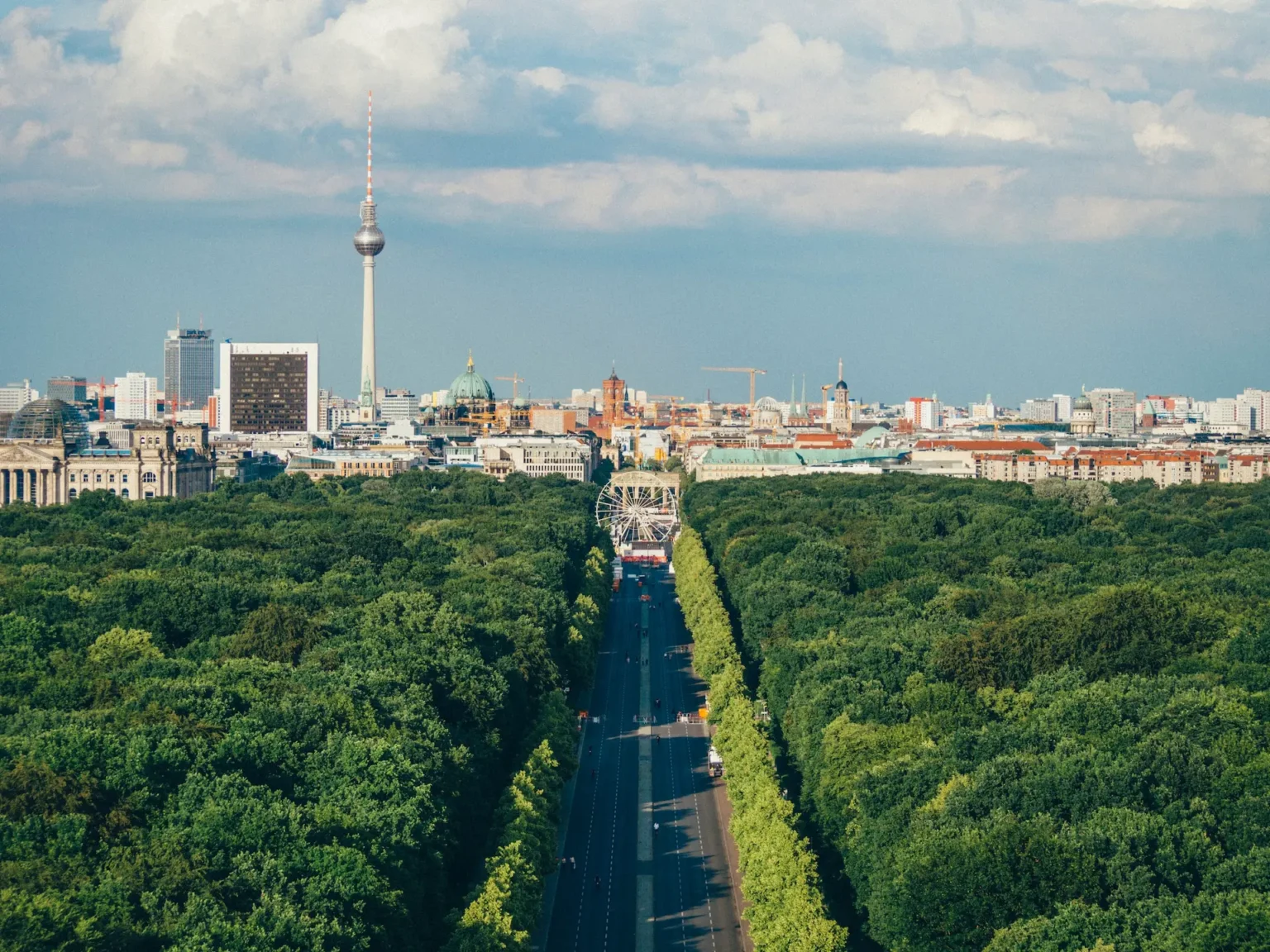
- Berlin (capital): 3.7M people. Brandenburg Gate, Reichstag, Museum Island UNESCO, East Side Gallery, Cold War history.
- Bavaria (Bayern): Munich (Oktoberfest, Marienplatz), Neuschwanstein Castle, Bavarian Alps, Nuremberg.
- Rhine Valley (UNESCO): 65 km Bingen-Koblenz. 40+ castles. River cruises.
- Black Forest (Schwarzwald): Baden-Württemberg. Cuckoo clocks, Triberg Falls, hiking, Baden-Baden spa.
- Hamburg: 1.8M, Germany’s port. Reeperbahn nightlife, Beatles history, HafenCity new district.
- Cologne (Köln): Gothic cathedral (highest in Germany), Roman ruins, Karneval.
- Dresden: Saxony capital. Frauenkirche, Zwinger Palace, “Florence on the Elbe”.
- Frankfurt: financial center. Skyscrapers, Goethe house, Christmas market.
Top cities deep dive
- Berlin (4-5 days): Brandenburg Gate, Reichstag (book free), Museum Island UNESCO, East Side Gallery, Checkpoint Charlie, Holocaust Memorial.
- Munich (3-4 days): Marienplatz, Neuschwanstein Castle (day trip), Hofbräuhaus, Englischer Garten, Nymphenburg Palace, Oktoberfest if September-October.
- Hamburg (2-3 days): HafenCity, Reeperbahn, Speicherstadt UNESCO, Elbphilharmonie, Beatles history St. Pauli.
- Cologne (1-2 days): Cathedral (Kölner Dom — climb 533 steps for views), Roman ruins, Old Town pubs.
- Dresden (2 days): Frauenkirche restored after WWII, Zwinger Palace, Old Masters Picture Gallery.
- Frankfurt (1-2 days): mostly business but Goethe House, Römer (medieval), Main Tower views.
German cuisine
- Bratwurst: grilled sausage. Each region has variant (Nuremberg, Thuringian).
- Sauerbraten: marinated pot roast.
- Schnitzel: breaded veal cutlet (Wiener Schnitzel) or pork.
- Spätzle: egg noodles. Swabian.
- Pretzel (Brezel): Bavarian. Big soft kind.
- Currywurst: Berlin specialty. Sausage + curry ketchup.
- Beer (Reinheitsgebot 1516): 1,500 breweries. Pilsner, Weizen, Helles, Kölsch (Cologne), Altbier (Düsseldorf).
- Wine: Riesling. Mosel, Rheingau, Pfalz regions.
- Christmas markets: Glühwein (mulled wine), Lebkuchen (gingerbread), bratwurst.
Practical info
- Getting there: Frankfurt FRA (largest), Munich MUC, Berlin BER, Hamburg HAM. Major airports.
- Train: ICE high-speed connects all major cities. Berlin-Munich 4h. Berlin-Hamburg 1h45.
- Best time: May-September warm. December for Christmas markets. October for Oktoberfest.
- Where to stay: historic centers (Mitte Berlin, Marienplatz Munich, Speicherstadt Hamburg).
- Currency: Euro.
- Budget: €80-160/day. Hotel 3* €80-150. Restaurant meal €15-25.
- Language: German. English widely spoken in cities and tourism.
Frequently Asked Questions
How long do I need in Germany?
Minimum 7 days for Berlin + Munich. Ideal 14 days for full circuit (Berlin + Bavaria + Hamburg + Rhine + Black Forest). Each region rewards 3-4 days.
Best time to visit Germany?
May-September warm + festivals. October Oktoberfest. December Christmas markets. November-March cold + grey but no crowds.
Most beautiful German city?
Subjective. Munich for Bavaria culture. Dresden for restored Baroque. Heidelberg for romantic. Berlin for grit + history. Hamburg for water.
Is Germany expensive?
Mid-range Western Europe. €80-160/day. Cheaper than Switzerland/Norway, similar to France/UK. Hotels €80-150 mid-range.
German cuisine — should I worry?
Many fear heavy meat-and-potatoes. Reality: Germany has excellent vegetarian options now. Asian-fusion in cities. Bakeries world-class. Try Spätzle, Maultaschen (vegetarian dumplings).
Best Christmas market in Germany?
Nuremberg Christkindlesmarkt (oldest, since 1628). Dresden Striezelmarkt. Cologne (largest). Munich Christkindlmarkt. Late November to early January.
Recommended on Amazon
As an Amazon Associate, grandgo.com earns from qualifying purchases. Links below are affiliate links — clicking them may earn us a small commission at no extra cost to you. Prices and availability are shown on Amazon.co.uk.
- Lonely Planet Germany — comprehensive country guide.
- German phrasebook — travel essentials.
- Germany travel adapter Type F — European plug.
See also
Related Guides
- Eurowings Baggage, Check-In + Boarding Guide — Airline guide