


, Old Town, Documentation Centre, Nazi Trials, Albrecht Dürer house.)
Quick Answer
Nuremberg (Nürnberg) is Bavaria’s second-largest city — population 530,000, founded 1050, free Imperial city of Holy Roman Empire (1219-1806). Top sights: Imperial Castle (Kaiserburg) (12th century, hilltop, 35,000 royal stays — symbol of city), Old Town (Altstadt) (walled medieval, 5 km perfectly preserved walls), Christkindlesmarkt (most famous Christmas market in Germany — 2 million visitors, since 1628), St. Lorenz Church (Gothic, 1252), Albrecht Dürer’s House (Renaissance painter’s home + studio), Hauptmarkt (main square with Beautiful Fountain — turn the gold ring for a wish), Documentation Centre (Nazi rally grounds memorial), Memorium Nuremberg Trials (Courtroom 600 — where 1945-46 Nazi trials held), Toy Museum (Nuremberg traditional toy industry). Days needed: 2-3. Best time: late November-December (Christmas market). May-September warm. Currency: Euro. Budget: €100-180/day mid-range. Specialty: Nuremberg Rostbratwurst (small grilled sausages, 6-8 served) and Lebkuchen (gingerbread since 14th century).
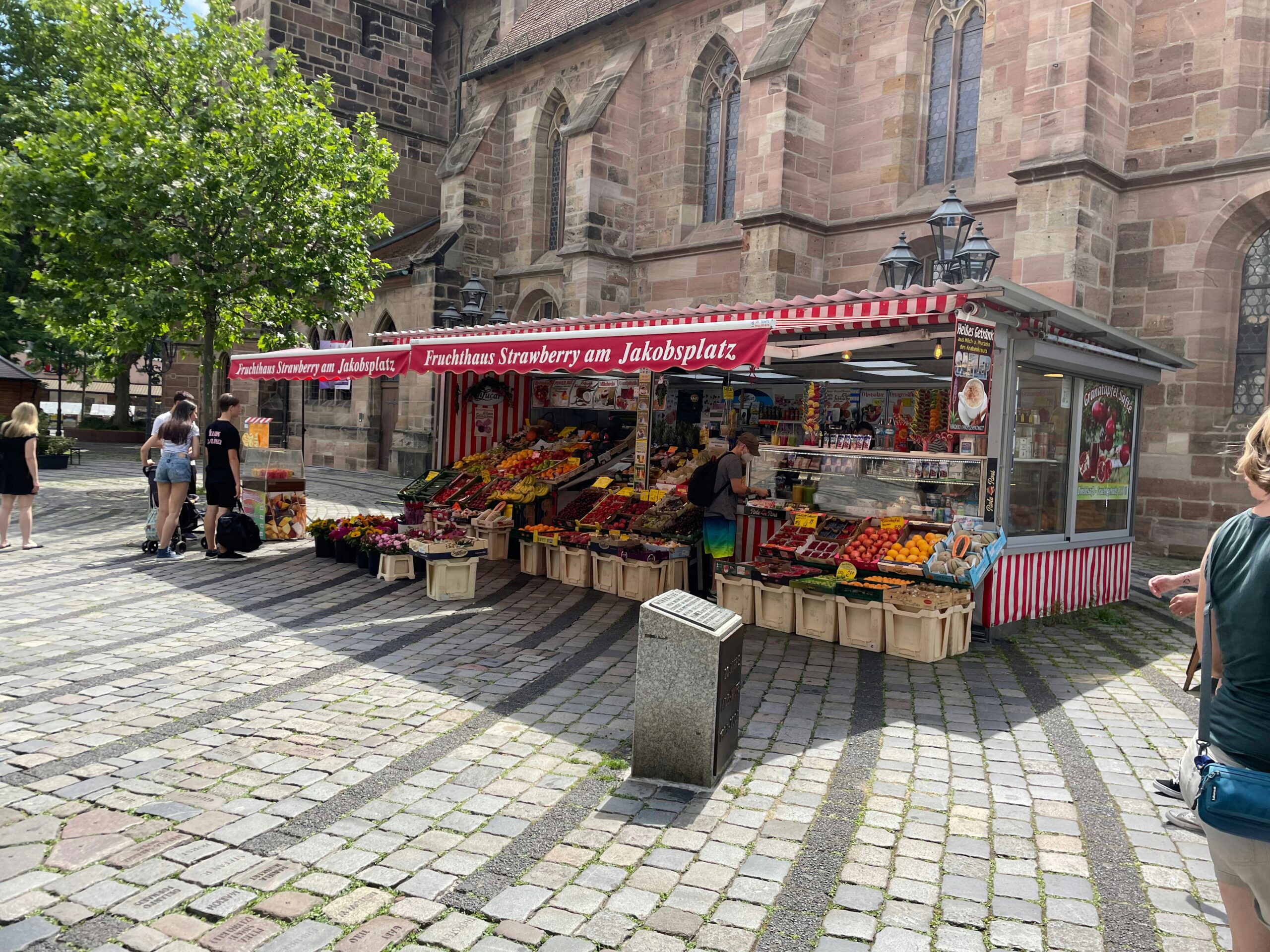
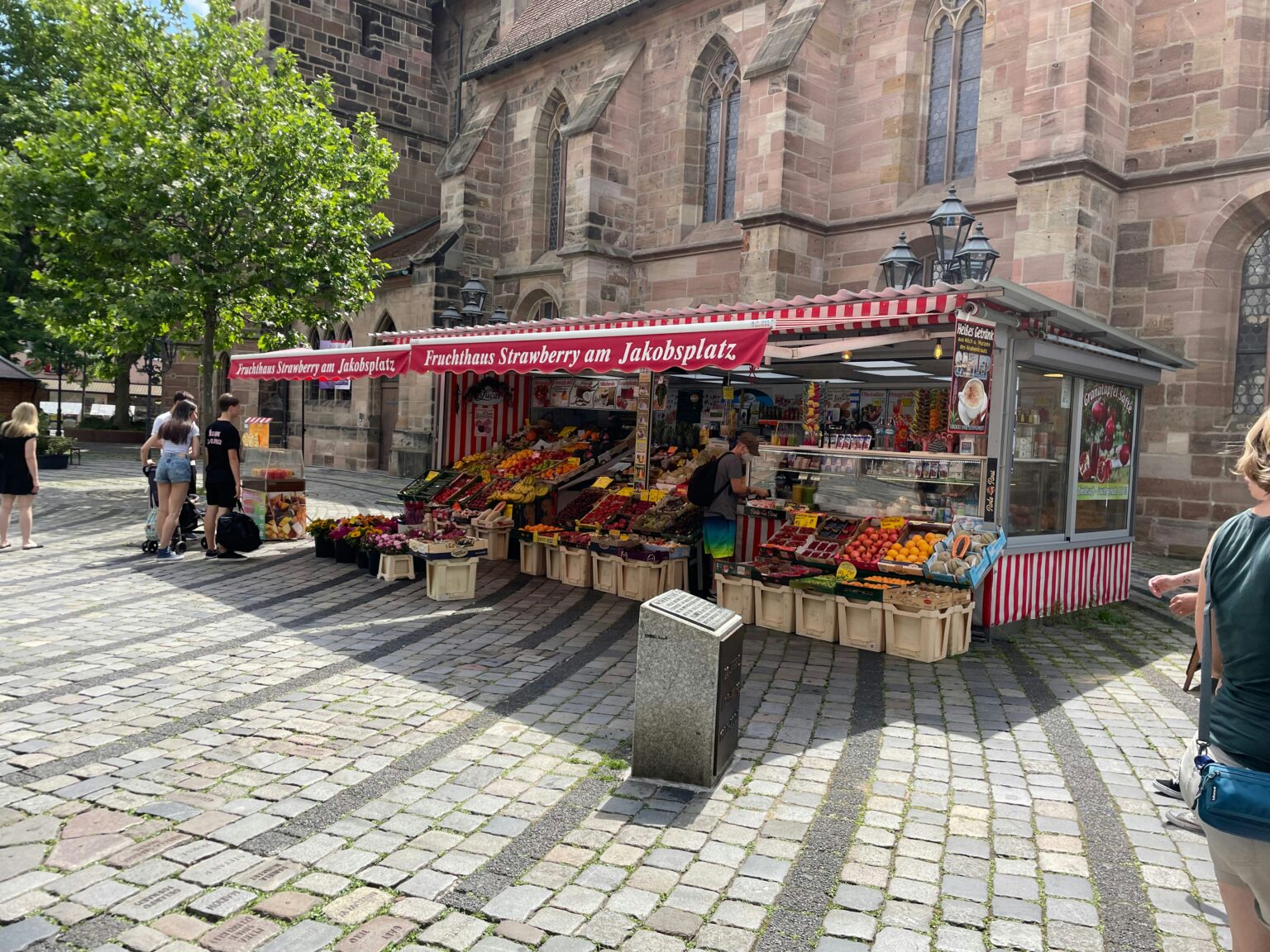
Old Town (Altstadt)
- 5 km medieval walls: 80 watchtowers preserved. Walk top sections free.
- Hauptmarkt: central square. Christkindlesmarkt host. Beautiful Fountain (Schöner Brunnen) — touch gold ring on side for wish.
- St. Sebald Church: 13th-century Gothic. Tomb of saint with bronze canopy.
- St. Lorenz Church: 1252 Gothic. “Annunciation in the Rosary” carved by Veit Stoss 1517.
- Frauenkirche (Church of Our Lady): 1352. Mechanical clock with electors paying homage to emperor 12pm daily.
- Hangman’s Bridge (Henkersteg): covered medieval pedestrian bridge.
- Weissgerbergasse: half-timbered street — postcard-perfect.
- Old Town Hall: 14th-century Gothic-Renaissance.
- Tiergärtnertor + Tiergärtnertorplatz: historic gate + square at castle base. Charming cafés.
Imperial Castle (Kaiserburg)
- 12th century: Holy Roman Emperors’ favourite residence. 35,000 royal stays recorded.
- Sinwell Tower: circular keep. Climb for panoramic city views.
- Deep Well (Tiefer Brunnen): 50m deep. Demonstration with mirror + water bucket.
- Imperial Apartments + Knights’ Hall: medieval rooms restored.
- Romanesque Double Chapel: two-tier chapel for emperors + court.
- Kaiserburg Museum: imperial regalia + history.
- €7 entry: includes castle + tower + museum.
- Castle Garden: free terraced view garden.
- Reichsstadtmuseum (Imperial City Museum): below castle. Free Habsburg-era exhibits.
Christkindlesmarkt — most famous in Germany
- Since 1628: oldest Christmas market in Germany.
- 2 million visitors: over 4 weeks. Late November-December 24.
- 200 wooden stalls: Hauptmarkt + spillover into adjacent streets.
- Christkind opens: ceremony Friday before 1st Advent at 5:30pm. Nuremberg-born girl in golden costume opens market.
- Specialties: Nuremberg Lebkuchen (gingerbread since 1395), Nuremberg Bratwurst, Glühwein (mulled wine in collectible mugs), Zwetschgenmännle (prune-people figures), Christmas decorations.
- Children’s market (Kinderweihnacht): separate area for kids.
- International cousin markets: Sister cities including Krakow + Edinburgh.
- Best time visit: late afternoon-evening for atmosphere. Daytime less crowded.
- Stay nearby: books up months ahead. Hotels triple-priced.
WWII + Nazi heritage
- Nazi Party Rally Grounds: 1933-1938 propaganda spectacles. Built by Albert Speer.
- Documentation Centre: in unfinished Congress Hall (would have held 50,000). Comprehensive Nazi history museum. €5.
- Zeppelinfeld: stadium where Hitler addressed crowds. Now decaying memorial. Free.
- WWII bombing: 1945 Allied bombing destroyed 90% of Old Town. Most rebuilt to medieval appearance.
- Memorium Nuremberg Trials (Courtroom 600): where 1945-1946 Nuremberg Trials held. 24 Nazi defendants. €6.
- Justice Palace: still active courthouse. Court 600 visitors when not in session.
- Significance: Nuremberg Trials established crimes against humanity. Foundation of international law.
- Reflective tours: walking tours combine historical sights respectfully.
Albrecht Dürer + Renaissance
- Albrecht Dürer (1471-1528): German Renaissance painter + printmaker. Born + died in Nuremberg.
- Dürer’s House (Albrecht-Dürer-Haus): 1420 medieval house where Dürer lived 1509-1528. Original studio recreated. €6.
- Dürer’s works: Praying Hands, Self-Portrait at 28 (Christ-like), Knight Death + Devil, Melencolia I.
- Germanisches Nationalmuseum: largest German art + culture museum. Dürer + Cranach + medieval German art. €10.
- Veit Stoss (1450-1533): wood + stone sculptor. “Annunciation” in St. Lorenz Church. Master of late Gothic.
- Adam Kraft (1455-1509): stone sculptor. Sacrament House in St. Lorenz. Self-portrait kneeling at base.
- Peter Vischer the Elder: bronze caster. St. Sebald shrine.
- Renaissance Nuremberg legacy: “Florence of Germany” in 16th century.
Other museums + sights
- Toy Museum (Spielzeugmuseum): Nuremberg world toy capital. €6.
- DB Museum: German railway museum. Original “Adler” first German train. €7.
- Documentation Centre Nazi Party Rally Grounds: mentioned above. Powerful.
- Sansi-Park / Volkspark Marienberg: 30-hectare park.
- Tucherschloss + Hirsvogelsaal: 16th-century patrician mansion + Renaissance hall.
- Mauthalle: medieval customs hall. Now upscale restaurant.
- Nuremberg Zoo: 50 hectares. Polar bears.
- Memorial to Nuremberg Trials: memorial walk through Justice Palace area.
Nuremberg food
- Nuremberg Rostbratwurst (PGI): small finger-sized sausages 7-9cm. Grilled over beechwood. 6-8 served on pewter plate with sauerkraut + potato salad. Try at Bratwurst Häusle, Bratwurst-Röslein, Bratwursthäusle.
- Drei im Weckla: “three in a bun” — three Bratwurst in roll with mustard. Street food.
- Sauerbraten: marinated pot roast.
- Schweinshaxe: Bavarian roasted pork knuckle.
- Lebkuchen: Nuremberg gingerbread since 1395. Wicklein, Lebkuchen-Schmidt, Karl Schwarz brands. Christmas season everywhere.
- Kaiserschmarrn: shredded sweet pancake.
- Nürnberger Würzbier: traditional spiced beer.
- Tucher + Lederer breweries: local Nuremberg.
- Nürnberger Bratwurst Glöcklein im Handwerkerhof: medieval-style courtyard restaurant.
Practical info
- Getting there: Nuremberg Airport (NUE). ICE train Munich-Nuremberg 1h05. Frankfurt-Nuremberg 2h.
- Public transport: U-Bahn + S-Bahn + trams + buses. Day pass €7.20.
- Compact + walkable: Old Town fits in 1 km radius.
- Best time: late November-December for Christmas market. May-September warm summer.
- NÜRNBERG CARD: €33 48-hour. Includes transport + 30+ attractions.
- Day trips: Bamberg (40 min — UNESCO smoked beer city), Rothenburg (1h — medieval romantic road town), Würzburg (1h — Residenz UNESCO), Bayreuth (1h — Wagner festival).
- Languages: German (Franconian dialect). English in tourism.
- Weather: -5 to +5°C December (snow + magical), 20-25°C summer.
Frequently Asked Questions
Top 5 things to do in Nuremberg?
1. Imperial Castle (Kaiserburg). 2. Old Town walled medieval centre + Hauptmarkt + Beautiful Fountain. 3. Christkindlesmarkt (Christmas market — late Nov-Dec only). 4. Documentation Centre (Nazi rally grounds memorial). 5. Albrecht Dürer’s House.
Best Christmas market Germany?
Nuremberg Christkindlesmarkt — most famous + largest in Germany. Since 1628. 2 million visitors over 4 weeks. Children’s market separate. Lebkuchen + Bratwurst + Glühwein in collectible mugs. Late November-December 24.
How long for Nuremberg?
2-3 days minimum. Day 1: Old Town + Imperial Castle + Beautiful Fountain. Day 2: Documentation Centre + Memorium Nuremberg Trials + Albrecht Dürer’s House. Day 3: Toy Museum + day trip Bamberg or Rothenburg.
Nuremberg WWII history?
Nazi Party Rally Grounds 1933-1938 (Speer’s stadium). 1945-1946 Nuremberg Trials (24 Nazis tried in Courtroom 600 — established crimes against humanity). 90% of Old Town destroyed by Allied bombing 1945, mostly rebuilt to medieval appearance.
Nuremberg specialty food?
Nuremberg Rostbratwurst (small grilled sausages, 6-8 per portion with sauerkraut). Drei im Weckla (3 Bratwurst in bread roll). Lebkuchen (gingerbread since 1395). Sauerbraten + Schweinshaxe + Kaiserschmarrn.
Nuremberg vs Munich?
Both Bavaria. Nuremberg: Franconian dialect + traditions, smaller (530K), medieval walled city, Christmas market. Munich: capital + largest, more cosmopolitan, beer culture, Alpine. 1h05 ICE train apart — easy combo.
Recommended on Amazon
As an Amazon Associate, grandgo.com earns from qualifying purchases. Links below are affiliate links — clicking them may earn us a small commission at no extra cost to you. Prices and availability are shown on Amazon.co.uk.
- Lonely Planet Germany — comprehensive guide.
- Lebkuchen Nuremberg gift — traditional gingerbread.
- German phrasebook — travel essentials.
See also
Related Guides
- How to Get from Krakow Airport (KRK) to City Centre — Airport guide