


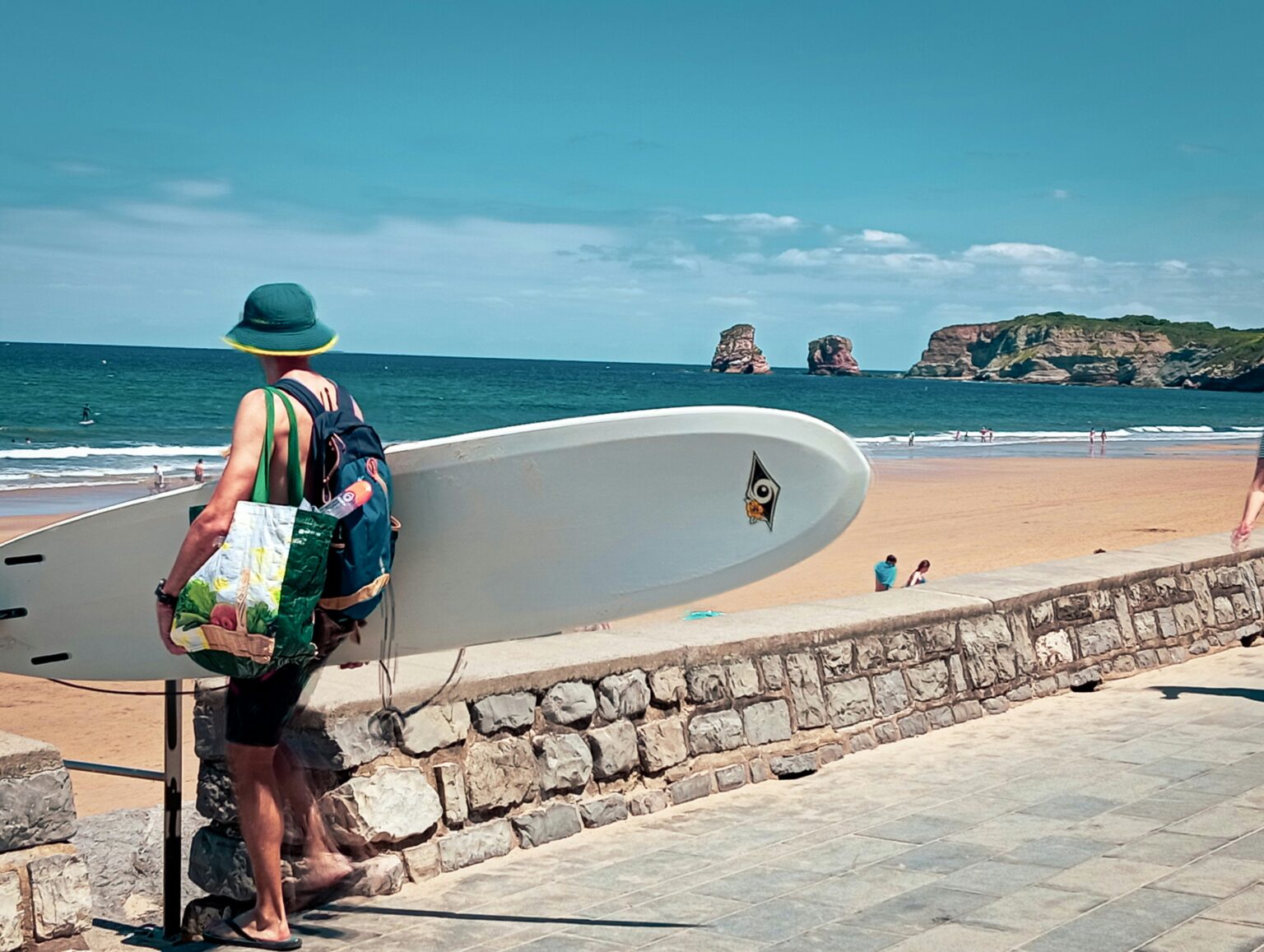
, Pintxos cuisine, Bertsolaritza poetry, Aizkolaritza wood-chopping sport, Espainikoa identity.)
Quick Answer
Basque culture (Euskal Herria) is one of Europe’s most ancient + distinct — the Basque people (“Euskaldunak”) have lived in the western Pyrenees for tens of thousands of years, predating Indo-European migrations. Population: 3 million across 7 historical provinces (4 in Spain — Álava, Vizcaya, Guipúzcoa, Navarre; 3 in France — Labourd, Lower Navarre, Soule). Cultural pillars: 1. Euskara (Basque language — oldest living European language, no known linguistic relatives, 750,000 speakers), 2. Pintxos (Basque tapas tradition — small bread-based snacks, world-class cuisine), 3. Bertsolaritza (improvised sung poetry — UNESCO 2009), 4. Aizkolaritza + Harri-jasotzaile (wood-chopping + stone-lifting rural sports), 5. Cooperativism (Mondragón world’s largest worker cooperative since 1956), 6. Strong national identity (separate flag, anthem, history — neither fully Spanish nor French). Top destinations: San Sebastián (Donostia — pintxos capital + Michelin density highest world), Bilbao (Guggenheim Museum), Pamplona (San Fermín Festival July), Biarritz (French Basque + surfing). Best time: May-September. Languages: Spanish + French + Euskara.
Basque identity — neither Spanish nor French
- Euskal Herria (“land of Basques”): 7 historical provinces straddling Spain + France.
- Spanish Basque Country (País Vasco/Euskadi): 3 provinces — Álava (Vitoria), Vizcaya (Bilbao), Guipúzcoa (San Sebastián). Plus Navarre (mostly Basque historically — Pamplona).
- French Basque (Pays Basque): 3 provinces — Labourd (Bayonne, Biarritz), Lower Navarre (Saint-Jean-Pied-de-Port), Soule (Mauléon).
- Pre-Indo-European: Basques predate IE migrations. Lived in western Pyrenees 10,000+ years. Genetic studies confirm distinct from Spanish/French.
- Basque flag (Ikurriña): red + green + white horizontal cross. Designed 1894 by Sabino Arana.
- Anthem: “Euskal Herria Eusko Gudariak” national anthem.
- Autonomy: Spanish Basque Country has its own Parliament + government + Basque tax system + own police (Ertzaintza).
- Independence sentiment: ETA (terrorist organization 1959-2018) sought independence. Now non-violent political movements continue.
- Coat of arms: Lauburu (4-leg Basque cross/swastika — pre-Christian Basque symbol).
Euskara — oldest European language
- Linguistic isolate: NO known relatives. Pre-Indo-European. Survived Roman + Germanic + Slavic + Romance language expansions.
- Origin: spoken in Pyrenees 5,000+ years. Some linguists link to ancient Iberian + Aquitanian (also gone).
- 750,000 speakers: ~30% Basques speak Euskara natively.
- 17 dialects: Vizcaíno (Bilbao region), Guipuzcoano (San Sebastián), Souletin (Soule French), Roncalese (Navarre).
- Standardized Euskara batua: 1968. Used in schools + media.
- Official: co-official Spanish Basque Country + Navarre. NOT in French Basque (only French is official).
- Schools: 100% Basque-only schools (ikastolas) growing. 30%+ of Basque children educated entirely in Euskara.
- Try: “Kaixo” (hello). “Eskerrik asko” (thank you — pronounce “esh-keh-rrik a-sko”). “Ongi etorri” (welcome). “Agur” (goodbye).
- Numbers: base-20 (vigesimal). 30 = “hogeita hamar” (twenty-and-ten). Quirky.
- Place names: Bilbo (Bilbao), Donostia (San Sebastián), Iruñea (Pamplona), Gasteiz (Vitoria), Baiona (Bayonne).
Pintxos — Basque tapas culture
- Pintxo (Spanish: pincho): small bread-based snack. Different from tapas — pintxos always on bread + held with toothpick.
- San Sebastián 0.4 km² Old Town: 200+ pintxo bars. Highest Michelin density per capita worldwide.
- Top San Sebastián pintxo bars: La Cuchara de San Telmo (avant-garde), Bar Borda Berri (cheek of beef), Atari (fried egg + foie), Casa Urola, Gandarias.
- Pintxos crawl: 1-2 pintxos + drink at each of 4-5 bars. €40-60 per crawl.
- Basque cuisine icons: bacalao al pil pil (cod in olive oil + garlic emulsion), bacalao a la Vizcaína (tomato + pepper sauce), txangurro (spider crab), kokotxas (hake throats), idiazabal cheese.
- Modern Basque chefs: Juan Mari + Elena Arzak (Arzak 3-Michelin), Andoni Luis Aduriz (Mugaritz), Pedro Subijana (Akelaŕe).
- Txakoli wine: Basque sparkling white. Pour high above glass for foam.
- Sagardo (cider): Basque cider houses (sidrería). Apple cider 5-6%. Traditional pour from large barrel “txotx.”
- Idiazabal cheese: sheep’s milk. Smoked variety distinctive.
Bertsolaritza + arts
- Bertsolaritza: improvised sung poetry. Performer (bertsolari) given topic + meter, must compose + sing on the spot. UNESCO 2009 Intangible Heritage.
- Bertsolari Txapelketa Nagusia: grand championship every 4 years. 14,000-seat BEC arena Bilbao. National TV.
- Sara Basque village (France): bertsolari heritage village.
- Txalaparta: traditional Basque percussion instrument. 2 wooden planks struck alternately.
- Trikitixa: Basque button accordion + tambourine duo.
- Basque dance: 100+ traditional dances. Aurresku (welcome dance).
- Eusko Jaurlaritza: Basque government promotes Basque culture, festivals.
- Eduardo Chillida (1924-2002): sculptor. Chillida Leku museum near San Sebastián. Free.
- Jorge Oteiza (1908-2003): sculptor. Empty space focus.
- Basque cinema: recent boom — “Loreak” (2014, Goya for Best Film), “Patria” (2020 HBO series).
Rural sports + traditions
- Aizkolaritza: wood-chopping competition. Athletes chop logs vertically + horizontally. Festivals.
- Harri-jasotzaile: stone-lifting. Cylindrical, rectangular, spherical stones 100-200 kg.
- Sokatira: tug-of-war. Basque national sport.
- Pelota Vasca (Basque pelota): ball sport played against wall (frontoia). Variations: Jai Alai (most famous internationally — fastest ball sport), pala, esku huska.
- Estropadak: Basque rowing competitions. “Bandera de la Concha” annual San Sebastián.
- Trainera: traditional Basque whaling boat. Now used for rowing competitions.
- Aurresku: ceremonial Basque welcome dance. Performed at weddings + dignitary visits.
- San Fermín (Pamplona July 6-14): running of bulls. Most famous Basque festival. 1 million visitors. Hemingway’s “The Sun Also Rises.”
- Tamborrada (San Sebastián January 19-20): 24-hour drumming festival. 15,000 participants.
- Korrika: annual relay race for Basque language. 2,500 km across 7 provinces. April every 2 years.
Top Basque destinations
- San Sebastián (Donostia): 187K. Pintxos capital. La Concha beach (best urban beach Spain). 3 days minimum.
- Bilbao (Bilbo): 350K. Guggenheim Museum (Frank Gehry 1997). Casco Viejo old quarter. Modern art reborn city. 2 days.
- Pamplona (Iruñea): 200K. San Fermín July 6-14. Walled medieval centre. 1 day.
- Vitoria (Gasteiz): 250K. Capital of Basque Autonomous Community. Less touristy. 1 day.
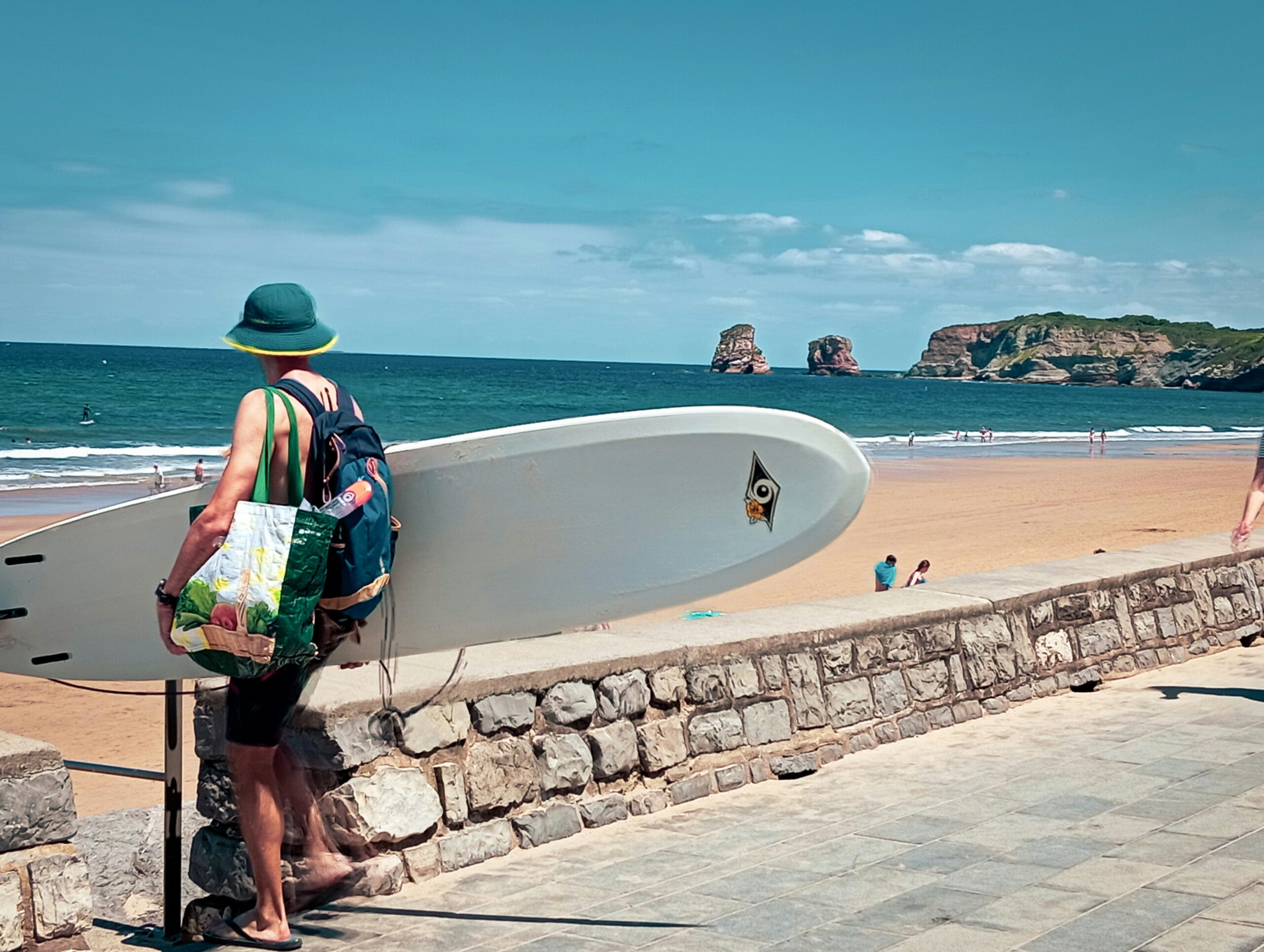
- Biarritz (French Basque): 25K. Surfing capital + 19th-c. spa town. 2 days.
- Bayonne (French Basque): 50K. Old town + cathedral + Basque Museum + chocolate.
- Saint-Jean-de-Luz (French Basque): seaside resort.
- Zarautz + Getaria + Hondarribia: coastal villages between San Sebastián + French border.
- Camino del Norte: Camino de Santiago coastal route through Basque Country.
- Pyrenees mountain villages: Sara, Ainhoa, Espelette (chili pepper).
Mondragón + cooperativism
- Mondragón Corporation: world’s largest worker cooperative. Founded 1956 in Basque village Arrasate-Mondragón.
- 80,000 workers: across 100+ companies in industry + finance + retail + research.
- Companies: Eroski (supermarkets), Fagor (appliances — went bankrupt 2013), Orona (elevators), MAPSA (auto parts).
- Mondragón University: cooperative university. Engineering + business + humanities.
- Principles: education, sovereignty of labour, instrumental nature of capital, democratic organization.
- Pay ratio: highest paid limited to 8x lowest-paid (vs 200x+ in some US corps).
- Influence: studied as alternative economic model. Inspires worker-owned movements globally.
- Visit: Mondragón Corp. headquarters tours available. Nearby museum.
- Cooperativism + Basque values: connected to community-first culture. Ikastolas (schools) often cooperatives too.
Practical info
- Getting there: Bilbao (BIO) main airport. San Sebastián (EAS) seasonal. Biarritz (BIQ) French side.
- Currency: Spanish Basque + French Basque both Euro.
- Languages: Spanish + French + Euskara. Tourism multilingual.
- Best time: May-September. June-September warmest. Avoid July (locals leave + heat).
- Days needed: 5-7. 5: San Sebastián + Bilbao + Pamplona. 7: + French Basque (Biarritz + Bayonne) + Pyrenees village.
- Driving: rural roads narrow. Spanish + French side both manageable.
- Camino: walk Camino del Norte coastal route through Basque coast.
- Surfing: Biarritz + Mundaka + Hondarribia world-class.
- Politics: avoid bringing up independence in casual conversation. Sensitive topic.
- Pintxo crawl etiquette: 1-2 pintxos + drink + leave. Hop next bar. Don’t sit at one place all night. Pay separately each bar.
Frequently Asked Questions
Why is Basque culture distinct?
Basques are pre-Indo-European — lived in western Pyrenees 10,000+ years before IE migrations. Euskara language has no known relatives (linguistic isolate). Genetic studies confirm distinct ancestry. Strong identity neither Spanish nor French.
Is Euskara hard to learn?
Yes — Indo-European speakers find it very different. 14 grammatical cases, base-20 numbering. But 750K speakers. Don’t worry as tourist — Spanish + French universal. Try basic phrases: ‘Kaixo’ (hello), ‘Eskerrik asko’ (thank you).
Best Basque pintxo bar?
San Sebastián Old Town 200+ pintxo bars. Top: La Cuchara de San Telmo (avant-garde), Bar Borda Berri (cheek of beef), Atari (fried egg + foie), Casa Urola, Gandarias. Pintxo crawl 4-5 bars €40-60.
Spanish vs French Basque?
Spanish: 4 provinces (Álava + Vizcaya + Guipúzcoa + Navarre), bigger, more nationalistic, Bilbao + San Sebastián cities. French: 3 provinces (Labourd + Lower Navarre + Soule), smaller, less nationalist, Biarritz + Bayonne. Both 7 days each ideal.
San Fermín worth visit?
Yes if interested in tradition. Pamplona July 6-14. 1M visitors. Running of bulls 8am daily. Hemingway ‘Sun Also Rises’ setting. Crowded + expensive but unique. Or visit Pamplona other times for medieval centre alone.
Basque vs Catalan culture?
Both strong regional identities in Spain. Basque: pre-Indo-European, ancient, more rural, pintxos + Euskara. Catalan: Romance language, modern Mediterranean, Gaudí + design. Both seek more autonomy. Different histories — Basque older.
Recommended on Amazon
As an Amazon Associate, grandgo.com earns from qualifying purchases. Links below are affiliate links — clicking them may earn us a small commission at no extra cost to you. Prices and availability are shown on Amazon.co.uk.
- Lonely Planet Spain — covers Basque Country.
- Basque cookbook — pintxos + recipes.
- Basque language guide — Euskara introduction.
See also
Related Guides
- Holafly eSIM Promo Codes + Unlimited Data Travel Guide — Promo & discounts
- Airalo eSIM Promo Codes + Travel Internet Guide — Promo & discounts