



Introduction
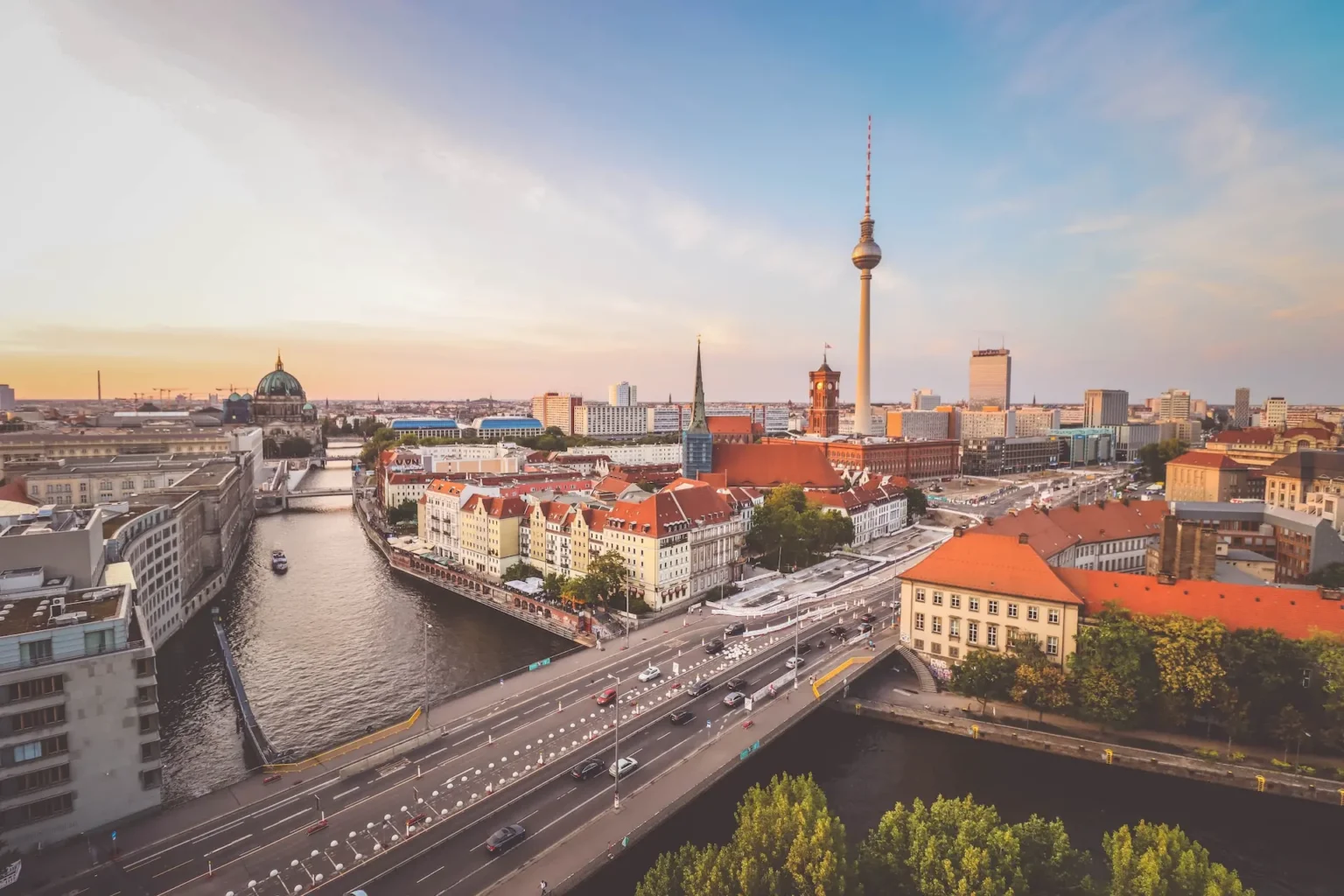
When it comes to iconic European destinations, Germany undoubtedly tops the list. From its rich history to modern innovation, this country is a blend of old-world charm and new-age dynamism. At the heart of it all lies the captivating capital of Germany, a city that has witnessed historical transformations and emerged as a cultural and economic powerhouse. In this article, we delve into the intriguing facets of Germany’s capital city, exploring its significance, history, and geographical location.
What is the Capital of Germany?
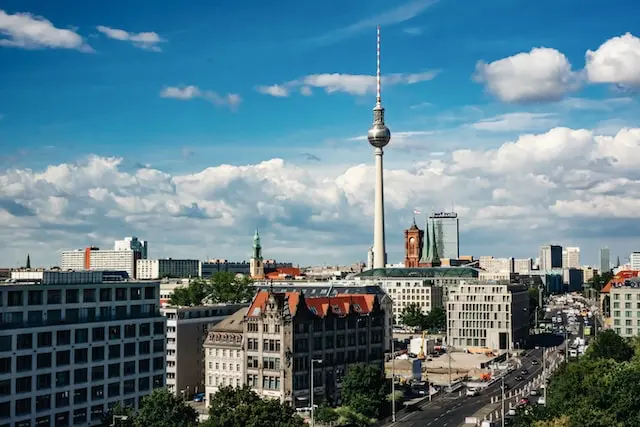
The capital of Germany is Berlin. It’s not just a capital city; it’s a living testament to the nation’s resilience and evolution. Berlin stands as a vibrant symbol of unity, as it was once divided into East and West Berlin during the Cold War era. Today, it’s a thriving metropolis known for its artistic expression, historic landmarks, and global influence.
As the largest city in the country, Berlin boasts a population that mirrors its diverse and cosmopolitan character. The city is a cultural mosaic, offering a wide range of attractions, from world-class museums and galleries to bustling markets and serene parks. Berlin’s significance stretches beyond its borders; it’s a political, economic, and cultural hub that draws people from all corners of the globe.
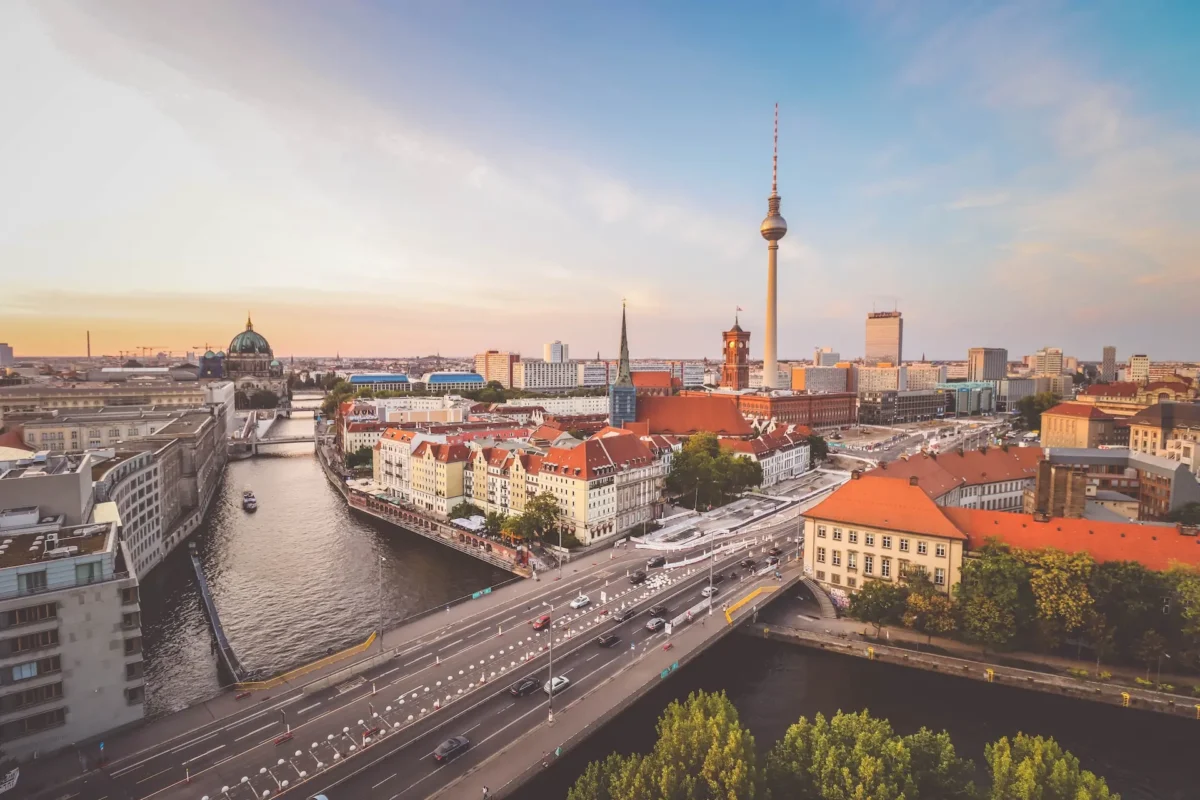
Situated in the northeastern part of the country, Berlin has held the title of Germany’s capital since the reunification of West and East Germany in 1990. It’s a capital city of contradictions, where historic architecture seamlessly merges with modern skyscrapers and where a tumultuous past is embraced as a catalyst for growth and change.
What Was the Capital of West Germany?
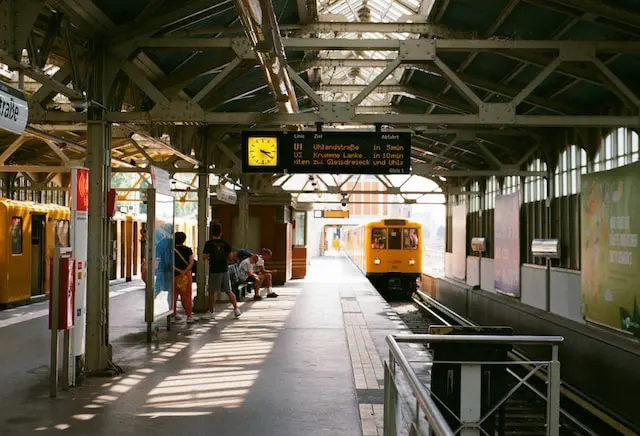
The capital of Federal Republic of Germany was Bonn. During the period of division, Bonn served as the de facto capital of West Germany from 1949 to 1990. This decision was made due to its strategic location in the western part of the country and its relative proximity to the border with East Germany. The reunification of Germany resulted in the re-establishment of Berlin as the unified capital.

Where is the Capital of Germany?
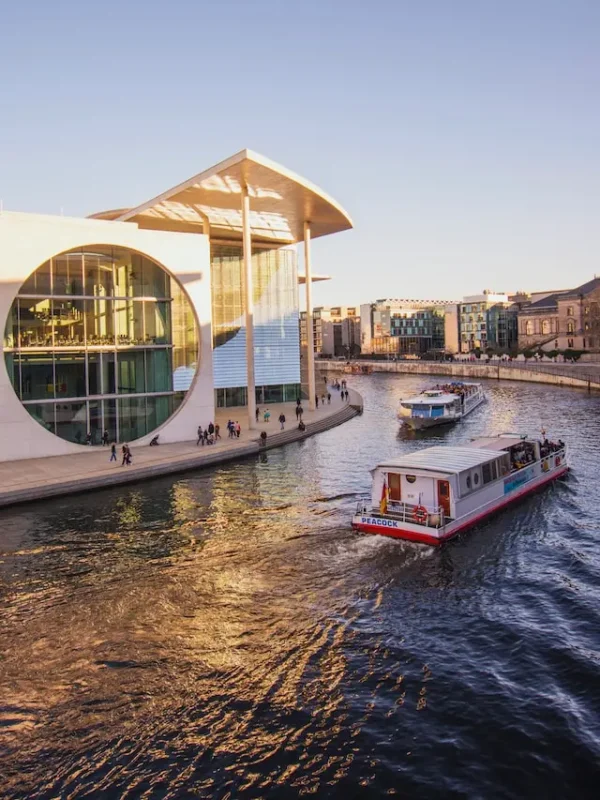
The capital of Germany, Berlin, is located in the northeastern part of the country. It lies on the banks of the River Spree, which has played a pivotal role in shaping the city’s history and development. Geographically, Berlin is situated in the heart of Europe, making it a strategic crossroads for trade, culture, and diplomacy.
How many times has the capital of Germany changed?
The capital of Germany has changed multiple times throughout its history. Before the modern reunification of West and East Germany, the capital city shifted due to various historical and political circumstances. Notably, Berlin has been the capital multiple times:
The Holy Roman Empire:
Various cities served as capitals during different periods of the Holy Roman Empire, including Aachen, Frankfurt, and Regensburg.
German Empire:
The German Empire, established in 1871, had its capital in Berlin.
Weimar Republic:
After World War I, during the Weimar Republic era, the capital remained in Berlin.
Nazi Germany:
Under Nazi rule, Berlin continued to be the capital.
Division and Reunification:
During the Cold War, when Germany was divided into East and West, Bonn was the capital of Federal Republic of Germany, and East Berlin was the capital of East Germany (German Democratic Republic).
Reunified Germany:
Following the reunification of West and East Germany in 1990, Berlin regained its status as the unified capital of Germany.
In total, the capital of Germany has changed several times due to historical events, political shifts, and the process of reunification.
Why is Frankfurt not the capital of Germany?
Frankfurt, being one of the largest and most influential cities in Germany, often raises the question of why it is not the capital. The decision to make Berlin the capital of Germany can be attributed to historical, political, and symbolic reasons.
- Historical Significance: Berlin has a long history as a capital city, dating back to its role as the capital of the Kingdom of Prussia and later the German Empire. It has been a center of power, culture, and influence for centuries.
- Symbolism of Unity: After World War II and the Cold War division, making Berlin the capital symbolized the reunification of East and West Germany. It represented a fresh start for the entire nation and marked the end of a painful period of separation.
- Administrative Convenience: While Frankfurt is a major financial and economic hub, it might have been seen as more convenient to have the economic center in Frankfurt and the political center in Berlin. This division of roles could help balance the country’s functions.
- Cultural and Political Diversity: Berlin’s central location in Europe, its historical significance, and its cultural diversity make it an ideal capital that can accommodate the diverse political and cultural landscape of Germany.
- International Recognition: Designating Berlin as the capital maintained continuity in terms of international recognition and diplomatic relations. It allowed Germany to leverage its historical connections and established embassies.
Overall, while Frankfurt holds substantial importance as a financial and economic center, Berlin’s historical legacy, the symbolism of unity, and geopolitical considerations played pivotal roles in the decision to make it the capital of Germany, after reunification.
Exploring Berlin: A Tale of History and Modernity
Berlin’s story is one of resilience, transformation, and progress. The capital city has borne witness to some of the most pivotal moments in world history, including the rise and fall of the Berlin Wall, which divided families and ideologies for decades. Today, fragments of the wall stand as poignant reminders of the past, while the Brandenburg Gate symbolizes unity and hope for the future.
Engaging Landmarks and Attractions
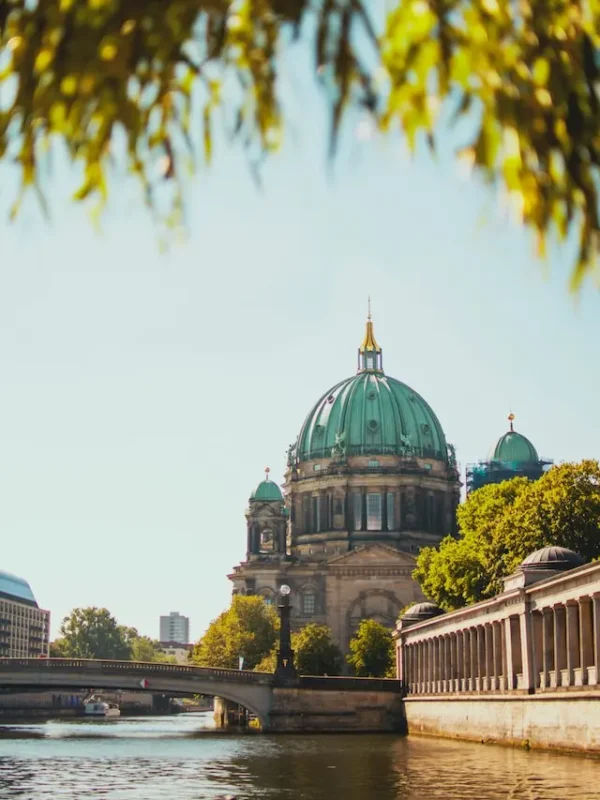
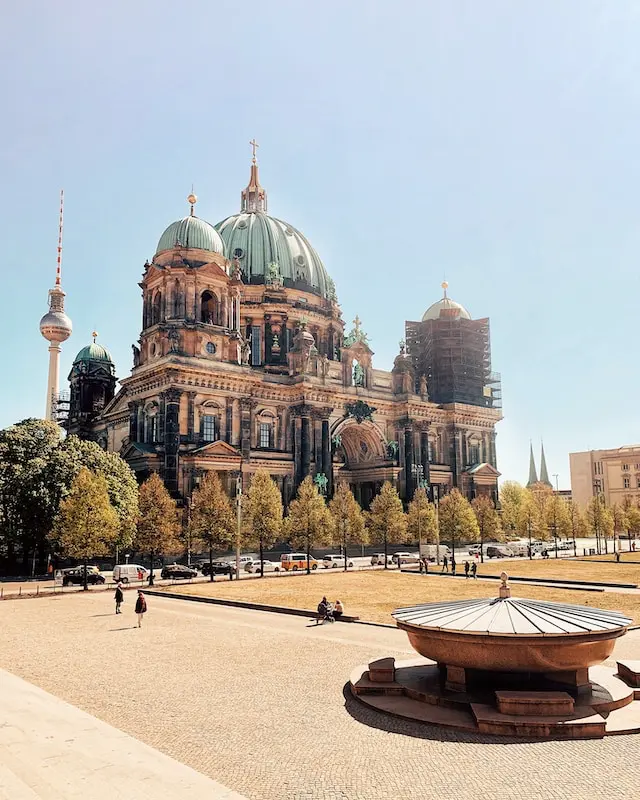
Berlin is a treasure trove of landmarks and attractions that offer insights into its complex history and vibrant present. From the somber yet essential Holocaust Memorial to the majestic Charlottenburg Palace, each site tells a unique story. The Museum Island, a UNESCO World Heritage site, is a testament to Berlin’s commitment to the arts and knowledge, housing a collection of museums that span centuries.
Cultural Melting Pot
The capital city of Germany is a melting pot of cultures, evident in its diverse neighborhoods. Kreuzberg is celebrated for its artistic flair and multicultural atmosphere, while Prenzlauer Berg exudes a bohemian charm. The East Side Gallery, a stretch of the Berlin Wall adorned with captivating murals, showcases the city’s affinity for creative expression.
Economic Powerhouse
Berlin’s significance transcends its historical allure. It’s a thriving economic center that fosters innovation and entrepreneurship. The city’s startup scene has garnered international attention, attracting tech enthusiasts, investors, and visionaries. With a focus on sustainability and technology, Berlin is shaping the future while honoring its heritage.
FAQs
Q: Is Berlin the capital of Germany?
A: Yes, Berlin is the capital of Germany.
Q: What was the capital of West Germany?
A: The capital of Germany before reunification in 1990 was Bonn.
Q: Where is Berlin located?
A: Berlin is located in the northeastern part of Germany.
Q: Which city became the capital of the newly reunified Germany in 1990?
A: The city that became the capital of the new Germany, after being reunited, in 1990 was Berlin. After the reunification of West and East Germany, Berlin regained its status as the unified capital, symbolizing the end of the division and the beginning of a new era for the country.
Q: What is the significance of the Brandenburg Gate?
A: The Brandenburg Gate is a symbol of unity and hope, representing Germany’s journey from division to reunification.
Q: What city became the new capital of Germany in 1949?
A: In 1949, after the establishment of the Federal Republic of Germany (West Germany), the city of Bonn became the new capital. Bonn served as the capital throughout the duration of the Cold War and until the reunification of East and West Germany in 1990.
Q: Which city was the capital of West Germany from 1949 until 1990?
A: The city that was the capital of Federal Republic of Germany from 1949 until 1990 was Bonn. During this period, Bonn served as the political and administrative center of the Federal Republic of Germany (West Germany), playing a significant role in the country’s post-World War II reconstruction and development.
Q: What was the capital of West Germany from 1949 to 1989?
A: The capital of West Germany from 1949 to 1989 was Bonn. During this period, Bonn served as the political and administrative capital of the Federal Republic of Germany, while Berlin was divided between East and West Berlin due to the geopolitical circumstances of the Cold War.
Q: What is the name of Germany’s capital city?
A: The capital city of Germany is Berlin.
Q: How did the Berlin Wall impact the city?
A: The Berlin Wall physically and ideologically divided the city, separating families and ideologies. Its fall marked a historic moment of unity.
Q: What was the capital of Germany during WW2?
A: During World War II, the capital of Germany was Berlin. Berlin was not only the political center of Nazi Germany under Adolf Hitler’s regime but also a central hub for military operations, strategic planning, and propaganda efforts during the war. The city’s significant role in the conflict has left a lasting impact on its history and development.
Q: What allied nation took Berlin (the capital of Germany)?
A: The Allied nation that took Berlin, the capital of Germany, during World War II was the Soviet Union. Soviet forces, under the command of Marshal Georgy Zhukov, captured Berlin in May 1945 after intense and fierce battles. The fall of Berlin marked a pivotal moment in the war and eventually led to the unconditional surrender of Nazi Germany.
Q: What was the capital of the Federal Republic of Germany?
A: The capital of the Federal Republic of Germany, also known as West Germany, was Bonn. From its establishment in 1949 until the reunification of West and East Germany in 1990, Bonn served as the de facto capital and the center of political and administrative activities for the country.
Q: How long was Berlin Wall?
A: The Berlin Wall was approximately 155 kilometers (about 96 miles) long. It was constructed to separate East Berlin from West Berlin and prevent East Germans from fleeing to the West. The wall stood from 1961 until 1989, when it was famously brought down, leading to the reunification of Eastern and Western Germany.
Q: What is the Museum Island in Berlin?
A: The Museum Island is a UNESCO World Heritage site housing a collection of museums that showcase Berlin’s rich cultural heritage.
Q: What are citizens of Germany’s capital called?
A: Citizens of Germany’s capital, Berlin, are simply referred to as “Berliners.” The term “Berliner” is used to describe residents of Berlin, regardless of their nationality or background. It’s a term that reflects the city’s identity and the diverse population that calls Berlin home.
Q: What was the capital of Nazi Germany?
A: The capital of Nazi Germany was Berlin. During Adolf Hitler’s regime, Berlin served as the political and administrative center of the Nazi government. The city was heavily involved in the planning and execution of Nazi policies, as well as the orchestration of World War II.
Q: When did Berlin become the capital of Germany?
A: Berlin became the capital of Germany following the reunification of West and East Germany on October 3, 1990. This historic event marked the end of the Cold War era and the division that had persisted for decades. As a result of the reunification, Berlin regained its status as the unified capital, symbolizing a new era of unity and progress for the entire nation.
Q: Which city served as the capital of Federal Republic of Germany?
A: The city that served as the capital of Federal Republic of Germany was Bonn. From the establishment of the Federal Republic of Germany in 1949 until the reunification of West and East Germany in 1990, Bonn acted as the de facto capital. This decision was influenced by its strategic location in the western part of the country and its proximity to the border with East Germany.
Q: “Which of the following is an example of capital outflow for Germany?”
A: Capital outflow refers to the movement of financial resources from a country to foreign destinations. One example of capital outflow for Germany could be foreign direct investments (FDI) made by German companies in other countries. When German businesses invest in foreign markets by acquiring assets or establishing operations, it leads to capital leaving Germany and flowing into those foreign countries. This can include investments in factories, real estate, or other business ventures abroad. Such capital outflows can impact a country’s balance of payments and international financial position.
Conclusion
In the heart of Europe lies Berlin, a city that encapsulates the essence of Germany’s past, present, and future. With its iconic landmarks, vibrant culture, and economic dynamism, Berlin stands as a testament to resilience and unity. As the capital of Germany, it beckons travelers, scholars, and dreamers to explore its streets and uncover the stories that have shaped its identity.
Also read: