


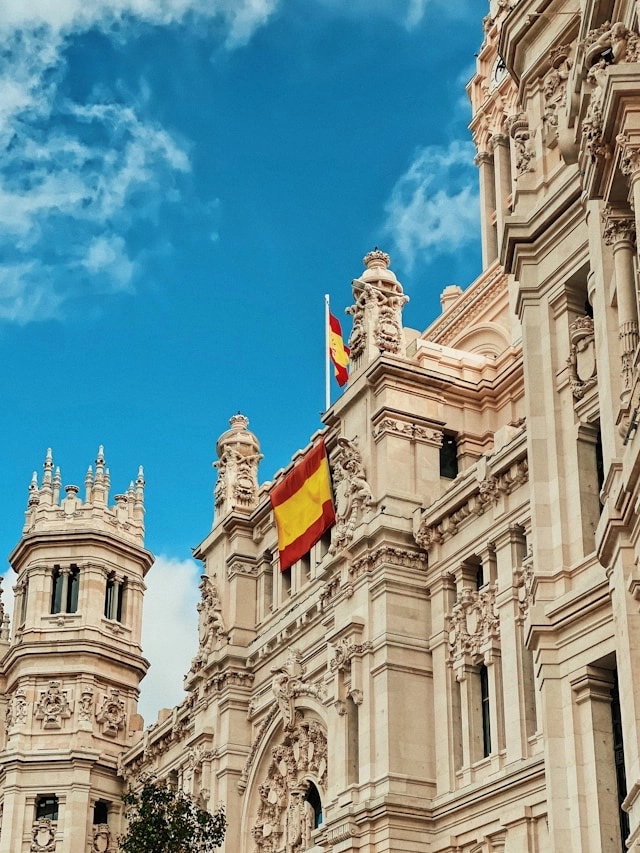

Toledo is a Unesco World Heritage Site that celebrates the coexistence of Christians, Muslims and Jews throughout its history. Visitors will marvel at Toledo’s 13th-century high-gothic cathedral; city walls and gates such as Puerta de Bisagra Antigua and Puerta del Cambron; as well as Iglesia de Santo Tome that houses El Greco’s crypt.
Getting There
Train travel is fast and convenient; for a day trip to Toledo the RENFE company operates frequent services from Madrid to Toledo with tickets available both online and at Atocha station in Toledo. Trains depart roughly every hour, providing plenty of flexibility.
Booking tickets early is important; seats may sell out during peak seasons. And remember, roundtrip tickets tend to be less costly than one-way ones.
Once in Toledo, it’s a 20-minute walk from the train station to its city center; but the beautiful Moorish architecture along the way makes the walk worthwhile. Be sure to stop at Puerta Bisagra Antigua as soon as you arrive; this ancient gate marks an epic entranceway into this ancient city.
The Alcazar of Toledo is an impressive stone fortress atop Toledo city streets, boasting breathtaking views. Today it houses the Army Museum with a stunning collection of medieval knights to modern aviation aircrafts and toy soldiers spanning hundreds of years.
Toledo is the heart of Spain’s metalsmithing, famed for its distinctive hard yet malleable alloy that can be transformed into swords and knives. Visitors can learn all about sword making as they try their own hands at forging Damascus blades.
Take a guided tour with a local guide who can show you around this fascinating city and all its highlights. These tours usually include transportation and an experienced professional guide and are an excellent way to save both time and effort by not having to arrange all the details of their own trip themselves.
Top Sights
Toledo is home to some of Spain’s most iconic sights. A must-visit is Catedral Primada’s medieval cathedral with its breathtaking architecture (flying buttresses, elongated arches and stupendous statues), making it one of the country’s most important cathedrals. Be sure to also take time out and explore its interior gallery which houses artwork by El Greco, Goya and Velazquez!
Plaza del Ayuntamiento is one of Toledo’s most revered monuments, home to two Renaissance buildings –the Episcopal Palace and Town Hall–that are beautiful in their own right, but what really impresses is Monasterio de San Juan de los Reyes’ cloister; here lies one of its late Gothic monasteries made up of two Mudejar palaces with a spectacular collection of paintings by El Greco himself including his early works.
Toledo Alcazar, an impressive Moorish castle that once served as a royal residence, now serves as a grand museum that highlights the rich history of Toledo. Its rooms showcase medieval weapons from across history while it houses one of Europe’s largest swords as well as Emperor Carlos V’s headquarters tent.
Head next to Toledo’s Jewish Quarter for an exquisite example of Mudejar-style architecture that brings together Muslim, Jewish, and Christian designs – El Transito Synagogue! Take in its captivating design while admiring its intricate plasterwork – then explore further with a visit to Sephardic Museum which provides insight into Toledo’s Jewish past.

Hidden Gems
Toledo’s most renowned structure, the Alcazar, may be among its many intriguing structures to admire; but there is so much more to experience. Take a stroll down one of Toledo’s old city covered alleyways (called callejas ) for an enthralling stroll; these narrow footpaths adorned with intricate brickwork serve as homes to shops, restaurants and churches as well as being former spaces used to conceal criminal activities that remain fascinating today.
Toledo offers visitors one of the finest examples of Gothic cathedral architecture in all of Spain; Catedral Primada stands as an incredible testament. This breathtaking cathedral can be seen from nearly anywhere within its boundaries; its towering spire can be spotted from every direction across town.
Another hidden treasure of San Martin is the Puente de San Martn (Bridge of San Martin). According to legend, upon finishing construction of this bridge, its architect realized he had made an error and it would collapse upon taking down scaffolding. To save his reputation and preserve the bridge’s structural integrity, his wife secretly placed chains of prisoners freed by Catholic conquest of Toledo into it as decoration so as to obscure their origin.
Sinagoga of El Transito is an eye-catching 12th-century synagogue featuring Moorish architecture and influence, boasting late Gothic detailing combined with Mudejar design elements. Inside is stunning; offering late Gothic details mixed with Mudejar-influenced art. On its exterior are chilling depictions of prisoners freed when Catholic forces conquered Toledo; outside, you’ll witness chilling depictions of chains freeing prisoners when Catholic forces conquered Toledo. Monasterio de Santa Clara la Real is nearby – featuring early works by El Greco himself as well as his gravestone containing some early paintings by El Greco himself!
Food
Toledo is famous for its blend of Arabic, Jewish and Christian influences which can be seen reflected in its historic buildings (such as its stunning cathedral), museums and tasty souvenirs such as marzipan.
Start off your exploration by strolling around Toledo’s medieval city center, designated a UNESCO World Heritage Site. Here you’ll discover narrow cobbled streets and shaded plazas lined with orange trees – not forgetting Plaza Zocodover which once served as a bustling marketplace and is now a meeting spot for both visitors and locals.
From there, take the short stroll down to Puente de Alcantara medieval bridge for an attractive pilgrimage experience. Additionally, San Juan de los Reyes monastery features Gothic-Flemish architecture with Moorish Mudejar styles integrated into its cloisters and gallery areas; admission includes entry to an impressive 17th-century art collection by El Greco himself as well as other artists.
Toledo’s Museum of Fine Arts, housed in a grand Renaissance palace in the city centre, is another top attraction. Here, paintings, furniture, and decorative arts from Spain’s golden age can be viewed.
Toledo would not be complete without experiencing its signature cuisine, from Indian tandoori and Indian fare, through to traditional Spanish fare and tapas bars serving seafood and meat dishes. You’ll find several restaurants that cater specifically to international diners in Toledo such as Alhambra Restaurant for Indian and Moroccan fare in an exquisite setting, or Taberna del Puerto for seafood tapas dishes and tapas bars specializing in tapas offerings like Taberna del Puerto’s tapas selections of wines and beer from local producers as well as venues such as Teatro de Rojas which hosts musical concerts, dance performances as well as movie screenings!
Tips
Those visiting Toledo from Madrid will discover an ancient culture-rich city, packed with centuries of history. There’s much more than can be appreciated in just one day here, so we recommend allocating at least an entire day or even overnight to this memorable stopover.
Toledo is at its best during spring or fall when temperatures are ideal. Additionally, less people visit during this period; yet still many come.
Be sure to arrive early so as to beat the crowds and have plenty of time to explore Toledo’s historic city walls. Highlights of note include Puerta de Bisagra, built during Moorish rule in 10th century; ancient Synagogue El Transito which serves as an example of Mudejar architecture (an amalgamation of Muslim, Jewish and Christian influences); El Greco Museum which displays works by renowned Greek-born Renaissance painter who spent much of his adult life living and painting in Toledo; plus El Greco Museum
Experience traditional Toledo dining at one of its many taverns or restaurants. Try dishes like partridge stew (perdiz estofada) or carcamusas – made with slow-cooked beef and its namesake root vegetable!
There are plenty of souvenir shops around that specialize in artisanal swords, making it hard to pass up buying one! Swords can be quite heavy and damage luggage easily so be sure to use a sturdy backpack or suitcase when travelling with swords. Also wear comfortable shoes–touristy areas are filled with cobblestone streets which may put undue strain on your feet!