



Quick Answer
Estonia is a paradox — Northern Europe’s most digital nation (world’s first e-government, first e-Residency program 2014, 99% government services online) with one of Europe’s best-preserved medieval cities (Tallinn Old Town UNESCO 1997). Population: 1.4 million. Top medieval attractions: Tallinn Old Town (UNESCO walled medieval centre — Town Hall Square, Toompea Castle, St. Olaf’s Church, Viru Gate, Pikk Hermann tower), Tallinn city walls (2.5 km of 14th-c. defensive walls, 27 watchtowers), Tartu (university town since 1632), Pärnu (medieval port + Baltic beach resort), Saaremaa Island (Kuressaare Castle 14th-c., windmills). Modern + tech attractions: e-Residency (Estonia issues digital identity to non-residents — 100,000+ holders worldwide), Telliskivi Creative City (former Soviet factory now creative hub), Lahemaa National Park (boreal forest + Baltic coast), KGB Museum (Hotel Viru in Tallinn — Soviet-era surveillance preserved). Best time: May-September. Currency: Euro (since 2011). Languages: Estonian (Finno-Ugric — closest relatives Finnish + Hungarian), Russian widely spoken (28% native), English universal in tourism. Days needed: 4-7.
Tallinn Old Town
- UNESCO 1997: one of Europe’s best-preserved medieval centres.
- Founded 13th c.: Hanseatic League trading city. Danish + Swedish + Russian rule.
- Town Hall (Raekoda): 1404 — only surviving Gothic town hall in Northern Europe.
- Town Hall Square: central plaza. Christmas market December.
- Toompea Castle: 13th-c. on Toompea hill. Now Parliament. Tower of Tall Hermann (Pikk Hermann) Estonian flag flies daily 7am-sunset.
- St. Mary’s Cathedral (Toomkirik): 13th-c. Lutheran. Above town. Free climb tower €5.
- Alexander Nevsky Cathedral: 1900 Russian Orthodox onion-dome. Built during Russian rule. Free.
- St. Olaf’s Church: 1267. Was world’s tallest building 1549-1625 (159m before fire). Free climb tower €4.
- Pikk Tänav (Long Street): medieval merchants’ street. Hanseatic-era houses.
- Viru Gates + Towers: only remaining medieval entrance.
- Town walls: 2.5 km, 14th-c. 27 watchtowers preserved. Walk top sections.
Beyond Tallinn — medieval + nature
- Tartu: 2nd-largest. University founded 1632 (oldest in Estonia). Town Hall Square + Kissing Students fountain. €1.
- Pärnu: “summer capital” Baltic beach resort. Medieval Tallinn Gate + Red Tower. 90 min from Tallinn.
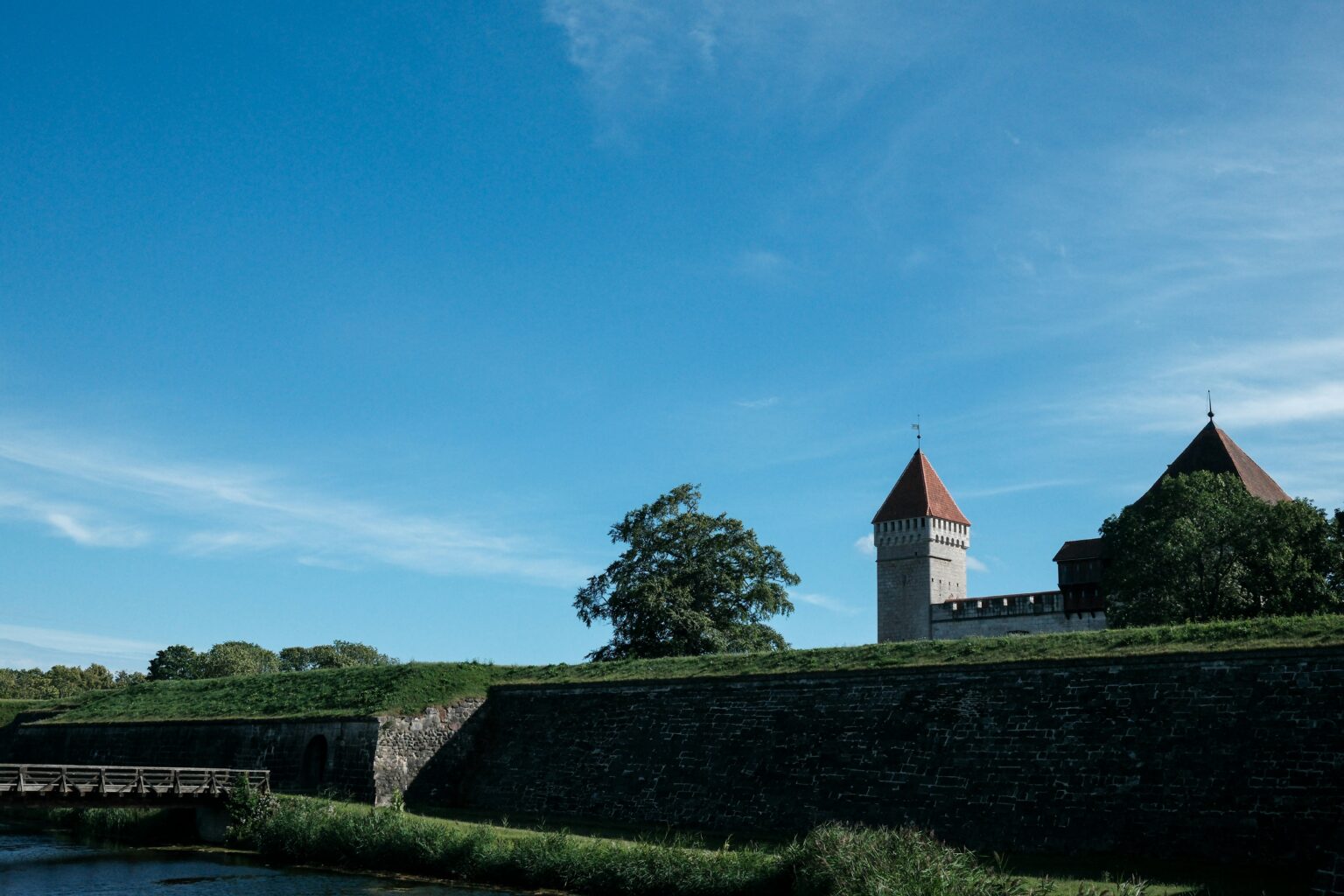
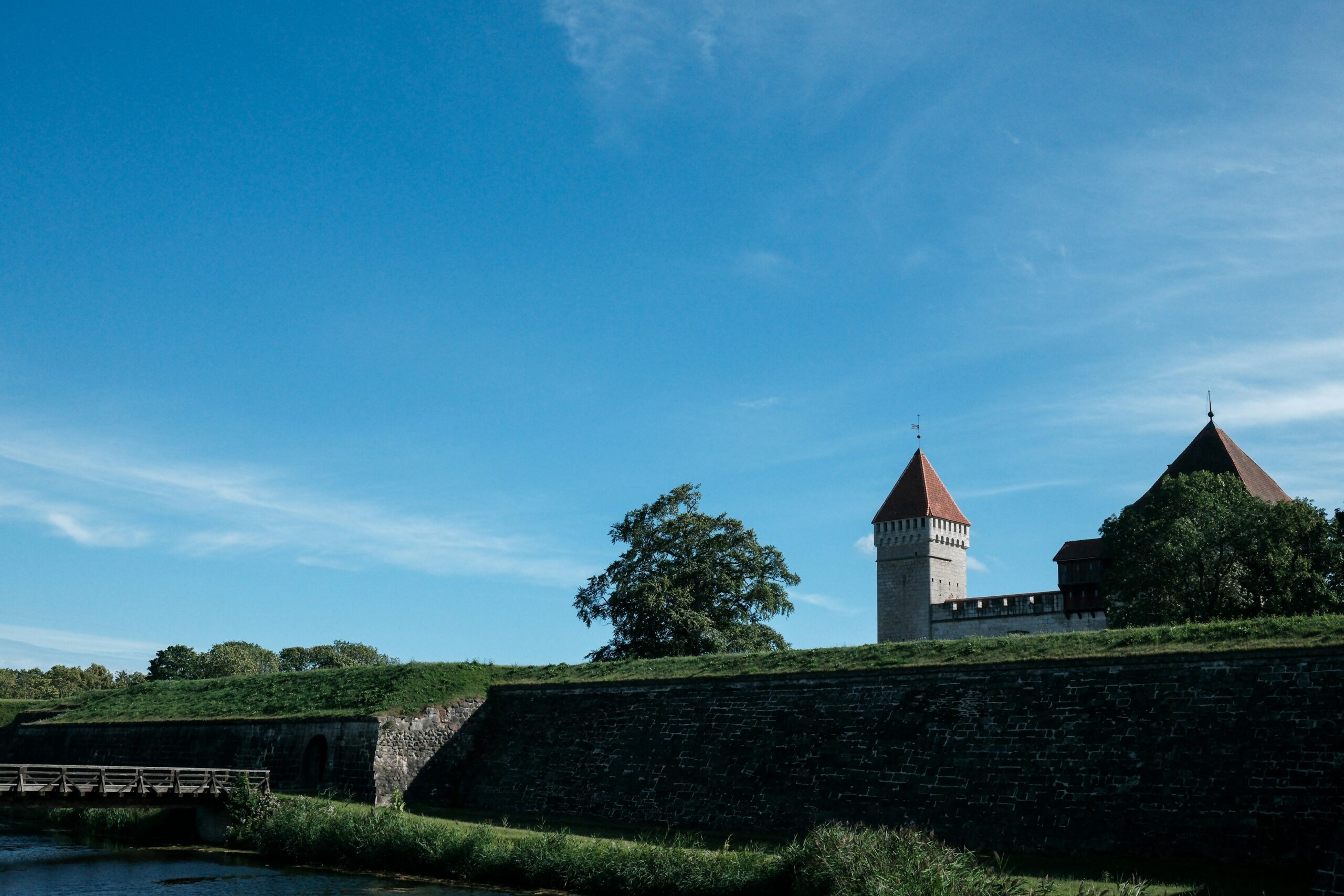
- Saaremaa Island: Estonia’s largest island. Kuressaare Bishop’s Castle (14th-c. — only intact medieval castle in Baltics). Windmills (Angla 5 traditional). Ferry from Tallinn.
- Hiiumaa Island: 2nd-largest. Quieter. Lighthouses (5+).
- Lahemaa National Park: 100 km east of Tallinn. Bogs + forest + Baltic coast. Manor houses (Palmse, Vihula, Sagadi). Free.
- Soomaa National Park: “Land of Bogs.” Suitsupiim raised wooden bog walkway. Canoeing flooded forests in spring “5th season.”
- Otepää: “winter capital.” Skiing.
- Narva: easternmost city. Hermann Castle facing Russian Ivangorod Castle across river.
- Setomaa: southeastern region. Seto people Orthodox + traditional culture.
Modern Estonia — digital nation
- e-Estonia: 99% government services online. Only physical visit needed: marriage, divorce, real estate transfer.
- e-Residency 2014: world’s first digital identity for non-residents. 100,000+ e-Residents from 180+ countries. Run businesses remotely without visa.
- Skype born here: Estonian engineers founded Skype 2003. Sold to eBay $2.6B 2005.
- Tech unicorns: 10+ (Wise, Bolt, Veriff, Pipedrive, Playtech). Most per capita worldwide.
- Tallinn Tech Cluster: Ülemiste City. Garage48 startup community.
- Free public Wi-Fi: nationwide since 2008. Forest mushroom-pickers have signal.
- Cashless society: 95% of transactions card. Even at outdoor markets.
- Digital voting: since 2005. 50%+ vote online for parliament + EU elections.
- NATO Cyber Defence Centre: Tallinn — established 2008 after 2007 cyberattack on Estonia.
- Telliskivi Creative City: former Soviet electrical factory now creative hub. Restaurants, galleries, indie shops.
Soviet + WWII heritage
- Three occupations 1940-1991: Soviet 1940-1941, Nazi 1941-1944, Soviet 1944-1991. Independence restored August 20, 1991.
- KGB Museum (Hotel Viru): Hotel Viru’s 23rd floor housed KGB surveillance HQ during Soviet times. Now museum showing original equipment. Tours from hotel reception.
- Patarei Sea Fortress + Prison: 1840 Russian sea fortress. Used as prison until 2002 by Soviet, German, Estonian regimes. Atmospheric ruins. €5.
- Maarjamäe Memorial: Soviet-era monumental complex. Now in disrepair — atmospheric.
- Vabamu Museum of Occupations: Soviet + Nazi occupation history. €11.
- Linnahall (Tallinn): Soviet-era 1980 Olympic concert hall. Brutalist. Closed but iconic.
- Singing Revolution 1987-1991: mass non-violent protest singing traditional Estonian songs. 300,000+ at Tallinn Song Festival Grounds. Helped end Soviet rule.
- Song Festival Grounds: 200,000-capacity outdoor amphitheatre. Choral festival every 5 years (next 2024). UNESCO Intangible Heritage.
Estonian food + saunas
- Black bread (must leib): dense rye bread. National staple.
- Mulgipuder: potato + barley + bacon mash. Traditional comfort food.
- Kama: mixed flour (rye + wheat + barley + pea) eaten with dairy. Unique Estonian.
- Verivorst: blood sausage. Christmas tradition.
- Sauerkraut + sauerkraut soup: Estonian winter staple.
- Smoked fish: Baltic herring + sprat + perch. Salaka (Baltic herring) classic.
- Kohuke: chocolate-covered curd cheese bar. National sweet snack.
- Vana Tallinn: sweet rum-based liqueur. Iconic.
- Estonian beer: Saku, A. Le Coq, Põhjala (craft brewery). 100+ Estonian craft breweries.
- Smoke saunas (suitsusaun): UNESCO 2014 Võro region. Traditional Estonian sauna without chimney — smoke fills + clears. Unique experience.
- Tallinn restaurants: Olde Hansa (medieval banquet), Restaurant 180 (modern Nordic), Fotografiska Restaurant, NOA (gastronomy).
Sample 7-day itinerary
- Days 1-3: Tallinn. Old Town walking tour Day 1. Toompea + Cathedral + St. Olaf’s Day 2. Telliskivi + KGB Museum + Patarei Day 3.
- Day 4: Lahemaa National Park day trip. Manor houses + bogs + Baltic coast.
- Day 5: Pärnu. 90 min. Beach + medieval + spa.
- Day 6-7: Tartu 2h from Tallinn. University + KGB Cells Museum + Estonian National Museum.
- Add 3 days for Saaremaa.
- Add 2 days for Setomaa + Otepää.
Practical info
- Getting there: Tallinn Airport (TLL) main hub. Helsinki ferry 2h (Tallink, Eckerö). St. Petersburg train (when running).
- Internal transport: excellent buses (Lux Express, Hansabuss). Tallinn-Tartu 2h €9.
- Currency: Euro since 2011.
- Best time: May-September warm. June-July long days (sunset 11pm). December for Christmas markets.
- Languages: Estonian official. Russian 28% native — widely spoken east + Tallinn. English universal in tourism.
- Visa: Schengen 90 days for visa-free nationals.
- Budget: €70-130/day budget, €100-200 mid-range. Cheaper than Western Europe but more expensive than Latvia/Lithuania.
- Days needed: 4-7. 4: Tallinn-only. 7: + Tartu + Pärnu + Lahemaa. 14: + islands + Setomaa.
- Smoke sauna experience: book ahead Mooska Farm (Võrumaa) or Mihkli Farm. €40-80 per session.
- e-Residency: apply at e-resident.gov.ee. €120 fee. Pickup at Estonian embassy abroad. Allows running businesses with EU bank + tax + accounting.
Frequently Asked Questions
Why is Estonia medieval AND modern?
Tallinn Old Town UNESCO 1997 (one of Europe’s best-preserved medieval centres) coexists with world’s most digital society — 99% government services online, e-Residency program, Skype birthplace, 10+ tech unicorns. Both deeply embedded in Estonian identity.
Top 5 things in Estonia?
1. Tallinn Old Town (UNESCO medieval). 2. Toompea Castle + Alexander Nevsky Cathedral. 3. KGB Museum (Hotel Viru). 4. Lahemaa National Park (forest + bogs + Baltic). 5. Tartu (oldest Estonian university 1632). Plus Saaremaa Island + smoke sauna experience.
How long for Estonia?
4-7 days. 4: Tallinn-only. 7: + Tartu + Pärnu + Lahemaa. 14: + Saaremaa Island + Setomaa region + Otepää. Compact country — easy to combine with Latvia + Lithuania for Baltic tour.
What is e-Residency?
Estonia’s digital identity for non-residents (since 2014). 100,000+ holders from 180+ countries. Run businesses remotely with EU bank + tax + accounting + government services. €120 application. Pick up at Estonian embassy. NOT actual residency.
Estonian language difficulty?
Yes hard — Finno-Ugric (closest to Finnish + Hungarian, NOT Russian or Slavic). 14 grammatical cases. Don’t worry — English universal in tourism. ‘Tere’ (hello) + ‘Aitäh’ (thank you) basic pleasantries appreciated.
Estonia vs Latvia vs Lithuania?
Estonia: most digital + Nordic-influenced + Tallinn most touristy + closest to Finland. Latvia: art nouveau Riga + middle Baltic. Lithuania: most Catholic + largest Vilnius + closest to Poland. All charming, different. 4 days each ideal.
Recommended on Amazon
As an Amazon Associate, grandgo.com earns from qualifying purchases. Links below are affiliate links — clicking them may earn us a small commission at no extra cost to you. Prices and availability are shown on Amazon.co.uk.
- Lonely Planet Estonia Latvia Lithuania — Baltic states guide.
- Estonian phrasebook — travel essentials.
- European travel adapter — multi-country plug.