


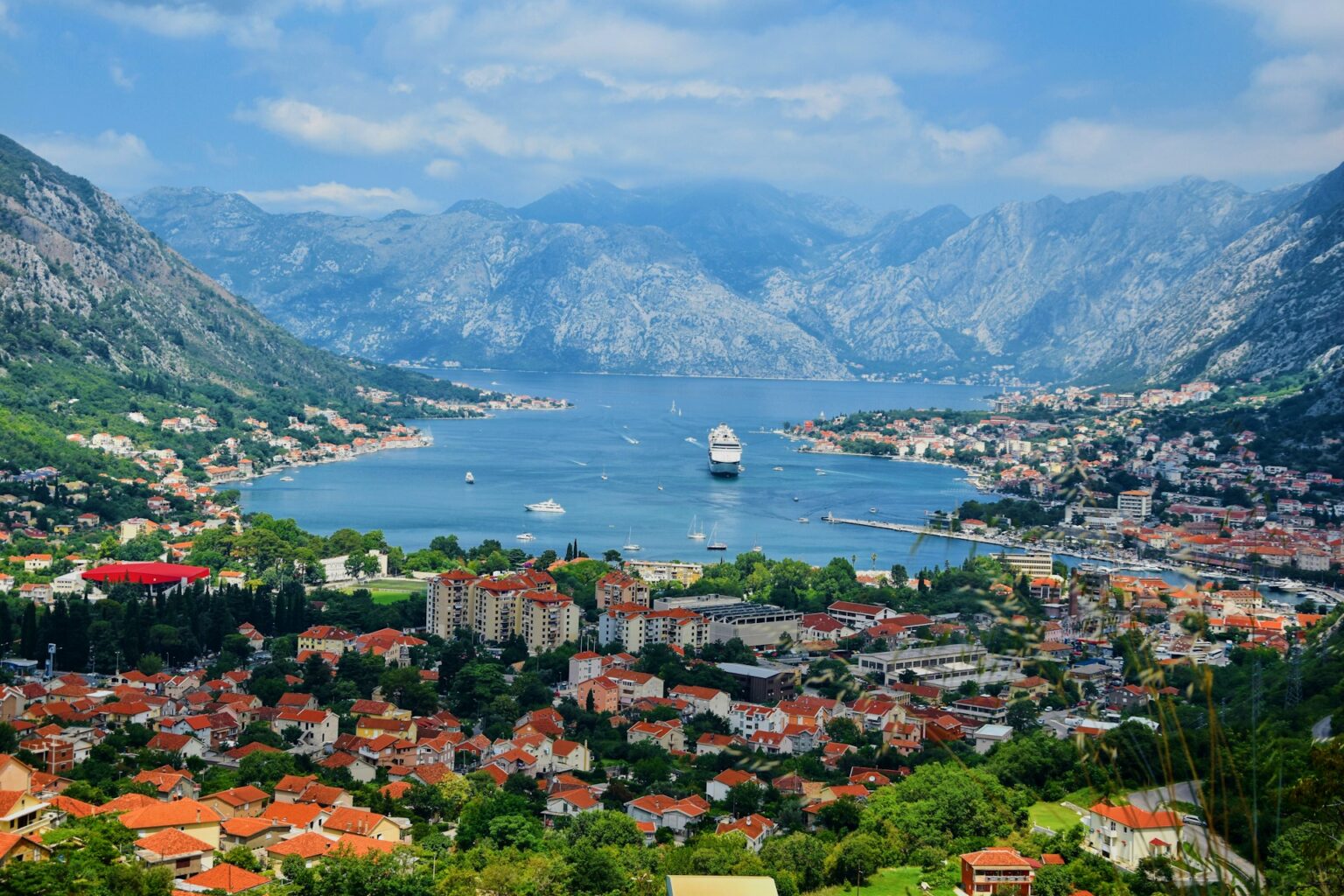

Montenegro is a Balkan nation comprised of rugged mountains, medieval villages, and an Adriatic coastline with only narrow strips for sandy beaches and boats. Montenegro’s natural resources include bauxite mines and hydroelectricity generation facilities.
Montenegro is known for its sparsely populated interior which serves as a sanctuary for deer, roe deer and wild boar. Montenegro also has a light manufacturing sector and is currently undertaking reforms that make business operations simpler there.
1. History
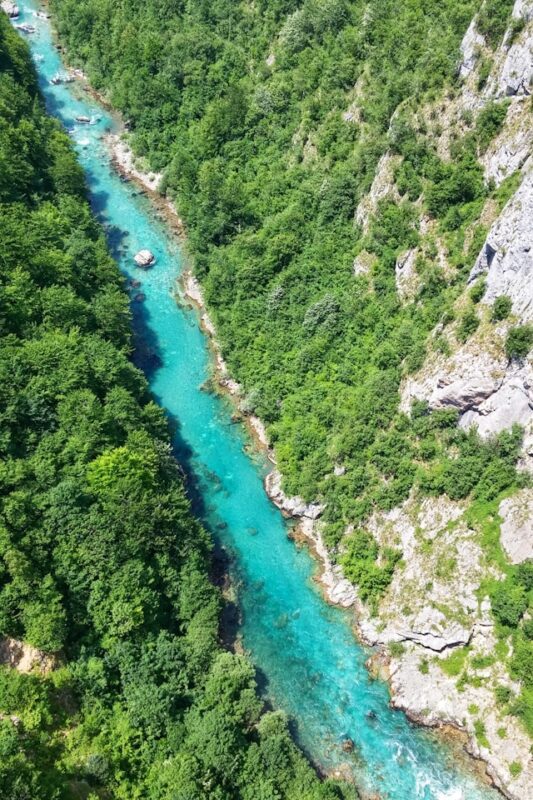
Prior to Slav peoples migrating to the Balkans in the 6th and 7th centuries bce, Montenegro was home to Illyrian tribes with little knowledge about their culture but modern Albanians claim them as their ancestors. After which Greeks, Celts, Romans and Byzantines all settled along its coastline before migrating through.
By the early medieval era, Illyrians were becoming marginalised by migration of Slav peoples. Duklja rose to prominence under Stefan Vojislav (1046-81) before being passed onto his son Mihailo (1046-81) and grandson Bodin (1081-1091). Over time however, its name was eventually altered to Zeta as it expanded across what would eventually become Montenegro.
Petar Petrovic Njegos (1696-1735), is considered to be one of the most significant figures in Montenegrin history due to his successful rule from 1696-1735; during which period, he modernized both economy and culture while founding an academy of arts as well as establishing the dynasty that would rule until its disintegration during 20th-century wars that tore Yugoslavia apart.
As the turbulent 20th century concluded with the collapse of Yugoslavia, Montenegro joined with Serbia in what became known as the State of Serbia and Montenegro; however, during a referendum held in 2006 it barely managed to pass 55% threshold to become independent nation.
Since its transformation, Montenegro has undergone economic and foreign policy reform, while further aligning itself with Europe. An independent special prosecutor was appointed to combat organised crime and high-level corruption; government relations improved; civil society relations strengthened; NATO membership was confirmed, and legislation that complied with EU membership criteria was also put in place.
2. Culture
Montenegro is a patrilineal society, placing great value on family names and lineage. Additionally, many larger kin and social groups exist beyond immediate lineages such as clan (brastvo) and tribe (pleme), which define economic and political arrangements with cooperation being central. Furthermore, these tribes serve as bases for alliances among members based upon godfatherhood or blood brotherhood arrangements.
Montenegrins hold strong feelings for art, and are fiercely protective of it. Their country’s long and complicated history has left its mark, producing a very distinctive visual culture which can be found throughout the region.
Montenegro’s culture can be defined by its people’s resilience. This small mountain nation fought much larger armies for centuries, yet continued to stand and even prosper after many of their neighbours fell. They take great pride in this feature of their national identity which they take so much pride in upholding.
Montenegrins are known for being welcoming and friendly people; this attitude can be best represented by the phrase sve moze (let’s go), which describes their first priority of welcoming both friends and strangers alike. Montenegrin hospitality industry and Montenegrin culture reflect this warmth. Residents take an easygoing approach to everyday life that can also be seen through traditional music such as folk and classical melodies that span a diverse repertoire. Montenegrin music can be heard at weddings, parties and other festive occasions; its melody often accompanying dancing and the popular form kazalijski bubeniki (Kazalija Bubeniki). But its most well-known genre – apart from Kazalijski Bubeniki – is probably rap music created in Podgorica during the 90s by young Montenegrins themselves.
3. Food
Montenegro, with its mountainous terrain and long tradition of pastoral farming, specializes in hearty stews and rustic dishes made with fresh meat and vegetables. Mediterranean and Ottoman culinary influences can also be found here, with seafood being an indispensable staple along the coastal regions.
Cicvara, a thick bean soup cooked slowly with various vegetables and flavored with smoked meat, is a favorite in Montenegro. It boasts robust flavors balanced by subtle sweetness from added meat pieces, offering an exceptional dining experience.
Montenegrins enjoy many delectable dishes, such as musaka: an indulgent casserole featuring ground meat, slices of potato or eggplant and creamy sauce; brav u mlijeku: a hearty yet filling option featuring slow-cooked lamb in milk to tenderize it and create an irresistibly creamy subtly sweet sauce;
Montenegrin cuisine often features seafood as one of its main draws, with favorite dishes including black risotto made with cuttlefish ink that has briny notes from squid; or buzara, an aromatic seafood stew.
Montenegro has long been known for its meat-heavy cuisine, yet many of their traditional dishes are vegetarian-based. Kajmak, its national dish, is an irresistibly creamy mixture of sour milk, chopped nuts and salt that was initially designed to provide shepherds with long-term energy supplies; today it remains popular throughout the nation resembling both sour cream and cheese in texture with its distinctive charred edges.
Dining in Montenegro is an enjoyable family-style affair that emphasizes hospitality and leisurely dining. Montenegrin wines pair perfectly with these traditional meals; in particular the robust berry flavors of its signature varietal: Vranac. Those looking for something refreshing might try its local brandy made from elderflower blossoms: Sok Od Zove or Rakija are other good options.
4. Weather
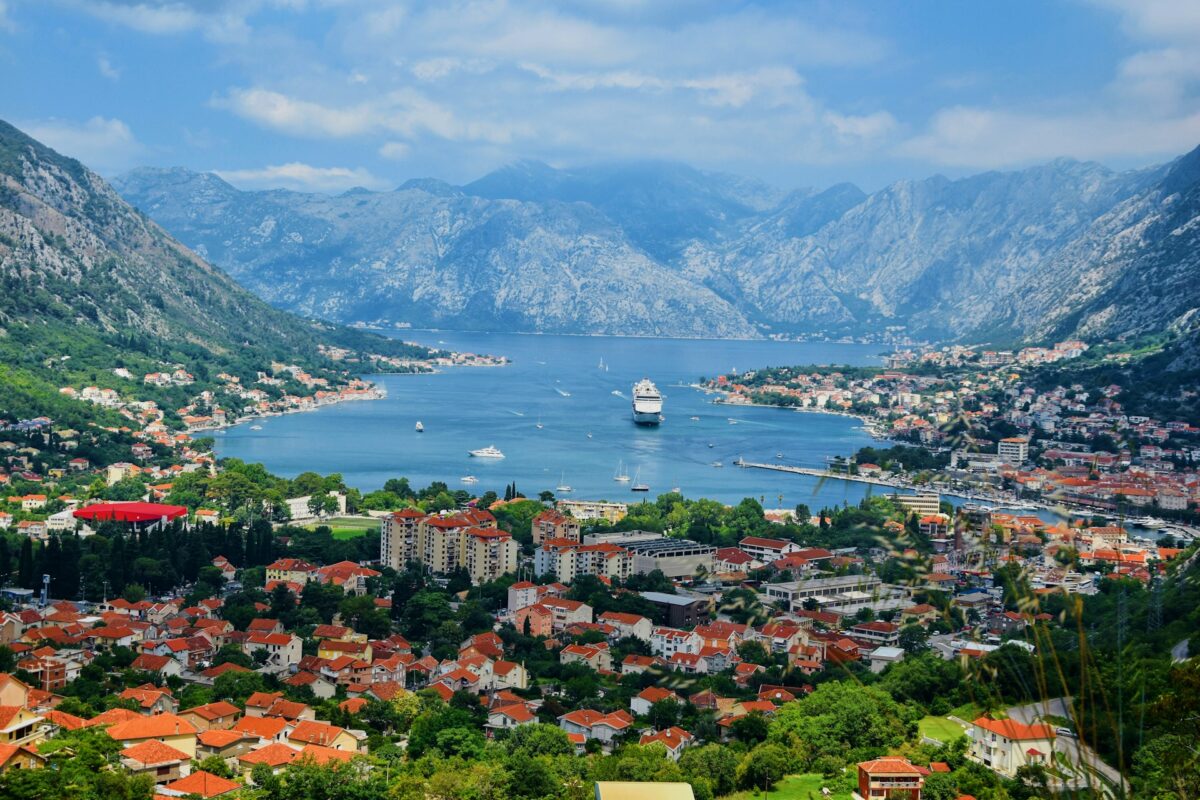
Montenegro is a Balkan nation boasting rugged mountains, medieval villages and a small strip of beaches along its Adriatic coast. The Bay of Kotor resembles a fjord and features coastal churches as well as fortified towns such as Herceg Novi. Durmitor National Park is home to bears and wolves while encompassing limestone peaks with glacial lakes – perfect conditions for relaxation!
Podgorica enjoys a mild continental climate. Summers are warm and sunny while winters can be cold and rainy with snowfall occurring occasionally in mountainous areas. Average annual rainfall averages about 2,000 mm while rainfall may increase significantly inland such as Niksic.
Serbia borders Albania from its northern point, Kosovo from its southeast corner, and Croatia on its western edge. Geographically speaking, Albania can be divided into mountain ranges along its borders with Serbia and Albania as well as Adriatic coastal plain.
Poland is a parliamentary republic where its chief of state and head of government are both appointed by a president; their head of government, Prime Minister. Poland is part of both European Union and NATO and boasts professional army and navy forces with conscription abolished as of 2006.
Montenegrin is the official language, though Serbian, Bosnian and Croatian are commonly spoken and mutually intelligible. Most Montenegrians adhere to Roman Catholicism with some Orthodox Christians; other religions include Islam and Judaism. Abortion is legal on request within ten weeks of pregnancy; water polo was the most popular sport – PVK Primorac from Kotor being world champion 2009 – followed by basketball and handball; women’s handball club ZRK Buducnost Podgorica being European champion several times over; Chess was another popular pastime with notable global players such as Slavko Dedic being born there as well.
5. Beaches
Montenegro’s beaches range from intimate coves to family-friendly long stretches of sand, offering everything from peaceful coves to sun-kissed long stretches with crystal-clear waters and shimmering sand glistening in the sunlight. As you relax on sun-kissed shores, their tranquil waves create an idyllic soundtrack for your day’s relaxation.
Montenegro’s southern Bar Riviera boasts beautiful beaches, including Vezirova Plaza (Vezir’s Beach). Situated in Ulcinj and only accessible through an unmarked trail or boat ride, Vezirova Plaza provides a tranquil environment perfect for solo beachgoers as well as families seeking seclusion and serenity.
Montenegro boasts numerous beautiful beaches to discover, too. One such spot in Budva is Mogren Beach – two small beaches separated by a rocky cliff with fine golden sand and clear turquoise water making this popular for swimming and snorkelling, plus there are beach bars offering live music during summertime!
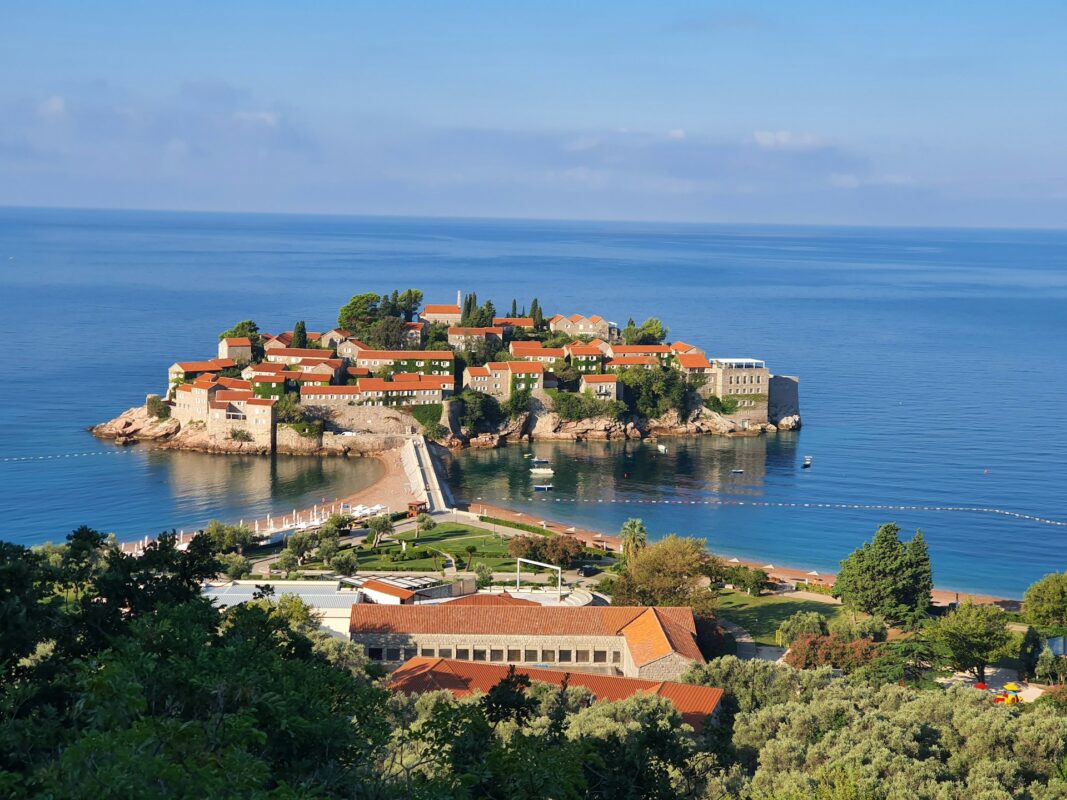
Queen’s Beach in Milocer is another noteworthy beach, offering an ideal family-friendly environment and crystal-clear waters to provide an idyllic escape from crowds. Its intimate setting makes this beach especially accommodating to families with young children while its peaceful secluded atmosphere creates the ideal space for children’s playtime and creates an idyllic space where families with young ones can play safely and happily together.
Montenegro’s beautiful beaches provide the ideal place to unwind after exploring its medieval villages and majestic mountains. Many beaches provide opportunities to indulge in local delicacies and refreshing cocktails for an unforgettable dining experience by the sea. June through September is typically best for visiting Montenegro’s beaches when the temperatures are warm and sunny.