


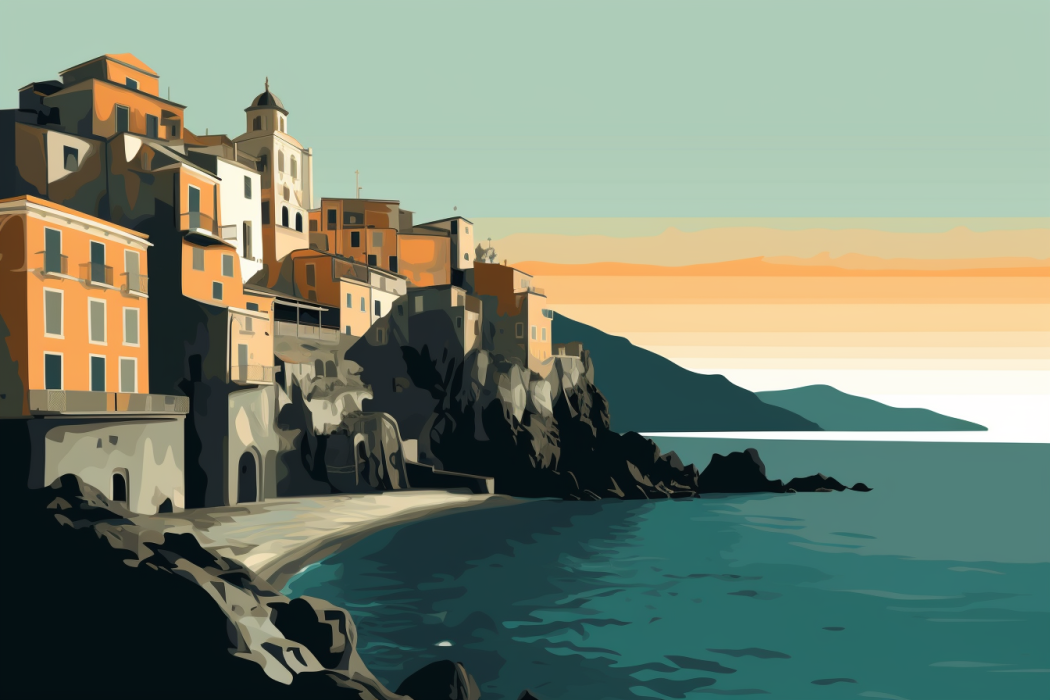

The Origins of Ceramics in Vietri sul Mare: Tracing Back Centuries of Tradition
The art of ceramics in Vietri sul Mare has a rich and storied history that dates back centuries. The origins of this tradition can be traced to the small coastal town located in southern Italy, renowned for its breathtaking views of the Tyrrhenian Sea. It is believed that ceramics were first introduced to the region by the Greeks, who settled in the area around the 9th century BC. Over time, the art form evolved and flourished, becoming an integral part of the local culture and identity.
The unique geographic location of Vietri sul Mare, nestled between the mountains and the sea, played a significant role in shaping the ceramics industry. The abundant supply of clay in the surrounding hills, coupled with the ease of transportation by sea, created the perfect conditions for the growth of this craft. As generations of artisans honed their skills and passed down their knowledge, the tradition of ceramics in Vietri sul Mare continued to thrive, becoming one of the town’s most distinctive and cherished cultural assets.
The Rich Cultural Heritage of Vietri sul Mare: Influences on Ceramics Art
Throughout its rich cultural history, Vietri sul Mare has been influenced by a multitude of factors that have shaped its unique ceramics art. One significant influence on this art form is the town’s geographical location along the stunning Amalfi Coast. Surrounded by the vibrant colors of the Mediterranean Sea and the picturesque landscapes of the region, the artists of Vietri sul Mare have been inspired by their natural surroundings, infusing their ceramic creations with vivid hues and organic motifs. This connection between nature and art is evident in the intricate designs and patterns that adorn the ceramics, reflecting the beauty of the coastal landscape.
Another notable influence on Vietri sul Mare ceramics art is the town’s historical trade links with other Mediterranean cultures. Over the centuries, Vietri sul Mare has interacted with various civilizations, including the Greeks, Romans, and Arabs. These cultural exchanges have played a fundamental role in shaping the artistic techniques and motifs found in the ceramics. From the elegant simplicity of Greek pottery to the intricate geometric patterns of Islamic ceramics, these influences can be seen in the diverse range of styles and designs that characterize Vietri sul Mare ceramics art. The fusion of different cultural elements has resulted in a truly unique and captivating form of art that continues to captivate both locals and visitors alike.
The Traditional Techniques and Materials Used in Vietri sul Mare Ceramics
Vietri sul Mare, a picturesque town located on the Amalfi Coast in Italy, boasts a rich tradition in ceramics that spans several centuries. The artisans of this region have honed their skills over time, utilizing a variety of traditional techniques and materials to create exquisite ceramic pieces that are revered by collectors and art enthusiasts worldwide.
One of the primary techniques employed in Vietri sul Mare ceramics is hand-painting. Each ceramic piece is meticulously painted by skilled artisans who possess a deep understanding of color, harmony, and form. These artists create intricate designs and patterns, often drawing inspiration from the vibrant local culture and surroundings. The use of vibrant enamel colors and detailed brushwork gives Vietri sul Mare ceramics a distinctive and vibrant aesthetic, captivating the eye and celebrating the essence of the Mediterranean.
The Significance of Handmade Ceramics in Vietri sul Mare: Preserving a Craftsmanship Legacy
Handmade ceramics hold a significant place in the cultural heritage of Vietri sul Mare, a small town located in southern Italy. The tradition of creating ceramics by hand has been passed down through generations, preserving a craftsmanship legacy that spans centuries. This esteemed practice not only reflects the skills and expertise of the local artisans but also showcases the town’s commitment to preserving its cultural identity.
The significance of handmade ceramics lies not only in their artistic value but also in their contribution to the local economy. The production of ceramics in Vietri sul Mare has become a major industry, attracting tourists and collectors from around the world. The intricate designs, vibrant colors, and meticulous attention to detail make these handmade pieces highly sought after. Through the preservation of this craftsmanship legacy, Vietri sul Mare continues to thrive and maintain its reputation as a hub for exceptional ceramic artistry.
The Role of Family Businesses in Sustaining the Art of Ceramics in Vietri sul Mare
Family businesses have played a significant role in the sustainability of the art of ceramics in Vietri sul Mare. Throughout the centuries, these businesses have passed down their knowledge and expertise, ensuring that the traditional techniques and skills are preserved and carried on to future generations. The close-knit nature of these family businesses allows for a deep sense of commitment and passion towards the craft, creating a unique environment for the development and evolution of ceramic art in Vietri sul Mare.
The involvement of family members in every aspect of the business, from the creative process to marketing and sales, allows for a sense of continuity and authenticity in the production of ceramics. With an emphasis on quality and attention to detail, family businesses have been able to maintain a reputation for excellence, attracting both local and international customers. Furthermore, the familial connections within these businesses foster a spirit of collaboration, encouraging the exchange of ideas and innovation within the industry. As a result, the art of ceramics in Vietri sul Mare continues to thrive and evolve, thanks to the dedication and perseverance of family businesses.
The Evolution of Design in Vietri sul Mare Ceramics: From Traditional to Contemporary
Over the years, there has been a remarkable evolution in the design of ceramics in Vietri sul Mare. From its humble beginnings, rooted in traditional techniques and motifs, the art has gradually embraced contemporary influences, resulting in a fusion of old and new. This evolution reflects the changing tastes and preferences of both local and international customers, as well as the constant need for innovation in the industry.
In the past, traditional designs dominated the ceramics scene in Vietri sul Mare. The intricate patterns and motifs inspired by nature, local folklore, and historical events showcased the rich cultural heritage of the region. However, as the demand for ceramics expanded beyond the local market, artists began to experiment with new design ideas. This led to the incorporation of more modern elements such as abstract shapes, bold colors, and minimalist aesthetics. Today, contemporary designs coexist harmoniously with traditional ones, attracting a wider range of customers and breathing new life into the art of ceramics in Vietri sul Mare.
The Iconic Patterns and Motifs Found in Vietri sul Mare Ceramics
Vietri sul Mare, a small town situated on the Amalfi Coast in Southern Italy, is renowned for its vibrant and distinctive ceramics. One of the defining features of Vietri sul Mare ceramics is the intricate patterns and motifs that adorn these works of art. These patterns and motifs reflect the rich cultural heritage and influences of the region, showcasing a blend of traditional and contemporary elements.
The iconic patterns found in Vietri sul Mare ceramics often draw inspiration from the surrounding natural beauty. Vibrant and colorful flora and fauna motifs are common, featuring delicate flowers, lush vines, and charming animals. These motifs not only capture the essence of the Mediterranean landscape but also infuse a sense of joy and whimsy into each piece. Traditional geometric patterns, such as intricate arabesques and interlocking designs, are also prevalent, showcasing the impressive skill and precision of the artisans. Together, these patterns and motifs create a visual feast for the eyes, embodying the spirit of Vietri sul Mare ceramics.
The Economic Impact of the Ceramics Industry on the Local Community in Vietri sul Mare
The ceramics industry in Vietri sul Mare has been a vital part of the local community for centuries, providing employment opportunities and generating revenue for the region. The economic impact of this industry cannot be overstated, as it has contributed significantly to the socioeconomic fabric of the town.
One of the key ways in which the ceramics industry has influenced the local economy is through the creation of jobs. Many residents of Vietri sul Mare are directly or indirectly employed in the ceramics sector, whether it be as artisans, salespeople, or administrators. This industry has not only offered employment opportunities to locals but has also attracted skilled workers from neighboring towns, further bolstering the local workforce. As a result, the ceramics industry has played a crucial role in reducing unemployment rates and improving the overall standard of living in Vietri sul Mare.
The Challenges and Opportunities for Ceramics Artists in Vietri sul Mare
Ceramics artists in Vietri sul Mare face a unique set of challenges and opportunities in their pursuit of their craft. One of the main challenges is the rising competition in the ceramics industry. With the increasing popularity of mass-produced ceramics, artists in Vietri sul Mare must find ways to differentiate their work and highlight the value of handmade craftsmanship. This requires continuous innovation and finding new ways to push the boundaries of design and technique.
Another challenge is the changing consumer preferences and demands. As the younger generation becomes the main target market, ceramics artists need to adapt their designs to suit the evolving tastes and preferences. This requires a delicate balance between preserving traditional techniques and incorporating modern elements to meet the demand for contemporary designs.
However, it is not all challenges for ceramics artists in Vietri sul Mare. They also have unique opportunities to thrive in this industry. The rich cultural heritage and history of ceramics in the region provide a strong foundation for artists to build upon. They can tap into this tradition and innovation to create unique and authentic pieces that resonate with local and international markets.
Furthermore, the growing interest in sustainable and handmade products provides an opportunity for ceramics artists in Vietri sul Mare to showcase their skills and craftsmanship. Many consumers are now seeking one-of-a-kind pieces that are ethically and sustainably made, and artisans in this region are well-positioned to meet this demand.
In conclusion, ceramics artists in Vietri sul Mare face challenges in terms of competition and changing consumer preferences. However, they also have opportunities to leverage their rich cultural heritage and the growing interest in unique and handmade products. By navigating these challenges and capitalizing on these opportunities, ceramics artists in Vietri sul Mare can continue to thrive and preserve the legacy of this traditional craft.
The Future of Ceramics in Vietri sul Mare: Balancing Tradition and Innovation
As the ceramics industry in Vietri sul Mare continues to evolve, there is a delicate balance that must be struck between tradition and innovation. This coastal town has long been renowned for its centuries-old ceramic craftsmanship, and preserving this rich heritage is of utmost importance. However, in a world that is constantly changing, embracing innovation and contemporary design is equally crucial for the future of ceramics in Vietri sul Mare.
While traditional techniques and patterns have shaped the identity of Vietri sul Mare ceramics, there is a growing demand for modern and unique designs. Artists and craftsmen are faced with the challenge of experimenting with new materials, exploring innovative glazing techniques, and incorporating contemporary motifs into their work. By striking a careful balance between tradition and innovation, the ceramics industry in Vietri sul Mare can continue to captivate both local and international markets, attracting a new generation of art enthusiasts and collectors.
FAQs
What is the history of ceramics in Vietri sul Mare?
The tradition of ceramics in Vietri sul Mare dates back centuries, with a rich cultural heritage influencing its art.
What techniques and materials are used in Vietri sul Mare ceramics?
Traditional techniques such as hand-painting and hand-molding, along with materials like clay and glaze, are commonly used in Vietri sul Mare ceramics.
Why are handmade ceramics significant in Vietri sul Mare?
Handmade ceramics play a crucial role in preserving the craftsmanship legacy of Vietri sul Mare.
How do family businesses contribute to sustaining the art of ceramics in Vietri sul Mare?
Family businesses have played a significant role in sustaining the art of ceramics in Vietri sul Mare by passing down the skills and techniques through generations.
How has the design of Vietri sul Mare ceramics evolved over time?
The design of Vietri sul Mare ceramics has evolved from traditional patterns to include contemporary elements, reflecting a blend of tradition and innovation.
What are some iconic patterns and motifs found in Vietri sul Mare ceramics?
Vietri sul Mare ceramics often feature iconic patterns and motifs inspired by the region’s natural surroundings, such as coastal landscapes and Mediterranean flora.
How does the ceramics industry impact the local community in Vietri sul Mare?
The ceramics industry has a significant economic impact on the local community, providing employment opportunities and attracting tourism.
What are the challenges and opportunities for ceramics artists in Vietri sul Mare?
Ceramics artists in Vietri sul Mare face challenges such as competition and maintaining traditional techniques, but also have opportunities to explore innovative designs and expand their reach globally.
What does the future hold for ceramics in Vietri sul Mare?
The future of ceramics in Vietri sul Mare lies in striking a balance between tradition and innovation, ensuring the preservation of heritage while embracing new artistic possibilities.