


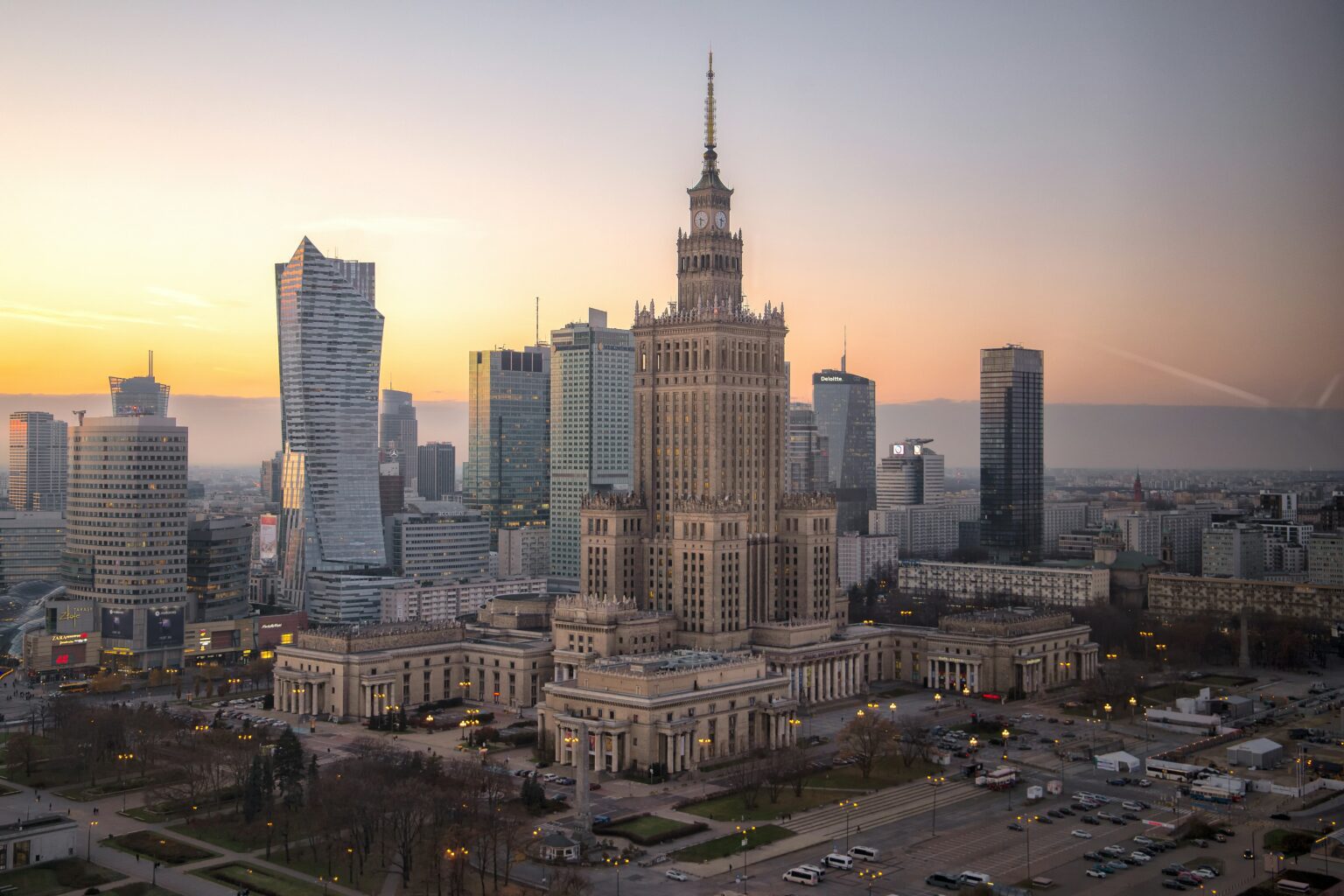

Polish landscapes, medieval castles and lush forests are only the start of its incredible diversity. Cities across Poland boast lively cultures, vibrant food scenes and world-class museums – providing visitors with an unforgettable experience!
In 1989, Poland ended its communist reign and transitioned into a democratic republic, joining NATO and the European Union shortly afterwards.
Culture
Poland is renowned for embracing customs that reflect both old and new ways. One such custom is preserving past while adapting to contemporary life; the szopka (crib) serves both functions. Another Slavic tradition, celebrated on St John’s Eve or Sobotki, blends both pagan and Christian customs; traditionally pagan worshipers would praise their god of fire with displays of great flames while now young people celebrate by dousing each other with water; those with more traditional views might splash girls instead.
Catholicism plays an essential role in Polish culture. It shapes people’s attitudes towards family members and obligations owed them, particularly during Christmas which lasts two and a half days. At Christmas time, Polish families traditionally celebrate “dzielenie oplatkiem”, wherein each member breaks and shares one thin white wafer called an oplatki (or host) to wish each other good health and prosperity.
Poles place great emphasis on justice and morality. This may be due to Poland’s turbulent history or due to how long-standing Catholic traditions promote ideas of forgiveness and mercy; therefore they tend to empathise quickly and be generous when building relationships.
Relations in the workplace tend to be hierarchical and Poles accord respect to those in managerial positions, while remaining more reserved when speaking with coworkers of lower rank. Wine, high-quality coffee or chocolate gifts make a nice gesture as tokens of appreciation. Flowers may also be given, although chrysanthemums should be avoided due to being associated with funerals. As Poles find it hard to differentiate between work and personal lives easily enough, emails often arrive well past working hours or even late at night.
Food
Polish cuisine provides delicious meals and snacks of every description – from hearty stews to indulgent pastries – perfect for every palate and occasion. Here are a few dishes you must sample during your next trip to this Central European nation.
Pierogi are crescent-shaped dumplings that can be cooked by boiling, frying, or baking and come filled with various fillings such as cheese mashed potato filling or pork or beef meat fillings – you may also find sweet varieties filled with cottage cheese and raisins or fruit!
Kotlet schabowy, or porklet shabowy, is a deceptively simple yet popular Polish dish made by pounding and breading a piece of pork loin before seasoning and deep-frying it until golden brown. Typically served alongside mashed potatoes and vegetables such as carrots or green beans for a satisfying dinner option.
Kaszanka is another delicious dish you must experience – an exotic concoction composed of pig blood, various pork offal such as liver, lungs and fat, and buckwheat that has been stuffed into its intestine. Warning: it may not be to everyone’s tastes! But this unique and tasty meal cannot be missed.
Bigos, one of Poland’s signature dishes, has long been eaten by hunters and soldiers as one of their staple dishes. Made up of cabbage, meats, sausages, mushrooms and spices – bigos is definitely something worth tasting when visiting Poland!
History
Once known for having one of Europe’s strongest military forces, Poland suddenly vanished from Europe at the end of the eighteenth century and reappeared 123 years later, only to again cease existing soon afterwards.
Poland’s rebirth was marked by turmoil. Fighting for its independence against tyrannical Russian, Prussian, and Austrian empires meant holding onto land that would eventually form its current borders. Poland’s gentry at this time misinterpreted liberty for personal gain rather than providing strong leadership that could protect Poland’s sovereignity.
After World War II, Polish society was rocked by political and economic instability. Riots in Poznan killed more than 50 people who sought greater freedom. Wladislaw Gomulka took control and instituted strict controls to mitigate unrest.
Relations with the United States improved under Gomulka but became worse during his later tenure when he reverted back to full and unconditional support of Soviet foreign policy objectives and encouraged anti-Semitic sentiment among many Poles. When Edward Gierek replaced Gomulka as party leader, relations between countries improved considerably.
Poland experienced relative economic prosperity in the early 1990s on foreign loan-funded growth. After joining NATO and OECDA in 2004, Poland joined the European Union. Since 2004, its population has seen employment drop while unemployment remains high among young workers; yet Poland recently experienced renewed momentum as its economy is projected to experience expansion this year. Prime Minister Donald Tusk issued an international appeal against Russia’s annexation of Crimea on March 14, 2014.
Weather
Poland is known for its highly variable climate, featuring an extensive variety of temperatures and conditions. There are six distinct seasons: temperate summer and mild autumn months; snowy winters; windy and wet spring and early summer; its proximity to both Baltic Sea and continental locations have an impactful influence.
Springtime is an idyllic time to travel through the countryside, when flowers blossom and vegetation wakes up after winter’s nap. Moderate temperatures and plenty of sunshine provide ideal conditions for exploring nature at this time. Conversely, summer offers scorching heat with long days that provide ideal opportunities for sightseeing cities as well as beaches across the country.
Autumn brings cooler temperatures and gorgeous fall foliage, making it the ideal time for those wanting to experience Poland’s natural wonders without the crowds of summer. Traveling during May-June or September-October shoulder seasons may offer more enjoyable trips; with less people to deal with and lower hotel/flight prices.
Winter in Poland can be a magical experience, with snowfall covering the landscape like something out of a fairytale. Enjoy holiday markets and skiing in the mountains as well as come prepared with warm clothes, sturdy boots or snow shoes, heavy coat, hat, and gloves to stay comfortable against the cold. Cities tend to offer more activities during this season while remote mountain areas can present very different challenges.
Safety
Poland is generally safe for visitors, with low crime rates and efficient transportation systems. Terrorism remains an international threat and recent attacks serve as a reminder that travellers must always remain aware of their surroundings – pay attention to local media coverage and avoid deserted alleyways; traveller should also remember that Poland’s mountainous areas can experience lightning strikes and snowstorms that require extra caution while exploring them.
Petty crime is an ever-present danger in large cities and towns, so travellers should exercise extreme caution when entering crowded places and using public transport, as pickpockets may target tourists. Furthermore, public Wi-Fi networks must also be treated with care as perpetrators could try to use it to steal personal data or gain entry into bank accounts belonging to victims. Furthermore, be wary of fraudsters using them to attempt identity theft or gain entry to bank accounts belonging to foreigners through fraudulent phone calls from phony police officers and hotel receptionists asking them for credit card details from foreigners – such as police officers acting like they belong in order to gain entry or gain entry.
Business travellers should dress professionally when attending meetings, taking great care to use pedestrian and zebra crossings when crossing streets. Punctuality is of the utmost importance, while engaging in initial small talk can help build rapport and trust; high-pressure sales tactics may not be as successful at building lasting relationships and trust than building them organically.
Employers must assess and implement preventive measures to mitigate workplace injuries, illnesses, and accidents in accordance with government Health and Safety Law. Employers are also obliged to arrange mandatory pre-employment and periodic medical exams as well as providing adequate PPE and training. They must report work-related accidents or illnesses to relevant authorities. Vaccinations against measles (MMR) is strongly encouraged for eligible travellers while infants should receive Hep A vaccine (Hep A). For international travellers the COVID-19 vaccine should also be considered.
Related Guides
- LOT Polish Airlines Baggage, Check-In + Boarding Guide — Airline guide
Trip-ready gear from Amazon
As an Amazon Associate, grandgo.com earns from qualifying purchases. Links below are affiliate links — clicking them may earn us a small commission at no extra cost to you. Prices and availability are shown on Amazon.co.uk.
- Anti-theft crossbody bag Pacsafe — Old Town pickpocket protection.
- Warm scarf winter travel — Christmas market season.
- Compact folding umbrella — Weather in the Old Towns.