


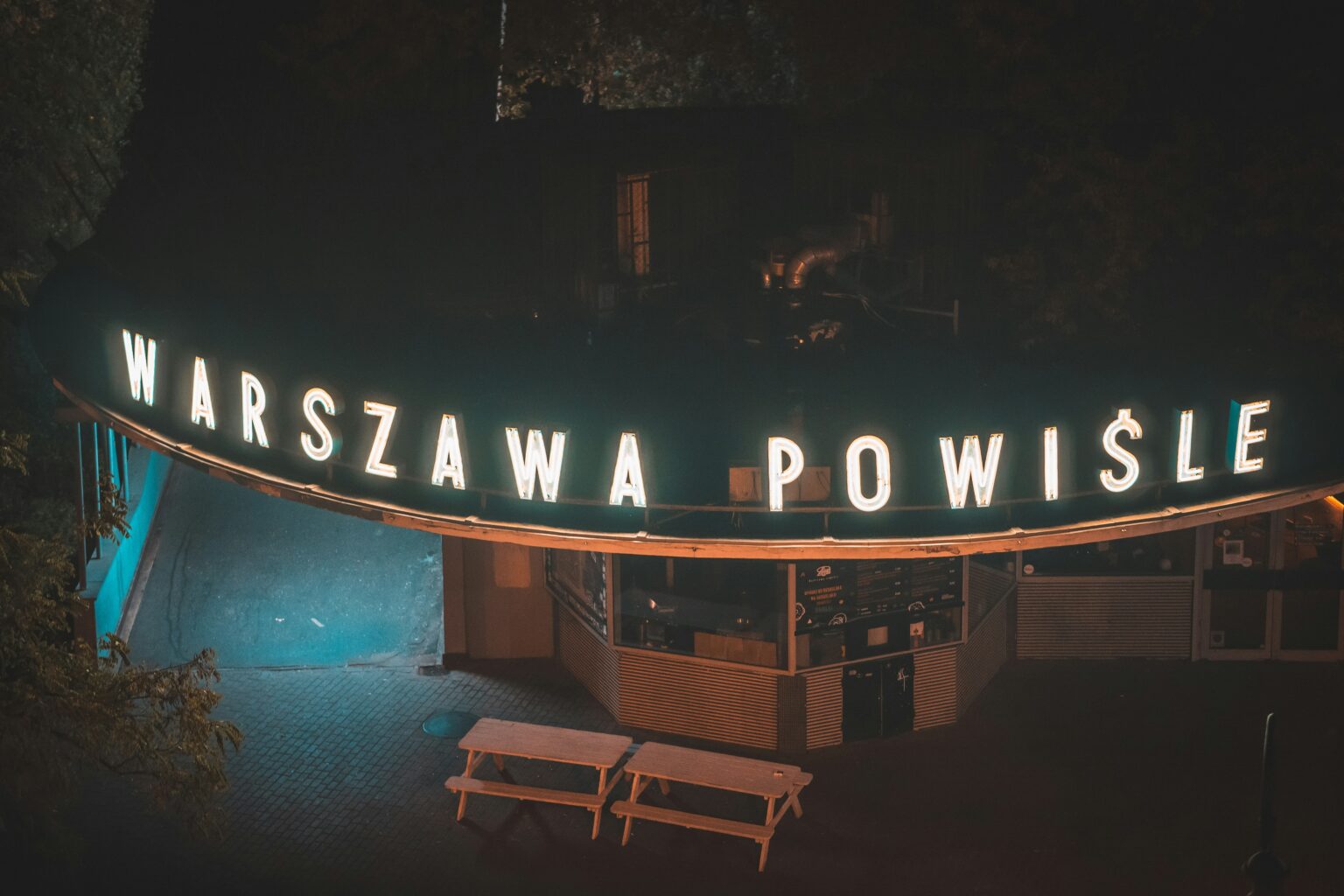

Warsaw is a vibrant city that embraces progressive ideas. However, the city also faces unique challenges, including an ever-expanding urban sprawl characterized by prefabricated concrete apartment blocks and gated communities that pose as real threats.
Warsaw offers visitors an unforgettable experience, from its ancient city reconstructed in its original Renaissance style to tributes paid to legendary Poles such as Nicolaus Copernicus and Frederic Chopin.
The Old Town
Warsaw’s Old Town is an absolute must for visitors of Warsaw. Reconstructed using original material salvaged from WWII rubble, its beautiful reconstruction is an inspirational testimony to collective spirit and perseverance as city and country came together after WWII to reconstruct it together. Initial phase reconstruction took five years and was completed using as much original material from rubble as possible before work continued throughout the 1960s; finally being added to UNESCO World Heritage List in 1980.
As you stroll the streets of Old Town, keep an eye out for Yellow Umbrella Tour guides offering free tours. Their knowledgeable guides know all there is to know about Old Town while making each experience fun and engaging – they even know where the best food and drinks spots can be found! Meet them near Sigmund’s Column for your tour, then tip at the end if desired!
Old Town offers an unforgettable streetscape. Comprised of buildings from many architectural styles such as Renaissance and Baroque structures as well as Art Deco structures, Old Town is full of character. Visitors should pay special attention to St Anne’s Church (Neoclassical) and St John’s Archcathedral (Brick Gothic) during their exploration.
Alter Kacyzne’s 1929 novel “SHTAark Avn SHvvAaKH” vividly described Old Town during its prewar heydays; at that time, it was predominantly populated by poor families – both Jewish and Christian – living in cramped tenements that once belonged to Polish aristocrats; some streets even served as red-light districts with brothels located there.
Rebuilding of the Old Town required immense care and consideration, with architectural buildings designed based on historical research and conservation techniques. One key source was Bernardo Bellotto (commonly referred to as Canaletto), who painted numerous images depicting its streets and squares during late 18th-century Italy.
The Royal Castle
The Royal Castle in Warsaw is one of Warsaw’s iconic landmarks, alongside Old Town. As one of its primary symbols representing Polish national history and culture, this popular tourist destination attracts both locals and international tourists. Furthermore, the castle serves as the venue for cultural events and state festivities while hosting many visits from politicians or other distinguished guests.
The Castle was initially constructed during the 14th century, though its size and scope expanded several times throughout 16th and 17th century Europe. When King Sigismund III Vasa moved his capital from Krakow to Warsaw, the Castle became home for both parliament and court proceedings.
In the 19th century, Jan Chrystian Kamsetzer and King Stanislaw II Augustus Poniatowski undertook another refurbishment to restore its former splendour. For this, top architects such as Jakub Fontana, Domenico Merlini, Jan Chrystian Kamsetzer and Jakub Kubicki were hired to work on its interiors; also recruited were great painters such as Marcello Bacciarelli (also known as Canaletto), Franciszek Smuglewicz Kazimierz Wojniakowski and Jean-Baptiste Pillement along with top sculptors Andre-Jean Lebrun and Jakub Monaldi.
Major renovations took place between the 19th and 20th centuries, including reconstruction of damaged sections caused by World War II. For instance, its southern wing was rebuilt using manierist techniques.
During World War II’s complete destruction, the Royal Castle was saved thanks to Polish museum staff and experts in art restoration. They defied German orders by dismantling works of art as well as fragments of stucco-work, parquet floors and wood paneling that had been left behind; drilling thousands of holes for dynamite charges into its stripped walls – especially Professor Stanislaw Lorentz who performed extraordinary service by saving it all. His services will never be forgotten!
The castle is open for tours Tuesday to Sunday from 10 a.m. to 4 or 6 p.m. A ticket includes access to most exhibits, restrooms, two on-site eateries and free admission for children under 15; it is less than two miles northeast of downtown near Stare Miasto tram and bus depot.
The National Museum
Established in 1862, this expansive museum hosts artworks, sculptures and antiquities from all around the globe. Comprising numerous galleries displaying paintings, sculptures, furniture and decorative design from all periods, its collection also boasts various encyclopedic exhibitions – with Olga Boznanska’s 19th Century Art collection including Jan Matejko’s work as well as Aleksander and Maksymilian Gierymski’s. Additionally, displays reflect trends within art as well as national and cosmopolitan tendencies from that time period.
At 3 Aleje Jerozolimskie Street in a modernist building constructed during the inter-war period, the museum boasts one of Poland’s largest collections and contains around 830 000 pieces. Its galleries showcase ancient Egyptian, Greek, Roman artifacts; paintings dating from 13th to 21st centuries from Poland as well as international paintings like those by Italian, Dutch, Russian painters from Germany France Flemish as well as arts & craft exhibits and an impressive numismatic display collection.
Visitors to Faras Gallery will also have an unforgettable experience as it contains one of the largest collections of Makurian wall paintings ever. Painted al secco with tempera on plaster in Old Nubian city Faras (present-day Sudan), these frescos date back to between 8th and 9th century and may even pre-date modern civilization!
The museum collection also boasts works by European masters such as Rembrandt, Sandro Botticelli and Luca Giordano. Additionally, its medieval gallery showcases goldsmith works and unique sculptures from regions historically associated with Poland while its modern and 20th century galleries present paintings by Witkacy and Wladyslaw Strzeminski as well as contemporary art.
The National Museum is an essential destination for anyone interested in Poland’s vibrant cultural heritage, showcasing how various periods of art interconnect and shape modern Polish culture. Alongside permanent exhibits, visitors will also enjoy temporary showcases relating to major events, celebrations and important milestones of Polish history.
The Academy of Fine Arts
Warsaw’s Academy of Fine Arts (Akademia Sztuk Pieknych w Warszawie) is Poland’s oldest institution for artistic education. Upholding Polish traditions while welcoming various creative approaches, it fosters artistic excellence while encouraging critical thought.
The Academy of Fine Arts boasts studios for painting, drawing, sculpture and 3D media as well as design, architecture and stage art. Each studio is tailored towards specific mediums and features custom lighting, tools and supplies designed for that medium – providing students with an ideal learning environment in which to hone and perfect their chosen mediums. Furthermore, the school boasts world-class faculty as well as internationally acclaimed alumni such as Miroslaw Balka, Wojciech Bakowski Tymek Borowski Katarzyna Jozefowicz and Aneta Grzesicka who all graduated from its ranks – just some examples among many of these alumni with international recognition!
At its 50,000 square foot facility, The Academy’s facility was carefully planned to foster creativity. Classrooms are flooded with natural light; painting studios feature easels, drawing tables and storage for materials; sculpture studios include pottery wheels and kilns; while design and digital media labs boast Mac workstations loaded with cutting-edge software programs; finally there is also an fully functional gallery which showcases student work.
The Academy’s curriculum is inspired by the traditional Atelier method of teaching, in which students work closely with their teachers to explore their individual creative interests while receiving guidance from experienced artists. Additionally, its museum houses an exceptional collection of 19th- and 20th-century American paintings, sculptures and works on paper.
The Academy enjoys an impressive history of collaboration and communication with universities worldwide, such as Kyoto College of Graduate Studies for Informatics in Japan, Honam University in Korea, Kyonggi University of Korea, Lvov Academy of Arts Ukraine and Naples Academy of Fine Arts Italy among many others. Furthermore, an active international communications association exists and participates in Erasmus+ program; currently having established collaboration relationships in 22 countries with over 90 partner institutions that make up its network; additionally it belongs to ELIA Cumulus ENCoRE organizations.
Trip-ready gear from Amazon
As an Amazon Associate, grandgo.com earns from qualifying purchases. Links below are affiliate links — clicking them may earn us a small commission at no extra cost to you. Prices and availability are shown on Amazon.co.uk.
- Anti-theft crossbody bag Pacsafe — Old Town pickpocket protection.
- Universal EU travel adapter — Prague/Budapest/Vienna varying types.
- Warm scarf winter travel — Christmas market season.