


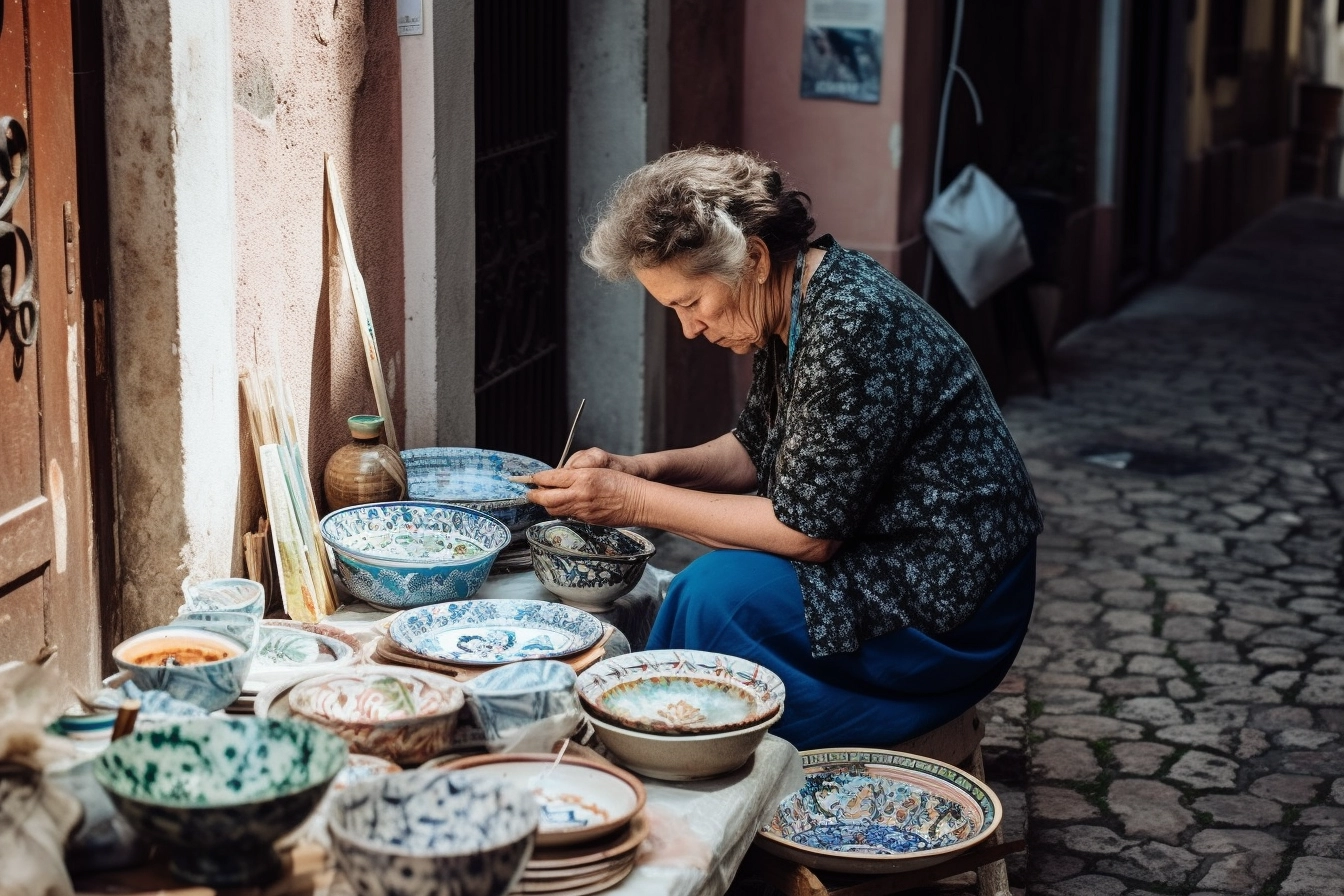

The History of Ceramic Production in Vietri sul Mare
Vietri sul Mare, a small coastal town in southern Italy, has a rich and fascinating history of ceramic production. Dating back centuries, the art of making ceramics has been a vital part of the town’s cultural identity and economic development. The origins of ceramic production in Vietri sul Mare can be traced back to the influence of the nearby city of Salerno, which was a major hub for trade and commerce during medieval times. Artisans in Salerno began experimenting with different techniques and styles of pottery, eventually influencing the development of Vietri ceramic designs.
The ceramics produced in Vietri sul Mare underwent a significant transformation during the Renaissance period, when the town experienced a shift towards more decorative and artistic forms. During this time, the influence of other major ceramic centers, such as Deruta and Sicily, started to shape the distinctive style of the Ceramiche Vietresi. The vibrant colors, intricate patterns, and floral motifs became hallmarks of Vietri ceramic production, setting it apart from other ceramic traditions in Italy and even in Europe. Despite facing numerous challenges over the years, such as economic downturns and competition from mass-produced ceramics, the artisans of Vietri sul Mare have steadfastly preserved their heritage and continued to produce high-quality ceramics that are cherished by collectors around the world.
The Influences on Vietri Ceramic Design
Vietri sul Mare, a small town on the Amalfi Coast in Italy, has a rich history of ceramic production that dates back centuries. Over the years, various influences have shaped the unique design aesthetic of Vietri ceramics. One of the earliest and most significant influences on Vietri ceramic design is the region’s close proximity to the Mediterranean. The vibrant colors of the sea, the lush foliage of the Amalfi Coast, and the vibrant flora and fauna of the region all find their way into the intricate patterns and motifs of Vietri ceramics. This connection to nature is evident in the bold and vibrant color palette used in many designs, as well as the incorporation of sea creatures and floral elements.
Another major influence on Vietri ceramic design is the town’s historical ties to the nearby town of Naples. Nap
The Techniques Used in Vietri Ceramic Production
Vietri sul Mare has a long-standing tradition of ceramic production, with techniques that have been passed down through generations of skilled artisans. The process begins with the selection of high-quality clay, which is carefully prepared by removing impurities and kneading it to achieve the right consistency.
Once the clay is ready, it is shaped using various methods such as wheel throwing or hand molding. The artisans’ expertise is showcased as they use their hands or potter’s wheel to create intricate and unique shapes. After shaping, the pieces are left to dry slowly to avoid cracks or deformities.
The next step involves glazing, which adds color and a protective layer to the ceramic items. The glaze is carefully applied by hand or through dipping, ensuring an even and smooth finish. Different glaze compositions result in a wide variety of colors and effects, allowing for endless possibilities in design.
Firing is the final and crucial step in the ceramic production process. The pieces are carefully placed in a kiln and subjected to high temperatures, causing the clay and glaze to chemically react and harden. This firing process not only strengthens the ceramic items but also brings out the vibrant colors and glossy finish that Vietri ceramics are known for.
The techniques used in Vietri ceramic production demonstrate the exceptional skills and craftsmanship of the local artisans. Their dedication to preserving these traditional methods is what keeps the ancient art form alive in modern times.
The Role of the Artisans in Preserving the Ceramic Tradition
The preservation of the ceramic tradition in Vietri sul Mare can be attributed to the dedicated role of the artisans in the region. These skilled craftsmen and women play a crucial part in upholding the rich history and cultural heritage that is encapsulated in each ceramic piece created. Through their meticulous attention to detail and commitment to traditional techniques, they ensure that the art of ceramic production is passed down from generation to generation.
The artisans in Vietri sul Mare are not just creators of beautiful ceramic pieces; they are also guardians of a cherished legacy. Their role extends beyond simply producing ceramics; they are responsible for safeguarding the techniques, designs, and stories that make each piece unique. Through their unwavering commitment to perfection, these artisans contribute to the preservation of the ceramic tradition, ensuring that future generations can appreciate the beauty and artistry that is inherent in Vietri ceramics. Their dedication serves as a testament to the profound cultural and historical significance of this craft in the region.
The Significance of Ceramic Production to the Local Economy
Vietri sul Mare, a small town on the Amalfi Coast in Italy, has a rich history of ceramic production that dates back centuries. This traditional craft has not only played a significant role in preserving the town’s cultural heritage but has also become a driving force behind its local economy.
The production of ceramic pieces in Vietri sul Mare has been a main source of income for its residents for many generations. This industry has created numerous job opportunities for skilled artisans and provided economic stability to the community. The town’s ceramics are highly sought after both by locals and tourists visiting the Amalfi Coast, contributing to the growth of the local economy through sales and revenue. The economic significance of ceramic production in Vietri sul Mare cannot be underestimated, as it supports local businesses, promotes tourism, and sustains the livelihoods of many artisans and their families.
The Evolution of Vietri Ceramic Designs Over Time
In examining the evolution of Vietri ceramic designs over time, it is clear that this craft has undergone remarkable transformations while still retaining its unique identity. Spanning centuries, the changes in Vietri ceramic designs reflect the influences of varying artistic styles and historical periods. From the early days of producing simple, functional pottery, to the incorporation of intricate patterns and vibrant colors, the evolution of Vietri ceramic designs is a testament to the artisans’ creativity and adaptability.
The earliest known ceramic pieces from Vietri sul Mare feature humble and utilitarian designs, reflecting the practical needs of the local community. As time progressed, however, the artisans began to experiment with different techniques and styles, responding to societal shifts and artistic trends. One significant influence on Vietri ceramic designs can be seen during the Renaissance period, when the aesthetics of classical antiquity greatly influenced ceramic production. Delicate motifs inspired by ancient Greek and Roman art, such as intricate scrolling patterns and mythical figures, were incorporated into the designs, marking a departure from the earlier simplicity. This fusion of classical and local elements became a defining characteristic of Vietri ceramic designs and continues to be celebrated today.
The Cultural and Historical Significance of Vietri Ceramic Pieces
The ceramic pieces produced in Vietri sul Mare hold immense cultural and historical significance. These unique creations not only showcase the skilled craftsmanship of the artisans but also reflect the rich cultural heritage of the region. Each ceramic piece tells a story, capturing the essence of the local traditions and customs that have been passed down through generations. These pieces are a tangible representation of the history and identity of Vietri sul Mare, adding depth and beauty to the cultural landscape of the area.
Furthermore, Vietri ceramic pieces play a crucial role in preserving and celebrating the history of the region. They serve as a visual documentation of the artistic evolution and cultural exchange that has occurred over the centuries. From ancient Greek and Roman influences to Moorish and Renaissance styles, the designs of Vietri ceramics reflect the diverse influences that have shaped the art form. By studying and appreciating these pieces, we gain valuable insight into the historical context and the various cultural influences that have shaped the development of ceramics in Vietri sul Mare.
The Impact of Tourism on the Ceramic Industry in Vietri sul Mare
The ceramic industry in Vietri sul Mare has experienced a significant impact due to the influx of tourists in recent years. As tourists visit this quaint coastal town on the Amalfi Coast of Italy, they are drawn to the beautiful handcrafted ceramic pieces that line the streets. This surge in tourism has not only increased the demand for these ceramics but has also led to a rise in production and economic growth for the local artisans.
With the increase in tourism, the artisans of Vietri sul Mare have been able to expand their reach beyond the local market. They now cater to an international clientele, with visitors from all over the world eager to take a piece of the town’s vibrant ceramic tradition back home. This exposure to a global audience has not only widened the market for the artisans but has also allowed for the exploration of new designs and techniques that cater to different cultural preferences. However, with the growing popularity of these beautiful ceramics, there are also challenges that artisans face in maintaining the authenticity and quality of their work.
The Challenges Faced by Vietri Ceramic Artisans in the Modern Era
In the modern era, Vietri ceramic artisans are faced with numerous challenges that threaten the preservation of their traditional craft. One of the major difficulties they encounter is the lack of demand for handmade ceramic pieces in a society that is increasingly driven by mass-produced and commercially available products. With the rise of globalization and the accessibility of cheaper imports, consumers are often drawn towards these options rather than supporting local artisans.
In addition, the rapid advancement of technology has posed a significant challenge to Vietri ceramic artisans. While automation and machinery have made production processes more efficient and cost-effective, it has also resulted in a decline in the need for skilled artisans. Many traditional techniques and craftsmanship skills are being replaced by computerized systems, making it increasingly difficult for artisans to compete in the market. The loss of these traditional skills not only affects the quality and uniqueness of Vietri ceramic pieces but also poses a threat to the cultural significance and heritage of this ancient craft.
The Future of the Ceramic Tradition in Vietri sul Mare
As Vietri sul Mare looks to the future, the ceramic tradition remains a vital part of its identity. With a rich history spanning centuries, the town is committed to preserving and evolving its ceramic production. Artisans in Vietri sul Mare are constantly adapting and experimenting with new techniques, materials, and designs to keep the tradition alive and relevant in the modern era.
One of the key factors driving the future of the ceramic tradition in Vietri sul Mare is the growing interest and demand from both locals and tourists alike. The appeal and uniqueness of Vietri ceramic pieces have attracted attention not just within Italy, but from around the world. As the appreciation for handcrafted and locally-made products continues to rise, the demand for authentic Vietri ceramics is expected to grow, ensuring a bright future for the artisans and the industry as a whole.
FAQs
What is the history of ceramic production in Vietri sul Mare?
Ceramic production in Vietri sul Mare dates back centuries, with evidence of pottery making in the area as early as the 15th century.
What influences have shaped Vietri ceramic design?
Vietri ceramic design has been influenced by various artistic movements, such as the Renaissance and Baroque periods, as well as traditional Mediterranean and Arabesque motifs.
What techniques are used in Vietri ceramic production?
Artisans in Vietri sul Mare employ a range of techniques, including hand-painting, majolica glazing, and kiln firing to create their ceramic pieces.
What role do artisans play in preserving the ceramic tradition?
Artisans are the guardians of the ceramic tradition in Vietri sul Mare, passing down their skills and knowledge from generation to generation to ensure its preservation.
How significant is ceramic production to the local economy?
Ceramic production is a vital part of the local economy in Vietri sul Mare, providing employment opportunities and contributing to the tourism industry.
How have Vietri ceramic designs evolved over time?
Vietri ceramic designs have evolved to incorporate modern influences while still maintaining their traditional aesthetic, resulting in a diverse range of styles.
What cultural and historical significance do Vietri ceramic pieces hold?
Vietri ceramic pieces are not only visually stunning but also hold cultural and historical significance, representing the region’s artistic heritage and craftsmanship.
What impact has tourism had on the ceramic industry in Vietri sul Mare?
Tourism has played a significant role in boosting the demand for Vietri ceramic pieces, leading to increased production and economic growth in the industry.
What challenges do Vietri ceramic artisans face in the modern era?
Vietri ceramic artisans face challenges such as competition from mass-produced ceramics, sourcing quality materials, and adapting to changing consumer preferences.
What does the future hold for the ceramic tradition in Vietri sul Mare?
Despite the challenges, the ceramic tradition in Vietri sul Mare is expected to continue thriving with the support of artisans, local communities, and the growing appreciation for handmade, artisanal products.